
Category
Uncategorized
106 articles filed under Uncategorized.

You used Chatgpt to develop a product idea. Now what?
Blog · AI Product Development · 9 min read You used ChatGPT to develop a product idea. Now what? Real AI product development starts the morning after the chat ends.
Read more: You used Chatgpt to develop a product idea. Now what?
Component Lifecycle Management: Designing for Obsolescence
Modern military, civil, and commercial systems must operate reliably for decades, and because of that, organizations increasingly rely on Designing for Obsolescence as a foundation.
Read more: Component Lifecycle Management: Designing for Obsolescence
Material Qualification Strategy: Reducing Risk Before Production
Modern manufacturing relies on raw materials that make it possible to produce the goods driving economic growth and improving everyday living standards.
Read more: Material Qualification Strategy: Reducing Risk Before Production
Bridging Digital and Physical Prototyping
Over the past two decades, the relationship between digital and physical prototyping has changed dramatically.
Read more: Bridging Digital and Physical Prototyping
Systems Thinking in Hardware Development
We constantly use the word system. We say, “There’s no point fighting the system,” or “Mary works as a systems analyst,” or “This job is getting out of control – I.
Read more: Systems Thinking in Hardware Development
Before you prototype your AI generated invention, read this
AI can draw your invention in seconds. Here is what to verify on materials, tolerances and tooling before you spend money to prototype an invention.
Read more: Before you prototype your AI generated invention, read this
The Transition From Prototype to Pilot Production: What Breaks and Why
“Creating a successful prototype is a major milestone…” – but it’s only one step in the broader product development journey.
Read more: The Transition From Prototype to Pilot Production: What Breaks and Why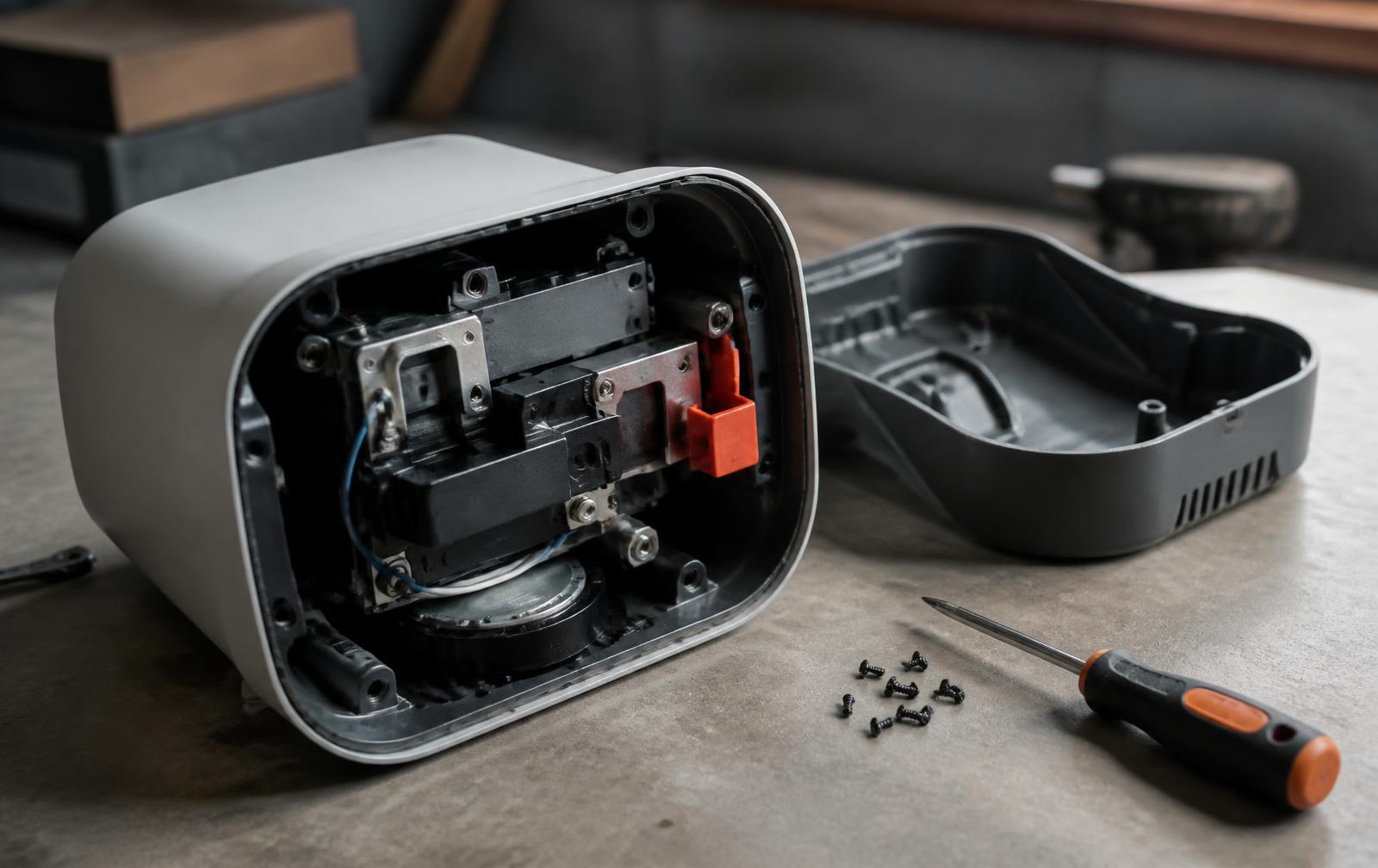
Designing for Disassembly: Enabling Repair, Recycling, and Circularity
When designers create products intended for easy disassembly, they must focus on three core considerations. First, they need to carefully choose and apply materials.
Read more: Designing for Disassembly: Enabling Repair, Recycling, and Circularity
Hidden Integration Risks in Multi Vendor Product Development
New Product Development (NPD) drives business growth, with Multi Vendor Product Development playing an increasingly important role in modern innovation ecosystems.
Read more: Hidden Integration Risks in Multi Vendor Product Development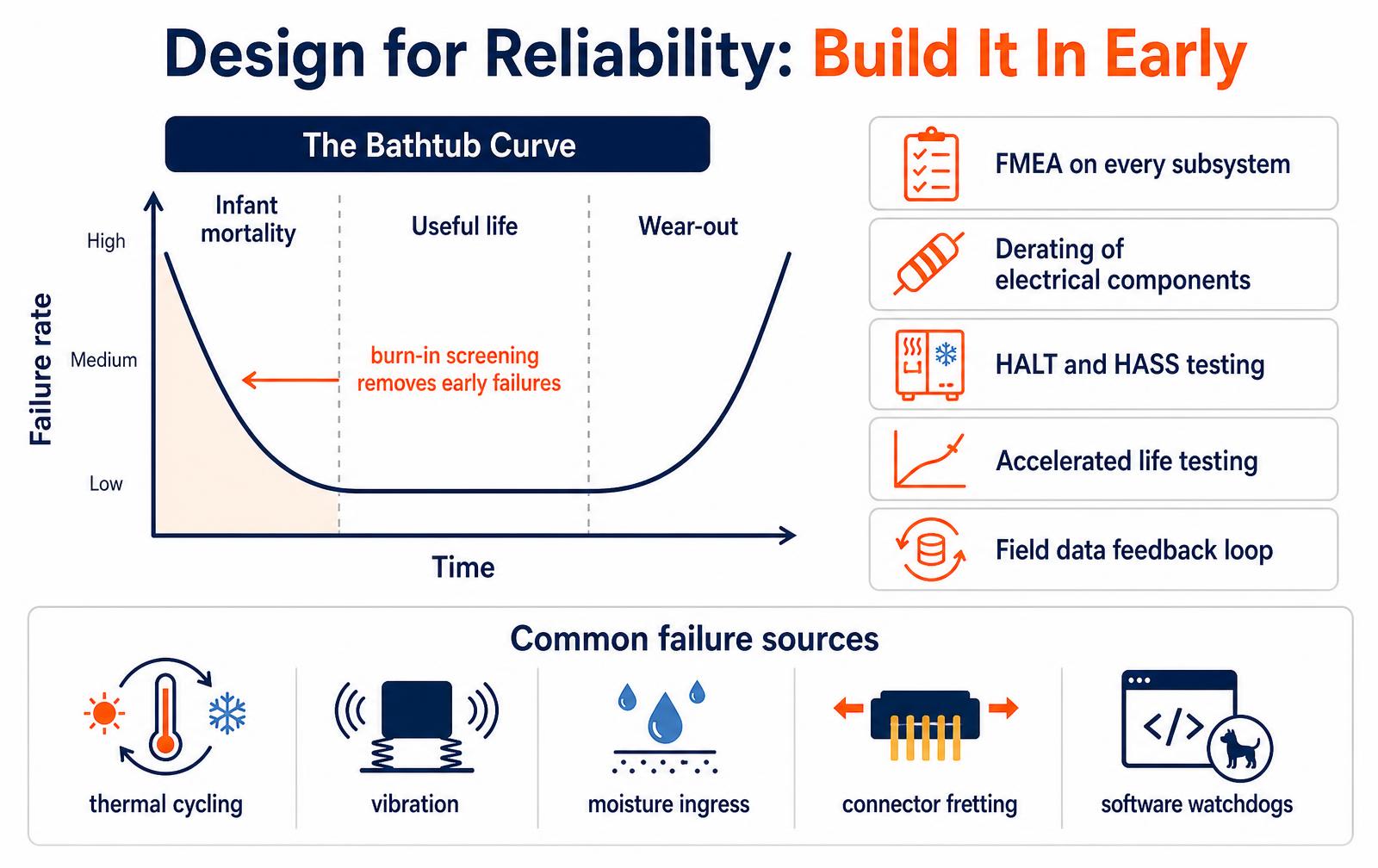
Design for Reliability: Methods to Extend Product Lifespan From Day One
Reliability is decided during design, not verified at the end. The methods, the failure sources and the cost of getting it wrong.
Read more: Design for Reliability: Methods to Extend Product Lifespan From Day One
Product Localization: Engineering Products for Global Markets
Product localization is the work of adapting a physical or connected product to a specific market's power, regulations, language and expectations. Done at design time it costs little; done after launch it costs a redesign.
Read more: Product Localization: Engineering Products for Global Markets
Innovation Portfolio Strategy: Balancing Incremental and Breakthrough Products
Innovation is widely recognized as a major driver of productivity, economic growth, and improved living standards.
Read more: Innovation Portfolio Strategy: Balancing Incremental and Breakthrough Products
Voice of the Customer vs. Voice of the Business
Balancing the Voice of the Customer (VoC) and the Voice of the Business (VoB) is now essential for companies in competitive, customer‑driven markets.
Read more: Voice of the Customer vs. Voice of the Business
AI in Product Management: Where It Actually Helps
AI is genuinely useful in parts of the product management workflow and actively harmful in others. Here is the stage-by-stage breakdown, the failure modes to watch for, and a practical adoption sequence.
Read more: AI in Product Management: Where It Actually Helps
Why New Products Fail: The Real Reasons and the Warning Signs
Technically superior products lose all the time. Here are the real reasons new products fail, in order, and the signals that show up long before launch day.
Read more: Why New Products Fail: The Real Reasons and the Warning Signs
The Psychology of Perceived Quality: Weight, Texture, Sound, and Visual Cues
Perceived quality is crucial in product development, but because “quality” is a relative and complex concept, it has many definitions.
Read more: The Psychology of Perceived Quality: Weight, Texture, Sound, and Visual Cues
Product Engineering Company: What They Do, What They Cost, How to Pick One
A product engineering company turns a product idea into a manufacturable design. Here is the full scope, the cost of each stage, and how to tell a real team from a sales deck.
Read more: Product Engineering Company: What They Do, What They Cost, How to Pick One
Modular Design Examples: Types, Benefits and How to Apply Them
Modular design examples across product categories, the module types behind them, and the interface decisions that make a platform work.
Read more: Modular Design Examples: Types, Benefits and How to Apply Them
Engineering Trade-Offs: Balancing Cost, Performance, and Time-to-Market
In today’s fast moving landscape – defined by intense global competition, rapid technological progress, and increasingly sophisticated customer expectations – product life.
Read more: Engineering Trade-Offs: Balancing Cost, Performance, and Time-to-Market
Product Architecture Fundamentals: Establishing the Basis for Scalable Engineering
In industrial manufacturing settings, where production depends on detailed product development, delivery timelines to customers are significantly influenced by the duration of the.
Read more: Product Architecture Fundamentals: Establishing the Basis for Scalable Engineering
Systems Thinking in Product Development: Designing Beyond Individual Features
In today’s increasingly interconnected world, products no longer exist as isolated artifacts.
Read more: Systems Thinking in Product Development: Designing Beyond Individual Features
Technical Due Diligence: What Founders Should Confirm Before Development Begins
If you’re launching a tech company, sooner or later – whether you’re pursuing investment or moving toward a potential merger or acquisition – you’ll encounter the process.
Read more: Technical Due Diligence: What Founders Should Confirm Before Development Begins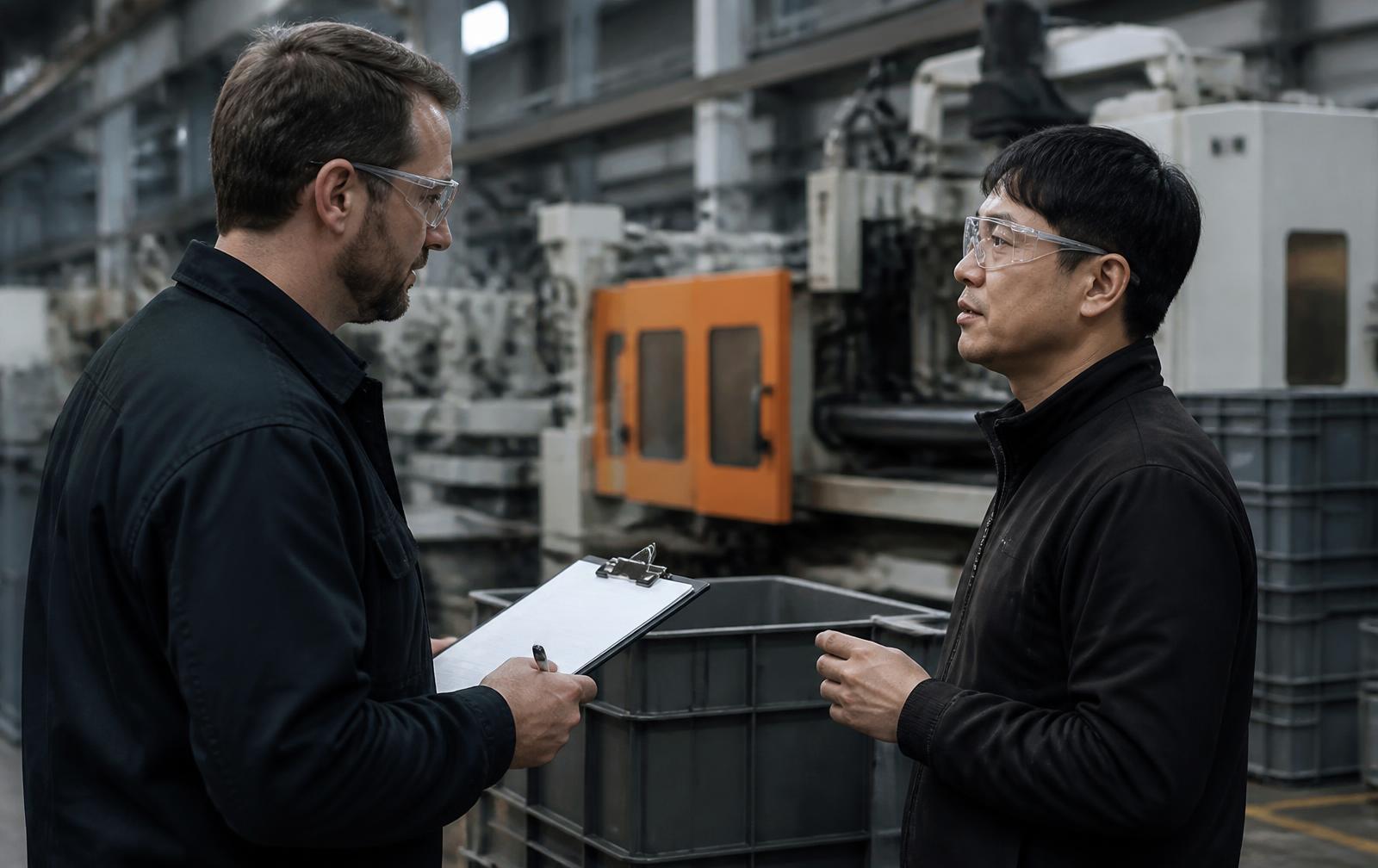
Supplier Selection Criteria That Actually Matter
New products serve as the driving force behind an organization’s growth. Their success in the marketplace directly fuels business expansion.
Read more: Supplier Selection Criteria That Actually Matter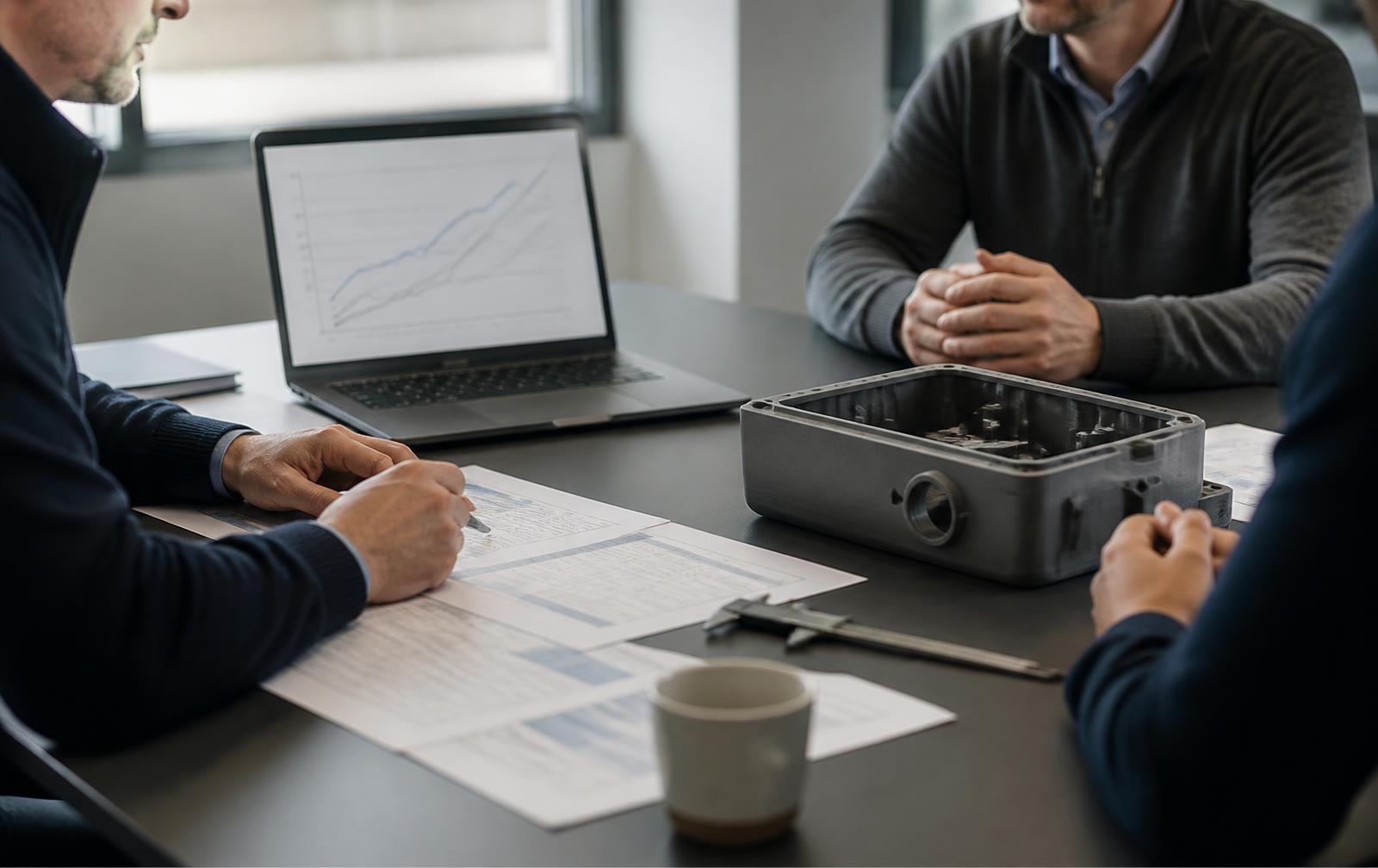
ROI Modelling for New Product Development: How to Justify Investment
In today’s fast moving, highly competitive marketplace, companies must continuously introduce fresh products and services to stay relevant, maintain growth, and meet shifting cus.
Read more: ROI Modelling for New Product Development: How to Justify Investment
Post Launch Engineering: How to Manage Iterations, Updates, and Customer Feedback Loops
In a world where technology and customer expectations shift constantly, building a successful product requires far more than a strong concept or flawless initial execution.
Read more: Post Launch Engineering: How to Manage Iterations, Updates, and Customer Feedback Loops
Mold Flow Analysis: How It Cuts Injection Molding Cost
Injection molding cost is decided by tool steel, cavity count, geometry, resin and tolerances long before the first shot. Here is what each lever is worth and which savings are safe.
Read more: Mold Flow Analysis: How It Cuts Injection Molding Cost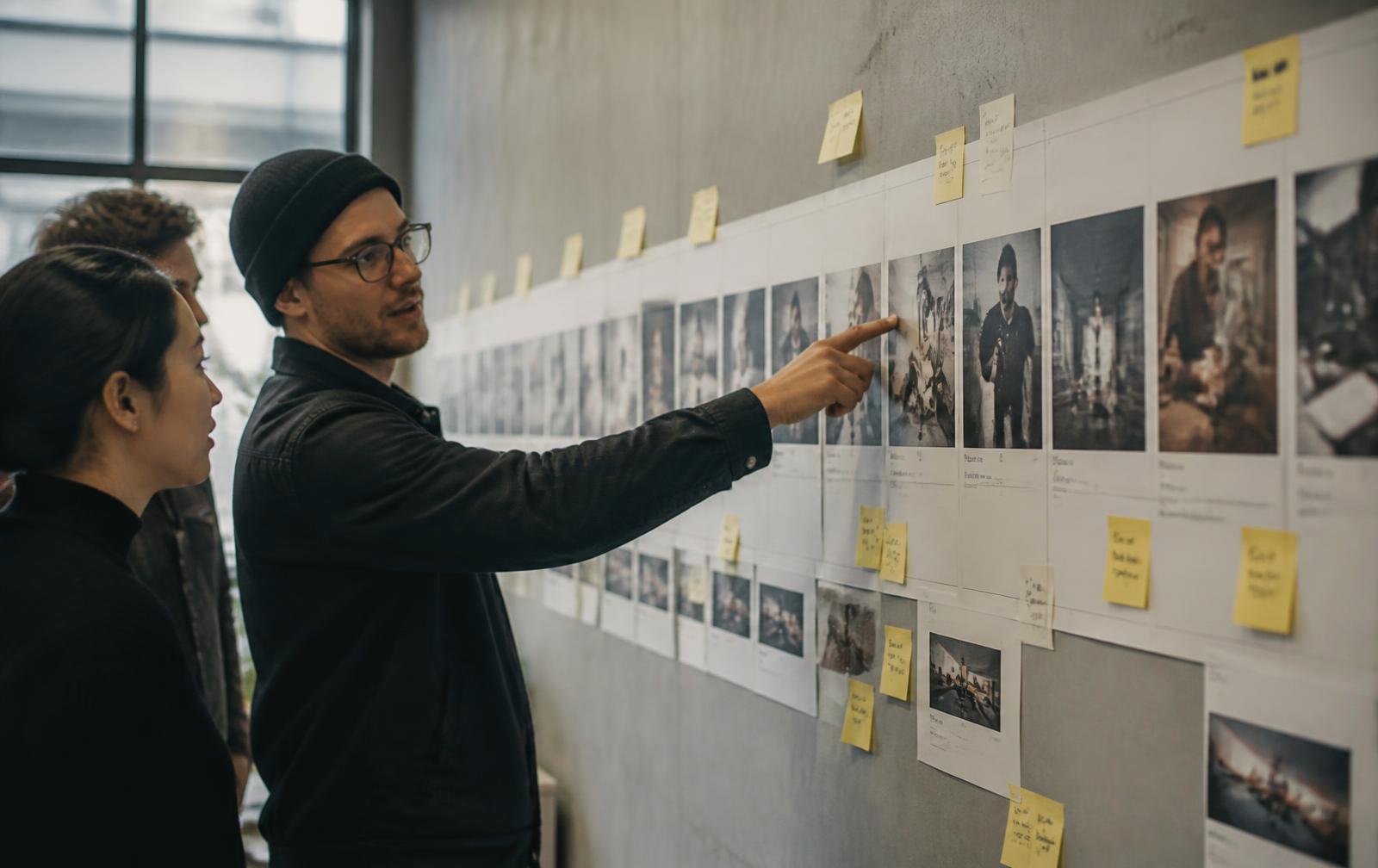
Service Blueprint vs Journey Map: Which to Use in Product Development
Service blueprint vs journey map: what each one reveals, when storyboards or experience flows fit better, and how to build one that changes engineering decisions.
Read more: Service Blueprint vs Journey Map: Which to Use in Product Development
Rapid Validation Frameworks: How to Test Market Demand Before You Build
How to Test Market Demand for your Product.
Read more: Rapid Validation Frameworks: How to Test Market Demand Before You Build
Product as a Service: Designing Hardware for Recurring Revenue
Subscription hardware only works if the product is engineered to come back, be refurbished and go out again. Here is what changes in the design and in the numbers.
Read more: Product as a Service: Designing Hardware for Recurring Revenue
Contract Manufacturing for Medical Devices: How to Choose and What It Costs
What contract manufacturing for medical devices actually involves, from technology transfer and process validation to QMS obligations, costs and partner qualification.
Read more: Contract Manufacturing for Medical Devices: How to Choose and What It Costs
Designing for Manufacturability (DFM): Turning Concepts Into Production-Ready Products
Design for Manufacturability (DFM) transforms product concepts into production-ready designs by aligning engineering decisions with real-world manufacturing constraints. By integrating cross-functional collaboration early, DFM reduces cost, improves quality, enhances sustainability, and accelerates time to market.
Read more: Designing for Manufacturability (DFM): Turning Concepts Into Production-Ready Products
Human Factors Engineering: How Cognitive Load Shapes Product Usability
Human Factors Engineering shows how managing cognitive load is essential for creating intuitive, safe, and effective products.
Read more: Human Factors Engineering: How Cognitive Load Shapes Product Usability
The Hidden Cost of Poor Requirements: How to Build a Solid Product Brief
A clear Product Brief prevents costly rework, strengthens requirements, and aligns teams for successful product development. Learn how to build a solid brief.
Read more: The Hidden Cost of Poor Requirements: How to Build a Solid Product Brief
End of Life Strategy – Designing for Recycling and Reuse
Design for Recycling reframes product development by embedding end-of-life considerations from the earliest design stages, ensuring products can be easily disassembled, sorted, and reprocessed within existing recycling systems. By aligning designers with waste and recycling stakeholders and treating waste streams as future resources, products can both enter and originate from circular material flows. Ultimately, because most recycling outcomes are determined during design, this approach is essential for shifting from a linear economy to a truly circular one.
Read more: End of Life Strategy – Designing for Recycling and Reuse
User Centric Design: Methods That Prevent User Error
User centric design is a set of methods, not a philosophy. Here is what each method costs, what it reveals, and how to design user error out of a product.
Read more: User Centric Design: Methods That Prevent User Error
Three Common Product Development Myths Debunked
Transparent Budget Breakdown: Where the Money Actually Goes.
Read more: Three Common Product Development Myths Debunked
Mitigating Early Stage Design Risk: Tools and Techniques
By embedding systematic practices for Mitigating Early Stage Design Risk, organizations can consequently minimize negative impacts while maximizing long term benefits.
Read more: Mitigating Early Stage Design Risk: Tools and Techniques
Concept Design vs Detailed Design – Deciding the Right Time to Transition
The Right Moment to Shift from Concept Design to Detailed Design.
Read more: Concept Design vs Detailed Design – Deciding the Right Time to Transition
Outsourced Product Development: Models, Costs and How to Keep Control
Outsourcing works when you rent capability, and fails when you outsource judgment. Compare the three models, the rates and the contract terms that protect you.
Read more: Outsourced Product Development: Models, Costs and How to Keep Control
Collaborative Prototyping: Bringing Designers and Engineers Together
Why Collaborative Prototyping between Designers and Engineers Matters in Modern Product Development.
Read more: Collaborative Prototyping: Bringing Designers and Engineers Together
Cross Functional Playbook: How Engineering, Design and PMs Collaborate
A comprehensive guide to cross-functional collaboration in product development, explaining how engineering, design, and product management teams work together to manage complexity, drive innovation, resolve conflicts, and build effective workflows using modern processes, leadership practices, and collaborative tools.Я предпочитаю этот ответ.
Read more: Cross Functional Playbook: How Engineering, Design and PMs Collaborate
Transparent Budget Breakdown: Where the Money Actually Goes
Transparent Budget Breakdown: Where the Money Actually Goes.
Read more: Transparent Budget Breakdown: Where the Money Actually Goes
Regulatory-Compliant Design: Strategic Guidance for Standards and Certifications
Regulatory-Compliant Design embeds standards and privacy rules into product development to reduce risk, cut cost, and strengthen trust across markets.
Read more: Regulatory-Compliant Design: Strategic Guidance for Standards and Certifications
Benefits of Reshoring: When Bringing Production Home Pays Off
Reshoring is not patriotism, it is arithmetic. When you price landed cost honestly, a surprising share of programs come home on the numbers alone.
Read more: Benefits of Reshoring: When Bringing Production Home Pays Off
Multi-Material 3D Printing: Crafting Functionally Graded Prototypes
Discover how Multi-Material 3D Printing enables the creation of functionally graded prototypes by combining diverse materials for advanced, high-performance designs.
Read more: Multi-Material 3D Printing: Crafting Functionally Graded Prototypes
Ethical Circular Design: Reconciling Innovation with Accountability
Explore Ethical Circular Design — a sustainable approach uniting innovation, accountability, and circular economy principles to create regenerative systems.
Read more: Ethical Circular Design: Reconciling Innovation with Accountability
AR/VR for Prototype Testing: Immersive User Experiences
Discover how AR and VR are transforming prototype testing through immersive user experiences. Explore how mixed interactive environments, rapid iteration, and hybrid validation enable faster design cycles, cost savings, and richer user insights—turning immersive prototyping into a practical, strategic capability for innovation.
Read more: AR/VR for Prototype Testing: Immersive User Experiences
Parametric Cost Modelling: Forecasting Project Economics at Early Stages
Discover how Bio-Inspired Design Structures leverage nature’s patterns to create sustainable innovations in engineering, from robotics to renewable energy.
Read more: Parametric Cost Modelling: Forecasting Project Economics at Early Stages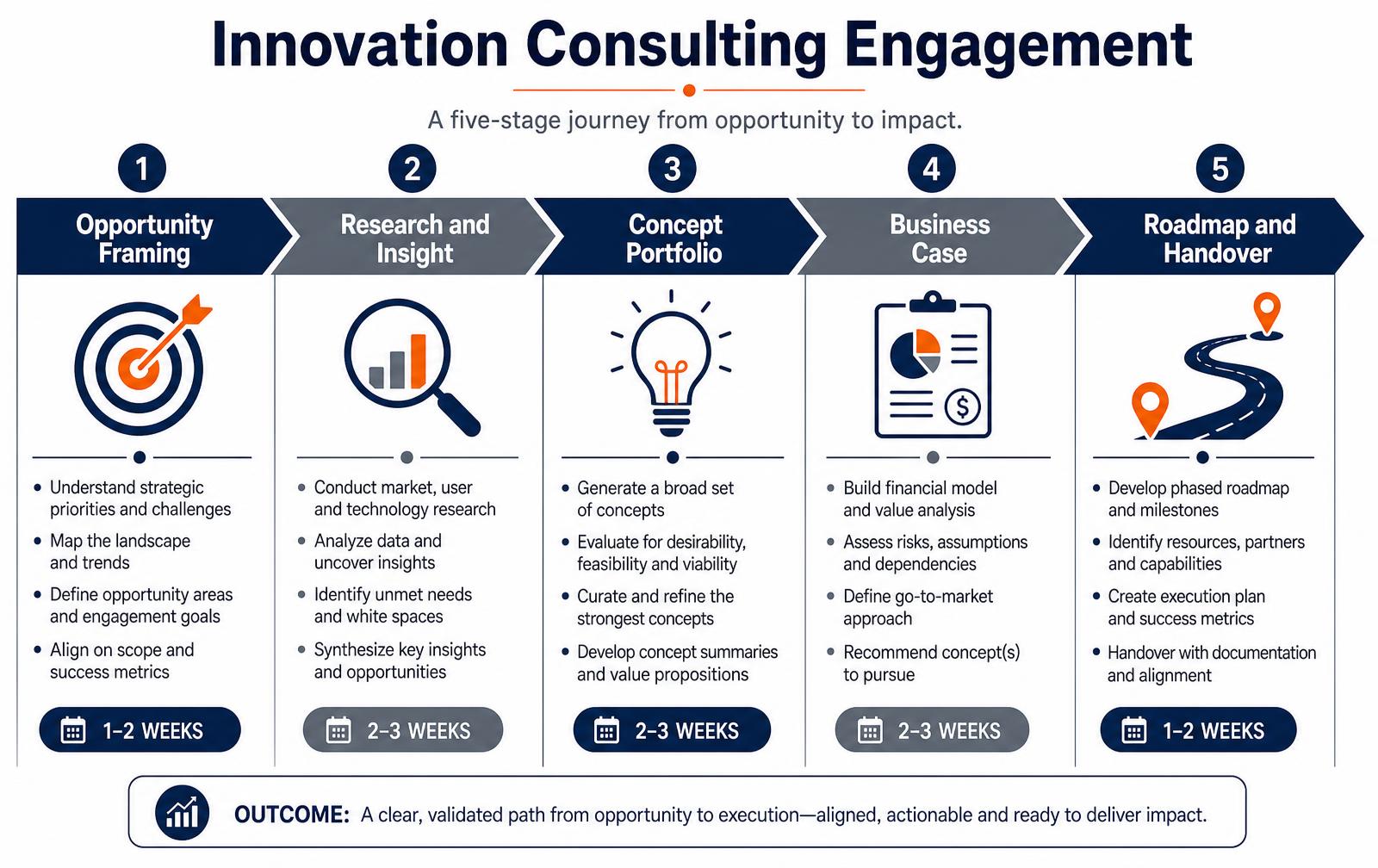
Innovation Consulting Services: What They Deliver and What They Cost
What innovation consulting services deliver for physical-product teams, how engagements are scoped and priced, and when to hire instead of building in-house.
Read more: Innovation Consulting Services: What They Deliver and What They Cost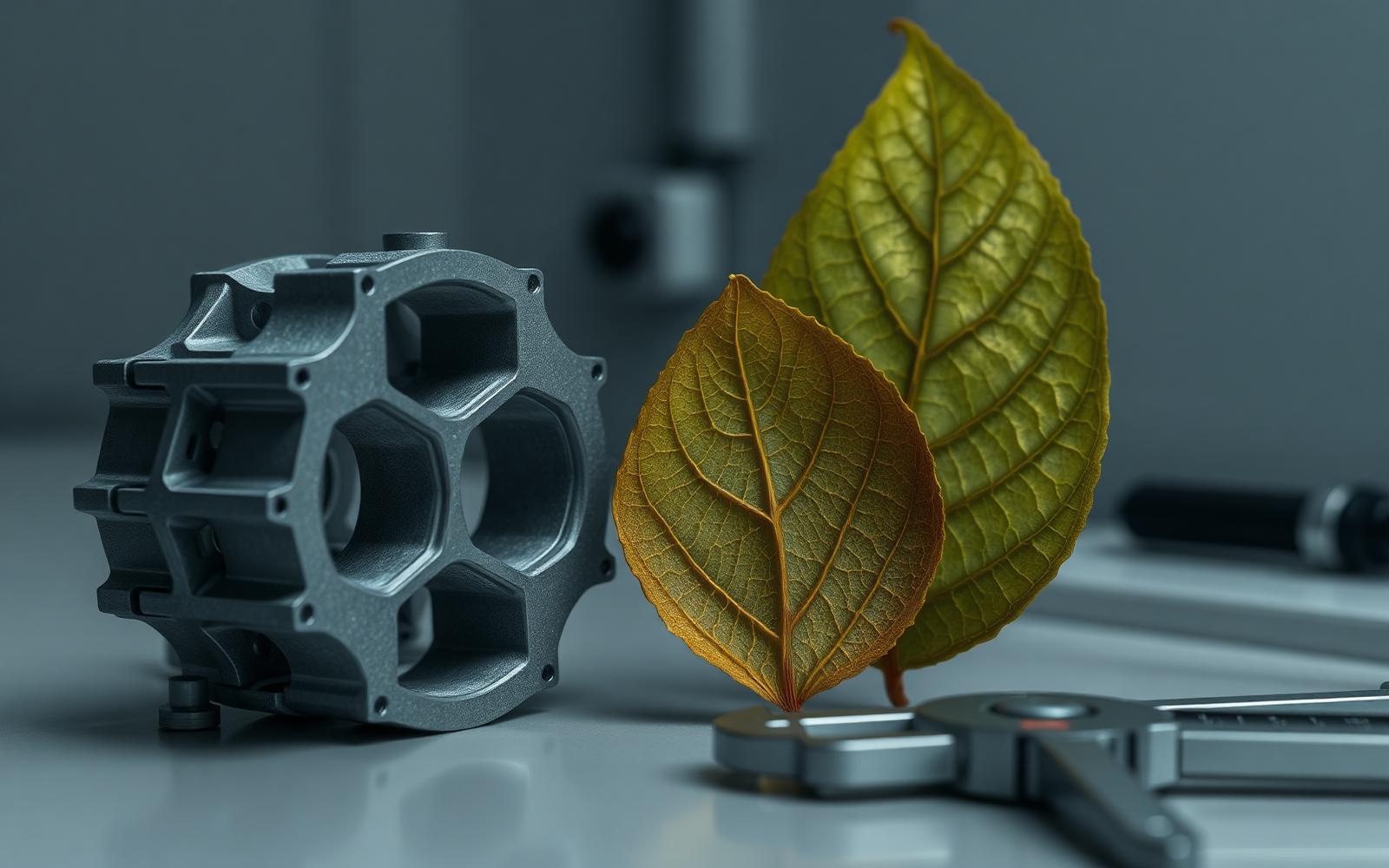
Bio-Inspired Design Structures: Leveraging Natural Patterns in Engineering
Discover how Bio-Inspired Design Structures leverage nature’s patterns to create sustainable innovations in engineering, from robotics to renewable energy.
Read more: Bio-Inspired Design Structures: Leveraging Natural Patterns in Engineering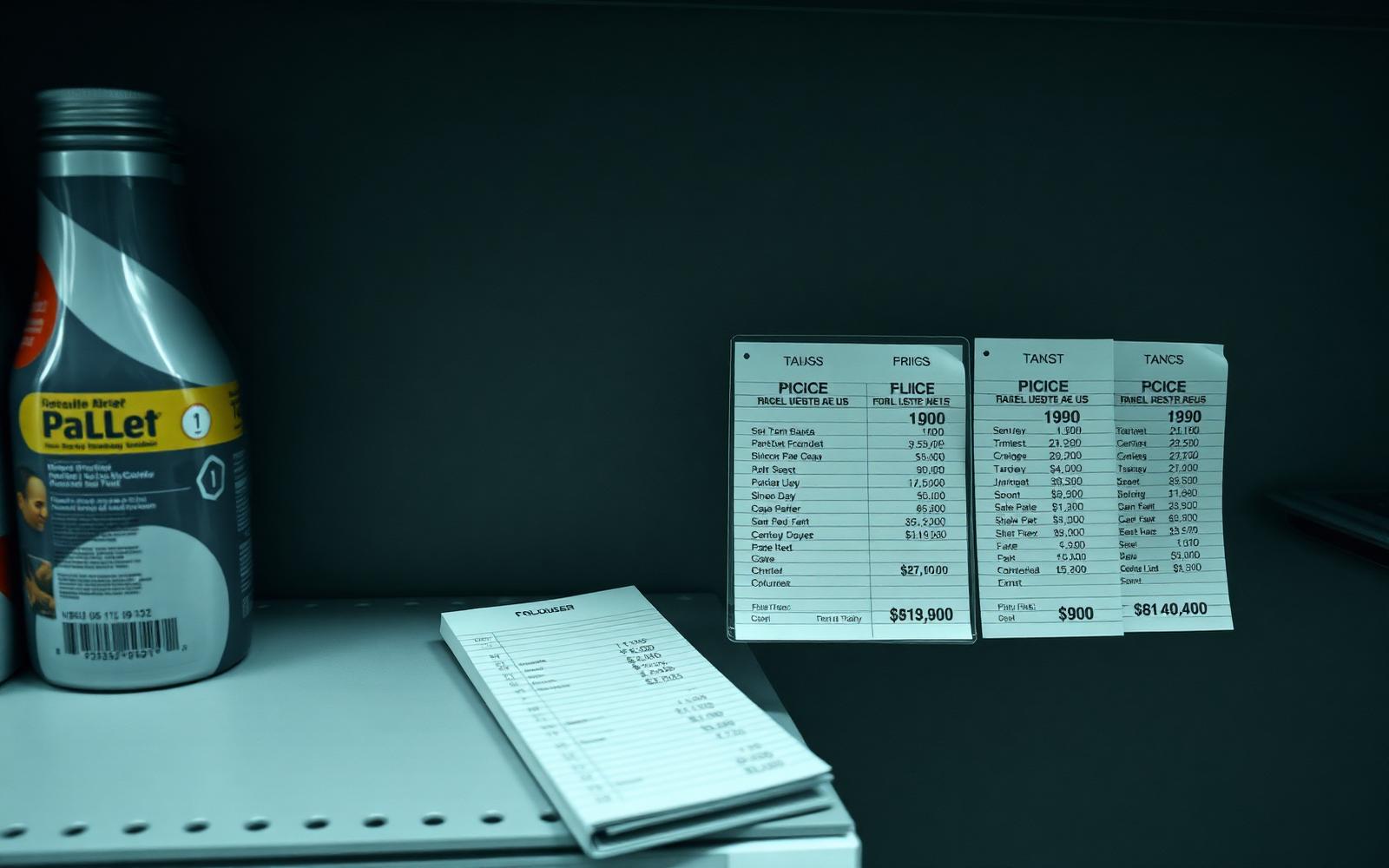
Behavioral Pricing Tactics: Using Price Psychology to Maximize Adoption
Behavioral Pricing Tactics: Using Price Psychology to Maximize Adoption.
Read more: Behavioral Pricing Tactics: Using Price Psychology to Maximize Adoption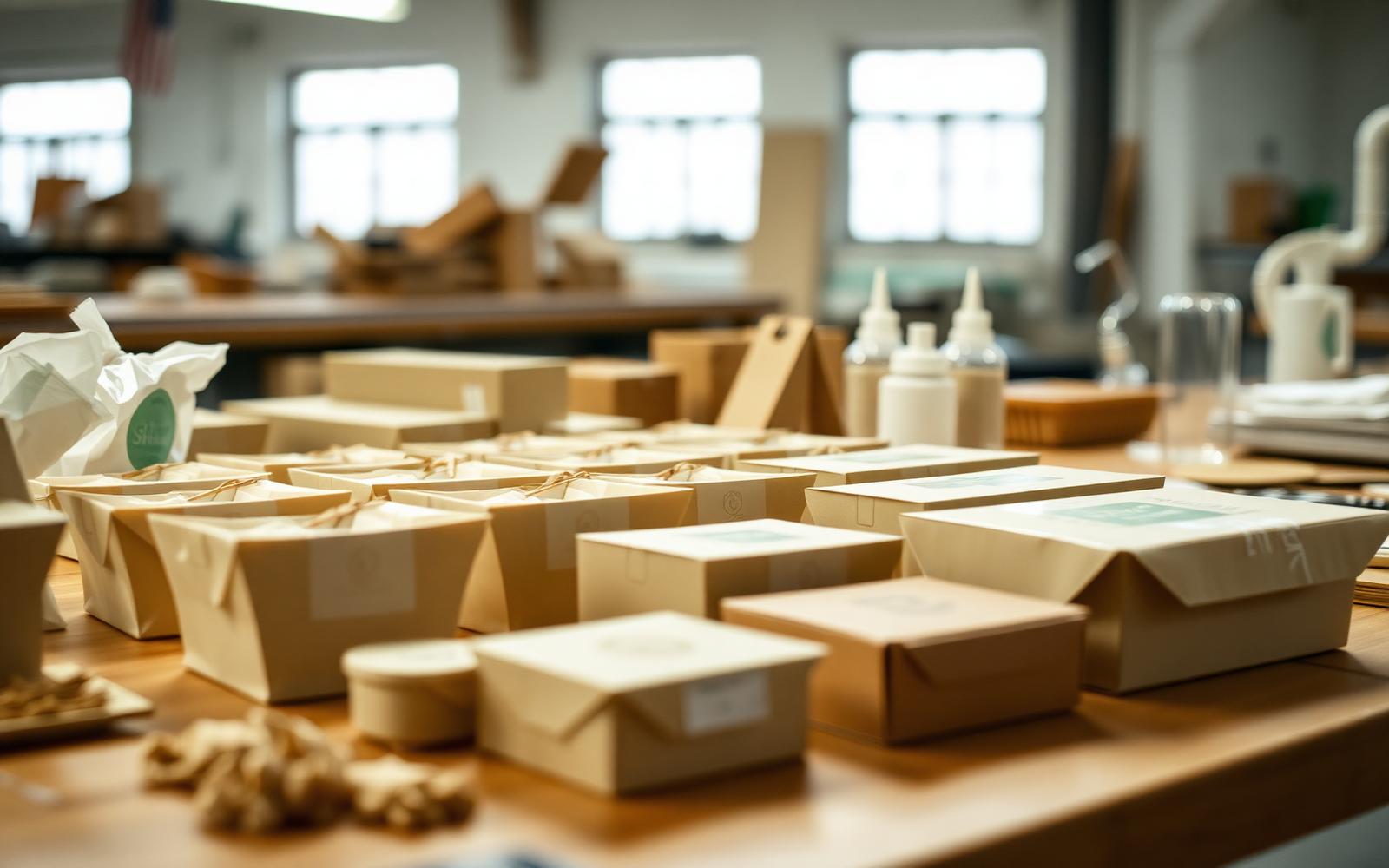
Sustainable Prototyping: Materials and Methods for Eco-Conscious Design
Explore sustainable prototyping with eco-friendly materials.
Read more: Sustainable Prototyping: Materials and Methods for Eco-Conscious Design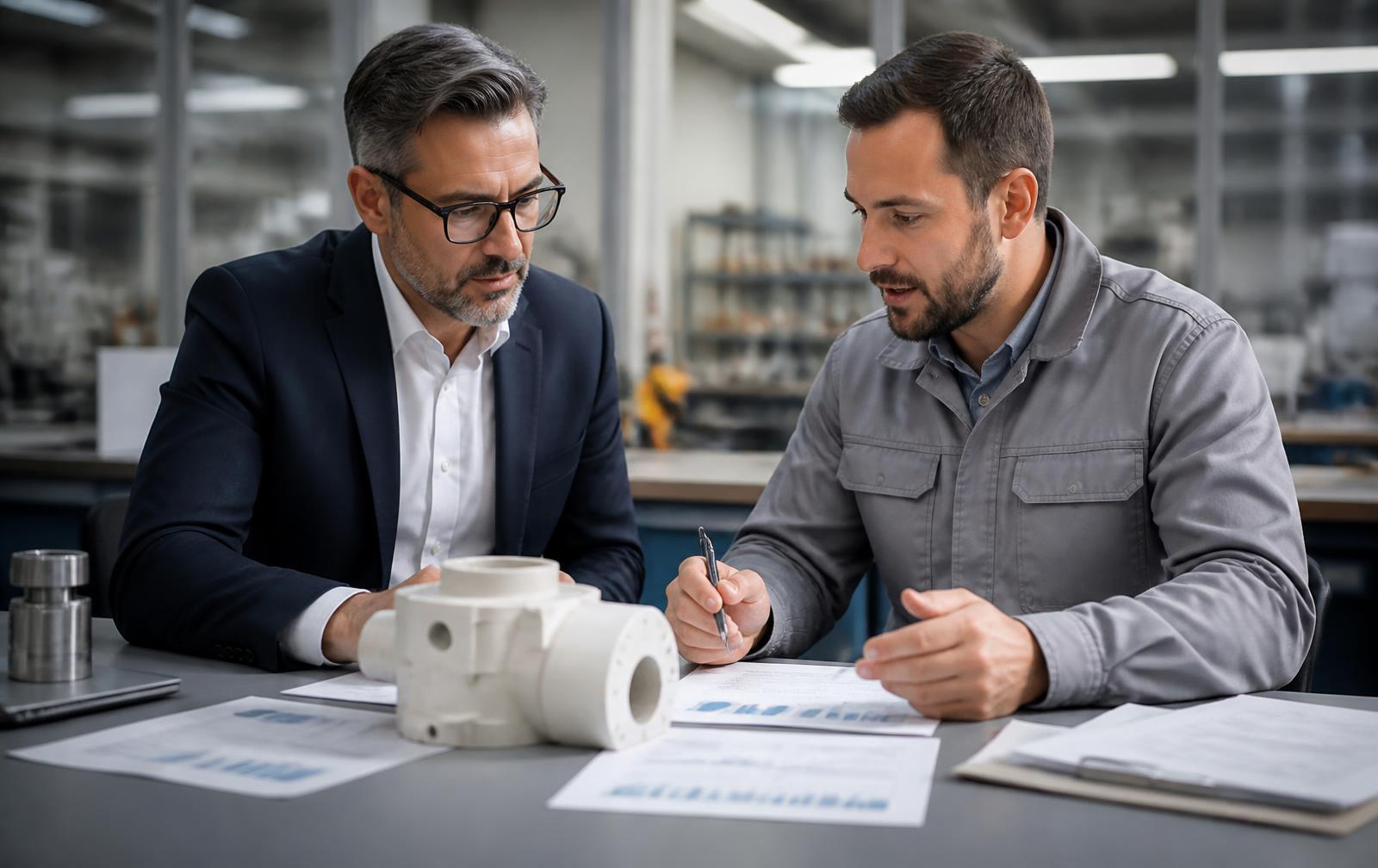
When Is the Right Time to Invest in Product Development?
Discover when is the right time to invest in product development.
Read more: When Is the Right Time to Invest in Product Development?
Bridge Tooling: Methods, Quantities and Real Costs
Bridge tooling options between prototype and production - aluminum molds, urethane casting and low-volume machining - compared on cost, lead time and quantity.
Read more: Bridge Tooling: Methods, Quantities and Real Costs
Product Discovery Process
Learn what product discovery is, how it works, key steps, questions, templates, and frameworks for digital product teams.
Read more: Product Discovery Process
Behavioral Design: Engineering How People Actually Use Products
People do not read manuals. Behavioral design accepts that and shapes the product so the correct action is the easiest one available.
Read more: Behavioral Design: Engineering How People Actually Use Products
Product Positioning: Finding the Sweet Spot Between Design, Functionality, and Pricing
Master product positioning by balancing design, functionality, and pricing to attract customers and drive growth.Ask ChatGPT.
Read more: Product Positioning: Finding the Sweet Spot Between Design, Functionality, and Pricing
Managing Design Risk: Tools for Reducing Uncertainty in Early-Stage Product Development
Steering a product from concept to market often feels like captaining a ship through uncharted waters. When you know the reefs and currents, progress is smooth. Yet, in early-stage development, uncertainty looms large: Will…
Read more: Managing Design Risk: Tools for Reducing Uncertainty in Early-Stage Product Development
Custom Machine Building: Process, Cost and Timeline
Custom machine building end to end - requirements, design, fabrication, controls, integration and acceptance testing - with cost and timeline ranges.
Read more: Custom Machine Building: Process, Cost and Timeline
Adaptive Prototyping: How to Iterate Without Wasting Resources
In a world where product lifespans shrink from years to months and customer expectations shift daily, innovation isn’t optional — it’s survival. Manufacturers, software houses, and systems engineers must launch new solutions…
Read more: Adaptive Prototyping: How to Iterate Without Wasting Resources
Engineering Design Lifecycle: From Requirements to Testing
In the 21st century, industrial design — often labeled concurrent engineering — has become an inherently collaborative and multidisciplinary pursuit. Engineers operate within teams of specialists drawn from diverse fields,…
Read more: Engineering Design Lifecycle: From Requirements to Testing
Design for Manufacturability: Turning Designs into Products
Design for Manufacturability (DFM) constitutes a critical engineering methodology aimed at optimizing the design of components and systems to ensure their manufacturability at reduced cost and complexity without compromising…
Read more: Design for Manufacturability: Turning Designs into Products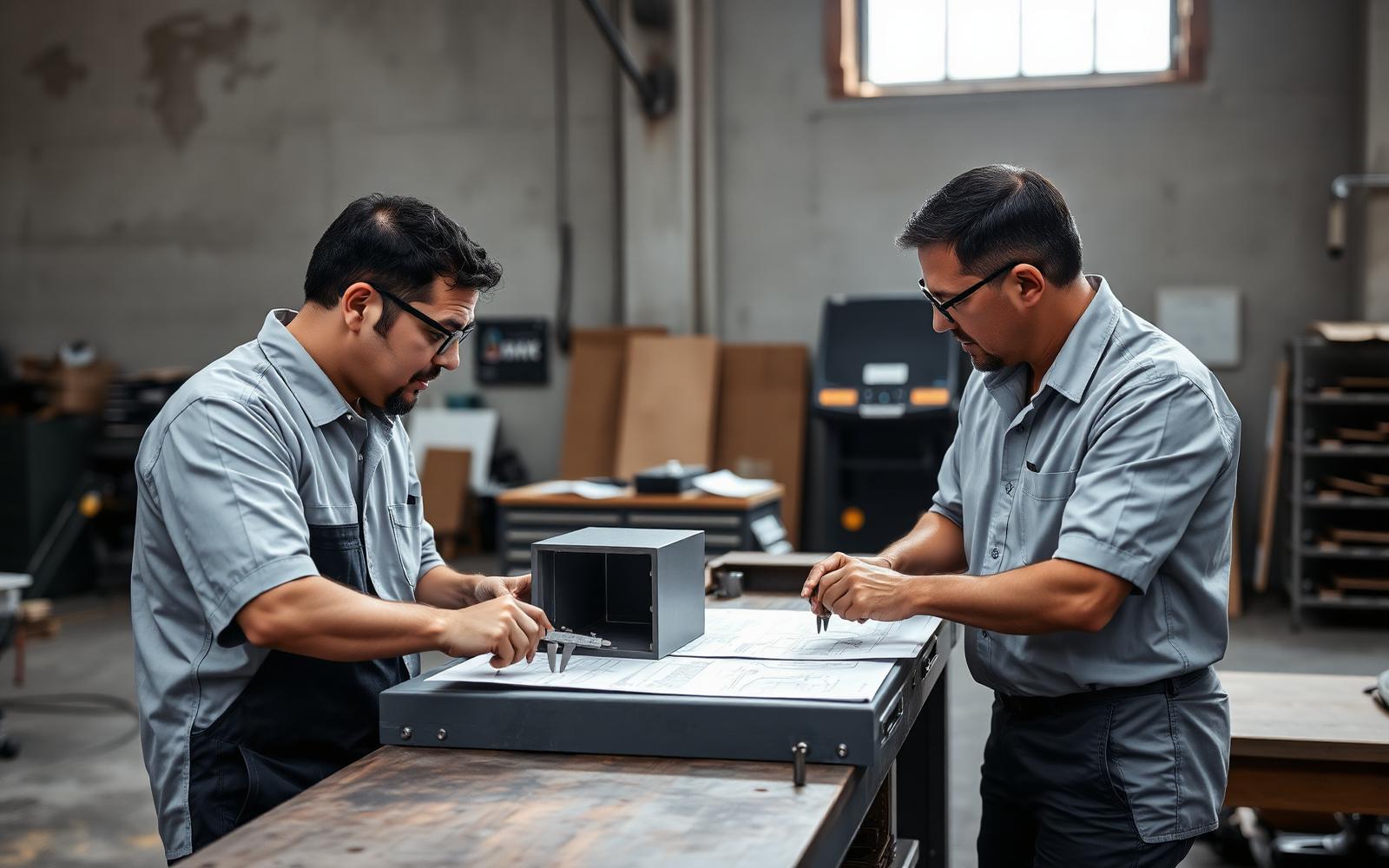
10 Engineering Design Constraints You Can't Ignore
Design constraints are not obstacles to creativity; they are the definition of the problem. The teams that write them down early ship. The teams that discover them in tooling do not.
Read more: 10 Engineering Design Constraints You Can't Ignore
Concept Design for Hardware Products: A Beginner's Guide
What happens before detailed engineering: requirements, architecture, three or more concepts, feasibility testing, and one selected concept with a written rationale.
Read more: Concept Design for Hardware Products: A Beginner's Guide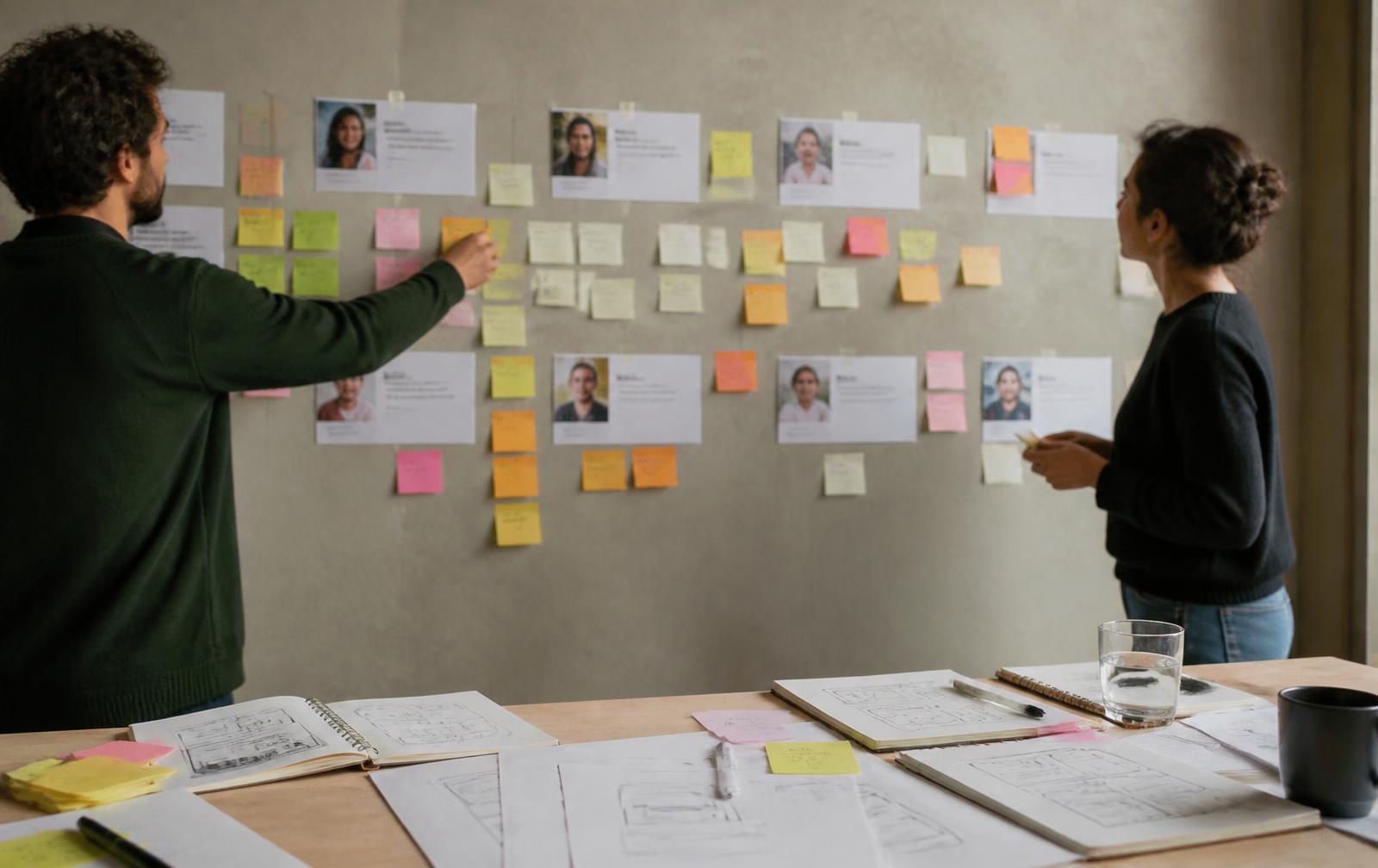
Top 5 Product Discovery Frameworks
five product discovery techniques and frameworks that can help your team uncover opportunities.
Read more: Top 5 Product Discovery Frameworks
How to Choose Between Competing Concept Designs
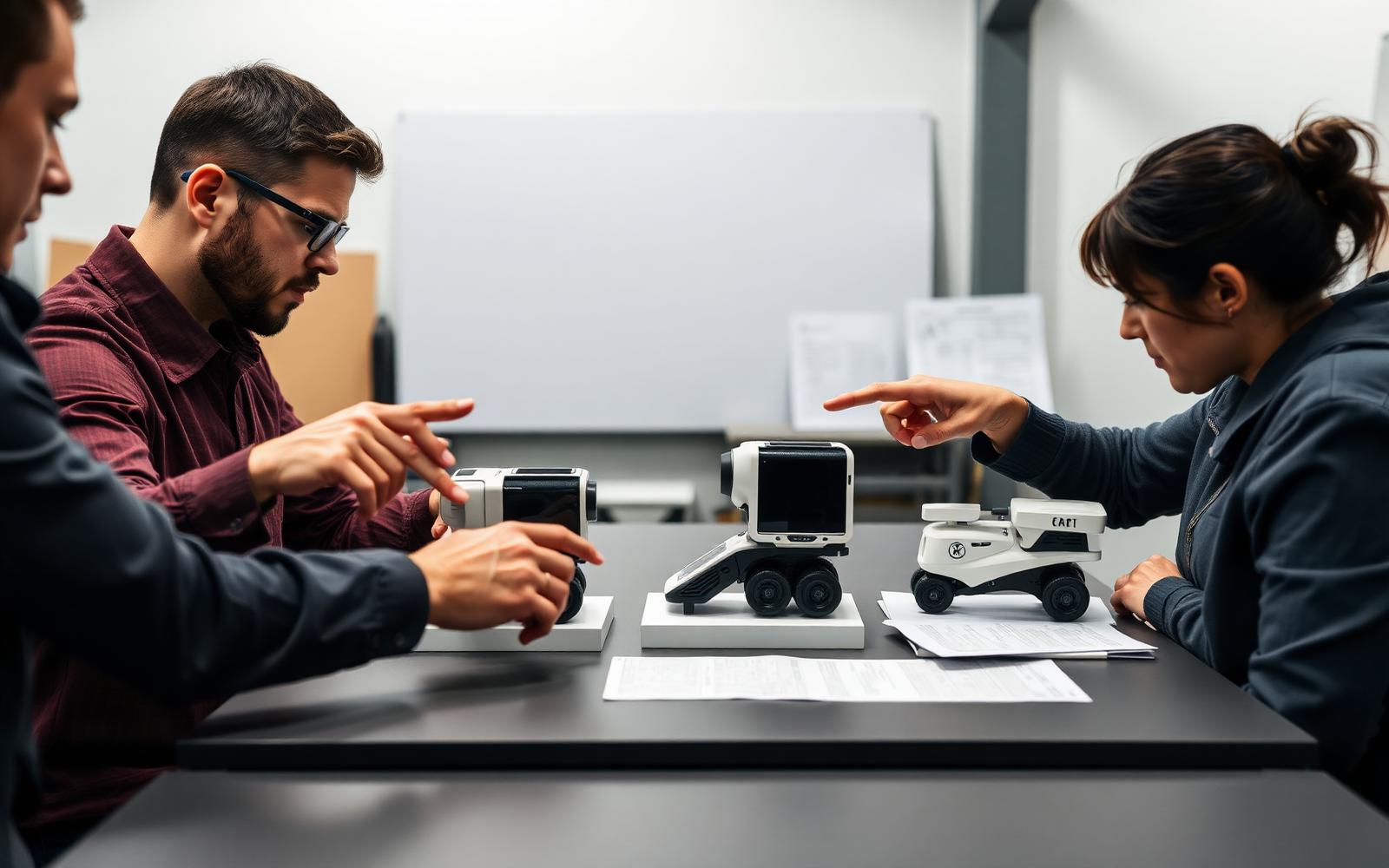
Early product development decisions—especially during concept selection—have a significant impact on the final outcome.
Read more: How to Choose Between Competing Concept Designs
Detailed Design Engineering: What It Delivers After Concept Design
What detailed design engineering delivers after concept design, and how to tell when a concept is actually ready to be engineered.
Read more: Detailed Design Engineering: What It Delivers After Concept Design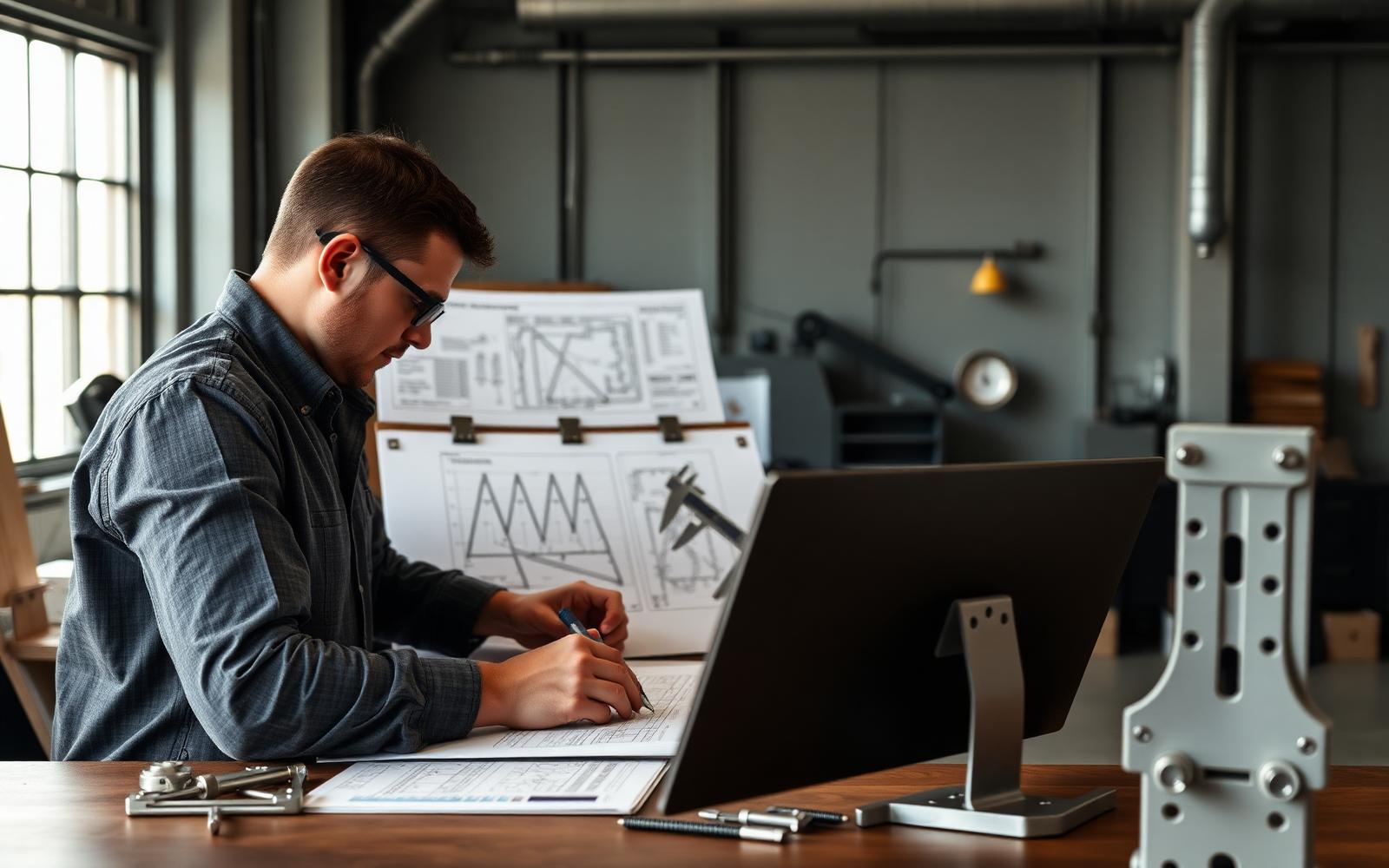
What Is Engineering Design? A Comprehensive Overview
To maintain or strengthen their position in increasingly complex and demanding markets, manufacturing enterprises must prioritize innovation. While innovation may take various forms, technological innovation stands out as a key…
Read more: What Is Engineering Design? A Comprehensive Overview
Customer Needs Analysis: How to Turn Signals Into Requirements
Most products fail because the team solved a need nobody actually had, or solved a real need badly. Customer needs analysis is the discipline that prevents both.
Read more: Customer Needs Analysis: How to Turn Signals Into Requirements
How to Prepare for a Successful Product Launch: A Checklist for Entrepreneurs
Launching a new product is both exhilarating and challenging. A saturated landscape makes differentiation difficult, and without a strong launch plan, your product risks becoming one of the many that fail annually. Your launch…
Read more: How to Prepare for a Successful Product Launch: A Checklist for Entrepreneurs
Product Concept Testing: How to Validate an Idea Before You Build It
Product concept testing puts a described or visualized concept in front of target buyers before engineering money is committed. Here are the methods, the sample sizes, the metrics that matter and what each approach costs.
Read more: Product Concept Testing: How to Validate an Idea Before You Build It
Landed Cost Calculation: How to Estimate Mass Production Costs
A working landed cost calculation for mass production - unit cost, tooling amortization, freight, duty, packaging, scrap and realistic contingency.
Read more: Landed Cost Calculation: How to Estimate Mass Production Costs
The Future of Manufacturing: 6 Shifts Reshaping How Products Get Built
AI design tools, digital twins, additive production, cobots, reshoring and sustainable materials are changing how products get built. Here is what each shift actually changes for a product team today.
Read more: The Future of Manufacturing: 6 Shifts Reshaping How Products Get Built
How to Choose the Best Material for Your Prototype
Prototype material selection is a test-design decision, not a shopping decision. Here is how to match materials to the question your prototype has to answer, with property comparisons for plastics, metals, elastomers and low-fidelity materials.
Read more: How to Choose the Best Material for Your Prototype
Additive Manufacturing Technologies: How to Choose the Right Process
The seven additive process families compared on strength, tolerance, finish and cost, with a selection method and the point where tooling becomes cheaper.
Read more: Additive Manufacturing Technologies: How to Choose the Right Process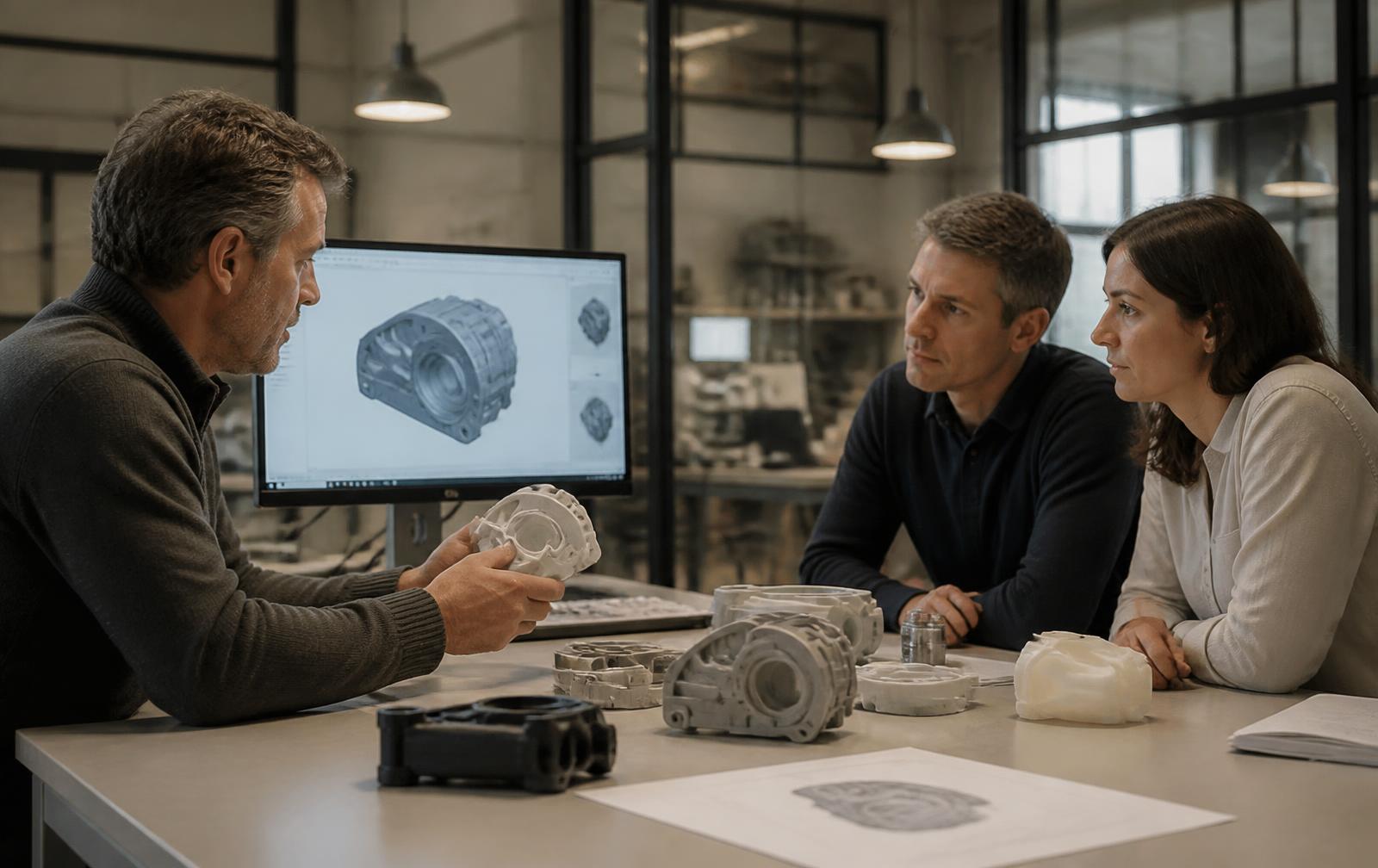
Product Development Partner: How to Choose One Without Getting Burned
The wrong product development partner does not announce itself in month one. Here is how to compare the models, read the red flags and structure the contract.
Read more: Product Development Partner: How to Choose One Without Getting Burned
Concept Testing Research: How to Validate an Idea Before You Build
Concept testing research answers one question cheaply that engineering will otherwise answer expensively: would anyone actually choose this? Here is how to run it so the answer means something.
Read more: Concept Testing Research: How to Validate an Idea Before You Build
Proven Strategies for Successfully Launching an Fmcg Product
Product design is an essential discipline that shapes the everyday objects we use and the experiences we have with them.
Read more: Proven Strategies for Successfully Launching an Fmcg Product
Securing Breakthroughs: Essential Strategies for Patenting New Innovations
A patent is a business tool, not a trophy. Patent types compared, realistic costs and timelines, disclosure traps, and how to decide when filing is actually worth it.
Read more: Securing Breakthroughs: Essential Strategies for Patenting New Innovations
Industrial Design Software: The Stack From Sketch to Production
No single tool covers industrial design. Here is the four-layer stack, what each layer is for, what it costs, and how to hand files off without losing intent.
Read more: Industrial Design Software: The Stack From Sketch to Production
Robotics Prototyping: Choosing Processes, Printers and Materials
How to match robotics prototype parts - load-bearing brackets, gearbox housings, grippers and covers - to the right process, printer and material.
Read more: Robotics Prototyping: Choosing Processes, Printers and Materials
3D Printing in Prototype Development
Five 3D printing processes, genuinely different strengths. Here is how to match process to the question your prototype has to answer, what parts cost and how to design so the print works first time.
Read more: 3D Printing in Prototype Development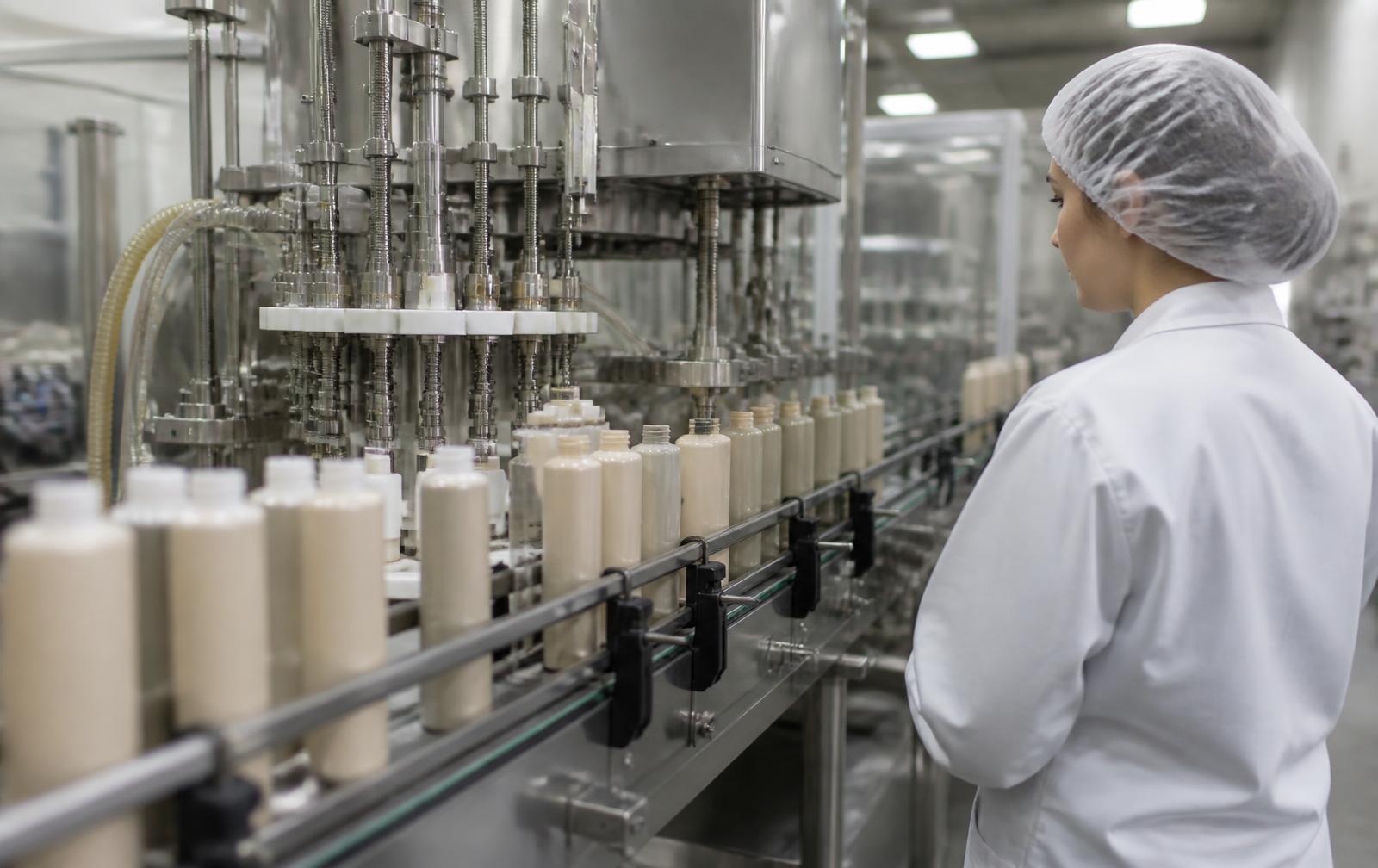
Industry Trends for 2025
Discover Product Design Trends 2025: 2025 marks the dawn of a new era, characterized by a technological renaissance that will influence our lifestyles, work, and innovations for years to come. Breakthrough brands, groundbreaking innovations, and exceptional experiences will define industry leaders. Fueled by AI, automation, and human-centered design, these trends will reshape business, technology, and society.
Read more: Industry Trends for 2025
Why New Products Fail & How Success Is Measured
Discover why many new products fail, key reasons behind failure, and how success is measured to improve product launch success rates.
Read more: Why New Products Fail & How Success Is Measured
The Impact of Product Design on Brand Identity
In today’s competitive marketplace, brand identity extends far beyond a logo or tagline — it’s about how consumers perceive and interact with your brand at every touchpoint. One of the most powerful ways to establish and reinforce this identity is through product design. Great product design reflects a brand’s values, vision, and promise to customers, influencing how they experience and remember the brand. This article explores how product design shapes brand identity, why it matters, and how companies can use design strategically to strengthen their brand.
Read more: The Impact of Product Design on Brand Identity
Design for Manufacturing Services: What to Expect and How to Buy
A buyer guide to industrial design companies: the four things worth evaluating, what each engagement stage delivers, and honest fee ranges before you sign.
Read more: Design for Manufacturing Services: What to Expect and How to Buy
Elevating Product Design Through User-Centered Design Principles
UCD is a loop with an exit condition. Here are the research methods by stage, how to convert findings into testable requirements, and what changes when the product is physical.
Read more: Elevating Product Design Through User-Centered Design Principles
Mastering the Investor Pitch: Essential Steps to Make Your Product Concept Stand Out
Learn how to deliver a compelling investor pitch that stands out. Our guide covers essential steps—from defining the problem to showcasing your team's expertise—to help secure investor confidence and bring your product to life.
Read more: Mastering the Investor Pitch: Essential Steps to Make Your Product Concept Stand Out
The Role of Prototyping and Testing in Product Design
In the world of product design, having a brilliant idea is just the beginning. To turn a concept into a successful product, a thorough process of refinement is required. This is where prototyping and testing play a crucial role. They serve as the bridge between ideation and production, enabling designers to evaluate, improve, and validate their designs before investing in full-scale manufacturing.In this in-depth article, we will explore the significance of prototyping and testing, the various methods involved, and how they contribute to creating high-quality, market-ready products.
Read more: The Role of Prototyping and Testing in Product Design
Product Design Process: The Six Steps and What Each One Produces
Product design is an essential discipline that shapes the everyday objects we use and the experiences we have with them.
Read more: Product Design Process: The Six Steps and What Each One Produces
Prototype vs MVP: Which One Your Product Actually Needs
A prototype answers whether it can work. An MVP answers whether anyone will buy it. Building the wrong one first is one of the most expensive mistakes a founder can make.
Read more: Prototype vs MVP: Which One Your Product Actually Needs
AI in Product Development: Where It Helps and Where It Fails
AI has real, measurable uses across the product development cycle, and several loudly marketed ones that do not survive contact with engineering. Here is the honest map.
Read more: AI in Product Development: Where It Helps and Where It Fails
How to Estimate Market Size for a New Product
A market size estimate is an argument, not a lookup. Here is the TAM/SAM/SOM structure, two methods, a worked bottom-up example and where to find credible inputs for free.
Read more: How to Estimate Market Size for a New Product
Product Launch Readiness Checklist for Physical Products
A 90-day launch plan for a physical product - supply, channel and marketing tracks running in parallel, with the gates that decide whether the date holds.
Read more: Product Launch Readiness Checklist for Physical Products
Manufacturing Business Ideas: Startup Costs, Margins and How to Start
Which manufacturing business ideas make sense at $5k, $50k and $250k of startup capital - equipment, margins, break-even volumes and how to start without over-tooling.
Read more: Manufacturing Business Ideas: Startup Costs, Margins and How to Start
How to Size a Market for a New Product
Two ways to size a market - top-down and bottom-up - plus the data sources, the formulas and the checks that stop a founder-friendly number from reaching your business case.
Read more: How to Size a Market for a New Product
Trademark Application Fee: What a US Filing Really Costs
A US trademark application costs $350 per class in USPTO fees, plus avoidable surcharges and separate attorney fees. Here is what drives the total.
Read more: Trademark Application Fee: What a US Filing Really Costs
Rapid Prototyping Methods: How to Pick One, Costs and Lead Times
Compare rapid prototyping methods by the question each answers - fit, function, appearance or durability - with real costs and lead times.
Read more: Rapid Prototyping Methods: How to Pick One, Costs and Lead Times
Accept Crypto Payments
LA NPDT is among first in a product development and manufacturing sector who accepts crypto payments for its services.
Read more: Accept Crypto Payments
Traits of the Best Product Development Companies
Portfolios all look alike. The traits that decide whether your program launches show up in scoping, manufacturing handoff and IP terms — here is how to check each one.
Read more: Traits of the Best Product Development Companies
Trade Shows and Exhibitions: How to Achieve the Highest ROI
Trade shows and exhibitions can offer fantastic opportunities for you & your company.
Read more: Trade Shows and Exhibitions: How to Achieve the Highest ROI
6 Warning Signs Your Invention Is In Danger of Being Stolen
Protecting your invention is one of the top things you need to care about. Read our top 6 steps to protect it.
Read more: 6 Warning Signs Your Invention Is In Danger of Being Stolen
Small Business Innovation Research (SBIR) and Intellectual Property
When do you receive SBIR grant who owns IP? Read the blog to learn more. Read all the details in our blog article.
Read more: Small Business Innovation Research (SBIR) and Intellectual Property
Invention Prototype to Production: The Steps That Actually Matter
A working invention prototype proves the idea. It does not prove the product can be made a thousand times, at a price, without failing.
Read more: Invention Prototype to Production: The Steps That Actually Matter