Design for manufacturing services that ship parts at the right cost
DFM services, design for manufacturing and assembly, DFMA, and value engineering services run by the one in-house NPD team that also prototypes, tools, and produces the part. No education tax, no coordination tax, no handoff.
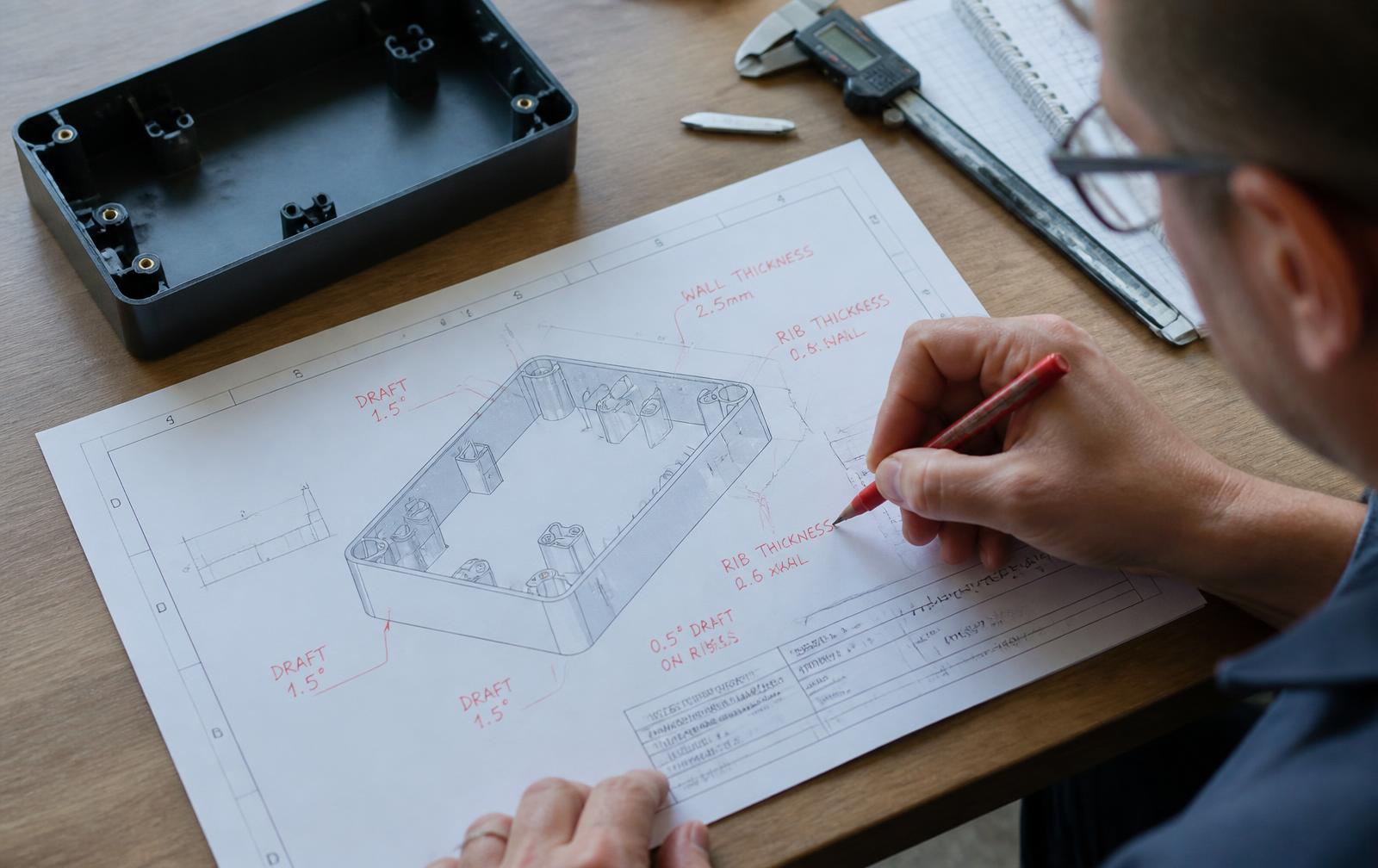
Design for manufacturing rework removes cost and risk from a design before tooling: part consolidation, wall thickness and draft, material swaps, fastener reduction and tolerance sanity. LA NPDT audits your CAD, quantifies the savings per change, and returns updated models and drawings that quote lower with the same suppliers.
Operating since 2015 1,000+ products developed DFM, DFMA, FEA, value engineering
Definition
Definition
What are design for manufacturing services?
Design for manufacturing services (also called DFM services or design for manufacturing and assembly) are the engineering work of refining a part so it performs against its requirements while costing less to make. They tune geometry, material, tolerances, and process choice against a real BOM target and a real production line.

Positioning
Positioning
DFM services from manufacturing-aware engineers, not stylists
Most studios stop at a CAD model that looks correct. The cost of that model only shows up in the first quote from the toolmaker. By then it is expensive to change anything.
LA NPDT runs design for manufacturing services alongside the part design. Material, process, draft, fastener strategy, and assembly count get debated on the workbench. Our production-grade CAD work and our in-house rapid prototyping share the same room, so DFMA services do not get thrown over a wall to a separate vendor.
You get a part that performs to spec. You also get a BOM that survives contact with production, backed by NIST guidance on manufacturing operations.
Who this is for
Who this is for
DFM services built for teams whose parts have to actually be built
Our design for manufacturing services support clients across the lifecycle, from a single problem part to a full cost-down on a shipping SKU.

Core explanation

Startup founders
Need a hardware concept engineered to a price point investors and buyers will accept.
- Concept-stage DFM
- BOM target setting
- Process selection
- Tooling-ready files

Inventors
Have a working prototype and need it re-engineered so it can actually be manufactured at volume.
- Prototype to production redesign
- Material selection
- Assembly simplification
- First-article support

Companies
Need a cost-down, a quality fix, or a re-tool on a shipping SKU without breaking the customer experience.
- Cost-down programs
- Quality root-cause
- Process re-selection
- NDA-grade IP handling

Funded teams
Need design and manufacturing engineering aligned to milestones, gross margin targets, and launch dates.
- Margin-driven optimization
- Tooling risk reduction
- Pilot-to-volume planning
- Milestone-based delivery
Core explanation
Design for manufacturing and assembly is a trade-off, not a checklist
Real design for manufacturing and assembly is not a 30-point DFM rubric stapled to a finished CAD file. It is the discipline of moving cost out, lifting performance, and pulling risk down. Every change costs something somewhere else, which is why our DFM services and value engineering services run together.
- Reduce wall thickness without losing stiffness. Validate in FEA, not by assumption
- Switch material only when the supply chain and process can carry it
- Cut part count where assembly time and warranty cost actually pay back
- Tighten tolerances where the function needs it. Loosen them everywhere else
- Pick the process (mold, machine, sheet, cast, additive) against the right volume, in line with ASME design for manufacturing guidance
Full-cycle capability
Full-cycle capability
Design for manufacturing services under one NPD roof
The handoff between design, simulation, and the shop floor is where most cost-downs die. We remove the handoff. The engineer who edits the geometry is in the room when the prototype is cut, and the same engineer is there when the toolmaker sends the first quote, so the design for manufacturing services compound instead of resetting.
- Mechanical design with manufacturing as a first-class constraint
- FEA, CFD, and tolerance stack-ups run against the production candidate
- Materials and DFMA services paired with process selection, never separate
- In-house prototyping for first-article checks and design verification
- Product design, electronic design, tooling reviews, and short-run manufacturing inside the same studio
Have a part that is too expensive, too heavy, or too fragile?
Send the file and the cost target. We will tell you what is moveable and what is not.
Process
Our design for manufacturing services process
A repeatable path from a problem part to a manufacturable, cost-effective design. Each step ends with a decision so you control scope, cost, and timeline. Click any step to expand.
01 Intake & cost map Understand where the cost actually lives. +
We build a cost map of the existing or proposed part. material, process, cycle time, fastener, assembly, so the optimization targets the right driver, not the obvious one.
Deliverable: Cost-driver map and target list.
02 Concept & feasibility Pick the right battles. +
We sketch the candidate redesigns, score them against cost, performance, and tooling risk, and pick the two or three worth a deeper engineering pass.
Deliverable: Concept comparison and ranked candidates.
03 Engineering & simulation Validate before you cut anything. +
Geometry changes are validated in FEA, CFD, or tolerance analysis against the real load case — not a generic safety factor. so the part survives the field.
Deliverable: Simulation reports and updated CAD.
04 DFM & process selection Pair the part with the right process. +
Mold flow, machining strategy, bend allowance, draft, parting lines, and fastener strategy are debated against the production volume and the supplier base.
Deliverable: DFM package and process recommendation.
05 Prototype & first article Prove it on the bench. +
We prototype the optimized part in a process-relevant way. SLA, machined, vacuum-cast, or short-run molded, and verify performance and assembly before committing to tooling.
Deliverable: First-article part and verification report.
06 Production hand-off Tooling, quality, and yield. +
The optimization travels into the tooling kickoff, PPAP-style first-article inspection, and the quality plan so the savings actually show up in the unit cost.
Deliverable: Production-ready package.
Optimize the part you intend to ship. against the process you intend to use. on the line you intend to run.
How we approach design optimization

Concept development
Concept development
Strategic thinking before strategic spending
Before any tool is cut, we ask whether the part as scoped is the right part to build at all. Most cost-downs reveal an assembly-level redesign that beats any single-part optimization — and that is the point.
Cheap kills, cheap re-scopes, and cheap consolidations are the goal of this phase. Expensive surprises in tooling are what we are here to avoid.
Prototyping
Prototyping
Real prototypes against the real process
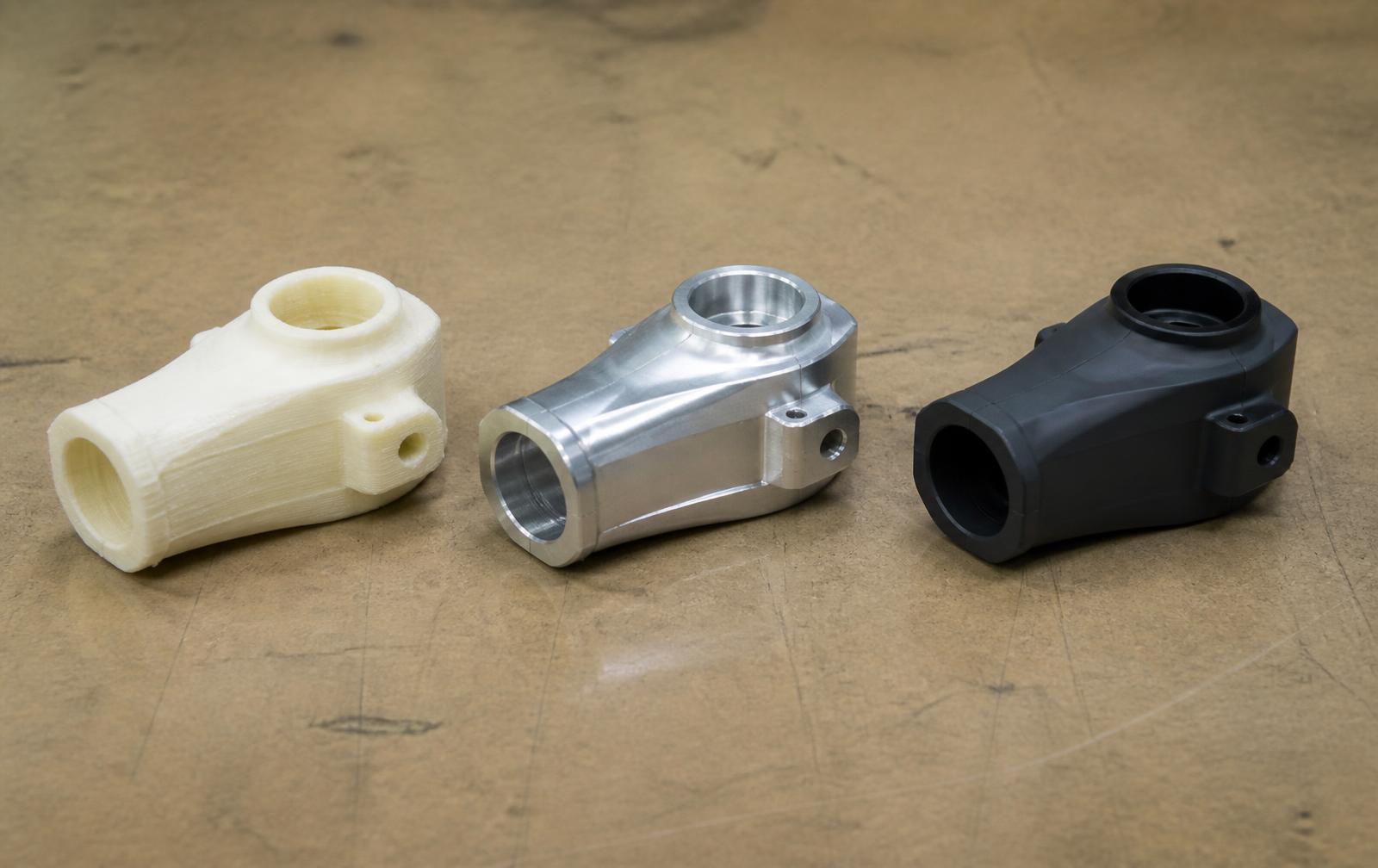
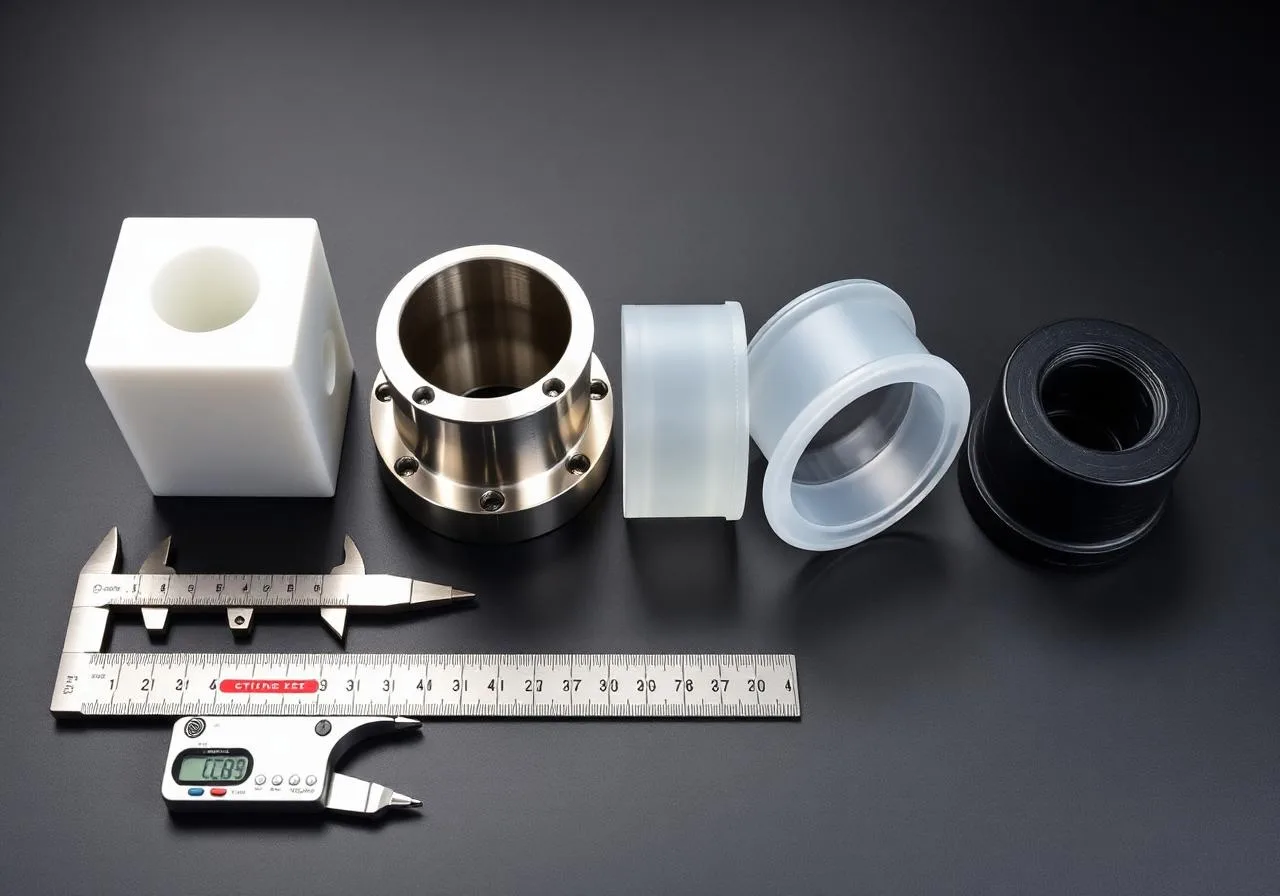
We prototype the optimized geometry in a way that looks like production, so the data is honest. SLA for fit, machined for stiffness, vacuum-cast for assembly, short-run molded for cycle and quality.
- Process-relevant prototypes, not just visual mockups
- Functional testing against the real load case
- Tolerance and assembly verification before tooling
- Iteration loops measured in days, not months
Why it's different
Why it's different
Generic DFM agency vs LA NPDT design for manufacturing services
| Area | Generic DFM checklist | LA NPDT DFM services |
|---|---|---|
| Team accountability | Separate design, DFM, and tooling vendors | Single accountable team owning CAD, DFM, prototype, and tooling |
| Education tax | Re-explain the product to every new vendor | No education tax, the same NPD team carries the brief end to end |
| When applied | After CAD is frozen | From concept onward |
| Cost analysis | Quoted by toolmaker | Modeled against BOM target with value engineering services |
| Performance | Assumed safety factor | Validated in FEA and tolerance stack |
| Process selection | Default to molding | Picked against volume and material |
| Hand-off to production | Drawing pack thrown over the wall | Same team into tooling and first-article |
| Outcome | A part that fits | A part that ships at the right cost |
One team. One brief. The geometry and the process are the same project.
LA NPDT design-to-production model
What clients say
What clients say
Optimization that actually showed up in the unit cost
Words from product leads and operators who used our engineering to take cost out and performance up.
They cut 28% out of our unit cost on a part we thought was already optimized. The redesign passed FEA on the first pass and the toolmaker quoted lower the same week.
R. Mendes Director of Engineering, Consumer hardware OEM

We had two firms tell us our bracket could not get any lighter. LA NPDT topology-optimized it, ran the FEA, and shipped a part 40% lighter that passed every drop test.
T. Whitaker VP Operations, Industrial equipment maker

Our pilot run had a 12% scrap rate. They re-engineered the parting line and the gating, ran a process-relevant prototype, and the next run came in under 2%.
L. Okafor Head of Supply Chain, Smart device manufacturer

They did not just trim the BOM. They re-scoped the assembly, killed three fasteners, and gave us a product that is faster to build and easier to service.


Funding & business support
Funding & business support
Engineering that defends a margin
An aspirational gross margin is not a margin. But a documented BOM, a validated process choice, and a tooling plan. tied to a working prototype. is the artifact that closes investors and protects the launch P&L.
- BOM and unit-cost models investors can defend
- Tooling and capex plans tied to production volume
- Quality and yield assumptions backed by first-article data
- Sourcing strategy that does not collapse at scale
Pitching? Bring engineering an investor can stress-test.
2015 Operating since
1,000+ Products developed
20-40% Typical first-pass cost-down
In-house DFM · FEA · prototyping
Why it matters
- 01What good design for manufacturing services actually get you
Done right, DFM services and DFMA services compound: cheaper to make, faster to assemble, less to warranty, easier to scale.
- 02Lower unit cost
Material, cycle time, fastener count, and assembly steps tuned against a real BOM target by value engineering services, not a wishlist.
- 03Higher reliability
Stiffness, fatigue, and tolerance stacks validated in simulation before tooling, not discovered in the field.
- 04Production-ready
Process selection, tooling risk, and quality plan all packaged so design for manufacturing and assembly savings actually land in production.
From the journal
From the journal
Related reading on design optimization
Field notes from the studio. how we run cost-downs, FEA reviews, and process selection when there is a real product on the line.
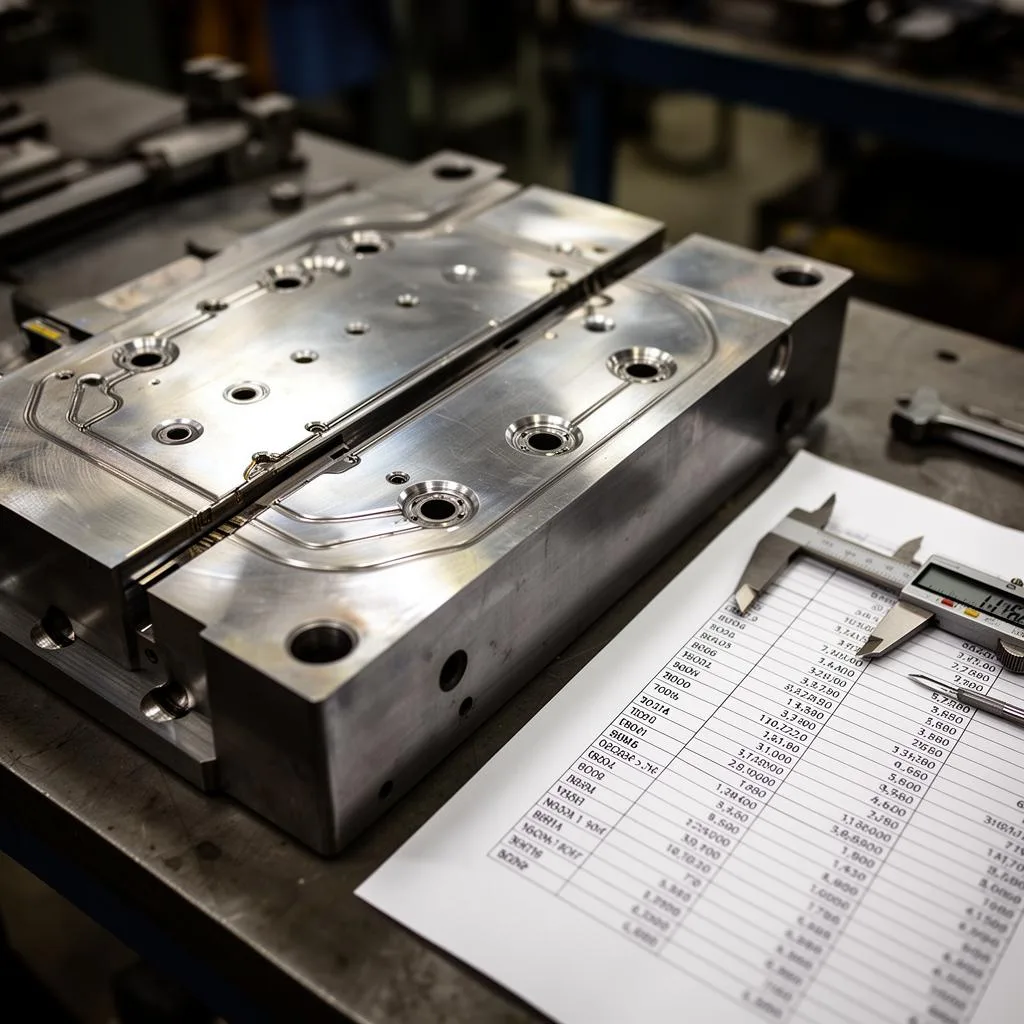
The Economics of Tooling: How Mold Design, Material Choice, and Tolerances Affect Cost
How mold design, material choice, and tolerance bands move unit cost more than most teams realize, and how to set them up so DFM services pay back across the program.
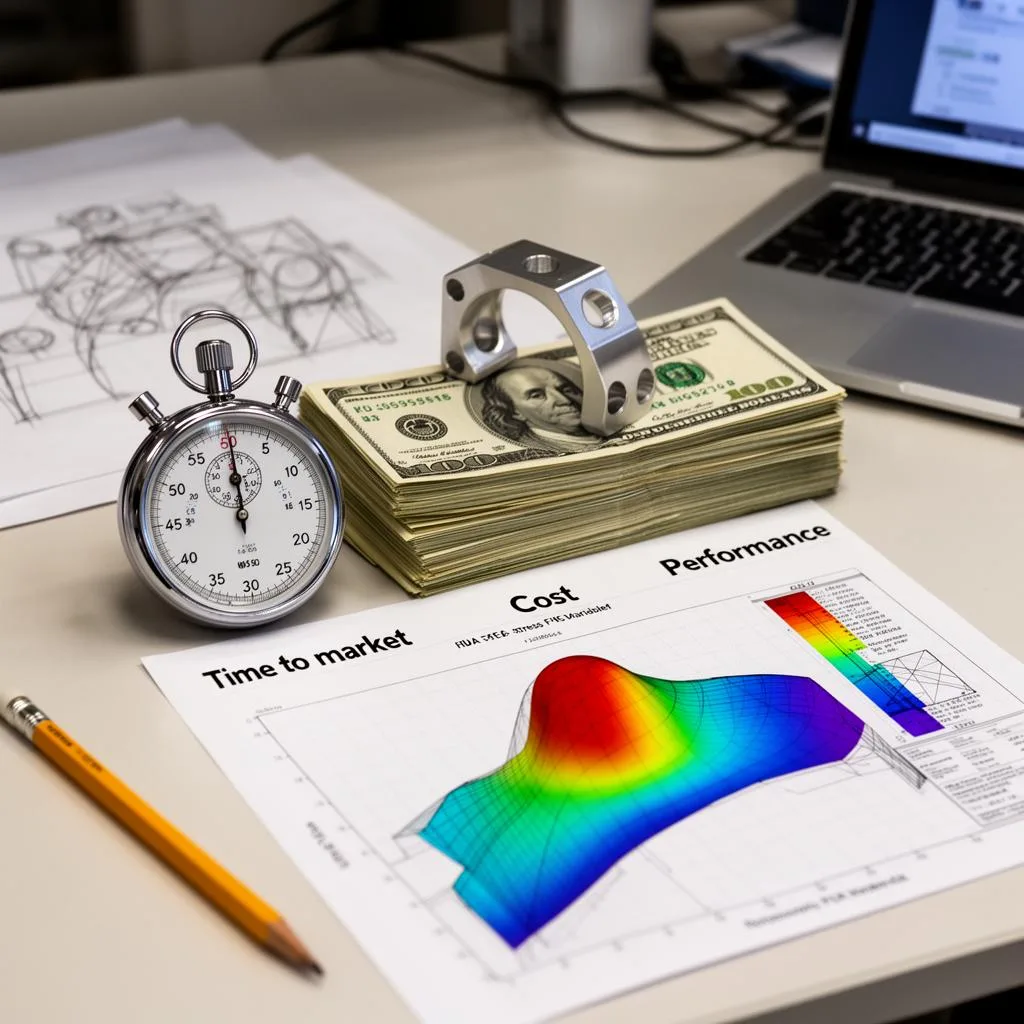
Engineering Trade-Offs: Balancing Cost, Performance, and Time-to-Market
Cost, performance, and schedule rarely move in the same direction. A working frame for making the trade-offs deliberately, in design optimization reviews, instead of by accident in production.
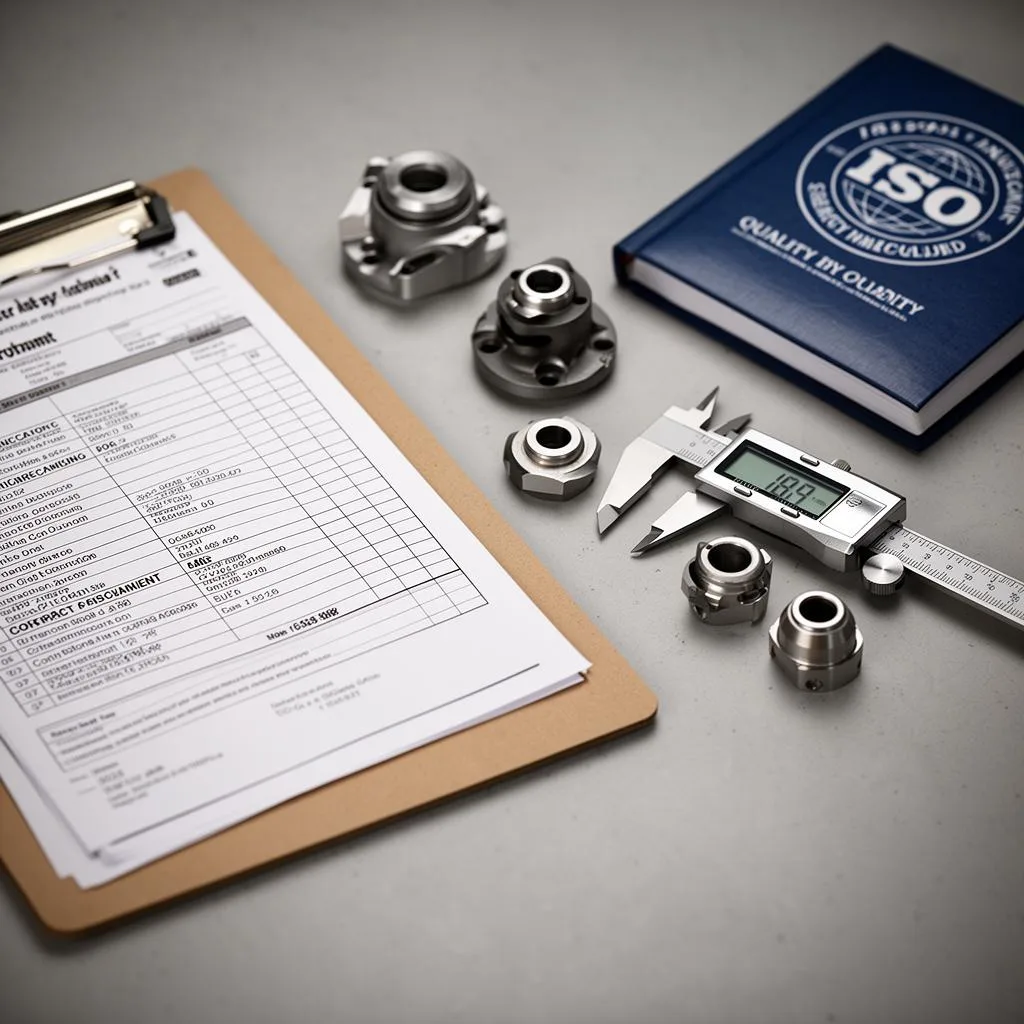
Supplier Selection Criteria That Actually Matter
Quoted unit price is the easy number. The criteria that actually decide whether DFM services and value engineering services hold up in pilot manufacturing and beyond.
Watch
Watch
Inside the studio. on video
Short walk-throughs from the LA NPDT YouTube channel on manufacturing, cost estimation, and product evaluation, the same conversations that drive a design optimization review.
Manufacturing. Professionalism. Marketing. Success.
How engineering, manufacturing, and go-to-market connect under one roof so a value-engineered design actually reaches buyers as a real, manufacturable product.
FAQ
FAQ
Frequently asked questions about design for manufacturing services
What are design for manufacturing services?
Design for manufacturing services (DFM services) are the engineering work of refining a part or product so it performs as required while costing less to make. Good design for manufacturing and assembly tunes geometry, material, tolerances, and assembly steps against real production constraints and a real BOM target.
How are LA NPDT design for manufacturing services different from a generic DFM checklist?
Generic DFM is a checklist applied late. Our DFM services run as a continuous loop, where mechanical, materials, and process engineers iterate the part against cost, tooling, and yield targets from concept onward. The result is a part that is cheaper, lighter, or more reliable on purpose, not by accident.
When should we bring in design for manufacturing services?
The earliest gain is at the concept stage, before any tooling decisions. The next big lever is at the prototype stage, before tooling is cut. DFMA services are also worth running on a shipping product when volume justifies a cost-down, a redesign for a new process, or a quality fix.
How much can value engineering services actually drop unit cost?
On parts that have never been touched by a manufacturing-aware engineer, 20 to 40 percent reductions in unit cost are common from value engineering services. On already-optimized parts, 5 to 15 percent is typical, often paired with weight, cycle-time, or quality improvements that pay back in service.
Do you handle the prototype and production runs too?
Yes. The same team running the design for manufacturing services also prototypes the part, runs first articles, and supports short-run or full production. Findings flow straight from the workbench into the tooling and quality plan instead of being thrown over a wall.
What materials and processes do your DFM services cover?
Injection molding, CNC machining, sheet metal, die casting, additive manufacturing, and overmolded assemblies. Our design for manufacturing and assembly work optimizes material selection, wall thickness, draft, parting lines, fastener strategy, and process choice together, never in isolation.
Get design for manufacturing services that pencil out
If you need design for manufacturing services that actually show up in unit cost, performance, or yield, the next step is a short DFM review tied to a real BOM target. LA NPDT delivers DFM services, DFMA services, and value engineering services under one in-house roof.
Start your projectDiscuss your concept
Sources and standards
- ISO 9001 quality management — The quality-system standard most contract manufacturers hold.
- NIST Manufacturing Extension Partnership — Federal support network for US manufacturing.
- USPTO — patent basics — Official guidance on provisional and non-provisional filings for new products.
Cost-down and optimization questions
Where does unit cost actually go on a molded product?
Usually in four places: part count, wall thickness and cycle time, secondary operations, and packaging. Consolidating two parts into one molded piece with a living hinge, or trimming a 3.0 mm wall to 2.2 mm, often saves more per unit than renegotiating with the factory ever will.
How much cost can optimization realistically remove?
On a product that was engineered once and never revisited, 15 to 35 percent of landed unit cost is a common result. On a product that has already been through a proper DFM pass, expect single digits — at that point the savings come from volume, tooling strategy and logistics rather than geometry.
Will cutting cost make the product feel cheap?
It can, which is why we separate the surfaces a customer touches and sees from the structure they never notice. Ribbing, boss design, internal wall thickness and fastener strategy are fair game. Grip texture, closing sound, perceived weight and finish quality are protected unless you explicitly trade them.
Do I need new tooling to capture the savings?
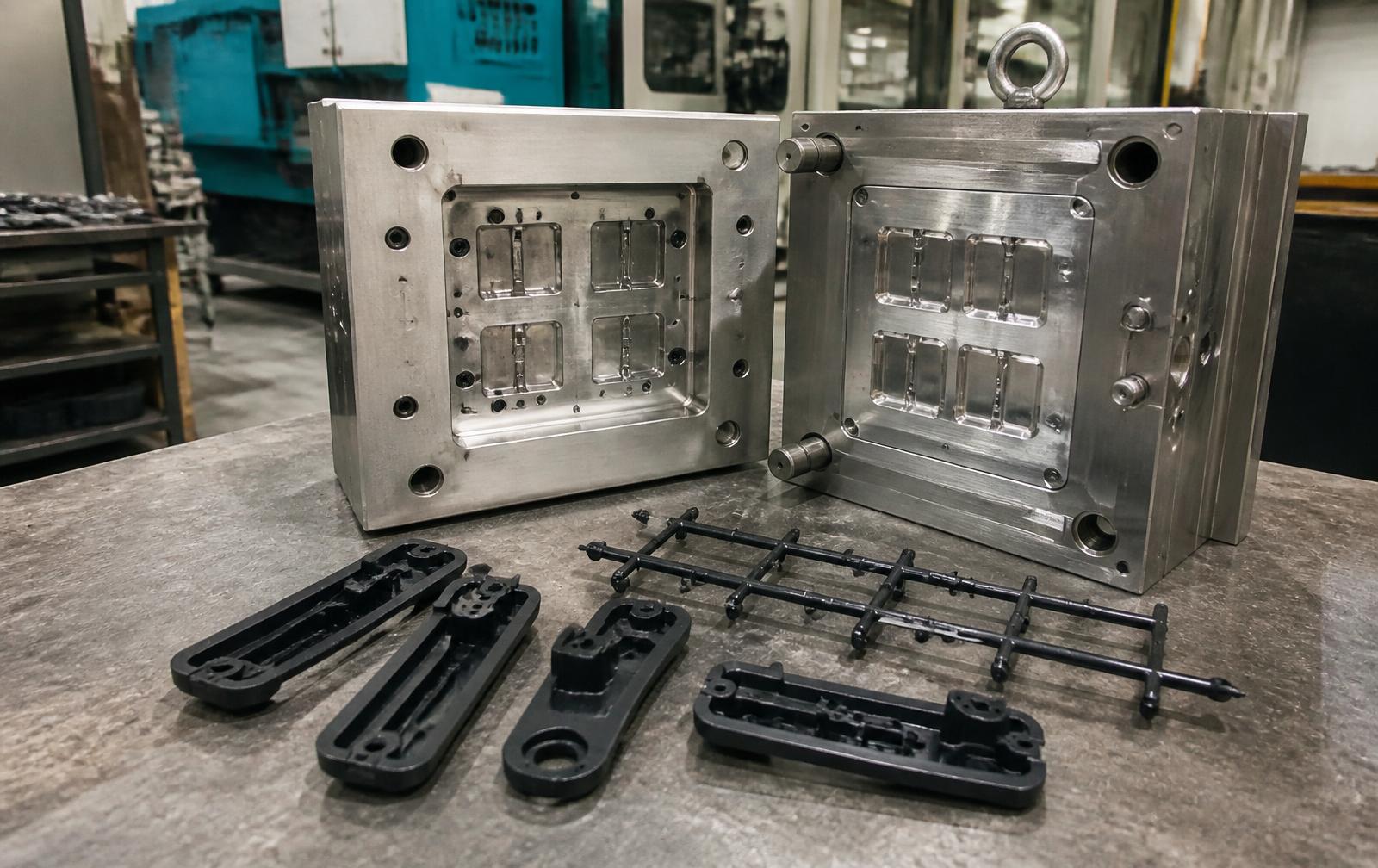
Not always. Some changes are steel-safe — you can remove material from the part by adding it to the mold. Others need inserts or a new cavity. We flag which bucket each change falls into and what the tooling amortization looks like at your annual volume, so the payback is a number and not a hope.
What does an optimization engagement cost?
A focused teardown and cost-down study on a single product typically runs $3,500 to $12,000 and produces a ranked change list with unit savings, tooling impact and risk. Implementation — revised CAD, updated drawings, sample validation — is quoted after you choose which items to take.
What founders say after working with us
“Konstantin has been so amazing and his entire team is A+. I researched and interviewed many product development companies across the country and ultimately decided on LA NPDT... and I'm so glad I did. The attention to detail and overall effort has been exactly what I needed and then some. If you are looking for a company to help you bring your product to life, look no further!”
 William EvansCEO, Burple
“This company is awesome. I run a medical device company and we required a number of accessories to be designed and built for our medical device. They delivered a polished design and printed the accessories on time using high-quality materials. I continue to work with them for all of our material needs.”
 Matteo ZiffFounder, Virtual Vision
“Partnering with LA NPDT to bring LEIA to life was a game-changer. Their blend of market analysis, design expertise, prototyping, and manufacturing streamlined my vision into a tangible solution. For medical professionals with a product idea, there's no team I'd recommend more.”
 Dr. Elena DolganFounder, LEIA Cup
Three reasons founders keep working with us
- 1
One team from sketch to shipped parts. Industrial design, mechanical and electrical engineering, prototyping and manufacturing sit under one roof, so nothing is lost in a handoff.
- 2
You own the work. Native CAD, drawings and source files are yours at the end of every phase — no lock-in, no re-buying your own design later.
- 3
Fixed scope, fixed price. Every phase is quoted up front with a deliverable list and a date. No hourly meters, no surprise invoices.
If you ever thought of developing a new product, don’t wait any longer. Talk with one of our experts today.
Tell us about your product
Send us the idea, the drawing or the problem. We reply within one business day with the next practical step.
Ready to scope the work? Get engineering support · Request a quote