Mapping Your Product’s Success – How to Develop A Product Idea Into Bottom-Line Success
Learn about product development process with LA NPDT. If you ever wondered how to develop a product idea, our new product development services will help you
May 10, 20176 min read

Written by Konstantin Dolgan, Ph.D., NPDP
Founder & CEO, Product Development Engineer
Published May 10, 2017Updated September 2, 2026
While product development is indeed a creative process, it can benefit from a process-management approach. This means that even though each product development process is unique, similarities in tasks and sequencing exist across all types of products. By working with firms that already have an established new product development process, inventors can save money.
For example, in an eight-year HBR study, companies that used process management principles in product development derived some major benefits.
They found that investing in tools that reduce bottlenecks in the process expedite speed to market. Having a plan developed, creates a freedom to focus on the more creative parts of the task.
Businesses and entrepreneurs that follows a product development plan are able to decrease the development time required by as much as 50 percent.
The Product Development Process Map
LA NPDT has developed a product development process map that reduces time to market. It also frees inventors to focus on the creative work they do best.
You identify market and intellectual property opportunities. Examine your strengths and weaknesses. Answer questions. For example
- What unmet need exists in the market?
- What product or service can I invent to meet that need?
- How can I do this better than my competitors?
Then, develop your idea further. Brainstorm products and approaches. Determine the scope of your work. Develop the criteria for which ideas will move forward and which will be dropped.
You develop a conceptual design of your product. This is typically done through illustrations or CAD models. The design functions as an illustrated description of your product. It shows what the product will look like and behave and do. The design is more abstract now. Details come later.
You assess your market with your concept in mind. Then, use focus groups, interviews, and surveys to gauge customer opinion. Try to seek answers to these questions:
- How well does this concept fulfill the unmet need?
- Does it do this better than competitors’ products do?
Once you’ve gathered the data, you analyze it. You adjust your concept based upon the findings.
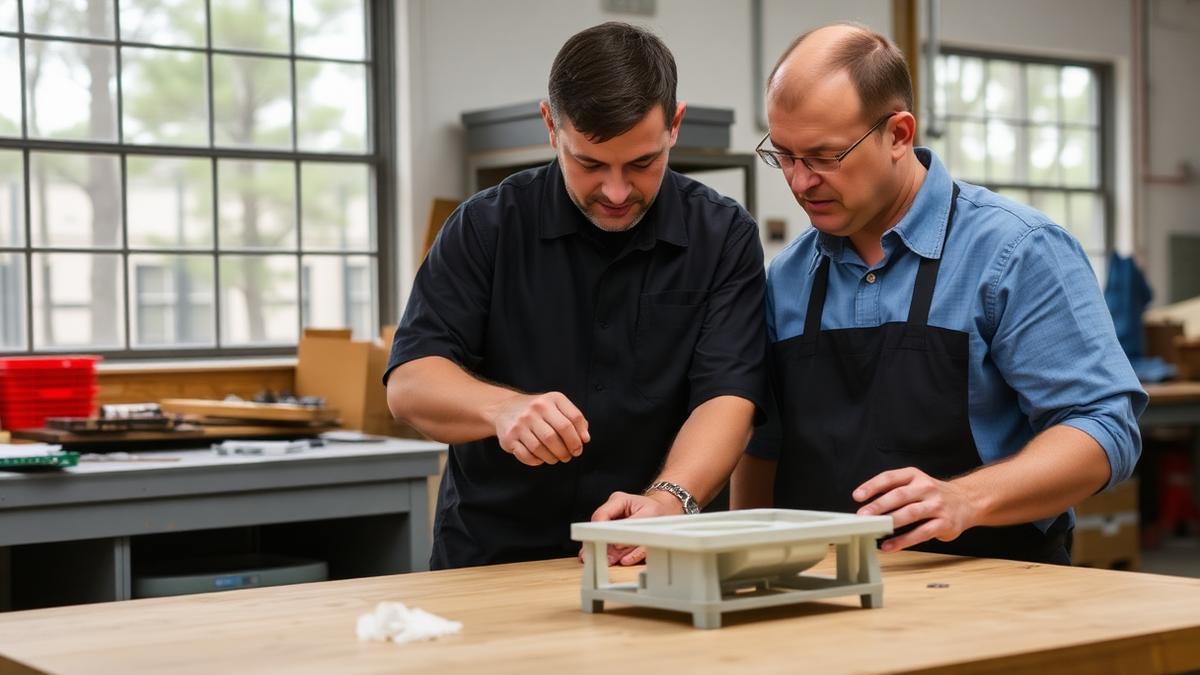
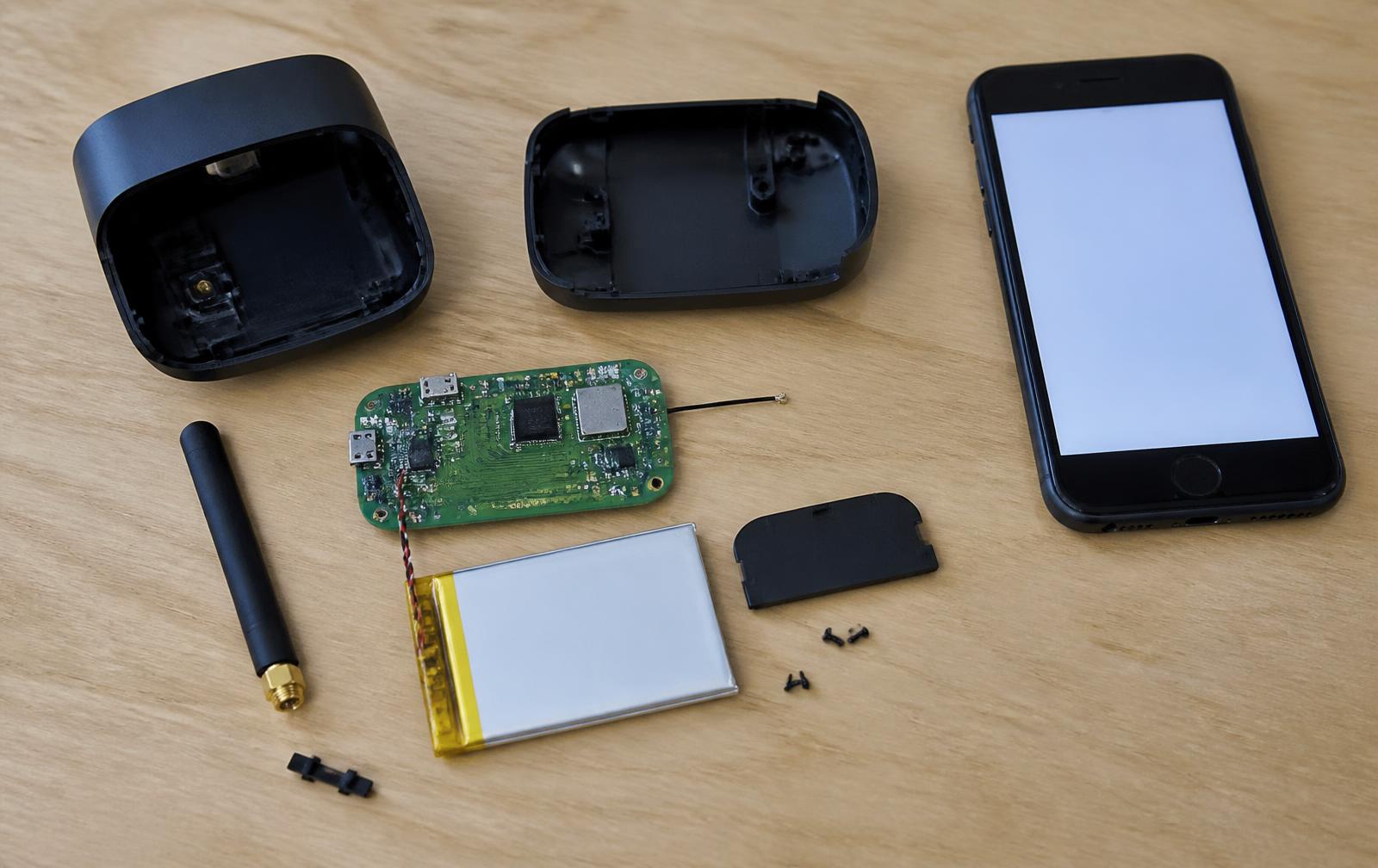
When you modified your product concept you build the product prototype or hire LA NPDT to do so. In some cases, its advisable to build a prototype prior conducting a market survey. The prototype tests the functionality, performance, and design of your product. Feedback received will be used in the final design of the product. Your concept now becomes concrete and the technical specifications are established.
IP Protection
Once your design is refined, you move to protect your intellectual property. You file paperwork with the US Patent and Trademark Office for patents, trademarks, and any other intellectual property assets. You include your drawings and product description with this application. If you believe your product will sell globally, you also seek international patent and trademark protection.
You change your product design so it can be manufactured efficiently. Then, choose which suppliers you will use. After, decide whether you will manufacture yourself or outsource or license this function.
Prepare manufacturing documentation. Plan for scaling if needed. Decide how you will fill orders for your product.
For example, will you handle distribution yourself or hire a partner to fulfill orders? If you will fulfill orders yourself, you begin to build the needed infrastructure.
In this phase, you prepare digital and physical marketing materials. This includes web sites, social media, print brochures, advertisements, and samples. It also includes press releases for the traditional media.
You develop talking points for presentations, whether for selling the product to customers or for seeking investors or those who will license your product. Also prepare talking points for traditional media. You develop a logo and slogans for your brand.
Venturing – This route is used if you seek to manufacture the product yourself and need funding
Product Development Process is a help during Funding Search
You identify potential sources of cash for marketing or making your product. Examples might be venture capitalists, startup business incubators, corporate seed funds, micro venture capitalists, and crowdfunding sites such as Kickstarter or Indiegogo. Federal and state agencies and nonprofits offer grants to inventors.
They also offer office space in business incubators. Universities also may offer grants and space. If your invention also has a strong social or charitable benefit to it, you may be eligible for grant funding as a social entrepreneur.
Manufacturing
If you have chosen to manufacture yourself, you buy the equipment you need to mass-produce and package your product. If you have decided to outsource, you work with your partner to ensure consistent quality. You or your partner will ship your product either to your own warehouse or to those of partners who will fulfill your orders.
Licensing- This route is used if you seek to license your product to another firm
Approaching Companies
You identify companies that might want to license or buy your intellectual property. Cast a wide net. Search for companies on Google, through trade associations, and in an industry list in Wikipedia. Sign confidentiality agreements with those that show promise and indicate interest. Present to those that seem the best prospects.
Terms Negotiation
You decide the value of the invention and the amount of money you want for it. You also decide what kind of deal you want. For example, do you want a buyout, which occurs when the licensee pays you a lump sum and owns the rights forever? Or do you want a royalty arrangement where the licensee makes ongoing payments to you based upon the invention’s commercial success? Once you decide, you negotiate and sign your best deal.
Our New Product Development Services Bring Your idea to Life
At LA NPDT we turn your idea into a tangible, profitable product. Our refined process is efficient and saves you money. It takes you from concept to market quickly. We use a scrum framework. This allows our highly capable team to collaborate across functions to find your best solution. Our turnkey services allow you and your team to focus on what you do best. Contact us with questions or to obtain a free product development plan.
Have a question?
Contact our experts today!
#productdevelopment #development #newproduct #newproducts #invention #concept #innovation #design #scrum
LA NPDT Product Development Process Map Stages
Stage | Description |
|---|---|
Product Discovery | Identify opportunities, examine strengths, define scope. |
Concept Design | Develop abstract illustrations or CAD models of the product. |
Market and Prior Art Research | Assess market, use focus groups, adjust concept. |
Prototyping | Build prototype to test functionality, performance, and design. |
IP Protection | File patents, trademarks, and other intellectual property. |
Design for Manufacturing | Optimize design for efficient production, plan scaling. |
Frequently asked questions
How does using a structured process for product development benefit an inventor?
Using a structured product development process can save inventors money. Companies that apply process management principles in product development may decrease development time by up to 50 percent. This approach also helps identify and reduce bottlenecks, which can expedite a product's speed to market. A plan allows inventors to focus on creative aspects.
What is the initial step in the LA NPDT product development process map?
The initial step is Product Discovery. This involves identifying market and intellectual property opportunities. Inventors examine their strengths and weaknesses, and answer questions about unmet market needs and how their product can fulfill them. The idea is then developed further through brainstorming, scope determination, and setting criteria for idea progression.
What role does prototyping play in developing a product idea?
Prototyping helps test the functionality, performance, and design of a product. Feedback from the prototype is used to refine the final design. This stage makes the product concept concrete and establishes technical specifications. In some cases, building a prototype before a market survey is advisable to gather early feedback.
What are the two main routes an inventor can take after designing for manufacturing?
After designing for manufacturing, an inventor can choose between 'Venturing' or 'Licensing'. Venturing is for those seeking to manufacture the product themselves and needing funding. Licensing involves identifying companies interested in licensing or buying the intellectual property, followed by terms negotiation.
How does LA NPDT's process help inventors with their creative work?
LA NPDT has developed a product development process map designed to reduce time to market. This established process frees inventors to concentrate on the creative work they excel at. By handling the structured management, the process allows inventors to focus on innovation and design.
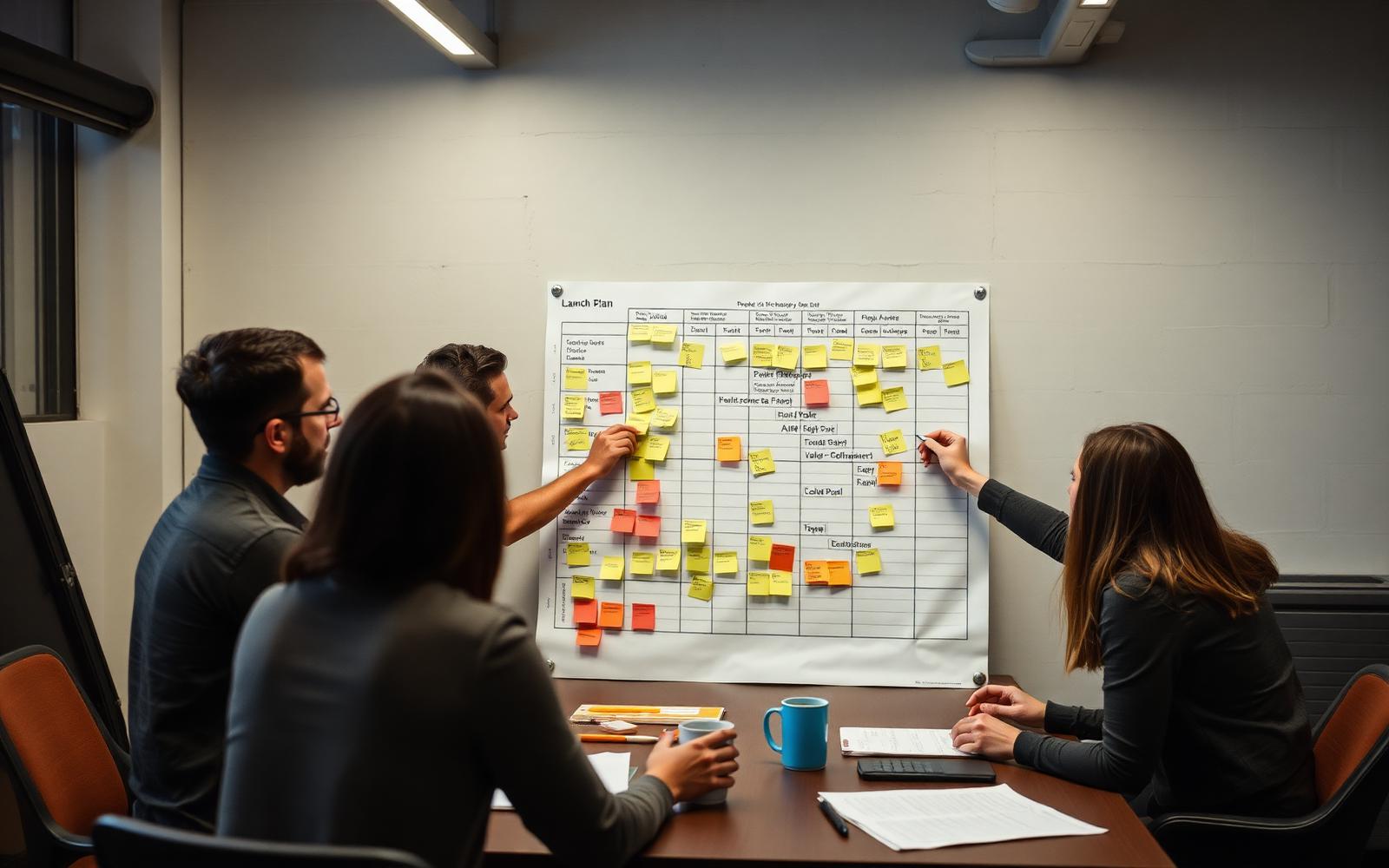
From idea to a plan that can be funded
Stage gates that keep spending proportional to evidence
Stage | Question it answers | Typical spend | Exit criteria |
|---|---|---|---|
Concept | Is there a buyer with a budget? | Under $5k | 10+ interviews, one written willingness-to-pay signal |
Feasibility | Can it physically work at a sane cost? | $5k-$25k | Working proof of principle, cost model within 25% |
Engineering | Will it survive real use and manufacture? | $25k-$120k | Design freeze, DFM review, test plan passed |
Tooling and pilot | Can the factory repeat it? | $40k-$250k | Pilot run at target yield, first-article approval |
Launch | Will it sell at the planned price? | Varies | Sell-through data from a real channel |
Costing the product before you design it
- Count parts and fasteners; every part removed removes cost twice, in material and in labor.
- Choose processes for volume: 3D printing under 500 units, urethane casting to 2,000, injection molding above.
- Design so assembly happens from one direction with no fixtures where possible.
- Standardize on catalog hardware, motors and batteries rather than custom items.
- Get real quotes at three volumes before design freeze, not after.
Proving demand without a finished product
Filed under:EducationMediaNews
Tagged:DevelopmentIdeaInventionNew ProductProduct DevelopmentProduct Development Services
Services related to this guide
- Product design servicesIndustrial design and CAD taken all the way to manufacturable files.
- Rapid prototypingWorking prototypes in days, from 3D printing to vacuum casting.
- Electronic design servicesSchematic, PCB layout, firmware and bring-up, through to production handoff.
- Product development examplesReal projects we designed, prototyped and shipped.