
How to Launch a New Product on eCommerce Platforms
When launching a new product you want to reach as much of your target audience as possible. eCommerce platforms offer you such possobility.
May 21, 202211 min read

Written by Yelena Rymbayeva, MPhil Communication & Media Studies, BTech Quality Control
Marketing & Product Leader, Technology Commercialization
Published May 21, 2022Updated September 2, 2026
It can be difficult to launch a new product on eCommerce platforms for several reasons. First, there is often a lot of competition, which can make it hard to get noticed. Second, eCommerce platforms can be complex and difficult to use, making it challenging to get everything set up correctly. Finally, there may be fees associated with using an eCommerce platform, which can add to the cost of launching a new product.
Despite these challenges, there are also several advantages to launching a new product on eCommerce platforms. First, eCommerce platforms reach a wide audience, which can help increase sales. Second, eCommerce platforms are typically easy to use, making it simple to get started. Finally, many eCommerce platforms offer a variety of features and tools that can help promote and sell products.
Overall, launching a new product on an eCommerce platform can be both challenging and rewarding. By taking the time to understand the platform and prepare for challenges, businesses can increase their chances of success.
Launching a New Product
When you’re launching a new product, there are a few key things you need to do to be sure it will be successful. Here are a few tips on how to launch a new product on eCommerce platforms.
1. Ensure your product is visible.
Be sure your product is easy to browse and find on your eCommerce platform. Use high-quality product photos and clear product descriptions to make it easy for customers to find and learn about your new product.
2. Promote your product.
Use eCommerce marketing tools such as email marketing and social media to promote your new product. Be sure to target your promotions to the right audience, and offer discounts or incentives to encourage customers to buy.
3. Get feedback and make improvements.
Be constantly monitoring your new product’s performance and collecting customer feedback. Use this feedback to make improvements to your product, pricing, and marketing strategy.
How eCommerce Is Useful for Entrepreneurs
For entrepreneurs, eCommerce is a great way to reach a wide audience and sell products online. eCommerce platforms offer many features and tools that can help businesses promote products, reach a larger audience, and make more sales. In addition, eCommerce platforms are typically easy to use, making it simple for entrepreneurs to get started.
How eCommerce Can Play a Role in Launching New Products
eCommerce can be a great way to launch new products. On eCommerce platforms, businesses can reach a wide audience and sell products easily. In addition, many eCommerce platforms offer a variety of features and tools that can help businesses promote and sell products.
There are a few different ways eCommerce can impact launching a new product. The most obvious way is through sales and marketing. By having an online presence, you can reach a wider audience with your product launch than you would be able to otherwise.
Additionally, you can use eCommerce to collect data about your customers and their buying habits. This data can be used to improve the product launch process and ensure your products are more successful.
Finally, eCommerce can also impact logistics and fulfillment when launching a new product. By using an eCommerce platform, you can automate some of the tasks associated with launching a new product, making the process simpler and more efficient.
What Is eCommerce?
eCommerce, also known as electronic commerce or online commerce, refers to the buying and selling of goods or services over the internet. eCommerce platforms allow businesses to set up online stores and sell products to customers around the world.
There are many different moving parts associated with eCommerce. These include things such as website design, development, and hosting; payment processing and security; marketing and SEO; customer service and support; and much more.
Depending on the specific requirements of your business, you may need to invest in some or all of these areas. But by understanding the different parts of eCommerce, you can better identify which aspects are most important for your business and ensure you’re making the best possible investments.
Brands that Launched Online
Some of the most successful brands today started as online-only businesses. These businesses were able to take advantage of the reach and convenience of the internet to grow quickly and become household names.
One example is Warby Parker, an online retailer that sells prescription glasses and sunglasses. The company was founded in 2010 and quickly grew to be one of the most popular online retailers. Another example is Bonobos, an online-only men’s clothing store that was founded in 2007.
These companies are proof that you don’t need a brick-and-mortar store to be successful. If you have a great product and a well-executed eCommerce strategy, you can launch a successful online business.
There are many other examples of online-only businesses that have been successful. These include companies such as Birchbox, Dollar Shave Club, and Everlane.
What these companies have in common is that they offer great products, have well-executed eCommerce strategies, and can reach a wide audience with their online presence.
If you’re thinking about launching an online business, look to these successful companies for inspiration. You can also learn from their example by studying their eCommerce strategies and applying them to your own business.
Offline Success Can Lead to Online Growth
While it’s true that some of the most successful brands today started as online-only businesses, it’s also possible to have success with a brick-and-mortar store. Many offline businesses have subsequently been able to take advantage of eCommerce to reach a wider audience and grow their business.
One example is Lululemon, a yoga and athletic wear company that was founded in 1998. The company started as a brick-and-mortar store in Vancouver but quickly grew to have stores all over the world. Additionally, Lululemon has an online store that allows customers to shop from anywhere in the world.
Another example is Sephora, a popular beauty retailer founded in 1970. Sephora started as a single store in Paris but now has over 2,000 stores worldwide. The company also has an online store that sells products to customers around the globe.
These companies are proof that you don’t need to be an online-only business to be successful. If you have a great product and a well-executed eCommerce strategy, you can reach a wide audience and grow your business.
There are many other examples of brick-and-mortar businesses that have been successful in eCommerce. These include companies such as Gap, Starbucks, and Target.
What these companies have in common is that they offer great products, have well-executed eCommerce strategies, and can reach a wide audience with their online presence.
How to Choose a B2B eCommerce Platform
There are many different eCommerce platforms available, and it can be tough to decide which one is right for your business.
When you’re choosing a platform, you need to consider your budget, your technical expertise, the features you need, and the scalability of the platform. You also need to decide whether you want a self-hosted or hosted platform.
A self-hosted platform gives you more control over your store but requires more technical expertise. A hosted platform is easier to set up and use but doesn’t give you as much control. Once you’ve decided which type of platform you want, you can start looking at specific platforms.
What Is Needed to Start Selling Online?
If you want to start selling online, there are a few things you need to do.
Choose a Product or Service to Sell
When you’re starting an online business, it’s important to choose a product or service you’re passionate about. This will help you stay motivated and focused on your business. It’s also important to choose a product or service that is in demand. This will help ensure potential customers for your product or service. Finally, you need to be certain you have the budget and resources to start and grow your business.
Build a Website or Online Store
After your website or store is created, you need to add products and start promoting your business.
You can promote your business using social media, SEO, PPC, and email marketing. You can also use traditional marketing methods, such as print ads, radio ads, and TV commercials.
Do You Need an Llc for eCommerce?
If you’re starting an eCommerce business, you may be wondering if you need to form an LLC.
An LLC is a legal entity that can help protect your assets from debts and liabilities related to your business. However, forming an LLC is not required for all businesses. For example, sole proprietorships and partnerships are not required to form an LLC.
If you’re not sure whether you should form an LLC, you should speak with an attorney or accountant who can help you understand the benefits and drawbacks of forming an LLC for your business. In general, LLCs are best suited for businesses exposed to a lot of liability, such as businesses that sell products online.
The Best Platform for Your New Products
Some popular self-hosted platforms include WooCommerce, Magento, and Shopify. Some popular hosted platforms include BigCommerce, Squarespace, and Wix.
Once you’ve selected a hosting type and specific platform, sign up for an account and set up your store. This process will vary depending on the platform you choose.
And if you will need help with designing a product launch strategy, schedule a consultation with our teamhere. about Schedule consultation la npdt
Aspects of Launching a New Product on eCommerce Platforms
Category | Challenges | Advantages |
|---|---|---|
Getting Noticed | Competition can make it hard to get noticed. | Reaches a wide audience. |
Setup & Use | Platforms can be complex and difficult to use. | Platforms are typically easy to use. |
Cost | Fees associated with using a platform. | Offers features and tools to promote and sell. |
Business Impact | Complex setup challenges. | Increases sales and reach. |
Sources and standards
- USPTO — patent basics — Official guidance on provisional and non-provisional filings for new products.
- NIST Manufacturing Extension Partnership — Federal program supporting US small and mid-size manufacturers.
- ISO 9001 quality management — The quality-system standard most contract manufacturers are audited against.
Getting the physical side of the launch right
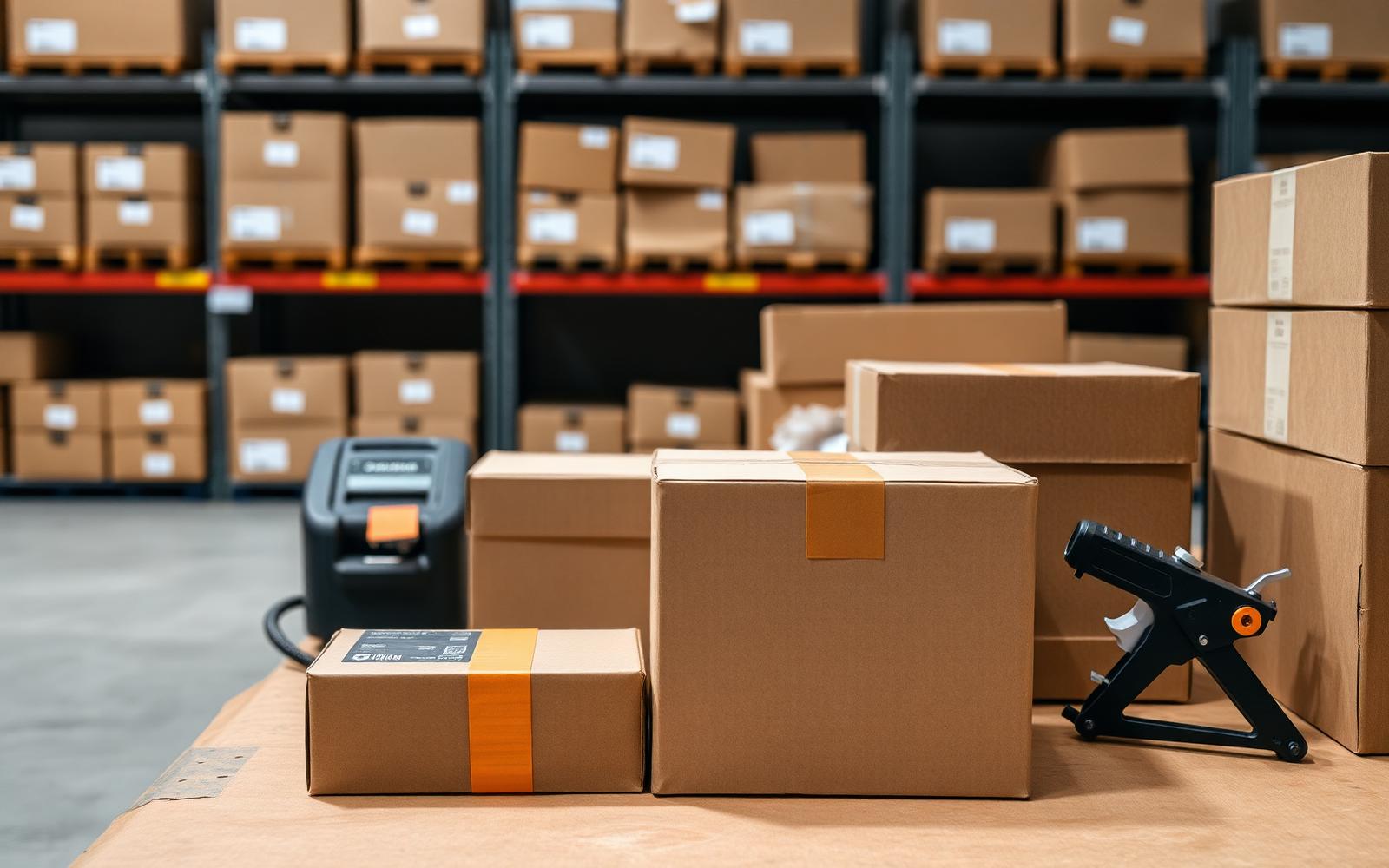
Marketplace advice usually stops at listings and ads, which is where most hardware launches actually come apart. An online launch is a logistics event before it is a marketing event.
Your listing can be perfect and your ad spend efficient, and the launch still fails because inventory arrived three weeks late, the carton failed a drop test, or the barcode was rejected at the fulfillment center.
Every one of those is preventable with a checklist and a calendar, and none of them can be fixed in the week of launch.
Work backwards from the date you want to be live. Fulfillment centers need receiving appointments and label compliance. Ocean freight needs booking weeks ahead. Photography and copy need finished production units, not prototypes, if the images are going to match what ships. A launch date that was chosen before this backward pass exists only in a spreadsheet.
Launch readiness timeline
Weeks before launch | What has to happen | Why it blocks the date |
|---|---|---|
16-20 | Production order placed, packaging print files locked | Tooling and print lead times cannot be compressed |
10-14 | Freight booked; certification and test reports in hand | Customs and marketplace compliance checks need documents |
8-10 | Production photography and video shot on real units | Prototype images create returns and listing suppressions |
6-8 | Listing copy, A+ content and keyword research complete | Indexing takes time; a listing published late ranks late |
4-6 | Inventory received at the fulfillment center, labels verified | Receiving appointments and label rejections cost weeks |
2-4 | Reviews program, pricing and coupon structure set | Launch velocity depends on early reviews and conversion |
0-2 | Paid campaigns live at low budget, tracking verified | Spending into a broken funnel wastes the launch window |
Launch blockers to clear before you spend a dollar on ads
- Compliance documents filed: FCC, CPSIA, Prop 65, UL or whatever your category demands, with the reports on hand rather than promised.
- Packaging tested, not just designed. A carton that fails transit testing produces damaged arrivals and one-star reviews in week one.
- Barcode and label format confirmed with the fulfillment provider, on a sample carton they have physically accepted.
- Enough inventory for launch plus one full replenishment cycle, so a rank improvement is not immediately followed by a stockout.
- Returns and warranty process live, including who pays return freight and what happens to returned units.
- Customer support coverage for the first four weeks, when question volume is highest and reviews are still forming.
- Analytics and attribution verified with a real test order before any paid traffic starts.
If the product itself is still in motion, our product development services take it from design to production-ready, low volume manufacturing keeps early replenishment short, and new product marketing covers the launch assets marketplaces expect.
Frequently asked questions
How much inventory should I have for an online launch?
Enough to cover the launch period plus one full replenishment cycle. If production takes six weeks and shipping takes seven, your reorder lands thirteen weeks out, so the first order has to survive that gap plus safety stock. Running out during launch is worse than overstocking slightly, because marketplace ranking rewards consistent availability and punishes the gap for longer than the stockout itself lasts.
Should I launch on my own site or a marketplace first?
Start direct if you can. You own the customer data, control the pricing, and can test messaging without a marketplace algorithm reacting to every experiment. Move to marketplaces once the listing content is refined and inventory is deep enough to sustain velocity. The exception is a product with strong existing search demand in a marketplace category, where being absent means a competitor captures the queries while you build an audience from zero.
How long does an ecommerce product launch take to plan?
For a physical product, four to five months from production order to launch day is realistic, and most of that is manufacturing and freight rather than marketing. Teams that compress it usually do so by air-freighting a first batch at a much higher unit cost. If the product is already manufactured and in a warehouse, six to eight weeks is enough to prepare listings, photography, compliance paperwork and a review program properly.
What is the most common reason online launches underperform?
Running out of stock during the first traffic spike, followed closely by listing images shot from prototypes that do not match what ships. Both are avoidable. Both produce damage that outlasts the launch: the first suppresses ranking for weeks, and the second generates returns and negative reviews that shape conversion for months.
Compare the platforms before you commit inventory
Platform choice determines your margin structure, not just your traffic. The same unit can be profitable on one channel and underwater on another once fulfilment and referral fees are applied.
Platform | Referral / transaction fee | Fulfilment | Best fit |
|---|---|---|---|
Amazon FBA | 8-15% referral | $3-$8 per unit plus storage | High-volume commodity and search-driven demand |
Shopify (own store) | 2.9% + $0.30 payment | Your own or 3PL | Brand control and margin retention |
Etsy | 6.5% + listing fee | Self-ship | Handmade, customised, low volume |
Walmart Marketplace | 6-15% referral | WFS or self-ship | Household goods, price-led categories |
eBay | ~13% final value | Self-ship | Parts, refurbished, long-tail |
TikTok Shop | ~6-8% commission | Self or fulfilled | Impulse, demo-friendly products |
Caption: fee ranges vary by category; confirm your specific category rate before modelling margin.
A twelve-week launch timeline
Week | Workstream | Deliverable |
|---|---|---|
-12 | Compliance and content | Barcodes, safety docs, category approval requests |
-10 | Photography | Main image on white, six supporting images, dimension graphic |
-8 | Listing copy | Title, bullets, A+ content, keyword-mapped backend terms |
-6 | Inventory | First shipment produced, inspected, labelled |
-4 | Logistics | Freight booked, inbound plan created, receive window confirmed |
-2 | Soft launch | Listing live at low bid, conversion measured on real traffic |
0 | Launch | Ads on, launch price active, review requests enabled |
+2 | Optimise | Search term harvest, image A/B test, price test |
+6 | Reorder decision | Sell-through vs lead time triggers second PO |
Listing requirements that decide conversion
- Main image on pure white with the product filling 85% of the frame — this drives click-through more than any copy change
- Title formula: brand, product type, key attribute, size or count, kept under the platform character limit
- First bullet answers the primary objection, not the primary feature
- Include a scale or dimension image; the top return reason in most categories is 'smaller than expected'
- Add a short demo video; it typically lifts conversion by several points in demo-friendly categories
- Fill backend search terms with unique long-tail phrases, never repeating words already in the title
- Set up a review-request flow that complies with the platform's contact rules
Inventory math for launch
Most first-time launches either stock out in week three or sit on eleven months of inventory. The safe approach is to size the first purchase order against a measured sell-through, not a forecast.
Input | How to set it | Example |
|---|---|---|
Lead time | Production plus freight plus receiving | 75 days |
Launch daily velocity | Measured over 14 days of soft launch | 12 units/day |
Safety stock | 30% of lead-time demand | 270 units |
Reorder point | Lead time x velocity + safety stock | 1,170 units |
First PO | 90 days of demand, capped by cash | 1,080 units |
What to watch in launch week
Metric | Healthy range | If it misses |
|---|---|---|
Click-through rate on search | 0.4%+ | Fix main image and price |
Conversion rate | 10-15% for established categories | Fix bullets, reviews, dimension clarity |
Advertising cost of sale | Below 35% at launch | Tighten to exact-match terms |
Review rate | 1-3% of orders | Enable follow-up requests |
Return rate | Below 5% | Investigate sizing and packaging |
Getting the product ready before the listing
Ecommerce punishes products that were not designed for shipping: oversize boxes, fragile geometry and unclear assembly generate returns that no listing optimisation can fix. We handle that upstream through design for manufacturing and packaging work as part of product engineering.
Frequently asked questions
What is an ecommerce product launch strategy?
It is the coordinated plan covering platform selection, compliance and listing readiness, inventory sizing, advertising and post-launch optimisation, sequenced across roughly twelve weeks so that traffic, stock and content go live together.
How much inventory should I order for a product launch?
Size the first order at about ninety days of demand measured during a soft launch, and set your reorder point at lead time multiplied by daily velocity plus thirty percent safety stock. Forecasting without a soft launch is guesswork.
Should I launch on Amazon or my own store first?
Amazon supplies search demand but takes 8-15% plus fulfilment fees and owns the customer relationship. Your own store retains margin and data but requires paid acquisition. Most hardware brands start on Amazon for volume validation and build the direct channel alongside.
How long does an ecommerce product launch take?
Plan twelve weeks from compliance and photography to launch day, driven mainly by production and freight lead times rather than by marketing work.
Filed under:Education
Services related to this guide
- Consumer product design firmsFirms compared for retail-bound goods: packaging, cost targets and first production runs.
- Best product design companiesDesign studios compared by scope, industry and what they hand off.
- Low-volume manufacturingFirst production runs without full injection-mould tooling.
- Product development examplesReal projects we designed, prototyped and shipped.