Why Your Invention Needs Positive Online Reviews
Wondering how to market a new product or the best way to go about it? Read this article to learn more about how to do marketing research for a new product.
October 7, 20188 min read

Written by Konstantin Dolgan, Ph.D., NPDP
Founder & CEO, Product Development Engineer
Published October 7, 2018Updated September 3, 2026
An invention is not something we encounter every day. Sometimes you stumble on an idea, and it turns out great. Most of the time, it takes deliberate effort to invent something. Once you do that, you have to prove that your invention is worth something, today or in the future, and you also have to figure out how to market a new product. Some inventions are pointless. Apart from them being cool, they may not have any meaningful societal or monetary value.
Some inventions are quite good, but their time is not yet. So, they are stuck somewhere in a locker room waiting for their time to come. There are two options for every invention; you either use it to make a marketable product or license it to someone who can. There is the other option of keeping it to yourself, which is not a smart thing to do.
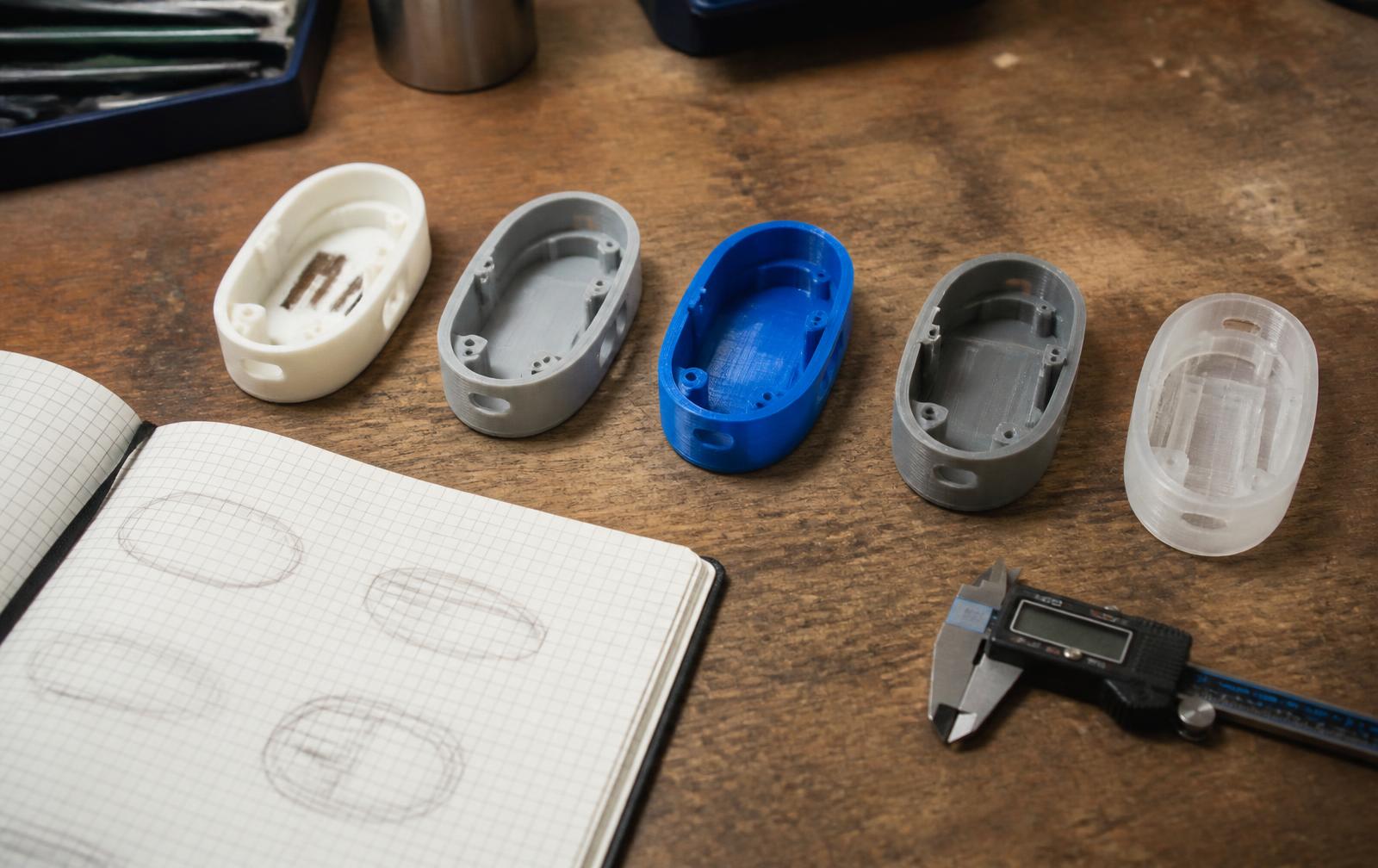
If you choose to make a product, you have to go through the whole process of product development. You need to make a functional prototype, test it in a real market, gather feedback, improve on the reported misgivings, and the cycle continues again.
Once you have a viable product, you can start a product business or devise a go-to-market strategy that starts from a product to a company. Alternatively, you can choose a simpler way, which involves proving the idea and licensing it to other companies. Either way, learning how to market a new product is vital to the entire process.
Public perception of your invention is a crucial indicator of its potential success, especially when you’re a beginner in how to do marketing research for a new product. When Facebook acquired Whatsapp for $19 billion, it did not have a clear monetization plan. Hundreds of millions of people were downloading and installing the app, which gave the invention its legitimacy and market value.
Here are the four reasons why you need to put your invention out there for people to comment.
Gives It Market Credibility
Ideas start in secrecy. However, they gain shape and acceptance before they come out. To win that acceptance, you need people to be enthusiastic about it. Give a chance to people so that they can experience the idea. If they like it, there is a high chance that it is worth something to someone.
Developing inventions into products is a costly process that requires external funding. Angel investors, venture capitalists, accelerator companies, and other people are important to factor in to your plan for how to do marketing research for a new product. Most of them insist on seeing your market. Entrepreneurs prefer to do that quietly. However, providing a platform where people can review your product can be the game-changer.
Improves Marketability of the Resulting Product
Sometimes you don’t have to make a product for you to go public with your idea. Some people make a pitch for a product, and they use it to fundraise. Crowdfunding sites offer passive positive reviews of ideas every day. All you have to do is to develop the invention fully in a way that will appeal to an audience. If you can sell a product-idea before you even make it, it is better than positive reviews online.
Marketing your invention before developing the product can be risky especially if you have not patented it. Even if your intellectual property is protected, if you are not able to profit from the product through licensing or producing a product, you may give other people an idea that they can develop on their own.
If you know how to do marketing research for a new product, you will provide the public an opportunity to share with other people, and you can use the information to make a market decision. You can use the online buzz to negotiate better deals.
Patent Hawks Tend To Keep Off Well-Marketed Inventions
Working inventions are rare, and only a few of them have enough value to attract patent aggressors. Those that are valuable have to ward off consistent and elaborate infringement. However, when you have a barrage of positive public reviews, it is an indicator that even if you don’t have deep pockets to fund a “see you in court” threat, you will have no problem convincing a law firm to represent you on a contingency basis.
It Helps You Connect With Your Customer Base
Connecting with customers is imperative when figuring out how to market a new product. Receiving hundreds, sometimes thousands, of customer or potential customer information is not a bad thing. However, your ability to turn every negative comment into a positive one is critical. You can use review management software to manage your reviews, but don’t substitute it for a comprehensive CRM strategy.
Conclusion
Negative and positive reviews will come whenever you expose people to inventions. Managing the reviews so that every review turns out to be positive is dependent on the quality of your discovery and the effort you put into developing it.
Ready to get your invention off the ground? Need help plotting out your development process or learning how to market a new product? Find out how our experts can help you at each step of the way so you can feel confident in how to do marketing research for a new product.
Options for an Invention
Option | Action |
|---|---|
Make a Product | Go through product development, functional prototype, testing, gather feedback, improve. |
License It | Prove the idea and license it to other companies. |
Keep it to Yourself | This is not a smart thing to do. |
How to Market a New Invention Before the First Unit Ships
Knowing how to market a new invention is mostly a sequencing problem. Inventors usually spend money on awareness long before they have anything a buyer can evaluate, then run out of budget in the month the product finally becomes orderable. The sequence below flips that. It spends almost nothing until there is a working prototype, then concentrates budget in the eight weeks around availability, when reviews, search demand and retail interest all compound.
A 90-Day Pre-Launch Sequence
Window | Activity | Deliverable | Typical spend |
|---|---|---|---|
Day 1-15 | Positioning and claim set | One-sentence promise, three provable claims, competitor price map | $0-500 |
Day 16-35 | Proof assets | Photos and a 45-second demo of the working prototype | $800-3,000 |
Day 36-55 | Seed reviewers | 15-30 target users under NDA-free trial, structured feedback form | $500-2,000 |
Day 56-75 | Search and listing groundwork | Landing page, product schema, retailer or marketplace copy | $500-1,500 |
Day 76-90 | Availability push | Review publication, press and paid retargeting to warm traffic | $2,000-10,000 |
The seeding window matters more than the paid window. Reviews written by people who used the product for two weeks read differently from reviews written after two hours, and marketplaces weight review velocity in the first 30 days of availability. Thirty honest reviews at launch outperform a five-figure ad budget pointed at an empty listing.
What a Review Program Should Actually Collect
- Use context: where the product was used, how often, and what it replaced.
- One measurable outcome the user noticed (time saved, force reduced, cost avoided).
- The single most confusing moment during unboxing or first use.
- A yes/no on whether they would pay the planned price, and their own number if not.
- Photos taken by the user, which convert better than studio shots on marketplace listings.
- Any failure, however small - a broken clip found in seeding is 100x cheaper than one found in the field.
Budget Allocation by Channel
Channel | Share of launch budget | Best used for | Leading indicator |
|---|---|---|---|
Reviewer seeding and sampling | 25% | Credibility and copy source material | Completed structured reviews |
Content and search | 20% | Long-tail demand that compounds | Impressions on non-brand queries |
Paid retargeting | 20% | Converting warm traffic | Cost per add-to-cart |
Trade or niche press | 15% | Buyer and distributor attention | Inbound wholesale inquiries |
Photography and video | 15% | Every other channel depends on it | Listing conversion rate |
Contingency | 5% | Reprints, corrections, restock ads | - |
Two rules keep this honest. First, do not buy awareness for a product a visitor cannot order within a week; the traffic will not come back. Second, treat negative pre-launch feedback as a schedule input, not a marketing problem. Inventors who fix the clip, the manual and the pricing tier before launch spend far less on damage control after it.
Frequently asked questions
Why is public perception important for an invention?
Public perception is a crucial indicator of an invention's potential success. It helps establish market credibility, which is vital when seeking external funding from investors. Public enthusiasm can prove an invention's worth, and reviews can demonstrate market demand. This is especially useful for those new to marketing research for a new product, providing legitimacy and market value for inventions.
How do online reviews improve an invention's marketability?
Online reviews can improve marketability by demonstrating public interest and enthusiasm. Crowdfunding sites offer a platform for passive positive reviews of ideas. Selling a product idea before it is made, through pitches or crowdfunding, is better than just positive reviews. This public interaction can also provide valuable information for market decisions and negotiate better deals.
Can online reviews help protect an invention from patent infringement?
Yes, a barrage of positive public reviews can deter patent aggressors. While working inventions are rare, valuable ones attract infringement. Public reviews indicate strong market backing. Even without deep pockets for legal action, strong public support can convince a law firm to represent an inventor on a contingency basis, helping to ward off consistent and elaborate infringement threats.
How can an inventor connect with their customer base through reviews?
Connecting with customers is imperative for marketing a new product. Reviews offer an opportunity to receive hundreds or thousands of customer or potential customer insights. While review management software can help, the ability to turn negative comments into positive ones is critical. This process helps inventors understand and engage with their customer base effectively.
How to market a new invention before you have a product
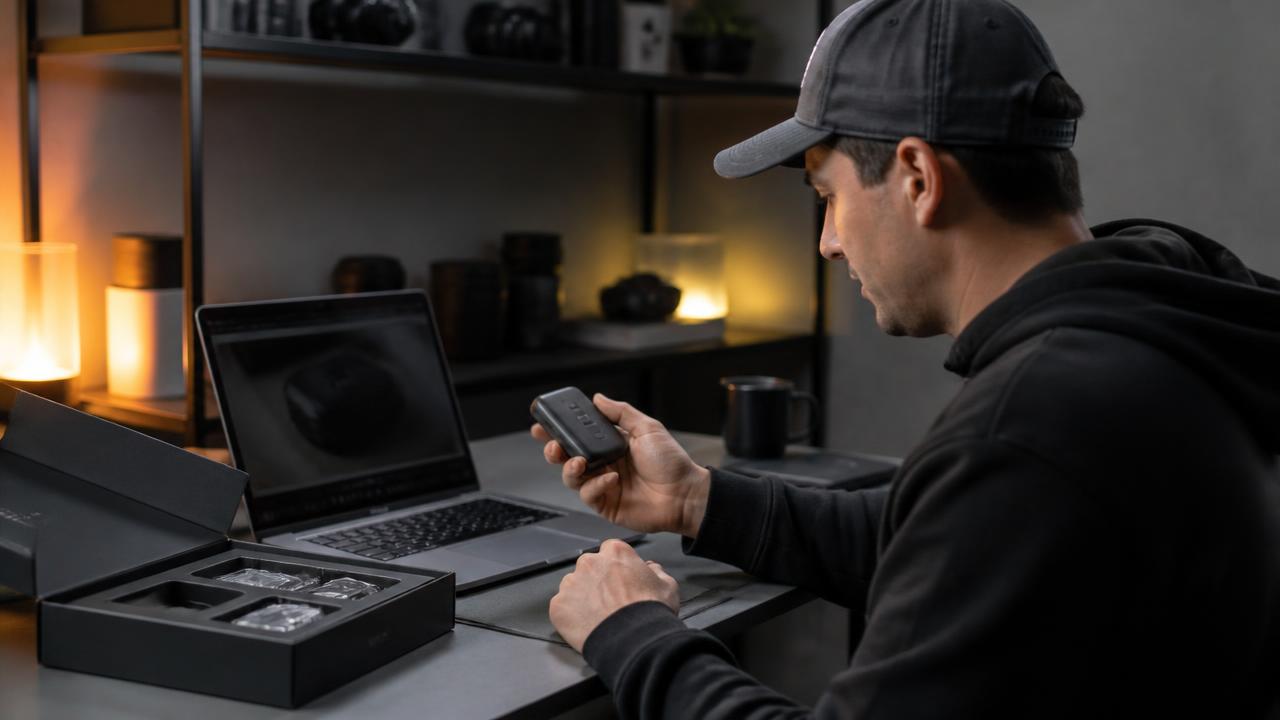
Marketing an invention is not the same problem as marketing a product. There is no inventory, often no final price, and the strongest asset you have is evidence that people want it. Every activity before launch should produce one of two things: proof that demand exists, or an audience you can sell to on day one. Anything else is decoration.
Channel options compared
Channel | What it proves | Cost to test | Time to signal | Risk |
|---|---|---|---|---|
Landing page + paid traffic | Whether the value proposition converts strangers | $500-$3,000 | 1-2 weeks | Low; discloses concept publicly |
Crowdfunding campaign | Willingness to pay real money before delivery | $5k-$50k with video and ads | 6-10 weeks | High; full public disclosure and delivery obligation |
Trade show or industry event | Buyer and distributor interest | $3k-$20k per show | Days | Medium; disclosure risk without filing |
Pilot customers under NDA | That the product solves the problem in real use | Cost of units only | 4-12 weeks | Low; no public disclosure |
Licensing pitch to manufacturers | Whether an incumbent values the IP | Low, mostly time | 3-9 months | Low with filings in place |
Reviewer and creator seeding | Third-party credibility and organic reach | Cost of units plus coordination | 2-6 weeks | Medium; negative reviews are permanent |
Caption: pre-launch channel options ranked by what each actually tells you.
Pre-launch checklist
- File a provisional application before any public page, show or campaign goes live.
- Decide the one metric that defines success for each test — signups per 1,000 visits, pledge conversion, buyer meetings booked.
- Prepare a demonstration that survives contact with a skeptic; a static render is not proof.
- Seed reviews only with units that represent production quality, not early prototypes.
- Have a response process for negative reviews before you have any.
- Collect an email list from day one; it is the only audience you own.
- Confirm claims you make are testable — regulated categories punish marketing language.
- Line up manufacturing lead times before generating demand you cannot fill.
The most common failure is generating genuine demand and then taking nine months to ship, which converts enthusiasm into refunds. Sequence marketing behind a manufacturable design: our design for manufacturing and rapid prototyping work exists to make the launch date credible, and product discovery tests demand before you spend on tooling.
Frequently asked questions
How do you market a new invention without a finished product?
Test demand with the cheapest credible artefact — a landing page with a clear value proposition, a working demonstration video, or pilot units with a handful of real users. The goal is a measurable conversion number, not exposure.
Is it safe to publicise an invention before it is patented?
Only after a provisional application is on file. The US allows a one-year grace period following the inventor's own disclosure, but most other jurisdictions treat any public disclosure as destroying novelty, so filing first preserves international options for a few hundred dollars.
How many reviews does a new product need to be credible?
On most marketplaces, credibility begins somewhere around 15-25 reviews with a rating above 4.0. Below that, buyers discount the average heavily. The first dozen matter far more than the next hundred.
Should an inventor license the invention or market it themselves?
License when the category is dominated by a few manufacturers with existing distribution and your advantage is the IP itself. Build the company when the channel is reachable directly, margins support it, and the product is the first of a family rather than a one-off.
Filed under:Education
Tagged:MarketingOnline ReviewsProduct DevelopmentProduct Marketing
Services related to this guide
- Product design servicesIndustrial design and CAD taken all the way to manufacturable files.
- Rapid prototypingWorking prototypes in days, from 3D printing to vacuum casting.
- Electronic design servicesSchematic, PCB layout, firmware and bring-up, through to production handoff.
- Product development examplesReal projects we designed, prototyped and shipped.