
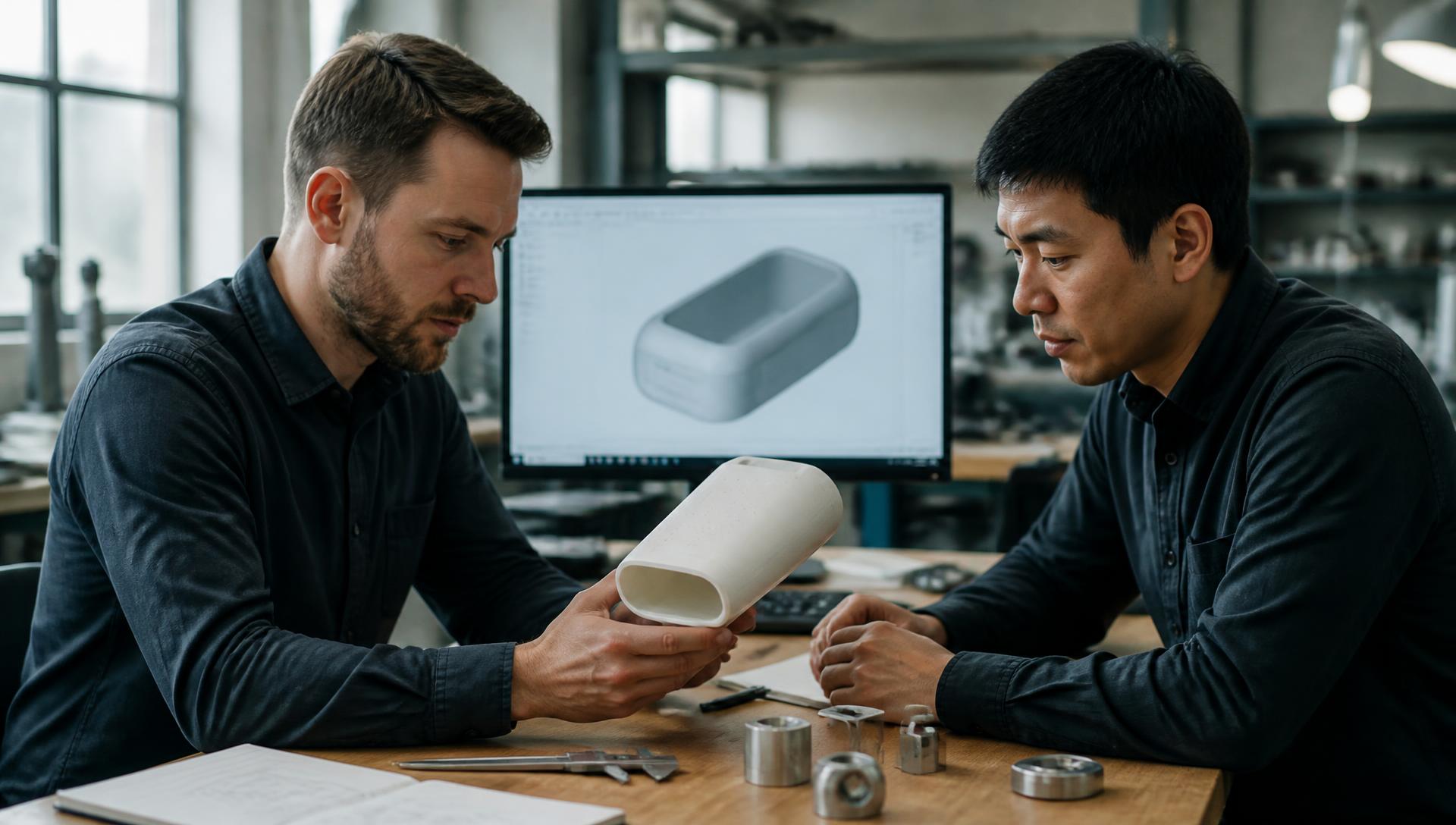
Ways to work with us
Product Development Solutions
Eight ways to work with a US product development team.
Four primary solutions cover the journey from a raw idea to a manufacturable product; four specialized solutions answer one specific question each, before or alongside them. The development process itself is mapped on the new product development process map.
- Solutions
- 8 to choose from
- Typical duration
- 3 days to 24 months
- Pricing
- Fixed fee per solution
- IP and files
- You own them
Where to start
Find the solution that matches your situation
These are typical solutions, not process stages, run the whole program with one team, or book just the one that matches what you are asking for. Every solution ends with files and findings you own.
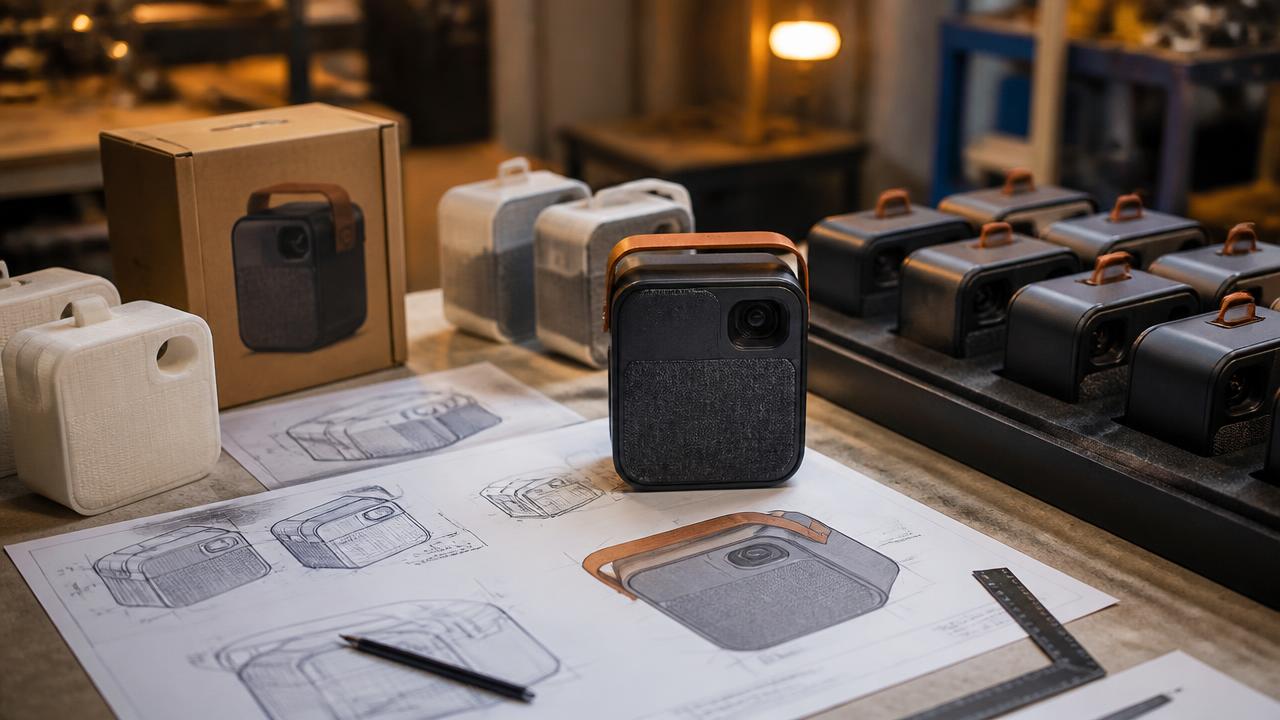
One team, idea to manufacturing
Turnkey Product Development
The broadest solution we run: you have an idea and want one experienced team to take responsibility for getting it all the way to a manufacturable product. Discovery, concept design, engineering, prototyping, consumer testing, manufacturing preparation, and the first production units, one team accountable from the first sketch to the first pallet.
- Stage 1, Review/Analysis + Plan, market research, and a costed development plan
- Technical concept development, CAD, BOM, drawings, and renders
- Industrial design and mechanical, electrical, and firmware engineering
- Prototyping, testing, consumer validation, and design refinement
- DFM, supplier sourcing, tooling, pilot production, and first units
- Technical support during commercialization
- You end up with
- A manufacturable product, first units in hand, and every file you need to keep going
- Timeline
- 3 to 15+ months
- Typical investment
- $11,300 to $175,800
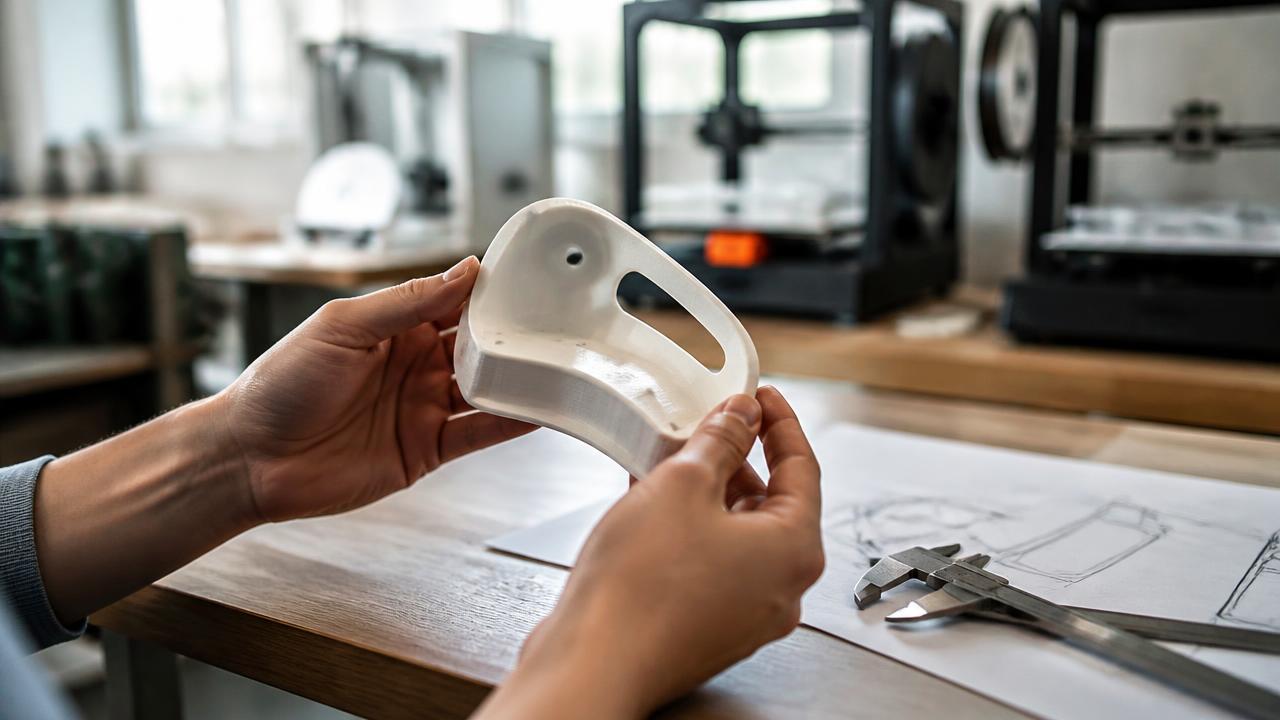
Just get it built
Prototype Development
For when you want the thing in your hands. We work from sketches, AI renderings, photos, a written description, or existing CAD, you never need to decide whether your design is prototype-ready. You tell us what the prototype needs to accomplish; we determine the design, engineering, and fabrication required to get you there.
- Start from whatever you have today: sketches, images, AI concepts, or CAD
- Build working, looks-like, works-like, or presentation prototypes based on your goal
- Use 3D printing, CNC machining, casting, electronics, and other appropriate processes
- Clearly define what the prototype will demonstrate, and what it will not validate
- You end up with
- A physical prototype built for a clearly defined purpose, plus the design files created to make it.
- Timeline
- 2 to 24+ weeks
- Typical investment
- $3,000 to $60,000
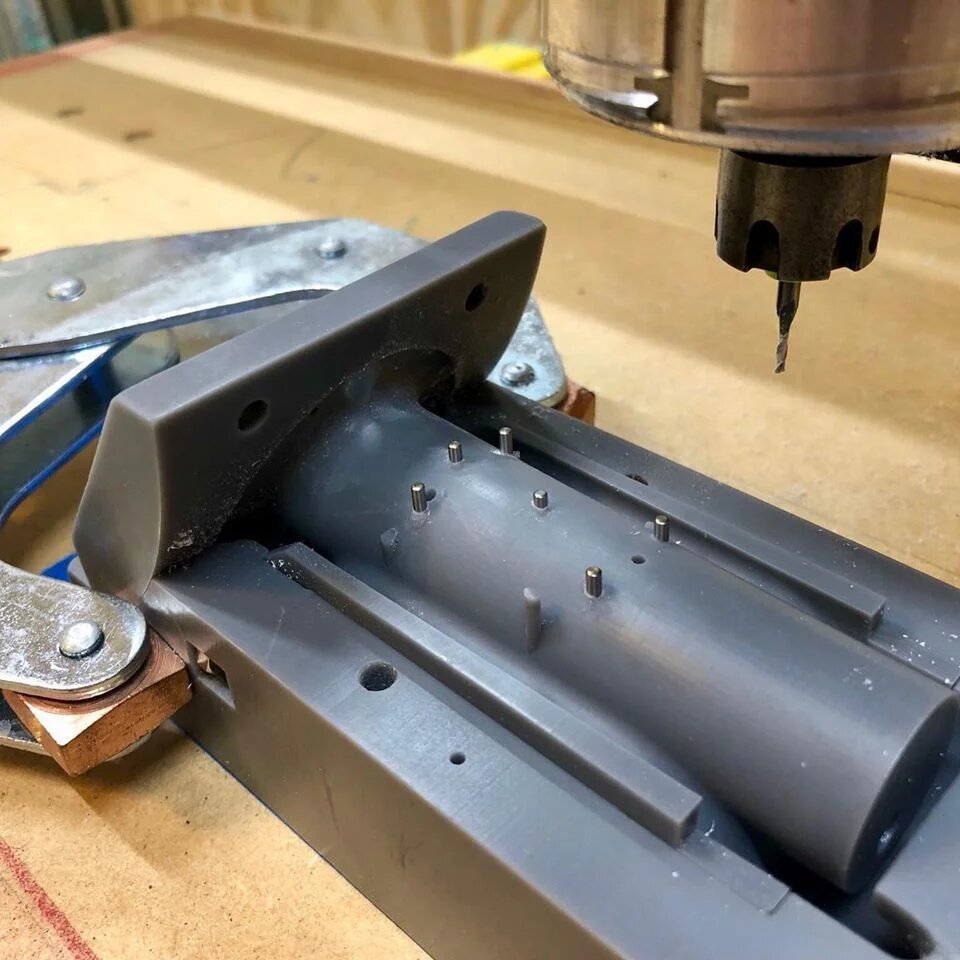
Make it production-ready
Engineering & Design for Manufacturing
For projects already past the initial idea: you have a developed concept or prototype and need the engineering finished and the design made manufacturable. We audit what exists, complete the remaining engineering, validate it, and deliver the production package a factory quotes from.
- Audit and improve the existing design
- Complete mechanical, electrical, firmware, CFD, or FEA work where applicable
- Build and test validation prototypes
- DFM with production CAD, drawings, BOMs, and technical specifications
- You end up with
- A complete production package: CAD, drawings, BOM, specifications, and validation results
- Timeline
- 8 to 24 weeks
- Typical investment
- $4,500 to $55,000
For teams and organizations
Innovation Partnership & Execution
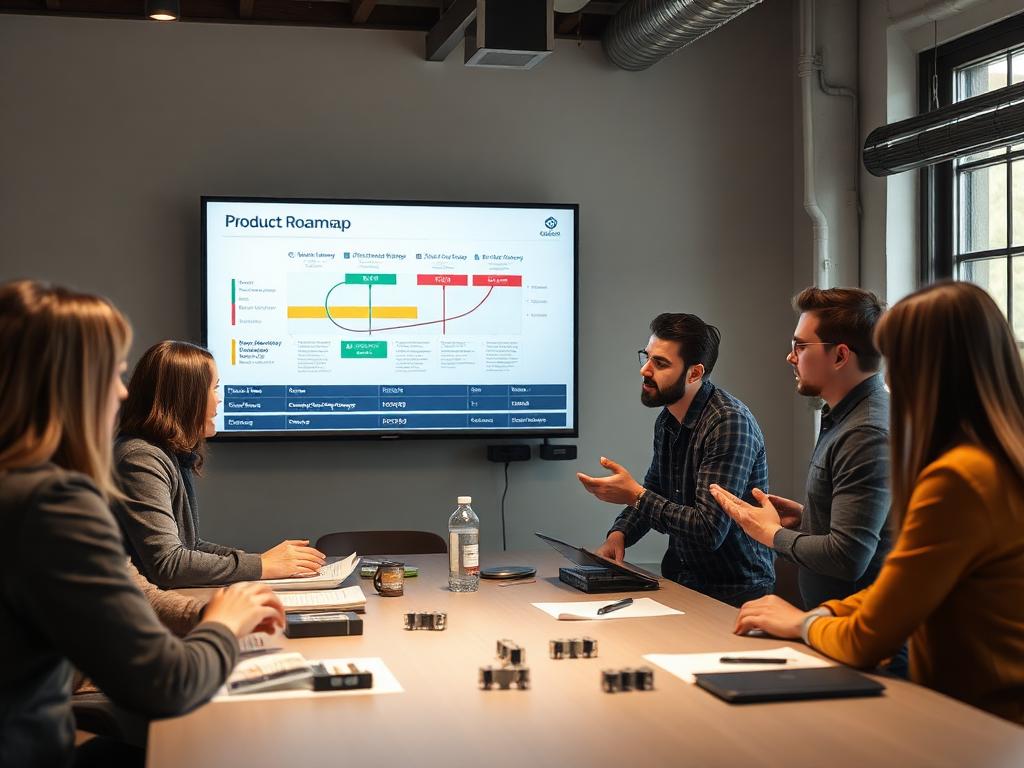
For corporate innovation groups screening several ideas a month, and for funded startups who know their customers and market but have no internal engineering organization. You get a functioning US product development and R&D team, speed, hands-on execution, and room to pivot, instead of a hiring process.
- Rapidly build and test ideas so you can make fast go / no-go decisions
- Design, engineering, prototyping, and testing capacity you do not have in-house
- Technical ownership with milestone-driven development and rapid pivots
- We sit in customer, investor, and partner discussions and answer the technical questions
- You end up with
- A complete US product development team, effectively your own R&D department
- Timeline
- Ongoing
- Typical investment
- From $20k
Specialized solutions
Scoped, fixed-fee entry points that answer one specific question, a practical first step before committing to a primary solution, or a standalone answer when that is all you need.
Define the product before engineering it
Stage 1: Review/Analysis + Plan
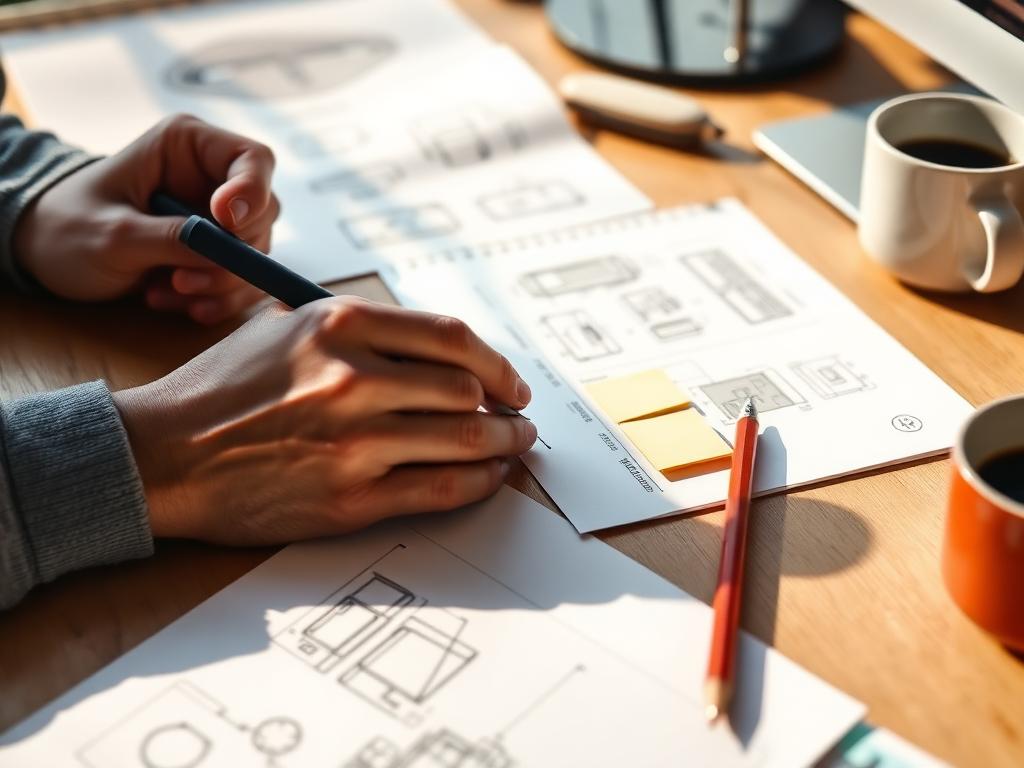
Turn an early idea into a clearly defined product that makes sense technically, commercially, economically, and from a manufacturing standpoint, before anyone spends money on engineering the wrong thing.
- Stage 1, Review/Analysis + Plan: a fixed $800 technical feasibility analysis, key risks and a staged plan
- Prior Art Search (from $600): closest patents and products. Not a legal opinion.
- Market Research (from $900): market size, competitors, price points, target buyer.
- Potential Consumer Survey (from $1,500 plus panel fees at cost): concept survey of target buyers.
- You end up with
- A technical feasibility analysis, the key risks and a staged plan with the recommended next step, plus any add-on reports you book
- Timeline
- Stage 1: 10 business days
- Typical investment
- Fixed $800 (Stage 1) plus add-ons
Define what the product actually is
Technical Concept Development
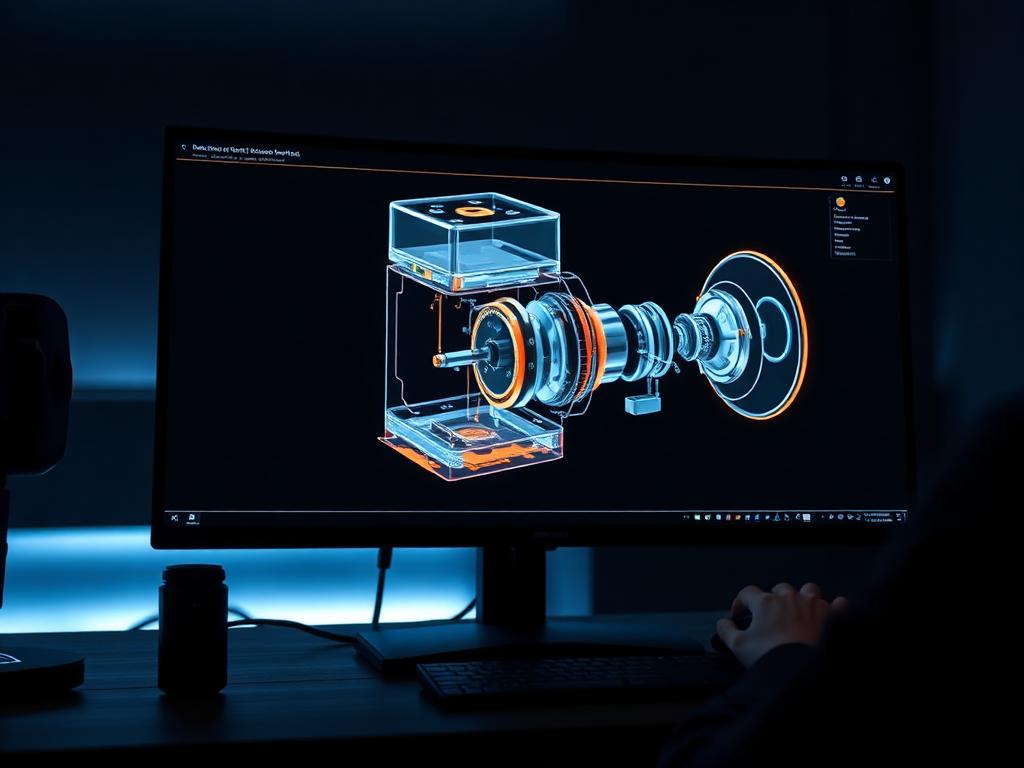
What exactly are we going to build, how will it work, what will it consist of, and what will it likely cost to make? The product developed in the digital space with engineering behind every decision, real components, real materials, a real assembly.
- Technical product architecture, 3D CAD, and concept design
- Preliminary components, BOM, interfaces, and major assemblies
- Materials and manufacturing considerations with early cost information
- Realistic renderings and technical specifications
- You end up with
- CAD for prototyping and production quotes, a BOM for component costing, drawings for patent filings, and renders for marketing, consumer surveys, investor decks, and grant applications
- Timeline
- Stage 2, Concept Design
- Typical investment
- $2,000 to $25,000
Prove the one thing that carries the risk
Proof-of-Concept Development
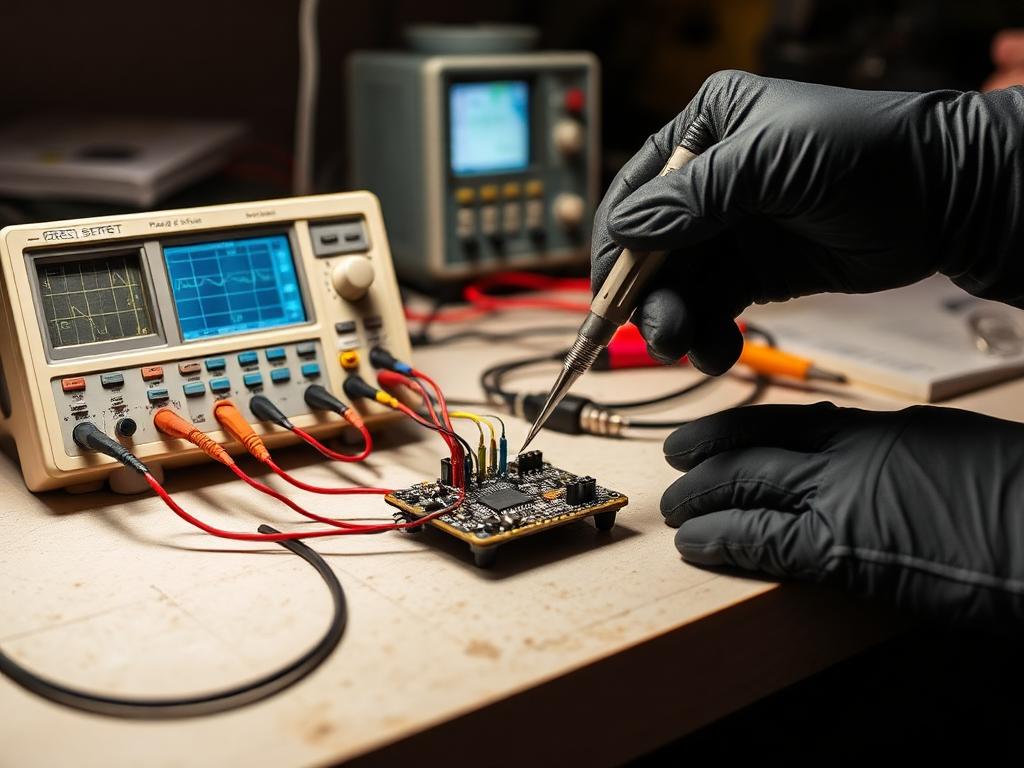
When a critical technology, mechanism, material, or engineering principle has to be proven before anyone invests in full product development. Not every product needs one, this exists for the projects where one specific question decides everything.
- Isolate the highest technical risk
- Build only what is necessary to test it
- Generate objective test data
- Reduce technical uncertainty before committing more capital
- You end up with
- A focused proof-of-concept build and the test data that answers the critical question
- Timeline
- Stage 3, Benchtop Proof of Concept
- Typical investment
- $1,000 to $35,000
Funding-driven development
SBIR / Grant Application Support
For teams applying for SBIR, STTR, or other R&D grants. We turn technical ideas into credible concepts, feasibility evidence, development plans, prototypes, and commercialization roadmaps, with Phase I and Phase II DoD experience across DHA, the Air Force, and the Navy.
- Concept sketches and technical feasibility evidence
- Phase I work plan, milestones, and budget basis
- Manufacturing and commercialization roadmap
- Technical sections for your grant application
- You end up with
- A credible technical package for the application, and a team ready to execute the funded work
- Timeline
- 3 to 6 weeks
- Typical investment
- $5,000 to $25,000
Compare the solutions at a glance
| Solution | What it does | You end up with | Timeline | Typical investment |
|---|---|---|---|---|
| Primary solutions | ||||
| Turnkey Product Development | Take a raw idea all the way to a product on the market, one team, one program | A manufacturable product, first units in hand, and every file you need to keep going | 3 to 15+ months | $11,300 to $175,800 |
| Prototype Development | Put a physical, working version in your hands you can test and show | A physical prototype built for a clearly defined purpose, plus the design files created to make it. | 2 to 24+ weeks | $3,000 to $60,000 |
| Engineering & Design for Manufacturing | Finish the engineering and hand a factory a package it can actually build from | A complete production package: CAD, drawings, BOM, specifications, and validation results | 8 to 24 weeks | $4,500 to $55,000 |
| Innovation Partnership & Execution | Screen ideas and execute development with an on-call R&D team | A complete US product development team, effectively your own R&D department | Ongoing | From $20k |
| Specialized solutions | ||||
| Stage 1: Review/Analysis + Plan | Shape a raw idea into a defined product with a development plan that fits your business | A technical feasibility analysis, the key risks and a staged plan with the recommended next step, plus any add-on reports you book | Stage 1: 10 business days | Fixed $800 (Stage 1) plus add-ons |
| Technical Concept Development | Define exactly what the product is, what it's made of, and how it goes together | CAD for prototyping and production quotes, a BOM for component costing, drawings for patent filings, and renders for marketing, consumer surveys, investor decks, and grant applications | Stage 2, Concept Design | $2,000 to $25,000 |
| Proof-of-Concept Development | Answer "can this critical part actually work?" before committing to development | A focused proof-of-concept build and the test data that answers the critical question | Stage 3, Benchtop Proof of Concept | $1,000 to $35,000 |
| SBIR / Grant Application Support | Make a grant application technically credible, and executable once funded | A credible technical package for the application, and a team ready to execute the funded work | 3 to 6 weeks | $5,000 to $25,000 |
Typical ranges, not quotes. Estimate your build.
The path
Where you enter
Six priced stages from the 2026 process map. Start at Stage 1, or at stage 2 when your CAD, sketches or spec are clear.
- 1Review/Analysis + PlanWhat should we build, and will it work?
- 2Concept DesignWhat is it made of?
- 3Benchtop Proof of ConceptDoes the riskiest function work?
- 5Technical Design & EngineeringReady for prototype build.
- 6 + 7Alpha Prototyping & Testing, Beta PrototypeHold it, test it.
- 9Manufacturing Planning & DFMMake it manufacturable.
Proof
What clients and peers say about the work
Hear it from the founders who shipped with us, and the peers who watched. 5.0 Google rating (45 reviews), A+ BBB rating. 4.9 on Birdeye (110 reviews).
“Partnering with LA NPDT to bring LEIA to life was a game-changer. Their blend of market analysis, design expertise, prototyping, and manufacturing streamlined my vision into a tangible solution.”
 Dr. Elena DolganFounder @ LEIA Cup
“Their product development expertise, mechanical and electronics engineering to firmware and mobile app creation, was instrumental in bringing our vision to life.”
 Dustin MorrisCOO @ Venthalpy Products
“From the development of my concept to the actual prototype, the process was seamless. The steps were clearly outlined, along with estimated costs. I could not be happier!”
 Dr. Sharada DamarajuFounder @ Dignity & Empowerment
“The organization, team and its management team were cohesive, well organized and highly professional.”
 Dr. Barry StevensPresident @ TBD America
“The LA New Product Development Team is an excellent example of entrepreneurial initiative that is helping to grow a strong culture of innovation.”
 Dr. Dave NorrisChief of Innovation @ Louisiana Tech
“LA New Product Development Team is an impressive group that embodies the best of the Louisiana Spirit of creativity and entrepreneurship.”
 Quentin MesserAssistant Secretary @ Louisiana Economic Development


Questions
Product development solutions: common questions
What these solutions are, what they cost, how long they take, and who owns the files.
Are these the stages of product development?
No. These are typical solutions, the requests we actually get, grouped by the situation you are in and what you need to walk away with: "I need a prototype built", "I need to know whether this is even possible", "we need engineering capacity for our innovation group".
Several solutions draw on the same underlying design and engineering work, packaged differently. The development process itself, stage by stage, is mapped separately on the new product development process map.
Which solution should I start with?
Match it to what you are asking for. One team to carry the product all the way to manufacturing: Turnkey Product Development. You just want it in your hands: Prototype Development, send whatever you have, including sketches or renderings only, and we tell you what still needs engineering before anything can be built.
The concept is settled and you need production-ready engineering: Engineering and Design for Manufacturing. You need ongoing capacity for a team: Innovation Partnership and Execution.
Earlier-stage questions have their own scoped solutions: Stage 1, Review/Analysis + Plan, to define the product, Technical Concept Development to define components, materials and assembly, Proof-of-Concept Development to retire one critical technical risk, and SBIR / Grant Application Support when the work is funding-driven.
Do I have to book more than one solution?
No. Every solution is scoped and quoted on its own and ends with files and findings you own, so you can stop or take the work elsewhere at any point. Most clients book one, see the output, then decide. Turnkey exists for people who would rather not manage the hand-offs between solutions at all.
What does a typical solution cost?
Stage 1, Review/Analysis + Plan, is a fixed $800, plus optional add-ons: Prior Art Search (from $600), Market Research (from $900), and Potential Consumer Survey (from $1,500 plus panel fees at cost). Technical Concept Development is Concept Design (stage 2), $2,000 to $25,000.
Proof-of-Concept Development is Benchtop Proof of Concept (stage 3), $1,000 to $35,000. Prototype Development covers Alpha and Beta prototypes, $3,000 to $60,000. Engineering and Design for Manufacturing covers stages 5 and 9, $4,500 to $55,000.
SBIR / Grant Application Support runs $5,000 to $25,000 and Innovation Partnership starts at $20k on an ongoing basis. Stage 1, Review/Analysis + Plan: a fixed $800 that delivers a feasibility read, the key risks and a staged plan we use to quote each next stage.
LA NPDT develops physical products in fixed-price stages. Stage 1, Review/Analysis + Plan, is a fixed $800. A whole program typically costs $11,300 to $36,800 for a basic one-part product, $28,300 to $66,800 for a simple product, $49,300 to $111,800 for a moderate product, and $86,800 to $175,800 for a complex product. Ranges cover labor only.
How long does each solution take?
Stage 1 results arrive within 10 business days, SBIR / Grant Application Support takes 3 to 6 weeks, Prototype Development 2 to 24+ weeks, and Engineering and Design for Manufacturing 8 to 24 weeks. Innovation Partnership is ongoing.
A typical program takes 3 to 6 months for a basic product, 5 to 9 months for a simple product, 7 to 12 months for a moderate product, and 9 to 15+ months for a complex product. That excludes tooling, certification, pilot runs and your review time between stages. Custom circuit boards can add 3 to 7 weeks.
Can you just build me a prototype?
Yes. Prototype Development is a standalone solution: Alpha and Beta prototypes typically $3,000 to $60,000 in labor over 2 to 24+ weeks, with design work before the build quoted separately.
You tell us what the prototype needs to accomplish, we work from sketches, AI renderings, a written description, or existing CAD, and we determine the design, engineering, and fabrication required to get you there, then build it in our own shop.
We will also tell you plainly what that prototype will and will not prove before you spend the money.
Who owns the CAD files, drawings and IP?
You do. Every solution is work-for-hire: the CAD, drawings, BOM, test data and reports are yours as they are delivered, not at the end of some longer program. NDA required: we sign one with you before the first call.
Do you work with clients outside Louisiana?
Yes. Design, engineering and prototyping happen in our own shop in Ruston, Louisiana, and we run projects remotely for clients across the United States with weekly working sessions. There are no offshore hand-offs on our side.
Can you also manufacture the product?
Yes. We handle prototyping and low-volume production in house and manage tooling and higher-volume manufacturing through vetted partners, so the same team that engineered the product owns the transfer to production.
Are projects priced fixed fee or hourly?
Fixed fee. Each solution is scoped and quoted against a written deliverable list, so you approve a number before work starts. Changes to scope are priced when they are raised, never billed as a surprise.
Do you develop products in exchange for equity or future royalties?
No. LA NPDT works on a fee-for-service basis: we do not provide unpaid product development in exchange for equity, royalties, licensing rights, or a share of future profits. If you are still raising capital, we can help with early-stage work designed to define the opportunity and prepare for fundraising (Stage 1, Review/Analysis + Plan, concept development and investor readiness), but development work itself requires an approved budget.
What does a full program cost, idea to production-ready?
LA NPDT develops physical products in fixed-price stages. Stage 1, Review/Analysis + Plan, is a fixed $800. A whole program typically costs $11,300 to $36,800 for a basic one-part product, $28,300 to $66,800 for a simple product, $49,300 to $111,800 for a moderate product, and $86,800 to $175,800 for a complex product.
Ranges cover labor only. A typical program takes 3 to 6 months for a basic product, 5 to 9 months for a simple product, 7 to 12 months for a moderate product, and 9 to 15+ months for a complex product. That excludes tooling, certification, pilot runs and your review time between stages.
Custom circuit boards can add 3 to 7 weeks. Tooling and ongoing production runs are separate and quoted by the manufacturer.
What happens after the design is finished?
You get a manufacturing package, and we can run the supplier search, quoting and first-article review with you, or keep low-volume production in our own shop while volumes are still small.
Looking for the development process itself, stage by stage? See the new product development process map. Still unsure which solution fits? Tell us about the product and we will name it for you.
Where we work
A US team, wherever your product is going to be made
We design, engineer, and prototype in our own shop in Ruston, Louisiana, and run projects remotely nationwide. No offshore hand-offs.
Not sure which one you are in?
Describe the product and we will name the solution that fits. Free conversation.