Our work / UV Water Sterilizer Electronics Prototyping
Water Purifier: Electronics Prototyping and PCB Design
Start a project

Written by Ralph Hill, Mechanical & electrical systems, 3D manufacturing
Prototyping Engineer
Published August 10, 2026
Thomas Davis searched for companies that make prototypes with custom electronics capability. We designed the UV purification device, engineered the custom PCB and waterproof lid, and delivered a fully functional prototype with maintenance alerts and standard-outlet charging.
Project at a glance
- Client
- Thomas Davis, inventor and entrepreneur
- Industry
- Consumer water purification
- Starting point
- Patent information and product sketches for a UV water-purifying device
- What we delivered
- Design revisions, custom PCB design, 3D-printed parts and assembly, fully functional prototype
- Prototype features
- UV light source, maintenance alert, 110 V charging port, waterproofed electronics lid
- Outcome
- A working prototype that purifies water and is ready to demonstrate
The client
Thomas Davis is an inventor and entrepreneur who wanted a simpler way to purify drinking water: no cartridges, no chemicals, just ultraviolet light doing the work inside a vessel a person already owns. He arrived with patent information and product sketches and needed a partner who could take both and produce hardware that runs.
What he was looking for was narrower than it sounds. Plenty of shops print parts. Far fewer will design the product, engineer the board that drives it and hand back something that switches on — which is the difference between a parts vendor and a prototyping partner.
The challenge
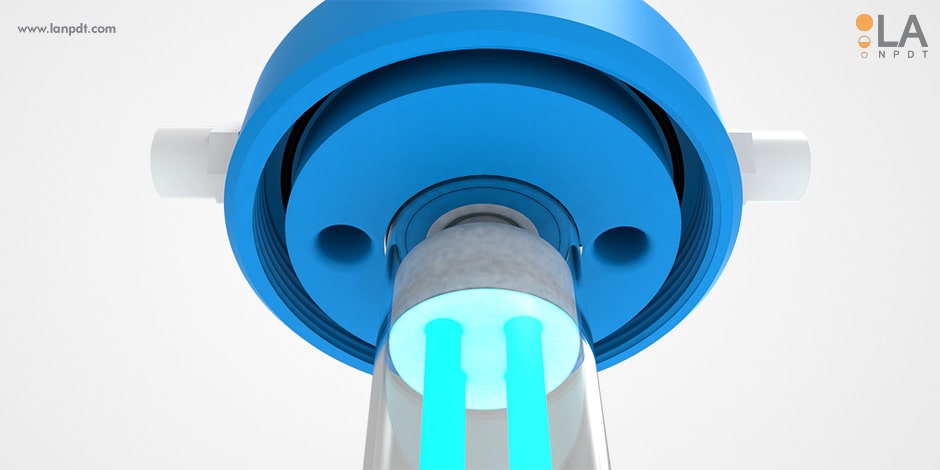
Every hard problem on this project lived in the lid. The UV source driver, the charging circuit for a standard 110 V outlet and the maintenance alerts all had to fit into a shallow cap, and that cap sits directly above water. Electronics and water share a wall here, so the sealing strategy constrains the board outline rather than the other way round.
The patent added a second layer of work. A patent drawing is a legal document written to protect a claim, not a buildable design: wall thicknesses, draft, fastening and service access are usually absent. Before any CAD, we reviewed the disclosure and the sketches and revised the concept where it could not be made or assembled as drawn.
- Waterproof electronics enclosure integrated into the lid
- Custom PCB: UV driver, charge circuit, alert logic
- Structural parts, fit validation and assembly
- A working unit Mr. Davis could demonstrate
Our solution
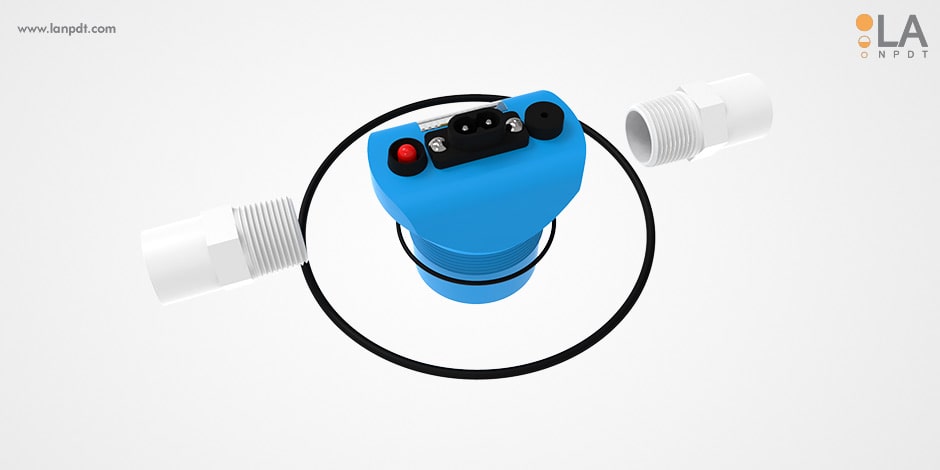
We laid out the board to the envelope the lid allowed, selecting components for height as much as for function, then designed the cavity and seal around the finished stack. Our 3D printing team produced the structural parts and iterated the fits — lid to vessel, board to boss, button to face — until the assembly closed cleanly by hand.
The feature set stayed deliberately small: a durable UV source, an alert that tells the owner when the bulb or filter needs attention, and charging from a normal wall outlet so nothing proprietary sits between the user and a working device. Each iteration was printed, assembled and run rather than reviewed on screen, which is how fit problems surface while they are still cheap.

The result
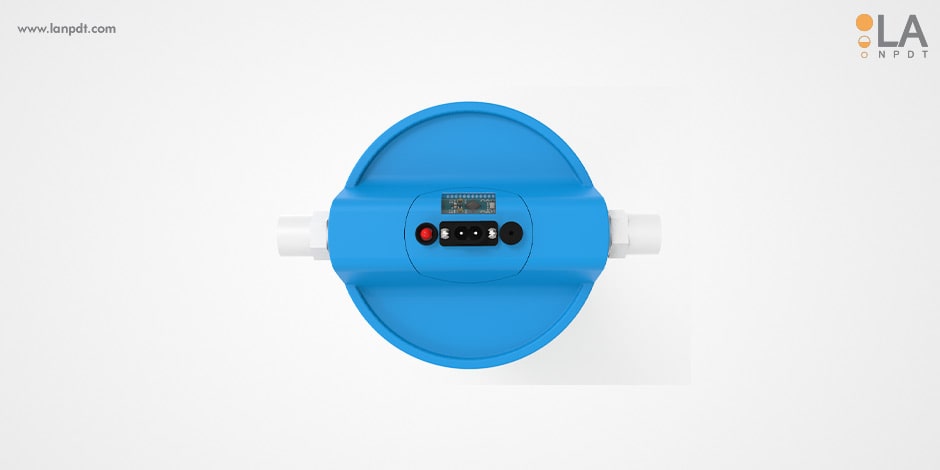
Mr. Davis received a fully functional prototype: press the button, the UV source runs, the alert tracks maintenance, the unit charges from any outlet and the electronics stay dry. He also received the revised CAD behind it, so the next step — a pilot build or a manufacturing quote — starts from a design that has already been assembled rather than from patent figures.
For an inventor, that is the moment the idea stops being a description. A working unit can be handed to a buyer, filmed, tested and shown to a licensee.

What to expect from companies that make prototypes
Shops differ more than their marketing suggests. A print or CNC shop turns your finished CAD into parts and expects a complete design. A product development firm takes an idea, a sketch or a patent and returns a working product plus the CAD and manufacturing path behind it.
A contract manufacturer starts where both of those end, at pilot volume. Choosing the wrong one costs a round of rework, because a parts vendor will build exactly what you sent, including the mistakes.
This project needed the middle option: design revision, custom electronics and assembly under one roof. See our prototype development services for scope and timelines, or the UV sanitizing device study for a related build. Design, electronics and prototyping are done by our team in Ruston, Louisiana.
Capabilities used on this project
Rapid prototyping services
3D printing, CNC machining, urethane casting and functional prototype builds with published materials, tolerances and lead times.
Electronic design and PCB engineering
Schematic capture, PCB layout, firmware and electromechanical integration for connected hardware.
Concept design
Sketch exploration, form studies and CAD concepts that turn an idea into a buildable direction.
How a UV water purifier went from patent to working prototype
Feasibility review of the patent and sketches
Before drawing anything, we reviewed Mr. Davis's patent information and sketches and revised the concept for buildability. Companies that make prototypes from raw inventor documentation have to do this translation step — a patent drawing is a legal document, not a buildable design.
Custom electronics into a waterproof lid
The entire circuit — UV source driver, charging circuit for a standard 110 V outlet, and maintenance alerts for filter cleaning and bulb replacement — had to fit into the lid and stay waterproof. Component selection and board layout were driven by that envelope, not the other way around.
3D printed parts and assembly validation
Our 3D printing department produced the structural parts and iterated the fit with the electronics until everything assembled cleanly and looked like a product, not a bench experiment.
| Shop type | What they build | What you bring | Best for |
|---|---|---|---|
| Print/CNC shop | Parts from your CAD | Finished, buildable CAD | You have a complete design |
| Prototyping + engineering firm | Designed, engineered working product | An idea, sketch, or patent | Inventors and first products |
| Contract manufacturer | Pilot and production runs | Production CAD + BOM | Proven designs scaling up |
Questions about this project
Straight answers from the engineers who ran the build. Have a different question? Ask us directly.
Talk to an engineerWhat do companies that make prototypes actually deliver?
It depends on the shop. A print shop delivers parts. A product development firm delivers a functioning device plus the updated CAD and a manufacturing path. For this project the deliverable was a working purifier with custom PCB, waterproof electronics lid, and maintenance alerts.
Can a prototype include custom electronics and a PCB?
Yes. This project required a custom board driving the UV source with charging and alert functions. Electronics prototyping is a standard part of our prototype track — not a separate engagement.
What should I bring to a prototype company?
Whatever you have — a patent, sketches, or a clear description of what the product must do. Mr. Davis brought a patent and sketches; we translated them into a buildable design before prototyping.
How much does a functional prototype with electronics cost?
A simple mechanical prototype runs $2,000–$5,000. Custom electronics like the UV purifier's board typically push the budget to $6,000–$15,000 depending on board complexity and iteration count.
Can electronics be sealed against water in a prototype?
Yes, and it should be designed in from the start. On this project the sealed cavity in the lid set the board outline and component heights — retrofitting a seal around a finished board almost always means a redesign.
Industries this project belongs to
See how we approach development in each of these categories, and the other products we have taken from sketch to production there.