Written by Ashok Chintagunta, MS Computer Science, Louisiana Tech University
CTO & Software Engineer, AI and Automation
Published August 10, 2026
Corporate website design is credibility engineering: the site is where buyers, partners and recruits verify that your company is real, capable and current before they ever contact you.
This project was a full corporate site — structured service pages, a clear company story, and a design that reads as established rather than templated.
Project at a glance
- Category
- Corporate web design
- What we delivered
- Corporate website design and development
The client
The challenge
Our solution
The result
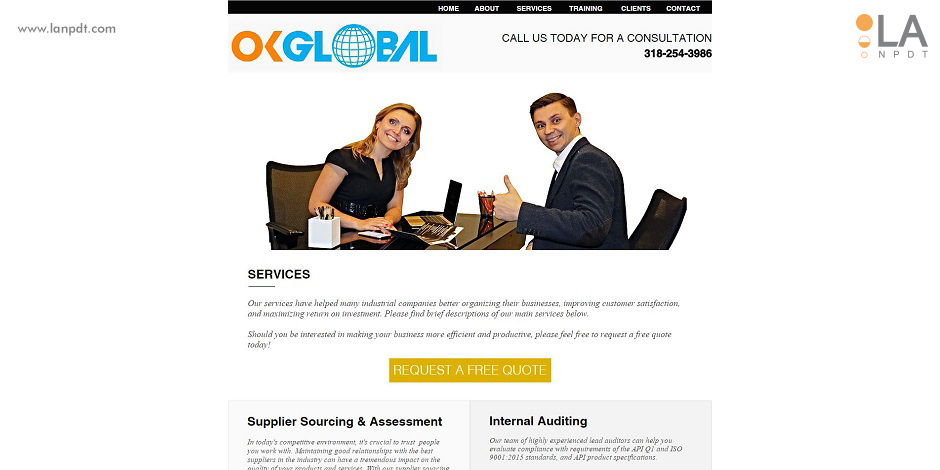
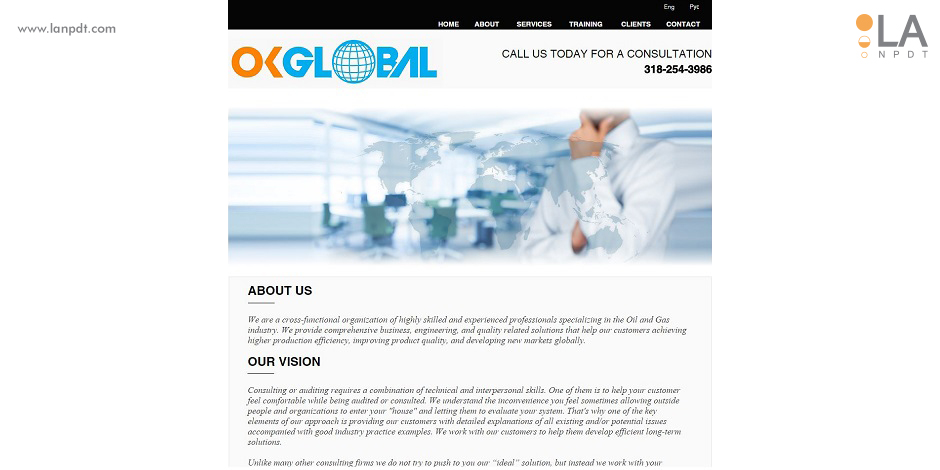

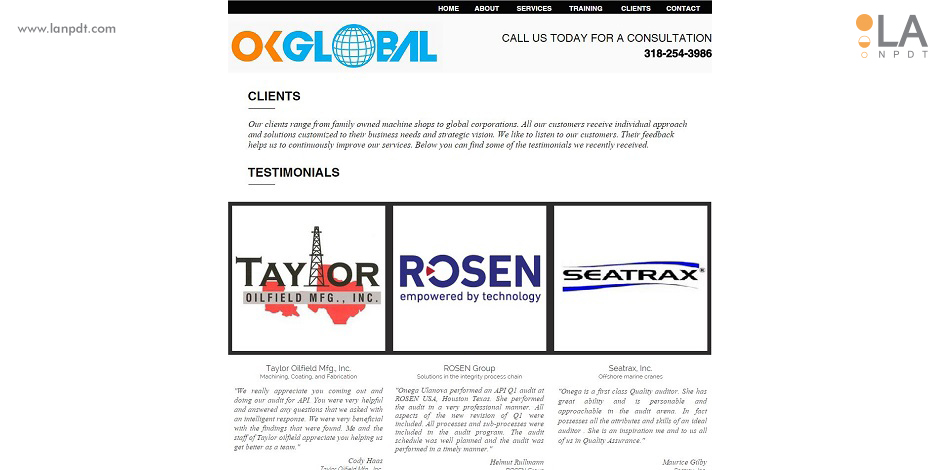
Corporate website project at a glance
| Scope | Information architecture, design system, copy support, build, launch |
|---|---|
| Audience | Industrial buyers, partners, recruiters, investors |
| Deliverables | Responsive site, CMS, analytics, SEO foundation, training |
| Typical timeline | 6-12 weeks |
Corporate sites are evaluated, not browsed
A buyer comparing three suppliers is checking capability, proof and credibility in a few minutes. That means capability pages that answer specifics, project evidence with real numbers, and contact paths that do not hide behind a single generic form.
How we build one
- Stakeholder interviews and a content audit of what already ranks
- Architecture built around buyer questions, not the org chart
- Design system so future pages stay consistent
- Fast, accessible build with a CMS the team can actually run
- Analytics, search setup and post-launch iteration
Frequently asked questions
What does a corporate website cost?
Most corporate sites run $8,000-$40,000 depending on page count, integrations and content production.
Can you work with our existing brand?
Yes - we extend existing brand guidelines or build the system when none exists.
Do you handle hosting and maintenance?
Yes, including updates, backups and performance monitoring.
What a corporate website must do
1. Structure pages around the buyer's questions
What do you do, who have you done it for, why should I believe you, and how do I start. Every corporate site answers these four; the good ones answer them in order without making the visitor hunt.
2. Show proof, not adjectives
Case studies, client names, numbers and real photos outperform 'world-class' and 'innovative' every time. Corporate buyers are professional skeptics.
3. Design for the secondary audiences too
Recruits, press and partners all read the same site. A careers signal, a press-ready about page and partner-relevant detail cost little and serve everyone.
4. Keep it maintainable
A corporate site goes stale when updates require a developer. The CMS structure determines whether the site still looks current in two years.
| Audience | What they look for | Where it lives |
|---|---|---|
| Prospective client | Services, proof, contact path | Service pages, case studies |
| Recruit | Culture, stability, location | About, careers signal |
| Partner / press | Company facts, leadership | About, press-ready bios |
Questions about this project
Straight answers from the engineers who ran the build. Have a different question? Ask us directly.
Talk to an engineerHow much does corporate website design cost?
A professional corporate site typically runs $5,000 to $30,000 depending on page count, custom functionality and content work.
How long does a corporate website take?
Six to twelve weeks for most projects, with content gathering usually being the longest pole.
Should our corporate site be custom or use a template?
Custom design on a maintainable CMS is the standard answer for an established business — templates read as templates to the buyers you are trying to impress.