
Written by Yelena Rymbayeva, MPhil Communication & Media Studies, BTech Quality Control
Marketing & Product Leader, Technology Commercialization
Published August 10, 2026
Product explainer video production compresses a complicated product or service into 60–90 seconds a prospect will actually watch through.
This one was our own: script, storyboard, 3D animation and voiceover, built to explain concept design to founders who have never bought it before.
Project at a glance
- Project
- In-house explainer video for our concept design service
- Scope
- Script, storyboard, 3D animation, voiceover, edit
- Length
- About ninety seconds — roughly two hundred scripted words
- Subject
- How concept design turns many ideas into one developable product
- Running on
- Our YouTube channel and the concept design service page
- Studio
- Ruston, Louisiana
The client
This one was ours. We produce product explainer videos for clients, and the same problem applied to our own concept design service: inventors and founders who have never bought concept design before cannot picture what they receive at the end of it. So we scripted, animated and produced an explainer for our own channel.
The challenge
Concept design is an abstract purchase. The deliverable is not a product — it is a set of directions, sketches, CAD models and renderings that narrow many possible products down to one worth engineering. Explaining that in a sales call takes ten minutes and a whiteboard.
The brief was to do it in about ninety seconds, for a viewer with no design vocabulary, without turning it into a portfolio reel that shows work but never says what the service is.
Our solution
The script came first, because ninety seconds is roughly two hundred words and that constraint decides everything downstream. We settled on a single storyline: many ideas go in, they diverge into different directions, the strongest features get combined, and the result comes out as sketches, CAD and renderings a manufacturer and an investor can both read.
Each sentence was storyboarded to a frame before any animation started, the voiceover was recorded before final animation so the timing was cut to the read, and the visuals move in the same order the real process does — sketch, model, render.
The result
The finished video introduces the first stage of the product development process and now does the explaining before a call happens: it runs on our YouTube channel, sits on the concept design service page, and gets sent to inquiries that arrive unsure of what they need first.
The same structure is what we build for client products — the subject changes, the discipline of script, storyboard, voiceover, animate does not.
Why product explainer video production starts with the script
Animation revisions are the expensive kind. A sentence rewritten in a document costs minutes; the same change after the frames are animated and the voiceover is recorded costs days and often a re-record. Every production discipline that looks like bureaucracy — script approval, storyboard sign-off, voiceover before final animation — exists to move decisions to the cheap end of the pipeline.
The other decision that sets the budget is technique. Motion graphics explain a service or a process. 3D animation is worth its cost when the viewer needs to see inside a physical product or watch a mechanism move. Live action builds trust in people and facilities. Picking the wrong one usually means paying more for a video that explains less.
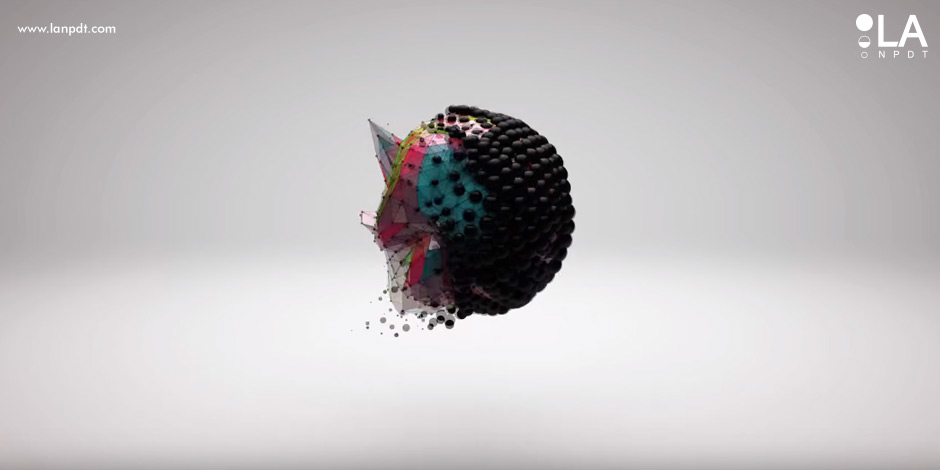
Stages of concept design shown in the video
Capabilities used on this project
Concept design
Sketch exploration, form studies and CAD concepts that turn an idea into a buildable direction.
How an explainer video gets built
1. Write the script first — everything else follows it
Ninety seconds is roughly 200 words. That constraint forces one problem, one solution, one call to action. Scripts get approved before any visual work starts, because animation revisions are the expensive kind.
2. Storyboard every beat
Each sentence gets a frame. The client approves the whole visual sequence on paper, when a change costs minutes instead of days.
3. Choose the technique to match the subject
3D animation shows how a physical product works internally. Motion graphics explain a service or a process. Live action builds trust in people. Picking wrong doubles the budget for a worse result.
4. Record voiceover before final animation
Animation timing is cut to the recorded read, not the other way around. Animating first and dubbing after always produces a video that feels slightly off.
| Format | Best for | Relative cost |
|---|---|---|
| Motion graphics | Services, software, processes | Lower |
| 3D product animation | How a physical product works | Higher |
| Live action | Team, facility, credibility | Medium |
| Mixed | Product plus company story | Higher |
Questions about this project
Straight answers from the engineers who ran the build. Have a different question? Ask us directly.
Talk to an engineerHow long should a product explainer video be?
Sixty to ninety seconds for a top-of-funnel explainer. That is about 150 to 200 spoken words, which is enough for one problem, one solution and one call to action — and roughly where viewer drop-off starts on a first-touch video.
Why is the script approved before any animation?
Because a rewrite in a document costs minutes and the same change after animation and voiceover costs days plus a re-record. Every approval gate in video production exists to keep decisions at the cheap end of the pipeline.
Motion graphics, 3D animation or live action?
Motion graphics for services, software and processes. 3D animation when the viewer needs to see inside a physical product or watch a mechanism move. Live action for people, facility and credibility. The wrong pick costs more and explains less.
Why record the voiceover before finishing the animation?
Animation timing is cut to the recorded read. Animating first and dubbing afterwards produces a video where the visuals land slightly off the narration, and viewers feel it even when they cannot name it.
What do you need from a client to start?
What the product does, who the video is for, and what you want the viewer to do at the end. CAD models, product photography and brand assets speed up production, but the three answers above are what the script is built from.
Other brand, web and video projects
- Web video production
Short-form product video for web and social.
- BNI Lagniappe promo video
Promotional film for a local business chapter.
- Law firm website build
Site design and build for a legal practice.
Looking for physical product work instead? See the product development portfolio.