Our work / HopeShades Premium-Style Sunglasses
HopeShades Sunglasses: Fashion Accessory Design
Start a project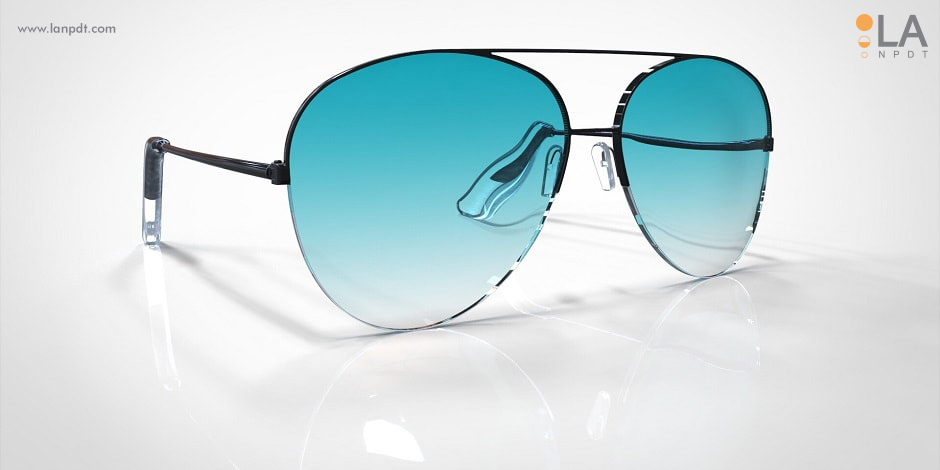

Written by Konstantin Dolgan, Ph.D., NPDP
Founder & CEO, Product Development Engineer
Published August 10, 2026
Designing sunglasses means resolving four things together: the frame form, the fit range across faces, the hinge and lens retention hardware, and the finish process — because each one constrains the others.
HopeShades needed a premium-style eyewear design in four days. We ran concept sketches, form development, CAD and renderings against that deadline and delivered a design the brand could take forward.
Project at a glance
- Client
- HopeShades — a give-back sunglasses brand
- Category
- Eyewear / fashion accessory
- Constraint
- Complete a premium-style eyewear design in four days
- What we delivered
- Concept sketches, form development, CAD, photorealistic renderings and specifications
- Outcome
- Design delivered inside the deadline so the brand could keep its programme on schedule
- Handover
- CAD, renderings and specifications ready for a frame factory to quote
The client
HopeShades is an eyewear brand built on a give-back model: every pair sold funds support for communities in need. The product had to look premium, because the donation only happens if the sunglasses sell on their own merits.
The challenge
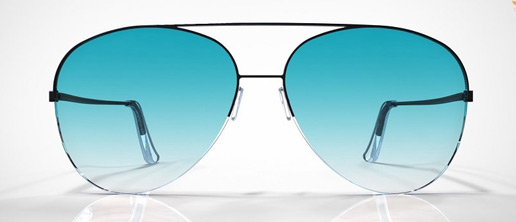
Design a premium-style frame in four days. Eyewear normally takes six to twelve weeks because four decisions are tangled together — frame form, fit range across faces, hinge and lens retention hardware, and finish process — and each one constrains the others.
Our solution
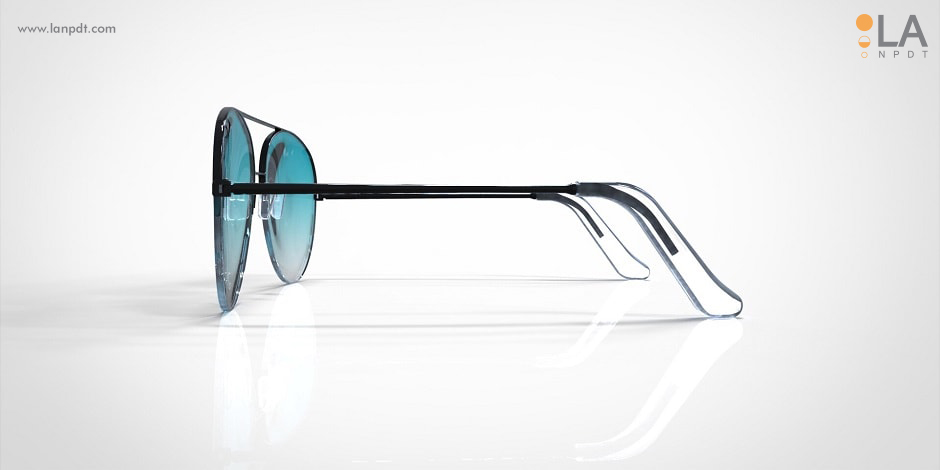
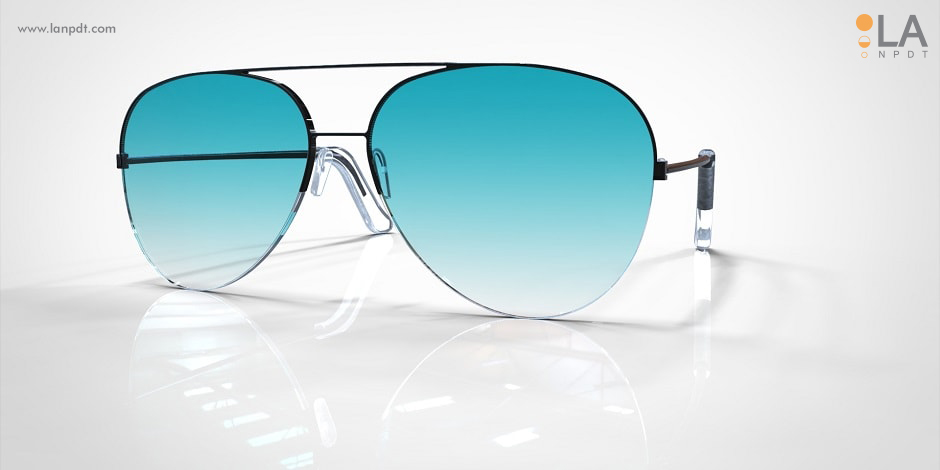
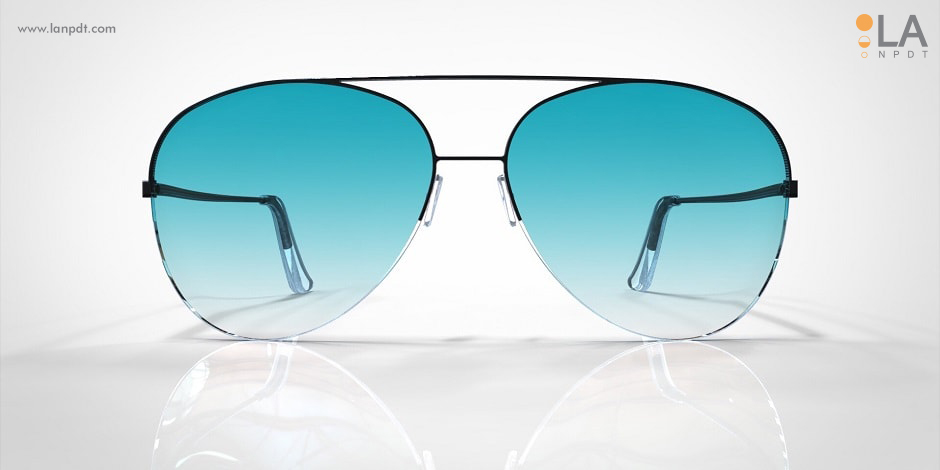
We shortened the schedule by cutting exploration, not rigour. Concept sketches moved into CAD almost immediately so the frame front, temple curve and lens rake could be judged at true size instead of on a screen.
The hinge was selected before the styling was frozen, because barrel, spring and hidden hinges each demand a different frame section and assembly sequence. Lens retention and groove tolerance were specified next, then material and finish, so what came out was a design a factory could quote rather than a picture of sunglasses.
The result
The design was delivered inside the four-day window with CAD, photoreal renderings and specifications, and HopeShades kept its programme on schedule — which for this brand means the giving continues on schedule too.
Sunglasses design is engineering dressed as fashion
A frame has to fit a spread of face widths and nose bridges, hold lenses securely, survive thousands of hinge cycles and still read as a designed object. Styling that gets locked before hinge type, temple flex and lens groove tolerance are resolved produces beautiful renderings and unbuildable samples.
Before a factory can quote, it needs CAD of the frame front and temples, the hinge selection, lens geometry and retention method, the material and finish specification, and dimensioned drawings. Colourways and packaging come after the frame is fixed — never before.
Capabilities used on this project
Prototype design and engineering
Design for the prototype itself: CAD, tolerance stacks, material choices and assembly detail before anything is built.
What eyewear design involves
1. Form first, on a real head
Frame front, temple curve and lens rake are judged in three dimensions, not on a screen. Concept sketches move to CAD quickly so the shape can be evaluated at true size.
2. Design for a fit range
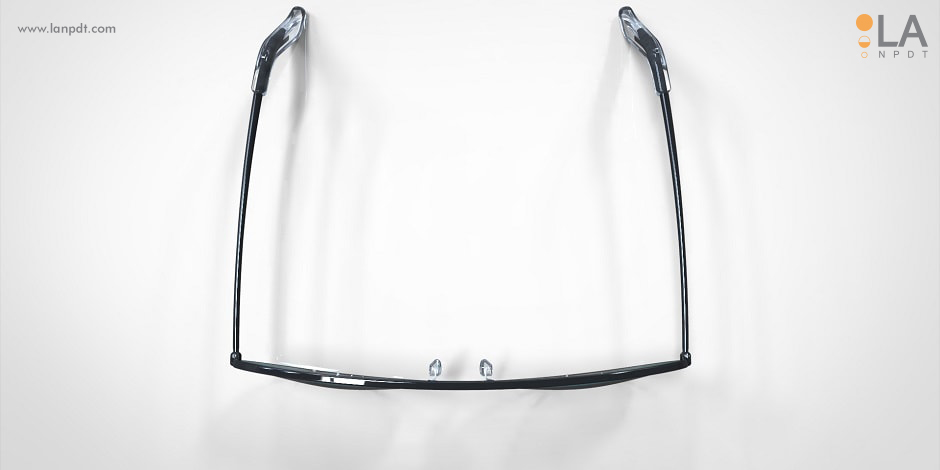
One frame has to work across a spread of face widths and nose bridges. Temple length, pantoscopic tilt and bridge geometry carry that range; getting it wrong shows up as a product that only suits one face.
3. Choose the hinge early
Barrel, spring or hidden hinges each demand different frame thickness and assembly steps. The hinge is a hardware decision that reshapes the CAD, so it belongs at the start.
4. Solve lens retention
Lenses are snapped, grooved or screwed in. The method sets the frame's wall section, the tolerance the moulder has to hold, and how repairable the product is.
5. Specify the finish with the material
Acetate, injection-moulded nylon and metal each look and cost different. Finish samples belong in the specification, because colour and gloss decide whether the frame reads as premium.
| Detail | What goes wrong when it is skipped | How it was handled |
|---|---|---|
| Frame fit | Beautiful samples that fit almost no one | CAD developed with realistic fit dimensions |
| Hinge type | Loose or broken temples after weeks of use | Hardware selected before styling was frozen |
| Lens groove tolerance | Lenses pop out or will not seat in production | Groove specified for repeatable factory assembly |
| Turnaround | Missed launch windows | Full accessory design delivered in four days |
Questions about this project
Straight answers from the engineers who ran the build. Have a different question? Ask us directly.
Talk to an engineerHow long does sunglasses design take?
A normal eyewear programme runs six to twelve weeks from concept to a specified, manufacturable design. Four days, as on HopeShades, is a sprint we run when a launch or a buyer meeting is fixed — and it means fewer explored directions, not a lower standard on the one delivered.
What do I need before a factory can quote a frame?
CAD of the frame front and temples, hinge selection, lens geometry and retention method, material and finish specification, and dimensioned drawings. Colourways and packaging follow once the frame is fixed.
Can you design the frame around lenses I already source?
Yes. Existing lens blanks or a chosen lens supplier make the design easier — the lens geometry becomes a fixed input and the frame is built around it.