
Written by Konstantin Dolgan, Ph.D., NPDP
Founder & CEO, Product Development Engineer
Published August 10, 2026
Designing an interactive dog toy means engineering for a user that bites: safe and durable materials, shapes that survive being thrown and chewed, and an engagement mechanism that holds a dog's attention — packaged well enough to raise the money that builds it.
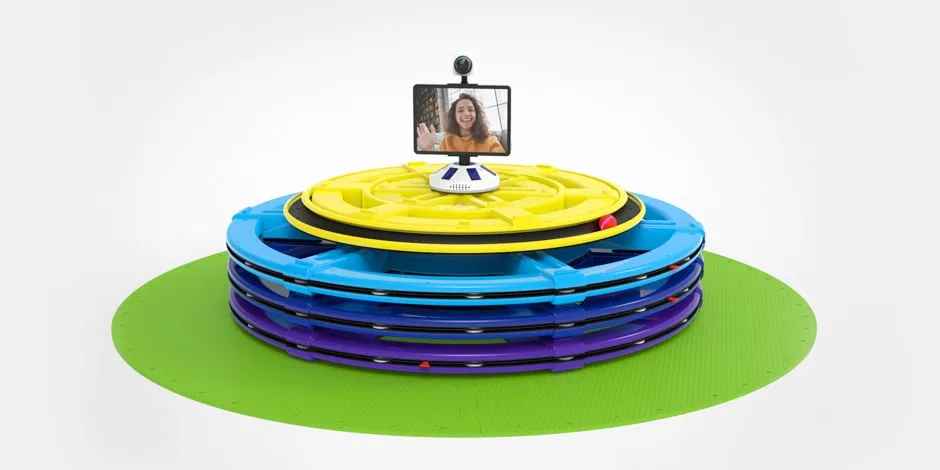
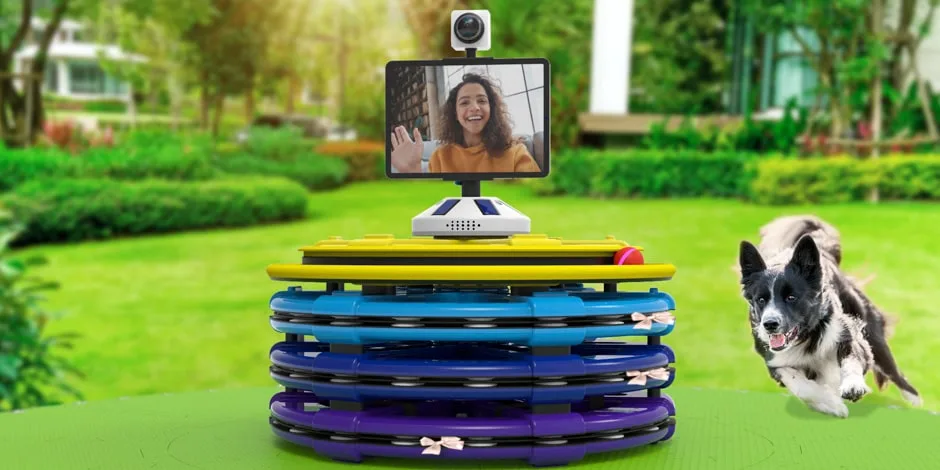
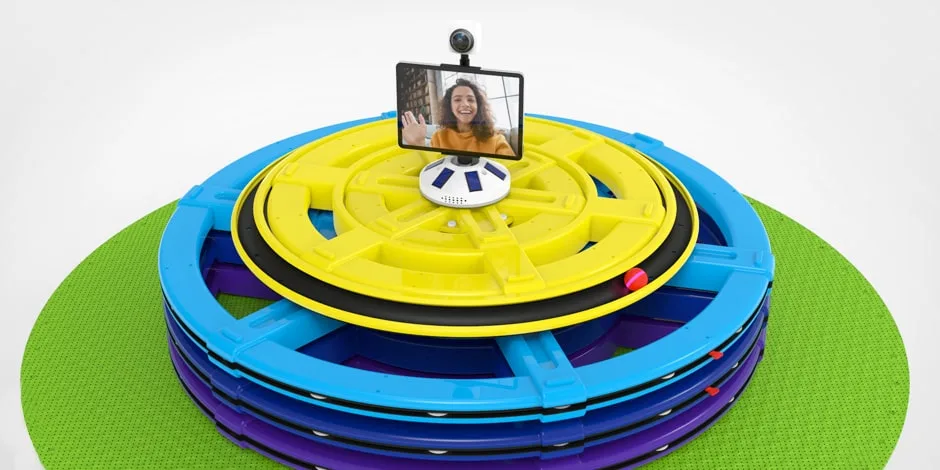
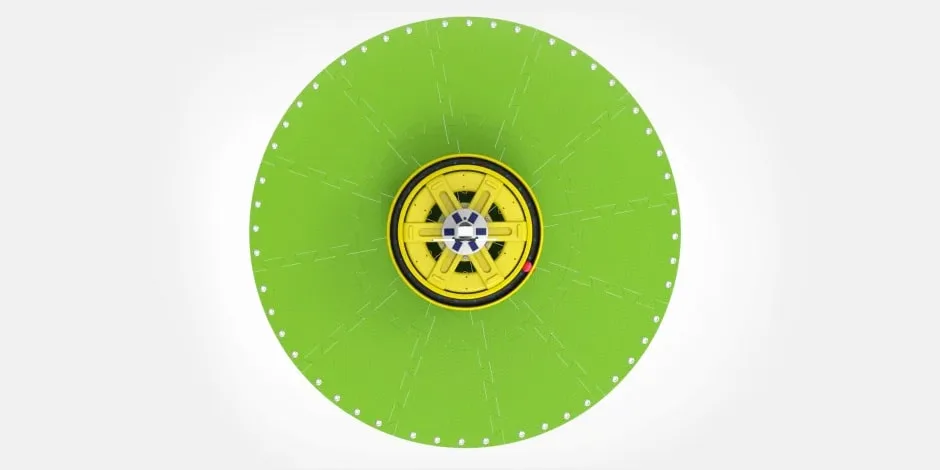
Richard Carmody brought us Perky Paws with a drafting background and a clear vision. We researched materials and play patterns, then delivered CAD models, renderings, animations and technical drawings he used to present to investors and get accurate production cost estimates.
Project at a glance
- Client
- Richard Carmody — entrepreneur and dog owner, Atlanta, Georgia
- Product
- Perky Paws — a line of automated interactive dog toys
- Goal
- Investor-ready technical designs to raise funding for prototyping and marketing
- What we delivered
- Research, 3D CAD models, renderings, animations, technical drawings, production cost estimates
- Outcome
- Concept presented confidently to investors with accurate manufacturing costs

The client
The challenge
Our solution
The result
https://sketchfab.com/3d-models/perky-paws-76c7415eb8ef4641ae4b07504aacff2d
Watch the Perky Paws pet toy prototype on Vimeo


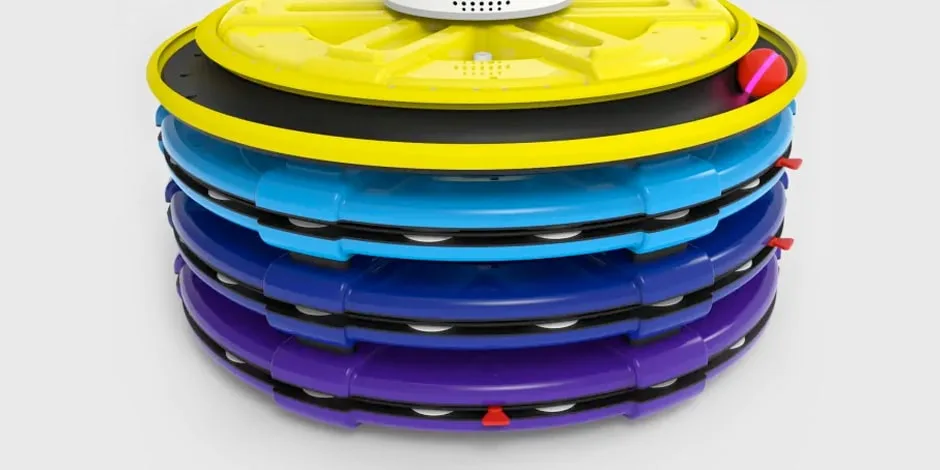
Pet product development at a glance
| Industry | Pet products |
|---|---|
| Scope | Concept design, mechanism engineering, electronics, prototyping |
| Product | Automated interactive dog toy |
| Deliverables | Working prototype, CAD, DFM package, renderings |
| Typical timeline | 3-6 months concept to manufacturing-ready |
The problem: keeping a dog engaged without a person in the room
An automated pet toy has to hold a dog''s attention, survive being chewed and thrown, run safely unattended, and still land at a shelf price pet owners will pay. Those four constraints pull against each other, which is why most pet product ideas stall between sketch and prototype.
How we develop a pet product
- Concept design against a target retail price, not just a shape
- Mechanism and motor selection sized for repeated abuse
- Electronics and control so unattended operation stays safe
- Material choices that pass chew, drop and cleaning realities
- Prototypes a dog can actually test, then DFM for volume production
Frequently asked questions
How much does it cost to develop a pet product?
A mechanical or motorised pet product usually runs $15,000-$50,000 through design, engineering and prototyping, depending on electronics content.
Do you make pet products in small runs?
Yes - short-run manufacturing lets you sell hundreds of units and prove demand before committing to injection mould tooling.
Can you help with packaging and retail presentation too?
Yes. Packaging design, renderings and sell sheets are produced from the same CAD used for engineering.
Capabilities used on this project
Rapid prototyping services
3D printing, CNC machining, urethane casting and functional prototype builds with published materials, tolerances and lead times.
Concept design
Sketch exploration, form studies and CAD concepts that turn an idea into a buildable direction.
Prototype design and engineering
Design for the prototype itself: CAD, tolerance stacks, material choices and assembly detail before anything is built.
Design for manufacturing
Molding-ready geometry, tolerances, production drawings, assembly documentation and DFM review with the tooling vendor.
How a pet toy concept becomes an investor-ready product
1. Research the user, who has teeth
We studied dog toys, materials and play patterns before modeling. Safety and durability for all sizes and breeds are constraints you design around, not test for at the end.
2. Give the concept an engineered shape
Richard's vision became detailed 3D CAD with the ergonomic form and material choices resolved. A model with real geometry is what makes every later step possible.
3. Produce the technical record
Dimensioned drawings and specifications for each toy, so prototypes come back accurate and factories can quote against facts rather than interpretations.
4. Build the investor assets from the same model
Renderings and animations for presentations came off the same CAD as the technical drawings — one source, no contradictions between the pitch and the product.
5. Get real cost estimates early
Accurate production and manufacturing estimates told Richard what raising the money actually required. A concept with a credible cost picture is a fundamentally different investor conversation.
| Asset | What it proves | Delivered for Perky Paws |
|---|---|---|
| 3D CAD models | The toy is a real, buildable object | Full models of each toy in the line |
| Renderings and animation | How it looks and plays | Presentation visuals of the product in use |
| Technical drawings | A prototype shop can quote it | Dimensioned drawings for every toy |
| Safety and durability research | Dogs will chew it | Materials and play patterns researched across sizes and breeds |
Questions about this project
Straight answers from the engineers who ran the build. Have a different question? Ask us directly.
Talk to an engineerWhat do I need before pitching a pet product to investors?
An engineered concept: CAD models, renderings or animations that show the product, technical drawings that prove it can be built, and a credible production cost estimate. That package is what we produced for Perky Paws.
What makes dog toy design different from other products?
The user bites, throws and chews the product, unsupervised. Material safety, durability across dog sizes, and engagement that lasts are the core constraints — the styling serves them, not the reverse.
Can I get manufacturing cost estimates before prototyping?
Yes — from production CAD and a bill of materials, factories and our team can estimate tooling and unit costs closely enough to build a funding target around, which is exactly what Richard used.
Industries this project belongs to
See how we approach development in each of these categories, and the other products we have taken from sketch to production there.