
Written by Yelena Rymbayeva, MPhil Communication & Media Studies, BTech Quality Control
Marketing & Product Leader, Technology Commercialization
Published August 10, 2026
Retail packaging for a small electronics accessory has to do three things in one structure: show the product clearly, hold it rigid enough to survive a supply chain, and hang or stack in the space the retailer gives you.
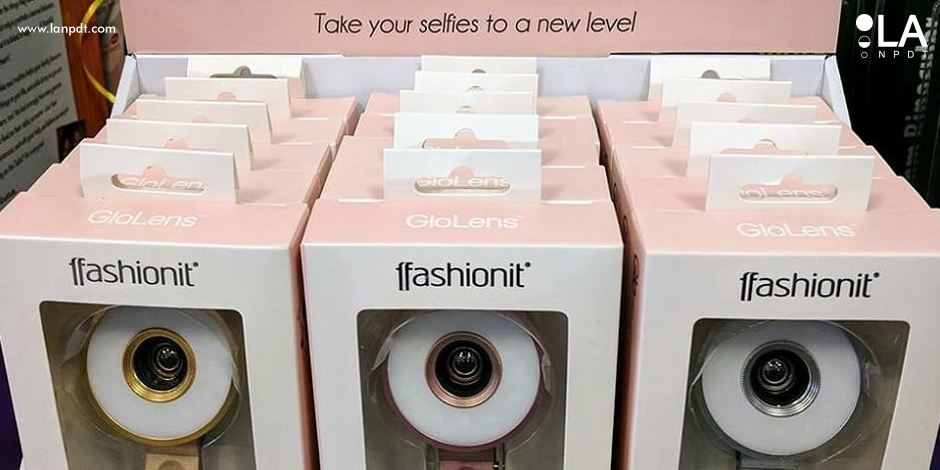
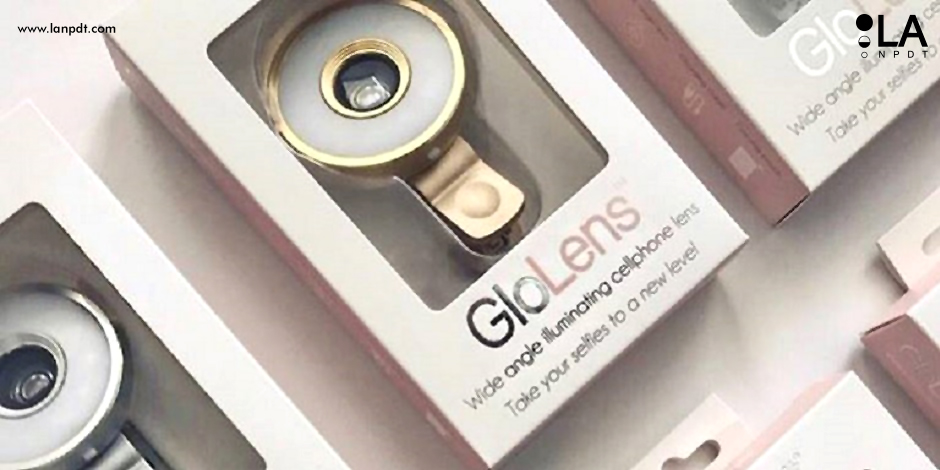
Fashionit's GloLens selfie clip got a clear-screen pack that showcases the lens and a snug case that prevents damage in shipping — the two requirements that decide whether an accessory arrives on shelf looking new.
Project at a glance
- Client
- Fashionit — consumer tech accessories brand
- Product
- GloLens clip-on selfie light and lens
- Scope
- Retail packaging structure, dieline and graphics
- Structure
- Peg-ready pack, clear front screen, vacuum-formed retention tray
- Designed for
- Hang fit, case pack and freight decided with the pack footprint
- Studio
- Ruston, Louisiana
What the client said
★★★★★
“Great company to work with. Konstantin is very responsive and very very reliable. Super talented and hardworking people. Would definitely recommend!”
 Annabel WolmanCEO, FashionIt / U SpeakerGoogle review
The client
Fashionit is a consumer accessories brand that builds everyday tech products for a fashion audience — items bought on appearance as much as on function. The GloLens is a clip-on selfie light and lens for a phone, sold at retail and online, which puts the whole buying decision on a package roughly the size of a postcard.
The challenge

Fashionit needed product packaging design services for a launch product with two incompatible-looking requirements. The package had to show the GloLens itself — shoppers judge finish, size and build quality of an accessory in person, and a photograph on a closed box loses that argument — while holding the part rigid enough to survive palletised freight, warehouse handling and a retailer stocking the peg.
Anything that rattles in transit arrives scuffed, and a scuffed accessory behind a window is worse than no window at all. So visibility and immobilisation had to be solved in the same structure rather than traded against each other.
Our solution
We designed the pack around the peg first. Hang-tab position, overall footprint and how the face reads from three feet away were fixed before any graphics were drawn, because those dimensions are set by the retailer and change everything downstream — case pack quantity, master carton size and freight cost included.
Inside, a vacuum-formed tray was shaped to the GloLens so the clip and lens sit still in the pack. A clear front screen leaves the product visible without exposing it, and the front panel was laid out around a single benefit rather than a feature list, because a peg shopper gives the face about two seconds. Back-panel copy carries the detail for the buyer who has already picked the pack up.
The result
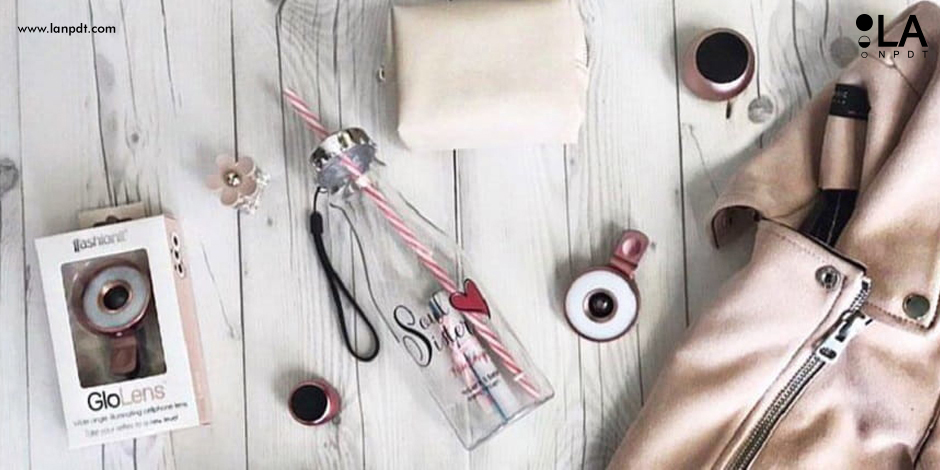
GloLens shipped in a pack that hangs straight, shows the product, and arrives undamaged — and the same structure carried across colour variants, so the line reads as a family on a shelf instead of as separate SKUs. The product went on to sell strongly and pick up steady social attention, which is the outcome packaging can support but never manufacture on its own.
Packaging is the last salesperson
On a peg wall a package gets about two seconds and three inches of visible face to say what the product is, who it is for and why it beats the one hanging next to it. Everything else — protection, hang fit, case pack, opening experience — has to happen without spending any of that space. That is why we design structure and graphics together rather than treating the artwork as a skin applied to a box someone else specified.
The same approach runs across our product packaging services, and the PowerPad Beauty cosmetic packaging project shows how it adapts when the shelf is a beauty aisle instead of an accessories peg. Structure, dielines and prototypes are produced by our team in Ruston, Louisiana.
Capabilities used on this project
Rapid prototyping services
3D printing, CNC machining, urethane casting and functional prototype builds with published materials, tolerances and lead times.
Designing packaging for a small accessory
1. Size the pack to the retailer, not the product
Peg-ready packs have a hang-tab standard and a maximum width before they crowd a hook. Getting the footprint right first prevents a redesign after the buyer meeting.
2. Make the product visible
Accessories sell on appearance. A clear screen over the product beats a photograph of it, because the shopper is judging finish and size in person.
3. Immobilise the part
Small products rattle. A snug formed case or tray keeps the item from moving during palletised shipping, which is where scuffs and broken clips happen.
4. Design the opening experience
Sealed clamshells frustrate buyers and generate returns. A pack that opens cleanly and can be re-closed keeps the product looking premium after purchase.
5. Plan the shipper at the same time
Case pack quantity, master carton dimensions and pallet pattern come from the retail pack's footprint. Deciding them together avoids a wasteful shipper and surprise freight cost.
| Job | Why it matters | How we solved it on GloLens |
|---|---|---|
| Sell from the peg | Two seconds and three inches of visible face | Clear window that shows the clip and light directly |
| Protect in transit | Damage in shipping and retailer handling kills margin | Snug internal case that holds the product still |
| Explain the product | Shoppers will not read a paragraph | Front panel built around one clear benefit |
| Hang and pack well | Peg fit and case pack drive shelf and freight cost | Structure designed to hang straight and pack efficiently |
Questions about this project
Straight answers from the engineers who ran the build. Have a different question? Ask us directly.
Talk to an engineerWhat do product packaging design services actually include?
Structure and graphics together: pack footprint and hang or stack format, the internal retention that holds the product still, the dieline a converter can run, and the printed panels. Case pack and shipper dimensions fall out of the same decisions, so they get set at the same time.
Should a small accessory be visible through the package?
Almost always. Shoppers judge finish, size and build quality of an accessory in person, and a photograph on a closed box loses that argument. The trade is that a window removes material, so the internal tray has to do more of the protective work.
How do you keep a product from being damaged in shipping?
A formed tray or case shaped to the part so nothing moves. Rattle is what causes scuffs and broken clips during palletised freight and warehouse handling, and a scuffed product behind a clear window is worse than no window at all.
Why does the retailer's peg spec come before the design?
Hang-tab position and maximum width are fixed by the retailer, and they drive case pack quantity, carton size and freight cost. Designing the face first and fitting it to the peg afterwards means redoing the structure after the buyer meeting.
How long does a retail pack take?
For an accessory of this size, typically a few weeks from brief to print-ready files: structural concepts and a physical prototype first, then graphics against the approved dieline. Converter lead time for tooling and first run is separate and usually longer.
Industries this project belongs to
See how we approach development in each of these categories, and the other products we have taken from sketch to production there.