
Written by Ashok Chintagunta, MS Computer Science, Louisiana Tech University
CTO & Software Engineer, AI and Automation
Published August 10, 2026
A photographer's website has a paradox to solve: the images must dominate completely, yet the site still has to load fast and rank in search.
For photographer Valeriya Mytnik we built a portfolio site that does both — galleries that let the work breathe, on a structure engineered for speed and bookings.
Project at a glance
- Client
- Valeriya Mytnik, photographer
- Category
- Portfolio website
- What we delivered
- Photography website design and build
The client
The challenge

Our solution
The result
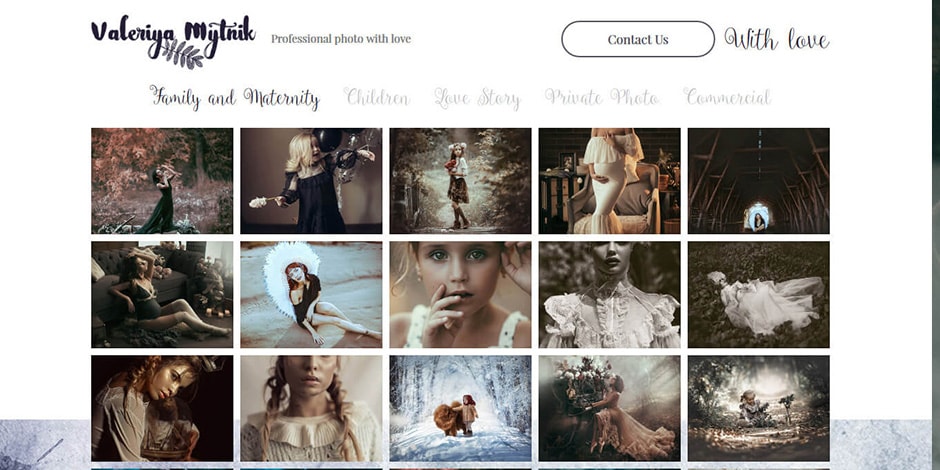
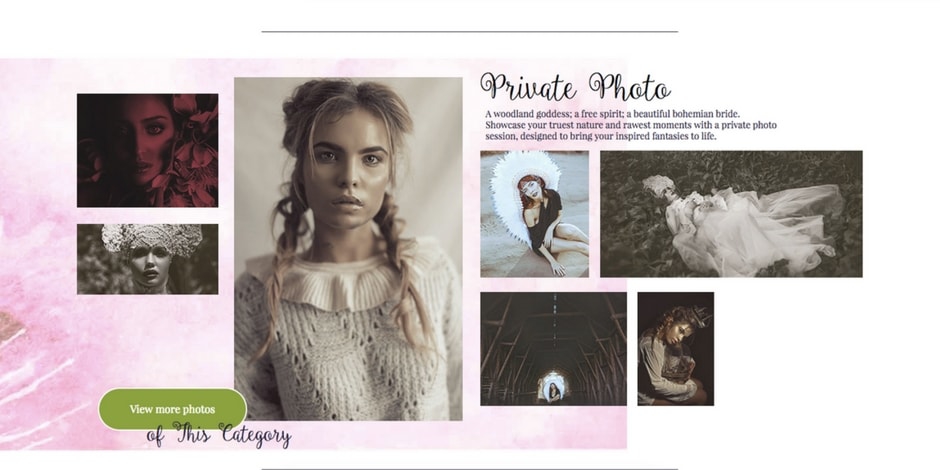
Photography website design at a glance
| Scope | Site structure, gallery design, responsive build, inquiry flow |
|---|---|
| Priorities | Image quality, fast loading, mobile browsing, easy client contact |
| Deliverables | Responsive site, galleries, contact and booking forms, CMS handoff |
| Typical timeline | 4-10 weeks |
Portfolio sites usually fail on speed, not taste
Photographers upload full-resolution files, the homepage takes eight seconds on a phone, and the client leaves before the first image renders. A photography site is an image-delivery problem first and a design problem second.
How we built it
Galleries were built to serve properly sized, compressed images per device with progressive loading, so browsing stays fluid on mobile data. Navigation was kept minimal to hold attention on the work, and inquiry forms were placed at the end of every gallery so interest converts where it peaks.
Frequently asked questions
Can the photographer update galleries?
Yes. Sites are handed off with a simple content system for adding images and posts.
Do you handle SEO for photography sites?
Yes — location and service page structure, image alt text and metadata are part of the build.
Can you add booking and payments?
Scheduling, contracts and deposits can be integrated when required.
What a photographer's website must do
1. Get out of the way of the work
Minimal chrome, generous spacing, no visual noise competing with the images. The design's job is to disappear and let the photography be the experience.
2. Engineer image delivery for speed
Photography sites are the heaviest pages on the web by default. Responsive sizing, modern formats and lazy loading keep a gallery fast without visibly compressing the work.
3. Structure galleries around how clients buy
Clients book a photographer for a specific need — portraits, events, commercial. Separate galleries per service so each visitor sees the relevant work first.
4. Make booking one step from the work
Every gallery ends with an inquiry path. A visitor moved by the images should never have to hunt for how to hire.
| Element | Why it matters |
|---|---|
| Service-split galleries | Clients see relevant work immediately |
| Fast image delivery | Speed without visible compression |
| About with a face | Clients book a person, not a portfolio |
| One-step inquiry | Convert while the impression is fresh |
Questions about this project
Straight answers from the engineers who ran the build. Have a different question? Ask us directly.
Talk to an engineerHow much does a photographer website cost?
A professional photography portfolio site typically runs $3,000 to $10,000 depending on gallery structure and features like client proofing.
How do photography sites stay fast with so many images?
Responsive image sizes, modern formats, lazy loading and disciplined gallery lengths. Speed is engineered in, not sacrificed for the imagery.
Should a photographer show prices on the website?
Starting prices or a 'from' figure usually increases qualified inquiries — it filters out mismatched budgets before they consume your time.
Other brand, web and video projects
- Website migration project
Platform move with URL structure and rankings preserved.
- Climb Stopper logo design
Brand mark for a child-safety product line.
- Modern clean logo design
Minimal wordmark built for small-format packaging.
Looking for physical product work instead? See the product development portfolio.