
Our work / Publynx

Publynx: SaaS Web App Development

Start a project
Publynx: SaaS Web App Development
Ashok Chintagunta

Written by Ashok Chintagunta, MS Computer Science, Louisiana Tech University

CTO & Software Engineer, AI and Automation

Published August 10, 2026

SaaS application development means building a product people log into and pay for monthly — which makes retention, not launch, the real engineering target.

Publynx was built with us from concept through working platform: user flows, interface design, application development, and the infrastructure to run it as a subscription service.

Project at a glance

Project
Publynx — SaaS platform
Category
Software / SaaS
What we delivered
UX flows, interface design, application development

The client
LA NPDT’s marketing team felt the need of a custom-tailored tool that would allow to benefit from sharing third-party content on our social media channels.
We were interested in a platform that would not only help our marketeers but also other marketing agencies and professionals. The tool was supposed to allow them to benefit from sharing relevant content with their audience. Growing, engaging, and educating your audience are critical processes in business and product marketing.
Saas Application Development, web app development company, software development louisiana, app development shreveport

The challenge

Saas Application Development, web app development company, software development louisiana, app development shreveport
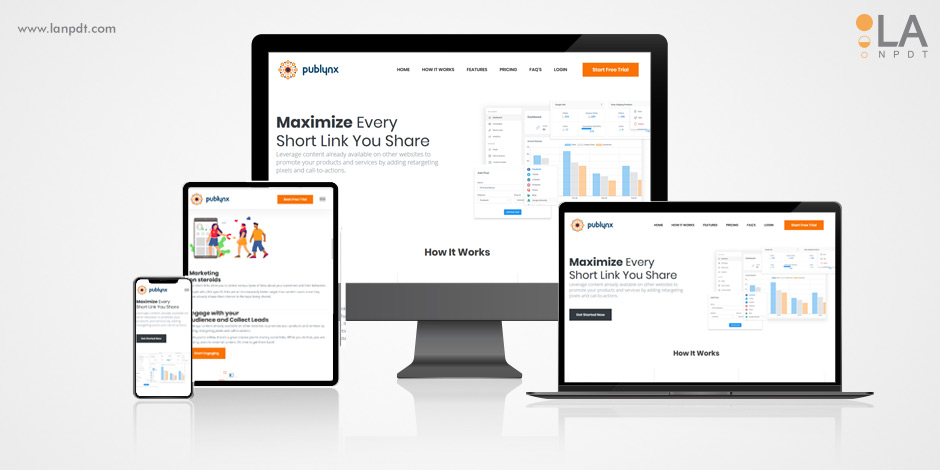
The challenge with this project was developing a platform that would have a large number of features but would still be simple enough for anyone to use. Also, we couldn’t dedicate too much time to this internal project, so we had to develop the web app quickly.
In terms of the features, we not only needed those for sharing the content, but we also needed to design user-friendly analytics functionality and interface. Moreover, we wanted to integrate adding custom scripts, social media pixels, and an ability for the users to add their domains.

Our solution

We started Publynx application developmentby creating a few conceptual designs of the user interface (UI). Our developers then used the concepts to build functional prototypes. We decided to create the system using the php framework Laravel due to its many advantages and benefits when it comes to libraries, high security, url generation, performance and scalability. Using the framework allowed us to speed up the development process.
In addition to implementing the initial set of features like re-targeting, social media pixels, and the capability of adding custom scripts, we worked on making smart links data collection and analytics as straightforward as possible.
Upon completion of the Beta version we gathered a team of Beta testers who evaluated the system and provided their feedback. This allowed us to fix some bugs and make the user interface more intuitive. Morever, the feedback we received was useful for planning the further improvements and features we are going to add.

The result

Due to the cross-functional collaboration, our team was able to take this internal SaaS application development from idea to deployment in record time. By addressing our internal marketing needs, we also built a tool that is beneficial to other marketing specialists and agencies. Thus we decided to turn this tool into a SaaS (Software as a Service). Users can now purchase one of the three monthly subscriptions at publynx.com.

Visit Publynx –>

In the meantime, our developers didn’t stop and continue to work on the next versions that would include new upgrades and features

SaaS application development at a glance

ScopeProduct definition, UX, front end, API, database, deployment
ArchitectureMulti-tenant web app with role-based access and admin tooling
DeliverablesWireframes, design system, working platform, source, handoff docs
Typical timeline4-9 months to first paying customers

Why most SaaS builds stall

Founders usually arrive with a feature list rather than a first release. Every feature sounds mandatory, the build grows, and the launch date slides until the budget is gone. We start by defining the smallest version that a customer would pay for, then sequence everything else behind it so the platform earns while it grows.

How Publynx was built

We mapped the workflows first, wireframed the screens that carry them, and built a reusable component set so new modules ship without redesign. The backend was structured for multi-tenancy from day one — accounts, roles, permissions and billing hooks — because retrofitting tenancy later is the most expensive rewrite in SaaS.

Frequently asked questions

How much does SaaS application development cost?

A focused first release typically runs $40,000 to $150,000 depending on integrations, user roles and how much of the workflow is automated.

Do we own the code?

Yes. You receive the repository, infrastructure configuration and documentation; there is no lock-in to us as a vendor.

Can you take over an existing codebase?

Often, yes. We start with an audit of the code and data model and give you an honest read on whether extending or rebuilding is cheaper.

Capabilities used on this project

  • Rapid prototyping services

    3D printing, CNC machining, urethane casting and functional prototype builds with published materials, tolerances and lead times.

How a SaaS product gets built

  1. 1. Define the one job the product does

    SaaS products fail from feature sprawl, not feature shortage. We fix the single workflow the product must nail before anything else enters the backlog.

  2. 2. Design the flows before the screens

    Signup, core action, and return visit are the three flows that decide whether a subscription survives. Those get designed first; settings pages come later.

  3. 3. Build an MVP that is actually usable

    Minimum viable means fewer features done properly — not every feature done badly. A narrow product people rely on beats a broad one they abandon.

  4. 4. Instrument from day one

    Activation, retention and churn have to be measurable before launch. Without them you are guessing about the numbers your investors will ask for first.

SaaS build phases
PhaseOutputTypical timeline
DiscoveryFlows, scope, architecture2–4 weeks
DesignUI and prototype3–6 weeks
MVP buildWorking product8–16 weeks
Launch and iterateInstrumented releaseOngoing

Questions about this project

Straight answers from the engineers who ran the build. Have a different question? Ask us directly.

Talk to an engineer
How much does SaaS application development cost?

A focused MVP typically runs $40,000 to $150,000 depending on scope and integrations. The largest cost driver is feature count, which is why scope discipline matters more than hourly rate.

How long does it take to build a SaaS MVP?

Three to six months from discovery to a launchable product for most single-workflow applications.

Should I build the full product or an MVP first?

MVP, essentially always. Real usage data reorders your roadmap within weeks, and building the full vision first means building most of it wrong.

More of our work

  • Revolutionizing Shaving with a Waterproof Electric Razor

    Revolutionizing Shaving with a Waterproof Electric Razor

    GONUTZ, developed by LA NPDT, is an innovative shaver designed for versatility and comfort. Its unique ergonomic design and efficient foil blade system offer a safe, high-quality shaving experience for various body areas.

  • Hand Tennis Glove: Designing the Equipment Behind a New Sport

    Hand Tennis Glove: Designing the Equipment Behind a New Sport

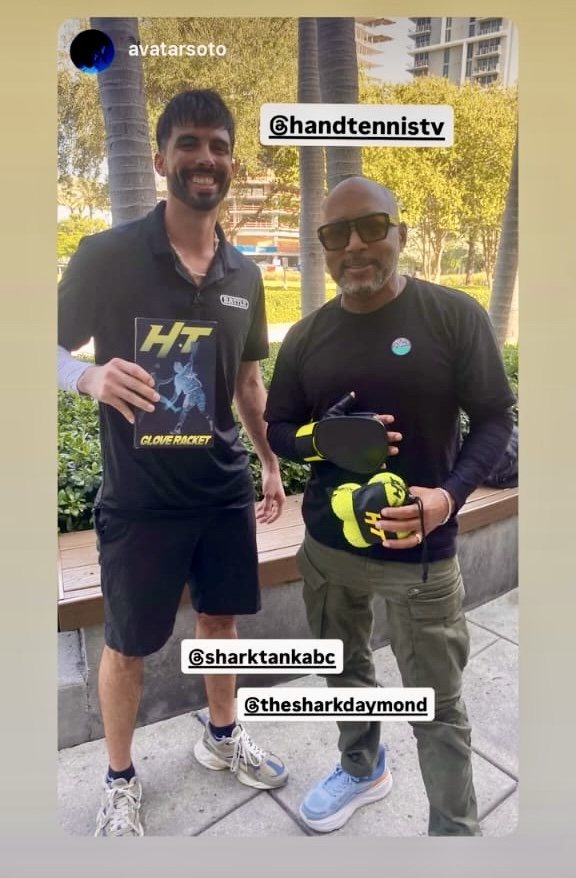
    Anthony Soto came to LA NPDT with a taped-together prototype and a simple question: could you hit a real tennis ball with your hand? We designed the glove, engineered a custom rubber-plastic striking pad, solved the stitching and durability problems, prepared it for manufacturing and produced the first articles and short-run batch that launched Hand Tennis as a sport.

  • Scratch Square: Design for Manufacturing and Assembly

    Scratch Square: Design for Manufacturing and Assembly

    A multi-functional toy that combines a treat dispenser with abrasive surfaces that naturally file a dog’s nails. The Scratch Square has become a bestseller, available through major retailers like Amazon, Chewy, QVC, Walmart, and Tractor Supply. The product’s success has led to an expanded line, including different sizes, replacement pads, and even a cat version.

Get in touch

Tell us what this is about

Share a few details about your question, partnership, or idea — a member of the LA NPDT team will reply within one business day.

Optional context

What are you looking to accomplish? (optional)

What do you already have? (optional — tick any)

Your information stays confidential and is never shared.