


Written by Konstantin Dolgan, Ph.D., NPDP
Founder & CEO, Product Development Engineer
Published August 10, 2026
Sustainable product design means making the environmental choice the easy choice — materials, construction and end-of-life designed in from the first sketch, not bolted on later.
This concept design portfolio shows that approach in practice: material reduction, recyclable and bio-based options, and forms engineered to use less without looking like less.
Project at a glance
- Category
- Sustainable consumer products
- What we delivered
- Concept design with material and end-of-life strategy
Stir n Go
The client
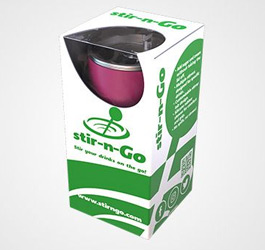
The challenge

Our solution
If you want us to work on your sustainable concept design, schedule a consultation with our experts here.
The result
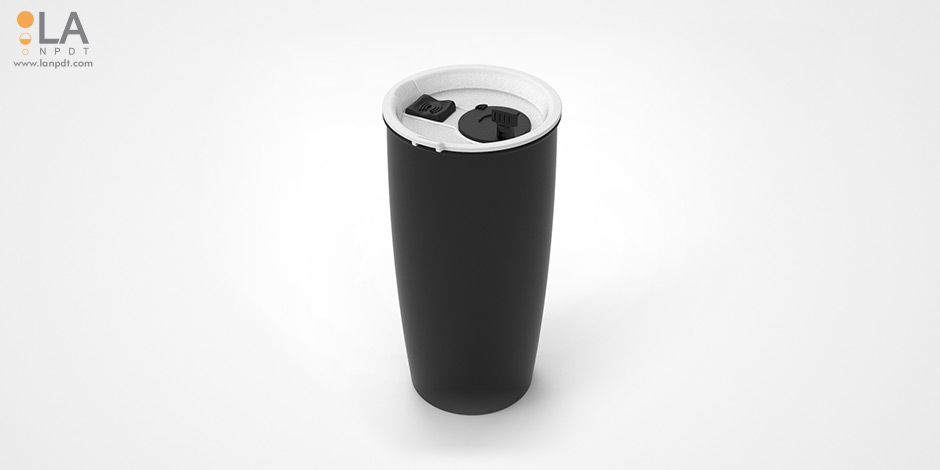
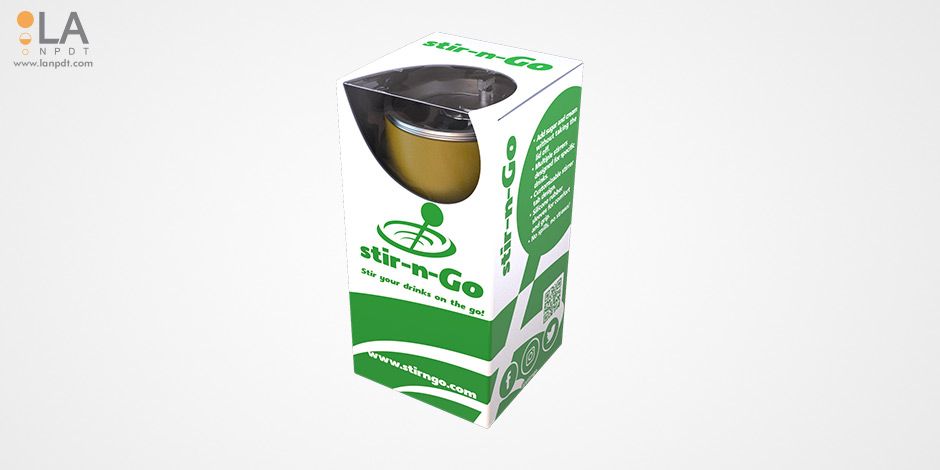
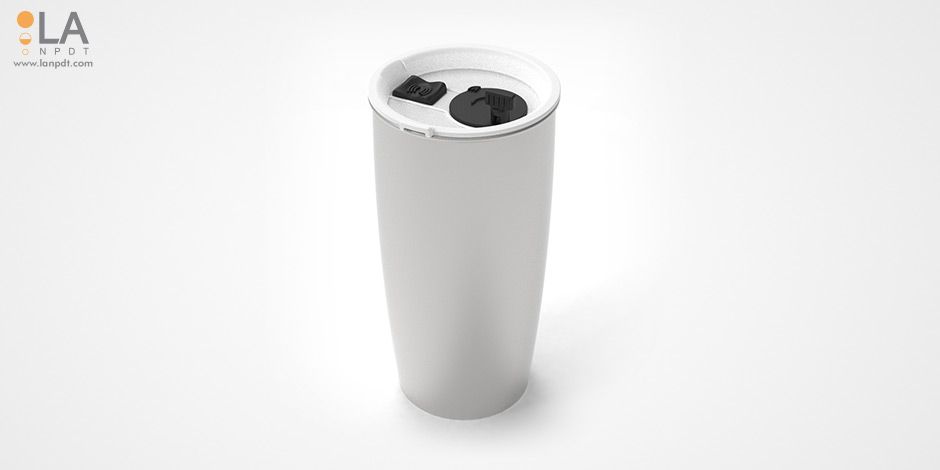
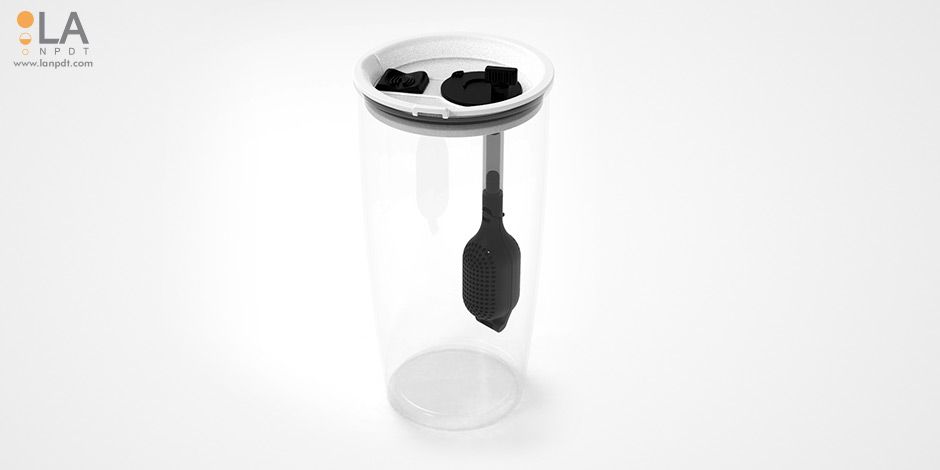
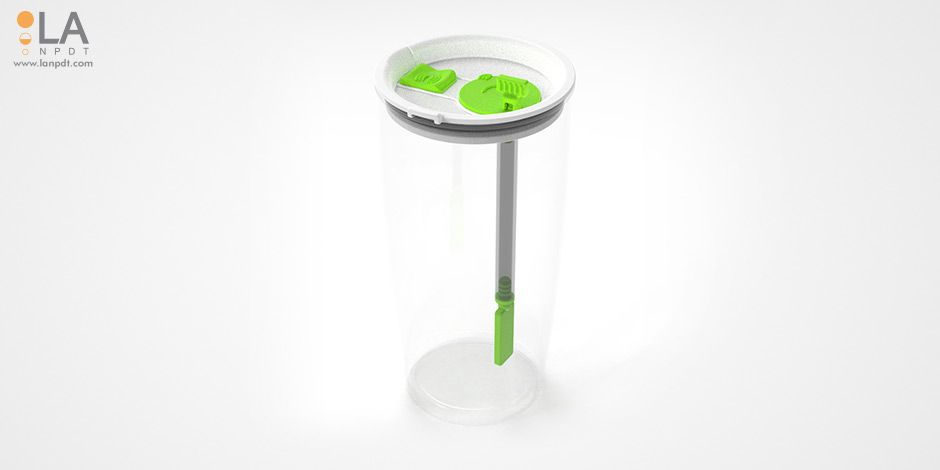
Stir n Go Development Stages
Frequently asked questions
What was the core problem the Stir n Go product aimed to solve?
Dr. Cunningham sought to solve the problem of ineffective coffee stirring in thermoses. He also aimed to reduce waste from plastic straws and spoons used for stirring. The Stir n Go was designed as a spill-proof cup and lid that allows stirring safely with zero waste.
What design considerations were important for the Stir n Go product?
Key design considerations included sustainable design practices and effective stirring functionality. The team also focused on reusability for both the cup and lid. Ease of use, manufacturability, and overall durability were evaluated for different concept designs.
How was customer feedback incorporated into the Stir n Go's development?
LA NPDT used rapid prototype development to create physical models for feedback. Online and in-person consumer surveys were conducted with Dr. Cunningham. Collected data helped modify and improve the design to meet customer requirements before launch.
What deliverables did LA NPDT provide for the Stir n Go project?
LA NPDT delivered the pre-production prototype of the cup and a packaging prototype ready for manufacturing. They also created a Stir n Go website, animations, and sell sheets. These materials supported Dr. Cunningham's market entry efforts.
Sources and standards
- Industrial Designers Society of America — Professional body for industrial design practice in the US.
- Nielsen Norman Group usability research — Evidence-based usability findings applied to product interaction.
- USPTO — patent basics — Official guidance on provisional and non-provisional filings for new products.
Sustainable product design at a glance
| Scope | Concept development, material selection, packaging reduction, DFM |
|---|---|
| Levers | Part consolidation, mono-material construction, thinner sections, refillability |
| Deliverables | Concept renderings, material rationale, manufacturing considerations |
| Typical timeline | 4-10 weeks per concept program |
Sustainability usually pays for itself
Most environmental improvements in physical products are also cost improvements: fewer parts, less resin, smaller cartons, fewer adhesives. The claims that cost money are the ones added at the end — a recycled badge on a design that was never rethought. We treat material and end-of-life as constraints during concept work, not as marketing applied afterwards.
What these concepts explore
The work in this portfolio focuses on mono-material assemblies that can actually be recycled, snap and living-hinge details that remove fasteners and glue, section reductions that keep strength while cutting resin, and packaging sized to shipping standards so fewer trucks move the same volume.
Frequently asked questions
Does sustainable design cost more?
Rarely, when it is done during concept. Part consolidation and material reduction usually lower unit and freight cost.
Can you convert an existing product?
Yes. We audit the current bill of materials and packaging and propose staged changes with cost impact.
Which materials do you recommend?
It depends on the recycling stream your market actually has. We choose for real recoverability, not the label.
Capabilities used on this project
Rapid prototyping services
3D printing, CNC machining, urethane casting and functional prototype builds with published materials, tolerances and lead times.
Concept design
Sketch exploration, form studies and CAD concepts that turn an idea into a buildable direction.
Design for manufacturing
Molding-ready geometry, tolerances, production drawings, assembly documentation and DFM review with the tooling vendor.
How sustainability gets designed in
1. Cut material before swapping material
The greenest resin is the one you do not use. Wall optimization and structural ribs often remove 20–30% of material mass before any eco-material conversation begins.
2. Choose materials with an end-of-life path
Recyclable mono-materials beat multi-material assemblies, because a product that cannot be separated cannot be recycled. We design disassembly and material purity into the part strategy.
3. Design for durability, not disposability
A product that lasts five years beats a 'green' product replaced yearly. Drop survival, UV stability and repairable construction are sustainability features.
4. Validate claims before printing them
Recyclable, compostable and bio-based all have specific meanings regulators enforce. We document material choices so the packaging claims survive scrutiny.
| Lever | Impact | Cost effect |
|---|---|---|
| Material reduction | High — less resin, less freight | Usually saves money |
| Mono-material design | High — enables recycling | Neutral |
| Recycled / bio resin | Medium — depends on supply | 5–30% material premium |
| Durability engineering | High — longer service life | Small tooling premium |
Questions about this project
Straight answers from the engineers who ran the build. Have a different question? Ask us directly.
Talk to an engineerDoes sustainable product design cost more?
Not necessarily. Material reduction usually saves money; recycled or bio-based resins carry a 5–30% premium on material, which is a small fraction of retail price on most products.
What is the most impactful sustainable design decision?
Designing for disassembly and mono-material construction. A product made of one recyclable material will actually be recycled; a glued multi-material product will not, whatever the label says.
Can I market my product as eco-friendly?
Only with documentation. FTC Green Guides require substantiation for environmental claims — we build the material documentation as part of the design package.


