Our work / SYmphonia Bags
Next-Generation Bag: Technology Product Development
SYmphonia Bags
Start a project

Written by Konstantin Dolgan, Ph.D., NPDP
Founder & CEO, Product Development Engineer
Published August 10, 2026
Technology product development means industrial design, mechanical engineering, electronics, firmware, app and cloud — under one roof, because a connected product fails at the seams between those disciplines.
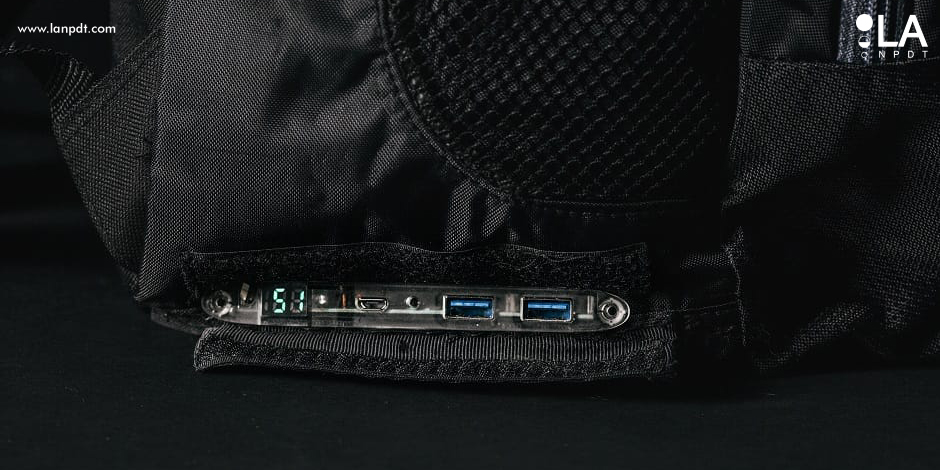
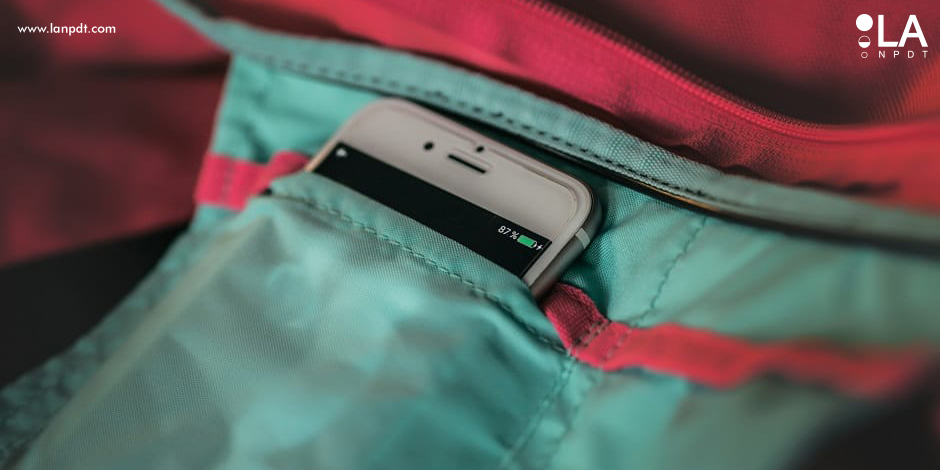
For SYmphonia's smart bags — wireless charging, GPS tracking — we turned a few owner sketches into a high-tech product design with renderings, working prototypes, and marketing materials ready for a Kickstarter campaign. Shown at an inventor conference, the concept resonated with the public before a single unit shipped.
Project at a glance
- Client
- SYmphonia
- Industry
- Connected consumer products
- Starting point
- A few sketches of bags with wireless charging and GPS tracking
- What we delivered
- High-tech product design, renderings of a handbag and backpack, three functional prototypes, electronics design, campaign marketing materials
- Validation
- Renderings shown at an inventor conference, where the concept resonated with the public
- Outcome
- An idea that existed only on paper is now ready for a crowdfunding campaign
The client
The challenge
Our solution
The result



Technology product development at a glance
| Scope | Industrial design, mechanical, electronics, firmware, app and cloud |
|---|---|
| Product type | Connected and electronic consumer or industrial devices |
| Deliverables | CAD, schematics and layout, firmware, prototypes, DFM package |
| Typical timeline | 6-12 months concept to manufacturing-ready |
Connected products fail at the seams
Hardware, electronics, firmware and app are usually built by four different vendors, and the product breaks wherever two of them meet: an antenna smothered by the enclosure, a battery sized for a duty cycle the firmware ignores, an app that assumes connectivity the radio cannot deliver. Keeping all four disciplines on one team is the entire point.
What an integrated program looks like
- Architecture set jointly by mechanical, electrical and software before CAD
- Power budget measured on hardware, not estimated from datasheets
- Enclosure designed around antenna and thermal reality
- Firmware and app developed against real prototypes throughout
- Certification and manufacturing planned from the start, not retrofitted
Frequently asked questions
What does a connected product cost to develop?
Full hardware-plus-software programs generally run $60,000-$250,000 depending on radio, certification and app scope.
Do you handle FCC certification?
We design for compliance and manage testing with accredited labs.
Can you take over a stalled project from another vendor?
Yes - we regularly audit inherited designs and pick up from wherever the files actually are.
Capabilities used on this project
Rapid prototyping services
3D printing, CNC machining, urethane casting and functional prototype builds with published materials, tolerances and lead times.
Electronic design and PCB engineering
Schematic capture, PCB layout, firmware and electromechanical integration for connected hardware.
Concept design
Sketch exploration, form studies and CAD concepts that turn an idea into a buildable direction.
The connected product playbook
Sketches to a coherent product
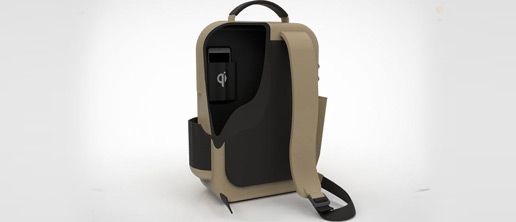
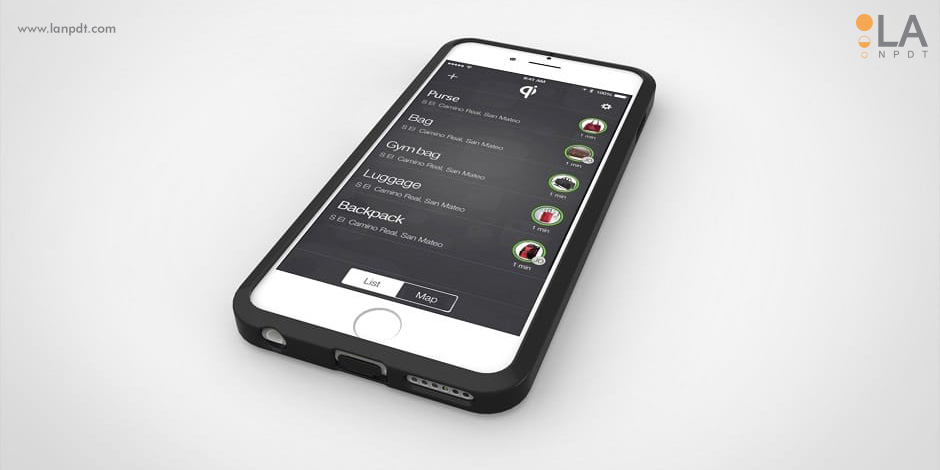
SYmphonia arrived with sketches, not specs. Our team shaped them into a handbag and a backpack where wireless charging and GPS tracking are integrated into the bag's architecture, not glued onto it.
Renderings that raise interest
Photoreal renderings of both bags let the founders demo the concept at an inventor conference. The public response validated the idea before engineering money was committed.
Prototype the technology, not just the bag
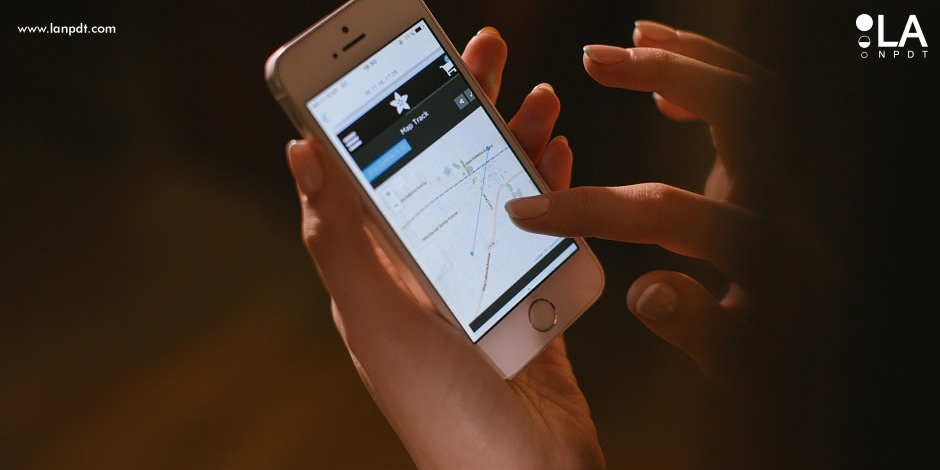
A smart bag prototype must actually charge a phone and report its location. We built functional prototypes so the crowdfunding campaign would stand on working hardware.
Campaign-ready means complete
Functional prototypes plus essential marketing materials left SYmphonia ready for crowdfunding. A campaign is a deadline that forces every discipline to finish together.
| Discipline | Contribution | Failure if skipped |
|---|---|---|
| Industrial design | Bag forms people want to carry | Tech that looks like a gadget, not a bag |
| Electronics | Wireless charging and GPS integration | Features that overheat or never pair |
| Prototyping | Functional working units | A campaign with nothing to show |
| Marketing | Renderings and campaign materials | A working product nobody hears about |
Questions about this project
Straight answers from the engineers who ran the build. Have a different question? Ask us directly.
Talk to an engineerWhat does technology product development cost?
Connected consumer products typically run $40,000 to $150,000 through working prototypes and a DFM package, depending on electronics and app scope. Concept and rendering phases start much lower.
Can I validate an idea before building prototypes?
Yes — SYmphonia's renderings were shown at an inventor conference first. Public reaction told the founders the idea was worth engineering.
Do I need separate firms for design, electronics, and app?
Not with a team that covers them together. Connected products fail at handoffs between disciplines; keeping them in one shop removes those seams.
What do I need for a Kickstarter-ready product?
Functional prototypes, renderings or photography, and campaign materials — exactly the package delivered for SYmphonia's smart bags.
Industries this project belongs to
See how we approach development in each of these categories, and the other products we have taken from sketch to production there.