Written by Konstantin Dolgan, Ph.D., NPDP
Founder & CEO, Product Development Engineer
Published August 10, 2026
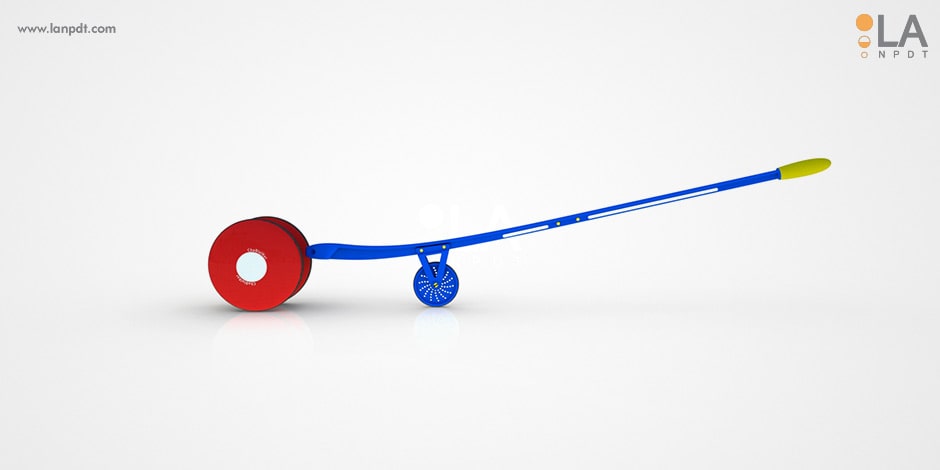
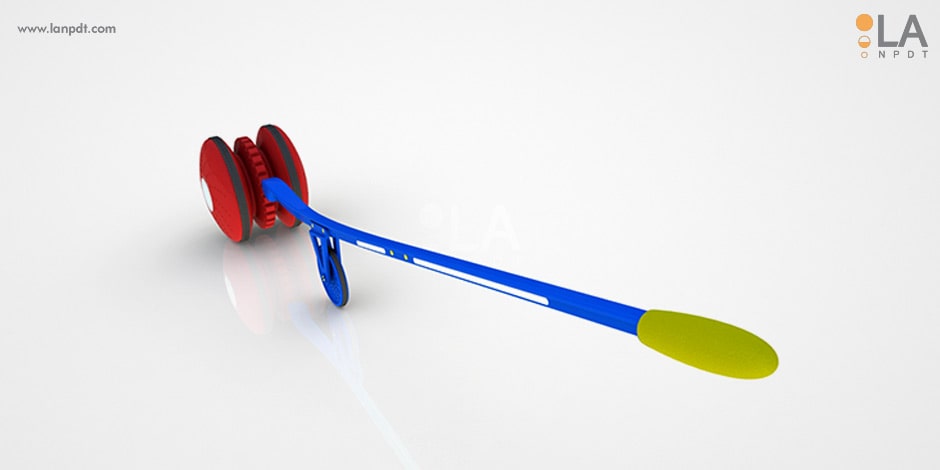
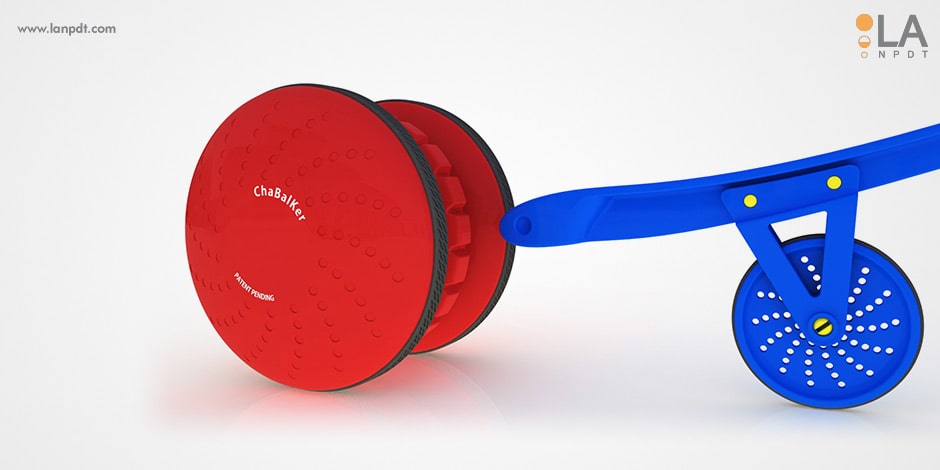
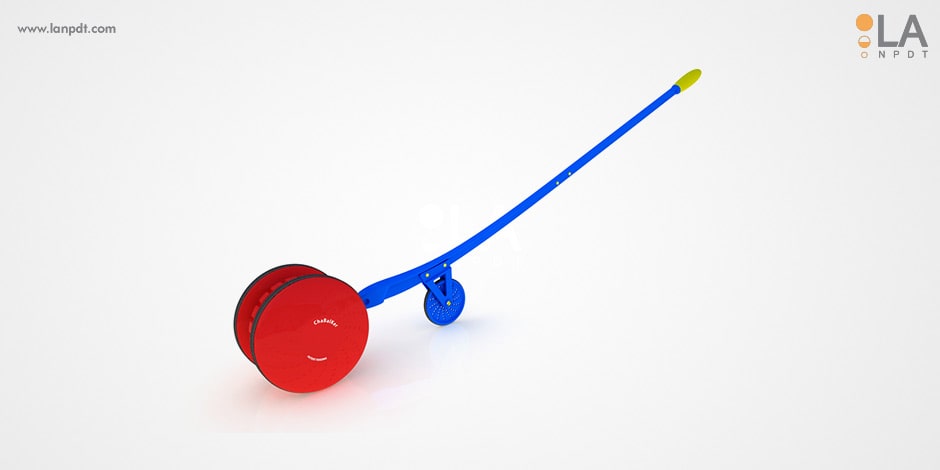
Toy inventor Thomas Walker brought years of concepts and handmade prototypes for ChaBlalker, a hand-eye coordination toy. We optimized the design for manufacturing, delivered a functional prototype, and built the brand — logo, identity, and website — on a fast-paced deadline.
Project at a glance
- Client
- Thomas Walker, toy creator and inventor
- Industry
- Toys and games
- Starting point
- Years of hand-made prototypes and concepts for the ChaBlalker toy
- What we delivered
- Design modifications for manufacturability, optimized prototype, logo and branding, modern website
- Product purpose
- A toy that develops hand-eye coordination and motor skills
- Outcome
- Manufacturing-ready toy with a brand identity, delivered on a fast-paced deadline
The client
Thomas Walker is a toy creator who spent years developing one idea: the ChaBlalker, a toy built to develop hand-eye coordination and motor skills. He came to us with the thing most inventors have and few know what to do with — a pile of concepts and hand-made prototypes that work in his hands and nowhere else.
What he needed was not a new toy. It was the same toy, made producible, plus a brand that could stand next to other children''s products on a shelf.
The challenge
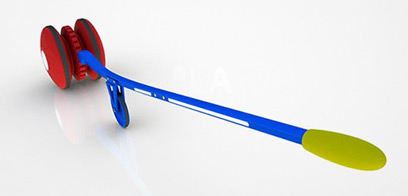
Hand-made prototypes hide their costs. Parts get glued, trimmed and fitted by the person who understands them; none of that survives contact with a molder. The redesign had to preserve the play action exactly — change the feel and you have a different toy — while cutting part count, replacing fasteners with features, and landing at a unit cost that still leaves margin after toy retail takes its share.
Toys also answer to rules no adult product faces. Small-parts and material requirements, plus abuse no engineer would design for voluntarily: dropped, chewed, twisted, thrown. And all of it on a fast-paced deadline, because Mr. Walker had a production window to hit.
- Preserve play function through the redesign
- Minimum part count and moldable geometry
- Child-safety and material requirements engineered in
- Logo, identity and website alongside the product
Our solution
We worked from everything Mr. Walker had — sketches, notes, and the physical prototypes — and reconstructed the toy in CAD around how it needed to be made rather than how it had been built. Snap features replaced hardware, walls were set for consistent molding, and the moving parts were dimensioned so the action stayed identical to the prototype that had proven the concept.
Then we printed and played with it. A coordination toy is judged by hand, so each iteration was built and used before the next round of changes, which is also how the durability weak points surfaced early.
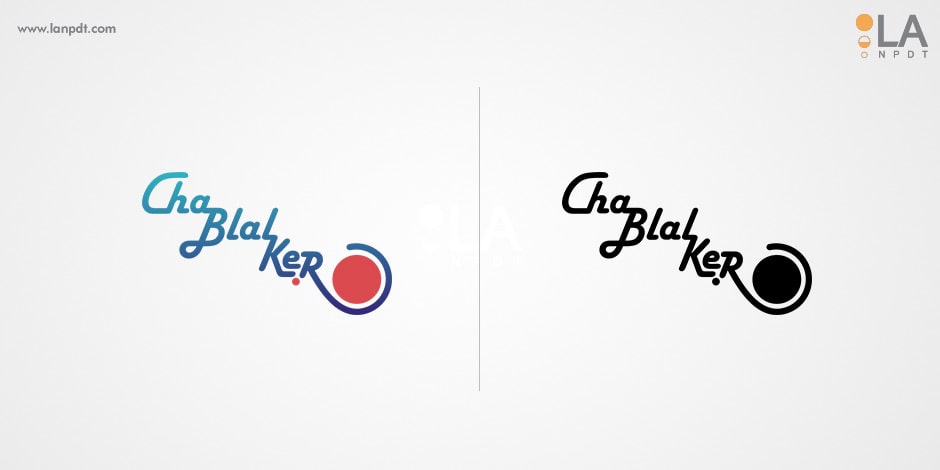
Alongside the engineering, our team produced the ChaBlalker logo, business identity and website, so the launch package arrived together instead of in three separate quotes. See our rapid prototyping capabilities for how those cycles run.
The result
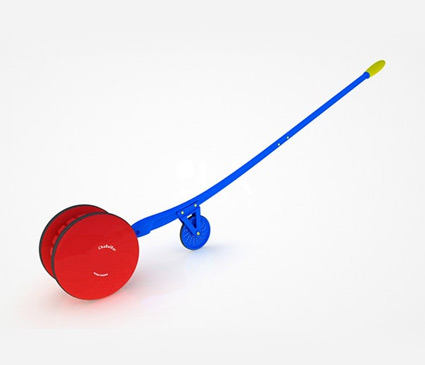
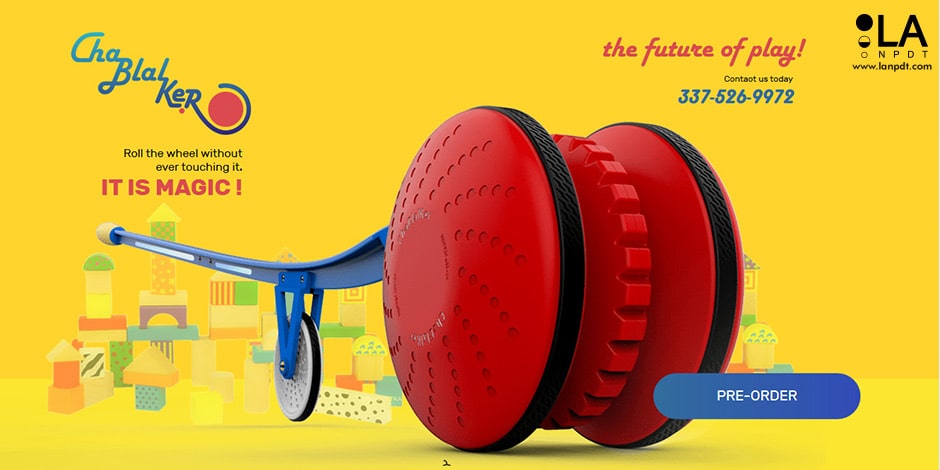
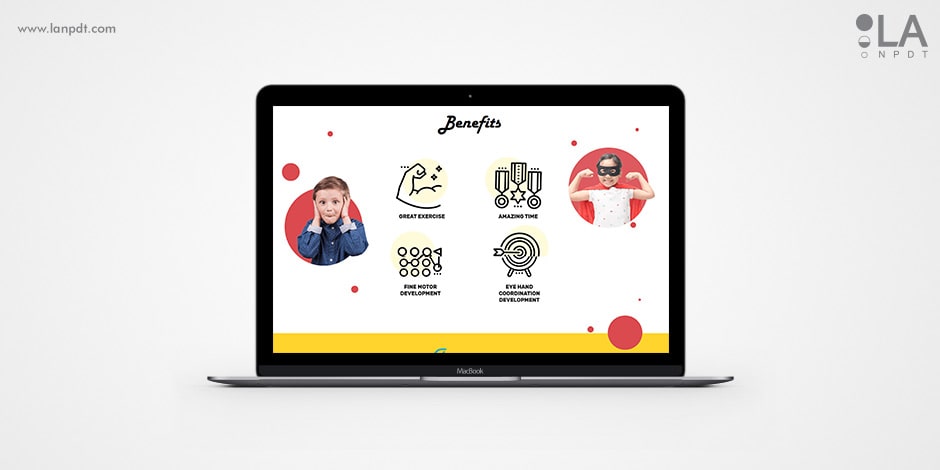
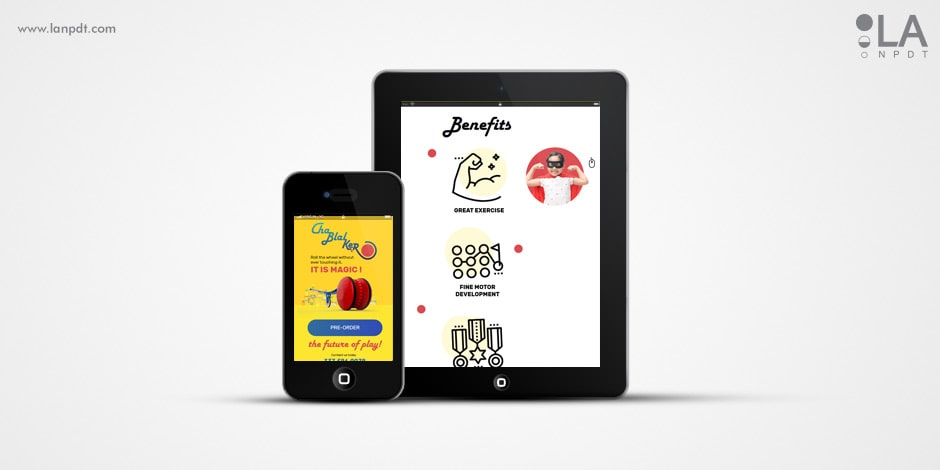
Mr. Walker received an optimized, functional prototype ready for manufacturing, plus the brand around it: a logo, a business identity and a modern website. Years of solo work turned into a complete package he could take to a manufacturer and to buyers in the same week.
The finished toy carries a character that separates it from generic children''s products — which matters as much as the mechanism when a parent is choosing between two boxes on a shelf.
What toy design work actually involves
Every toy project runs into the same wall: the version that proves the idea is never the version that can be made. Getting past it means an engineering pass that treats the play value as fixed and everything else — parts, fasteners, materials, wall sections — as negotiable, followed by physical prototypes because a coordination toy cannot be evaluated on a screen.
If you have hand-made prototypes and a production window, our design for manufacturing review covers that pass, and the Stardust and You toy prototype shows a related build. Toy engineering, prototyping and branding are done by our team in Ruston, Louisiana.
Toy design at a glance
| Industry | Toys and games |
|---|---|
| Scope | Concept design, mechanism engineering, prototyping, DFM |
| Constraints | Child safety, durability, small-parts rules, aggressive unit cost |
| Typical timeline | 3-7 months concept to manufacturing-ready |
Toys are cost-engineering problems wearing a fun costume
A toy must survive abuse an adult product never sees, contain nothing that can injure a child, and land at a unit cost that leaves room for two layers of margin. Every design decision - part count, material, mechanism, fastener - is judged against those three things simultaneously.
How we develop a toy
- Play value defined before form: what does the child actually do with it?
- Mechanisms designed for repeated abuse, not showroom demos
- Safety-driven detailing: no pinch points, no liberated small parts
- Moulded part design and part-count reduction for unit cost
- Prototypes for playtesting, licensing pitches or crowdfunding
Frequently asked questions
How much does toy development cost?
Most toy programs run $12,000-$60,000 through design, engineering and prototyping, before tooling.
Can you help license a toy concept?
Yes. Prototypes, renderings and a cost estimate are what a licensee needs to say yes.
Do you handle safety testing?
We design to the relevant safety standards and coordinate with accredited test labs for certification.
Capabilities used on this project
Rapid prototyping services
3D printing, CNC machining, urethane casting and functional prototype builds with published materials, tolerances and lead times.
Concept design
Sketch exploration, form studies and CAD concepts that turn an idea into a buildable direction.
Design for manufacturing
Molding-ready geometry, tolerances, production drawings, assembly documentation and DFM review with the tooling vendor.
How the ChaBlalker toy became manufacturable
Optimization of handmade prototypes
Mr. Walker arrived with concepts and hand-made prototypes accumulated over years. We kept the play function and appeal intact while modifying the design so it could actually be manufactured at a toy's price point.
Manufacturing-ready design on a deadline
Toy cost engineering is unforgiving: the product has to survive child-level abuse, pass small-parts rules, and still leave margin at retail. The redesign resolved those constraints into a manufacturable, functional prototype.
Brand identity and online presence
Beyond the product, we created the ChaBlalker logo, business identity, and website — the full package Mr. Walker needed to begin producing and selling his invention.
| Area | Handmade prototype | Manufacturing-ready design |
|---|---|---|
| Parts | Whatever works by hand | Minimum part count, snap-fits over fasteners |
| Safety | Not evaluated | Small-parts and material rules engineered in |
| Durability | Careful use | Survives drop, bite, and torque testing |
| Unit cost | Irrelevant | Designed to a target retail margin |
| Branding | None | Logo, identity, packaging direction, website |
Questions about this project
Straight answers from the engineers who ran the build. Have a different question? Ask us directly.
Talk to an engineerHow does toy design differ from other product design?
Safety rules and cost. A toy must pass small-parts and material requirements, survive abuse no adult product sees, and land at a unit cost that works with toy retail margins. Those constraints drive every engineering decision.
I have handmade toy prototypes — what is the next step?
Exactly what happened here: an engineering pass that preserves the play value while redesigning for manufacturability, then a functional prototype, then branding and launch assets.
How long does toy development take?
Three to seven months from concept to manufacturing-ready design for a mechanical toy, depending on mechanism complexity and safety testing requirements.
Do you handle toy branding and websites too?
Yes — for ChaBlalker we delivered the logo, business identity, and website alongside the product work, so the inventor had a complete launch package.
Industries this project belongs to
See how we approach development in each of these categories, and the other products we have taken from sketch to production there.