
Written by Ashok Chintagunta, MS Computer Science, Louisiana Tech University
CTO & Software Engineer, AI and Automation
Published August 10, 2026
Building a website builder application is a meta-engineering challenge: the product must make complex layout decisions feel simple to users who have never made one.
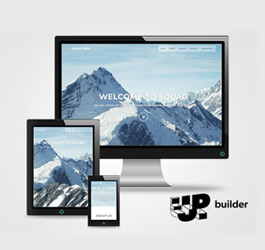
UP Builder was exactly that build — a full application with drag-and-drop editing, live preview and publishing infrastructure, designed and developed end to end.
Project at a glance
- Project
- UP Builder
- Category
- Web application development
- What we delivered
- Website builder application — UX and development
The client
The challenge
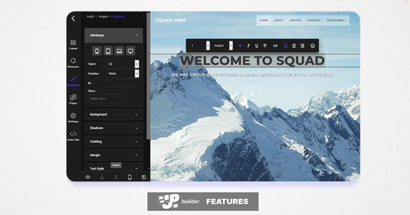
Our solution
The result
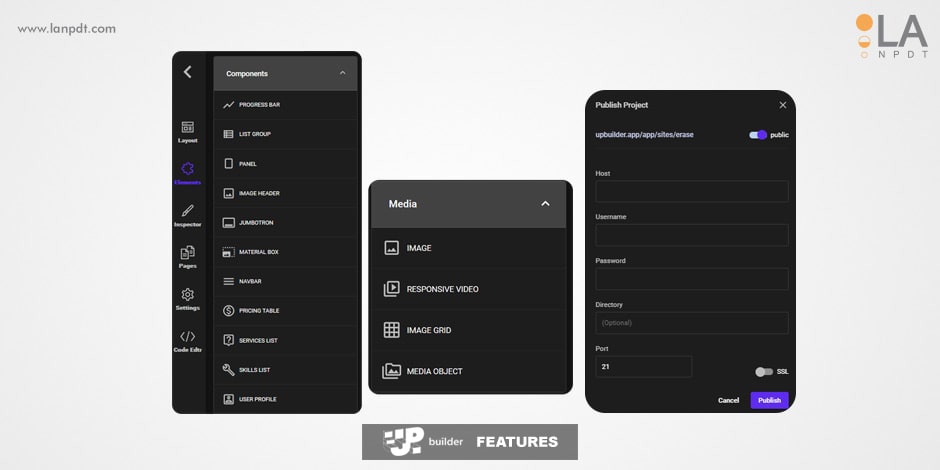
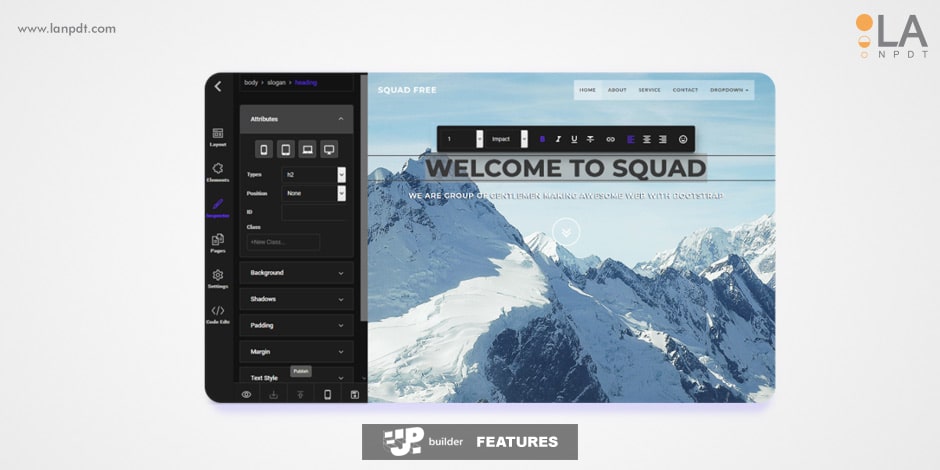
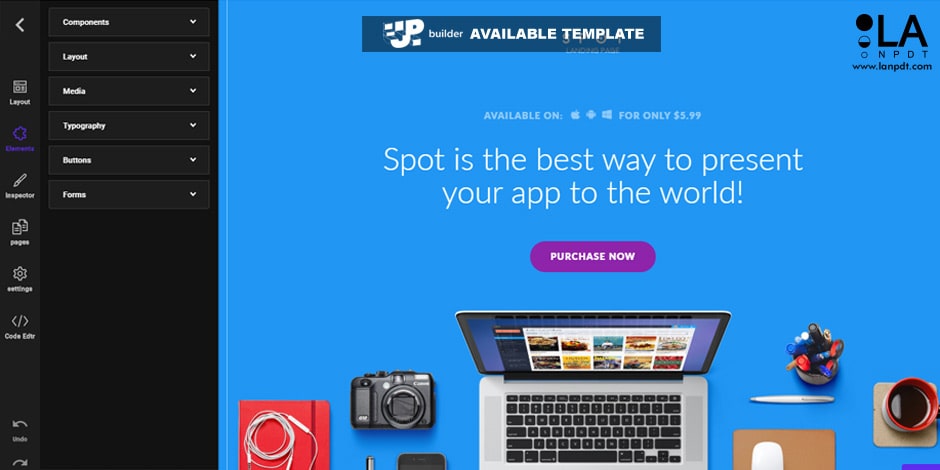
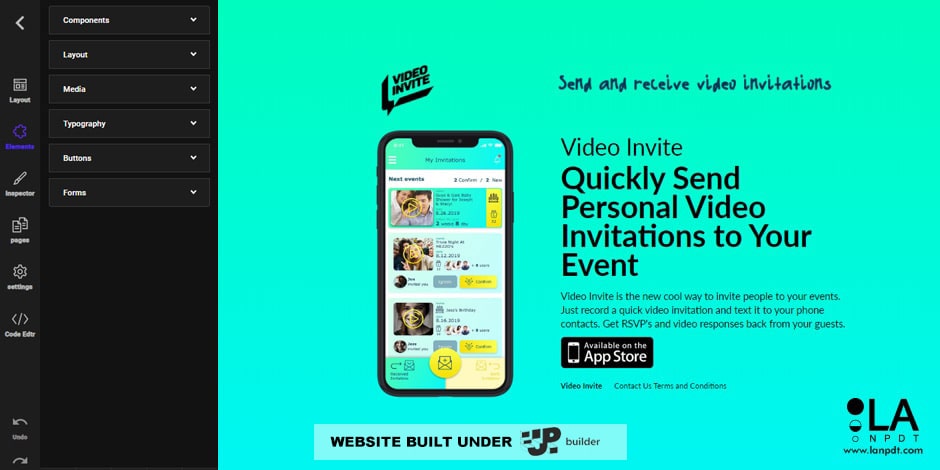
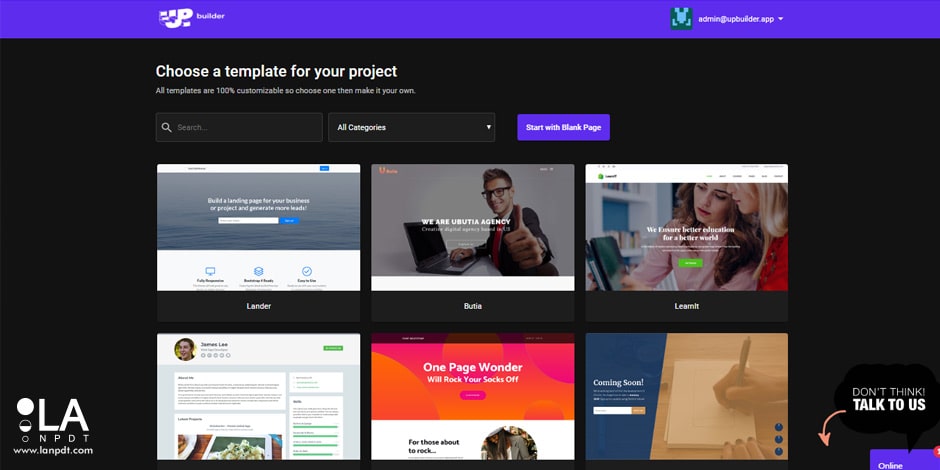
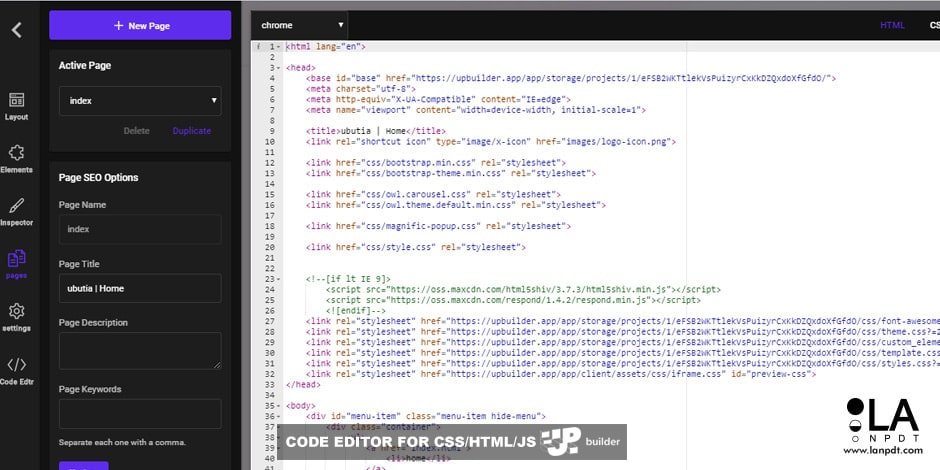
Project management software at a glance
| Scope | Product definition, UX, application development, deployment |
|---|---|
| Users | Project managers in the office and crews in the field |
| Deliverables | Working web application, admin tools, documentation |
| Typical timeline | 4-9 months for a first release |
Field software fails when it is built for the office
Tools designed around reporting dashboards get ignored by the people who have to enter the data. If updating a task takes more than a few taps on a phone with bad signal, the records stop being accurate and the dashboards become fiction.
How Up Builder was built
We defined the smallest set of actions crews actually perform, made those fast on mobile, and let the richer planning and reporting live where managers work. Development delivered a working release in stages so real usage informed the next build rather than a specification written a year earlier.
Frequently asked questions
Do you build custom software or configure existing tools?
Both. We recommend off-the-shelf when it fits and build custom when the workflow is the differentiator.
Can it integrate with accounting or scheduling systems?
Yes — integrations are scoped during product definition.
What does a first release cost?
Focused business applications typically run $40,000 to $150,000 for an initial production release.
Capabilities used on this project
Rapid prototyping services
3D printing, CNC machining, urethane casting and functional prototype builds with published materials, tolerances and lead times.
What building a builder involves
1. Design the constraint system first
A builder's real product is its constraints — what users can and cannot break. Guardrails that keep every output looking professional are designed before any editor UI.
2. Make the canvas honest
What the editor shows must be what publishes. Divergence between editing and live output destroys trust in a builder faster than any missing feature.
3. Engineer for undo, autosave and recovery
Users experiment when mistakes are free. Reliable undo history and autosave are the features that make a builder feel safe — and they are infrastructure, not interface.
4. Performance-test with real user content
Builders slow down under real usage — dozens of elements, large images, long pages. Load testing with realistic content catches what demo pages never reveal.
| Subsystem | The hard part |
|---|---|
| Visual editor | Constraint system that prevents ugly output |
| Publishing | Editor output = live output, exactly |
| State management | Undo, autosave, recovery |
| Rendering | Performance with real-world content |
Questions about this project
Straight answers from the engineers who ran the build. Have a different question? Ask us directly.
Talk to an engineerHow much does it cost to build a website builder application?
A builder-grade web application typically starts around $80,000 for a focused first version — it is among the more complex web application categories.
How long does builder application development take?
Six to twelve months for a viable first release, depending on editor sophistication and publishing requirements.
What is the hardest part of building a website builder?
The constraint system — making it impossible for non-designers to produce broken or ugly output while still feeling flexible. That is where most builder projects are won or lost.