Rapid Prototyping and Prototype Manufacturing Company
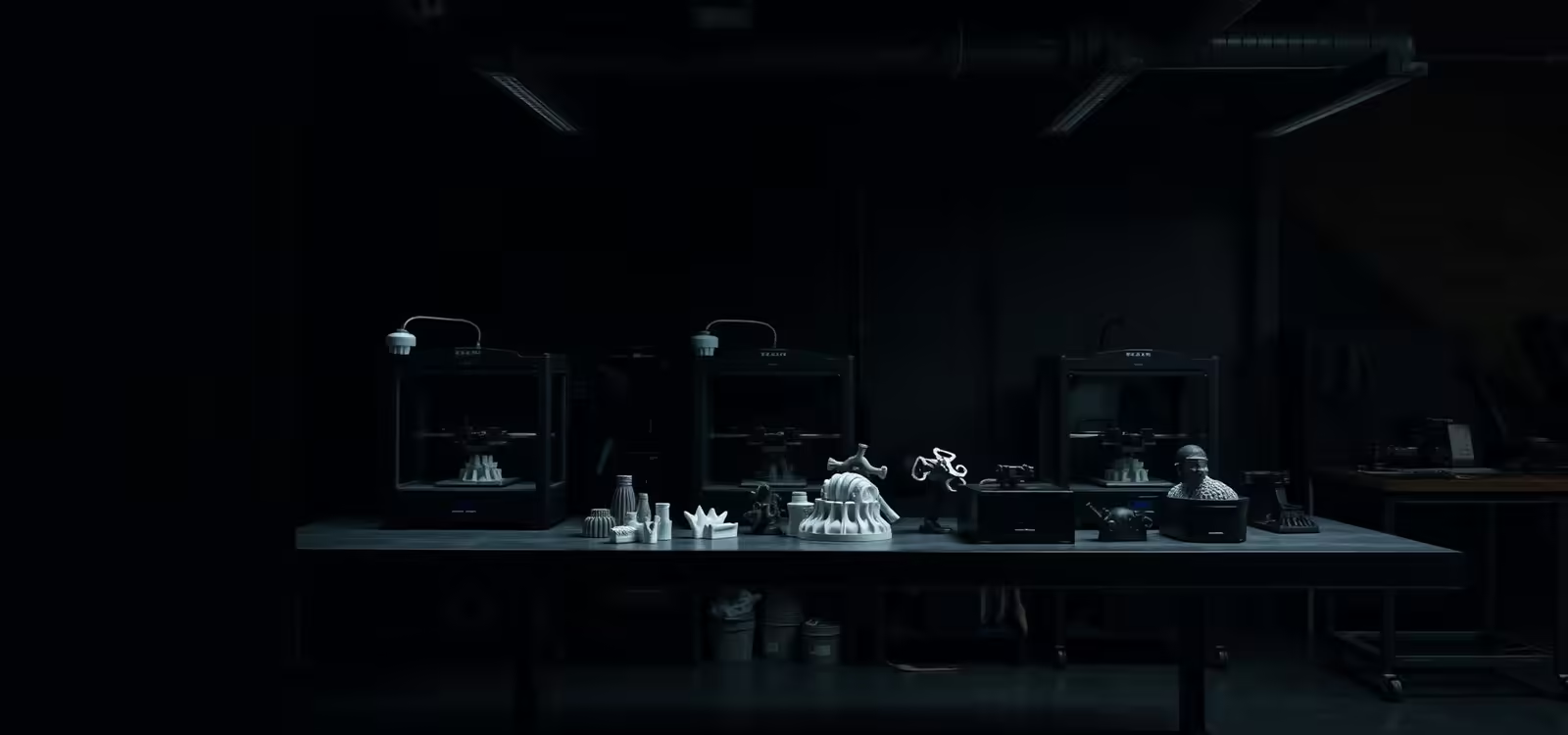
In-house 3D printing, CNC machining, urethane casting and PCB assembly — Ruston, Louisiana
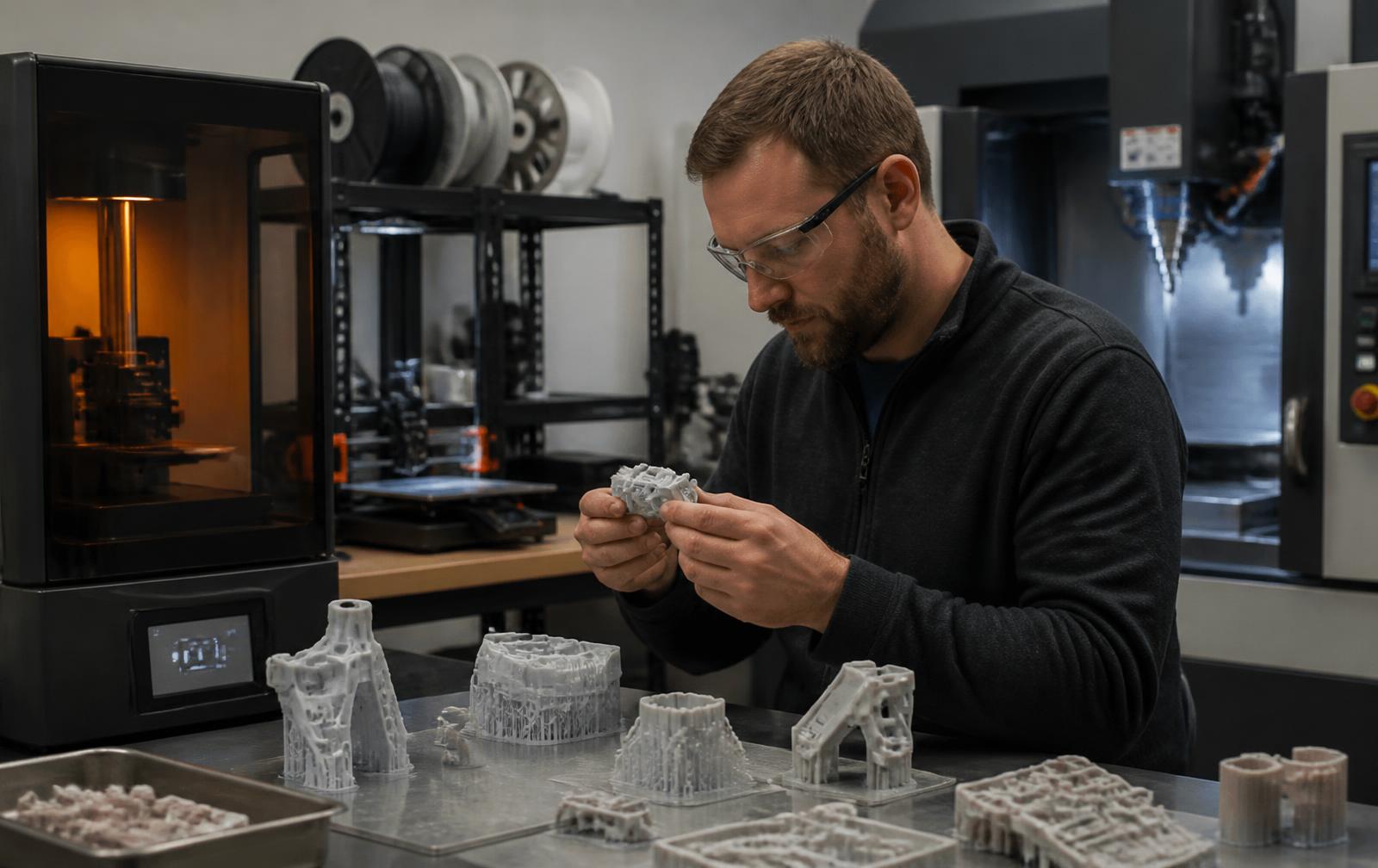
Prototype manufacturing turns a CAD file into real physical parts — printed, machined, cast or assembled — so a design can be handled, tested and shown before tooling. Most parts ship in 3 to 10 business days. Simple printed parts start around $150; functional multi-part assemblies typically run $1,500 to $12,000.

Written by Ralph Hill, Mechanical & electrical systems, 3D manufacturing
Reviewed by Konstantin Dolgan, Ph.D., NPDP
Prototyping Engineer
Published February 8, 2019Updated September 1, 2026
Rapid prototyping turns a design into a physical part in days, usually through 3D printing, CNC machining, urethane casting or sheet metal. LA NPDT builds looks-like and works-like prototypes from your CAD or from a sketch, then tests, revises and hands over drawings ready for tooling. Typical first parts ship in one to three weeks.
LA NPDT is a design-led prototype manufacturer, not an instant-quote parts vendor. Founded in 2015 and based in Ruston, Louisiana, we print, machine, cast and assemble in house, and we do the engineering when the CAD is not finished yet. On-demand manufacturers such as Protolabs, Xometry and Hubs are faster and cheaper when you already have a production-ready file; choose us when the design still needs decisions made. See how the two compare.
- Finished, manufacturable CAD: use an on-demand manufacturer and save the markup.
- A sketch, a mockup or a failed prototype: start with engineering here.
- A design that works but costs too much to make: start with a design for manufacturing review.
| Process | Best for | Typical lead time | Typical cost |
|---|---|---|---|
| FDM / SLA 3D printing | Fit checks, early form models | 2-4 days | $150-$900 |
| SLS and industrial printing | Functional plastic parts, living hinges | 3-6 days | $400-$2,500 |
| CNC machining | Metal parts, tight tolerances, real materials | 5-10 days | $800-$6,000 |
| Urethane / vacuum casting | 10-100 look-like production units | 7-12 days | $2,500-$12,000 |
| PCB prototype and assembly | Electronics bring-up and testing | 7-14 days | $1,200-$8,000 |
Ranges cover a typical single part or small batch; complexity, material and finishing move them. Next: estimate your prototype cost, review prototype design types, or see electronics prototyping.
Mockup, proof-of-concept or functional prototype? Each proves something different and costs accordingly. Types of prototypes explained.
In-house capability at a glance
- 7
- Processes under one roof
- FDM, SLA, SLS, CNC, urethane casting, PCB assembly and finishing.
- ±0.05 mm
- Machined tolerance
- Held on critical features; ±0.1 mm on resin, ±0.3 mm on FDM and SLS.
- 2-10 days
- Files to parts in hand
- Most builds ship inside two weeks, including finishing.
- Ruston, LA
- US shop, no broker
- Quoting, revisions and rebuilds run through the same engineers.
Not sure which process fits? Estimate your prototype cost or compare prototype types.
Get a prototype quote
Need a prototype made?
Skip the reading. Tell us what the part or device has to do and we come back with a ballpark cost and lead time — usually within one business day.
Takes about a minute — reply within one business day.
In-house prototyping capabilities, materials and tolerances
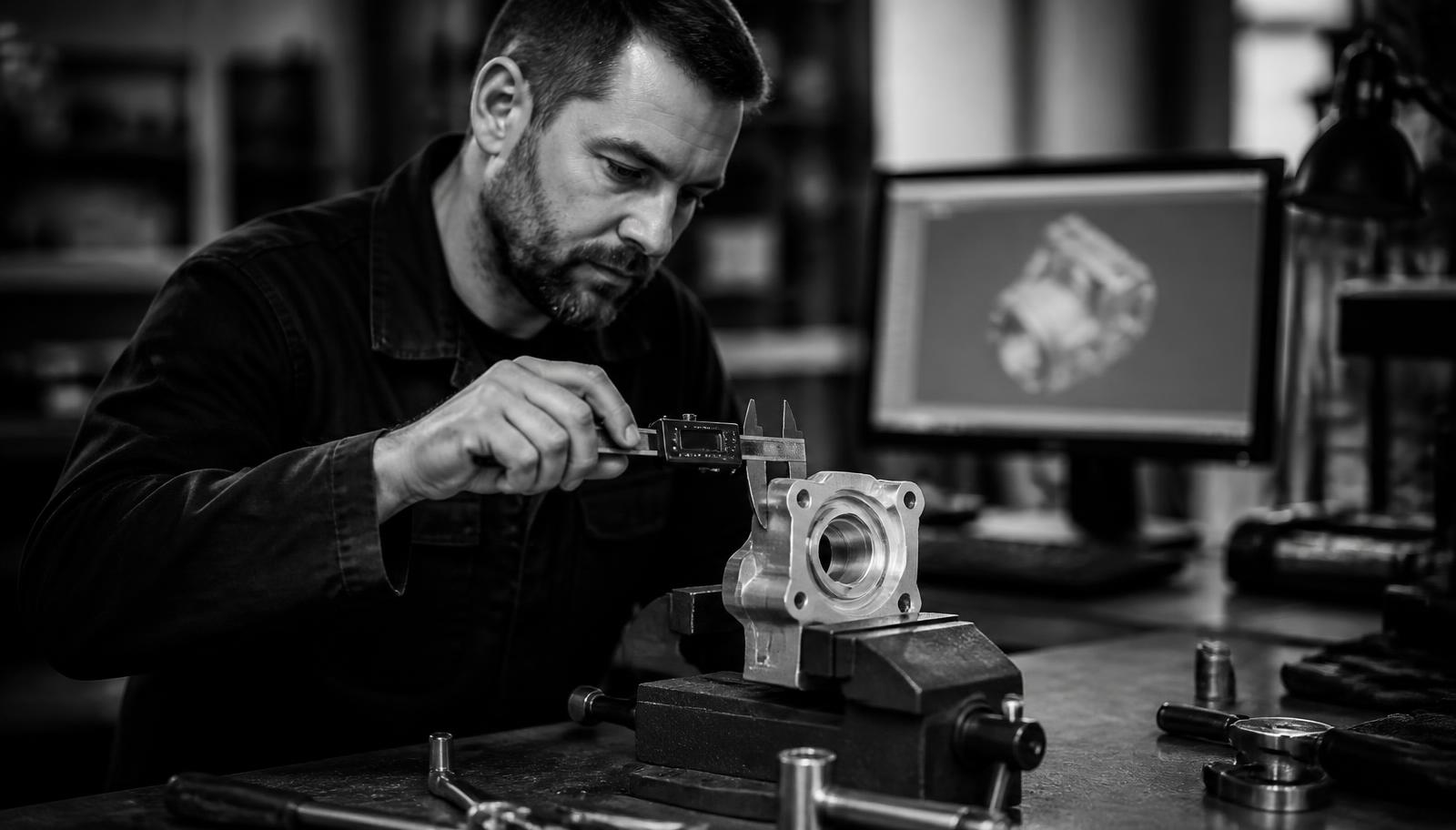
Everything below is run by our own team in the US, so quoting, revisions and rebuilds happen without a broker in the middle.
| Capability | Materials we run | Typical tolerance / resolution | Build envelope | Turnaround |
|---|---|---|---|---|
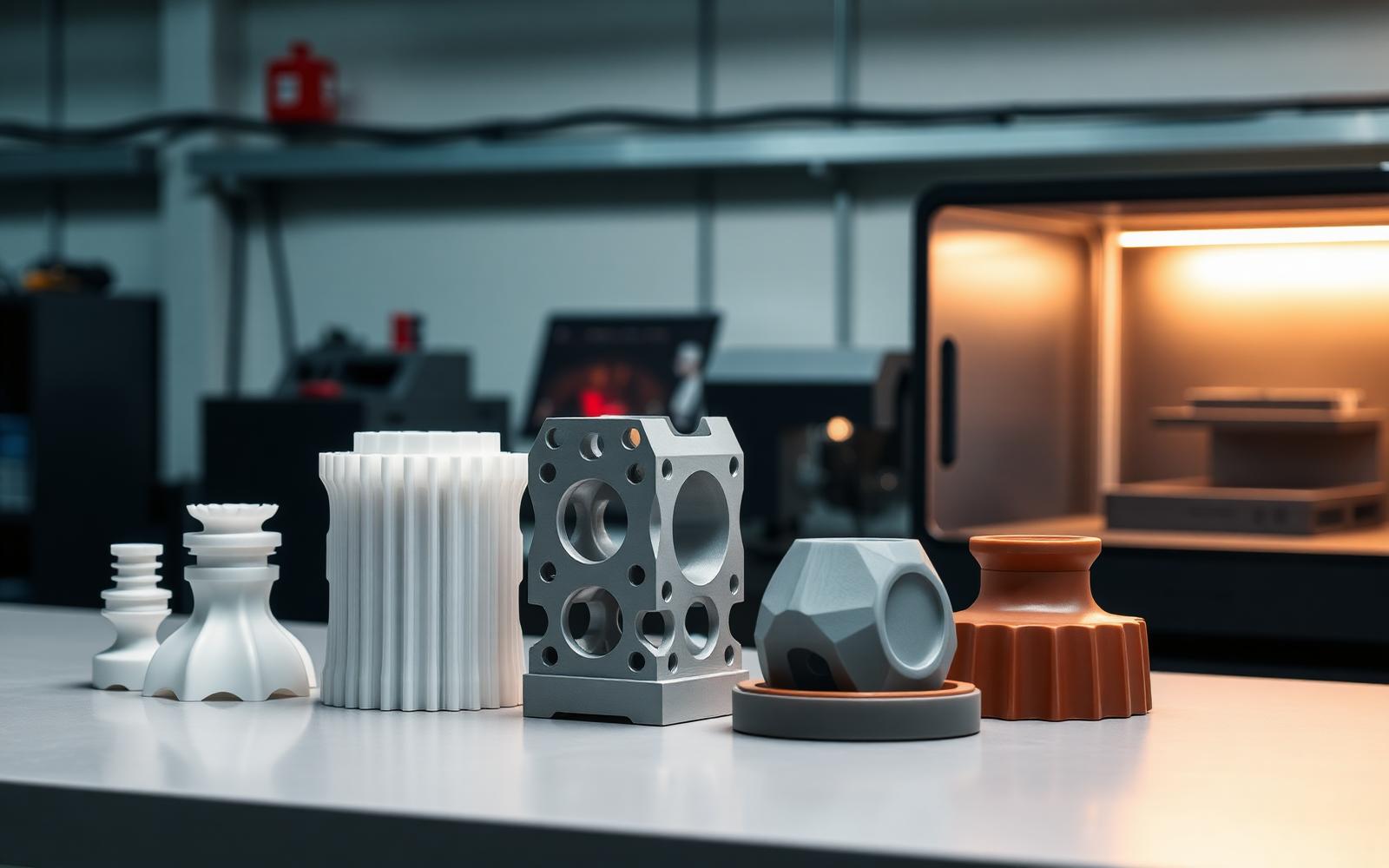
| FDM 3D printing | PLA, PETG, ABS, ASA, nylon, carbon-filled nylon | ±0.3 mm, 0.1-0.3 mm layers | up to 300 x 300 x 400 mm | 2-4 days |
| SLA / DLP resin printing | Standard, tough, high-temp, clear and flexible resins | ±0.1 mm, 25-100 µm layers | up to 300 x 165 x 320 mm | 2-4 days |
| SLS nylon printing | PA12, glass-filled PA12 | ±0.3 mm, 100 µm layers | up to 330 x 330 x 600 mm | 3-6 days |
| CNC machining | 6061 and 7075 aluminum, brass, stainless, Delrin, ABS, polycarbonate | ±0.05 mm on critical features | up to 500 x 350 x 150 mm | 5-10 days |
| Urethane / vacuum casting | Shore 30A-80D urethanes, ABS-like and PP-like resins | ±0.15 mm, 10-100 units per master | up to 500 mm parts | 7-12 days |
| Electronics prototyping | 2-8 layer FR-4 PCBs, SMT down to 0402, firmware bring-up | IPC-A-610 Class 2 assembly | - | 7-14 days |
| Finishing | Bead blast, sanding, primer, paint to Pantone, anodizing, silk-screen | Cosmetic A-surface finishing | - | +2-4 days |
Send a STEP or STL file with the quantity, material and the test the part has to survive, and we quote the fastest process that still passes that test — often a mix, such as an SLS housing on a CNC-machined bracket. Next: estimate your prototype cost, compare prototype types, or get a quote on your parts.
Complexity, material, quantity and shop choice drive most of the bill. Seven ways to reduce prototype costs.
We are a US-based rapid prototyping company. We build working prototypes in-house with FDM, SLA and SLS 3D printing, CNC machining in aluminum and Delrin, urethane casting for short runs, and PCB layout and assembly for electronics — typically ±0.005 in on machined features and 3 to 10 business days from approved files to parts in your hands.
A prototype answers three questions before you spend money on tooling: does the idea work, does it feel right in the hand, and can it actually be manufactured at your target cost. Most projects that come to us need a looks-like model for investors or retail buyers, a works-like unit for engineering and certification testing, or both in one build.
Below you will find what each prototyping method costs, which materials suit which test, the tolerances and lead times we hold, and examples of projects we have taken from sketch to functional hardware. If you already know what you need, send the part requirements and we will come back with a ballpark cost and schedule, usually within one business day.
Why inventors and product teams choose us for prototype manufacturing
Design, engineering and the prototyping shop sit under one roof in Ruston, Louisiana. The engineer who draws the part is the one who watches it come off the machine, so a revision takes days instead of a quoting round trip through a broker.
Since 2015 we have taken more than 120 products from sketch to functional hardware — consumer goods, medical devices, outdoor gear, electronics and industrial equipment. That range is why we can flag the features that will be expensive to manufacture early, not after tooling is quoted.
We build with manufacturing and the sales shelf in mind at the same time: a prototype that impresses a retail buyer but cannot be molded at your target cost is a dead end, and we will say so before you pay for it.
What that looks like in practice:
- A quote you can act on — process, material, lead time and what the build will prove, usually within one business day.
- CAD you own — native and STEP files, plus the material and tolerance notes, released with every build.
- One engineer on the phone — the same person from kickoff through the last revision.
- A path to production — when the prototype passes, the tooling and supplier package is the next step, not a new vendor search.
Medical device prototyping
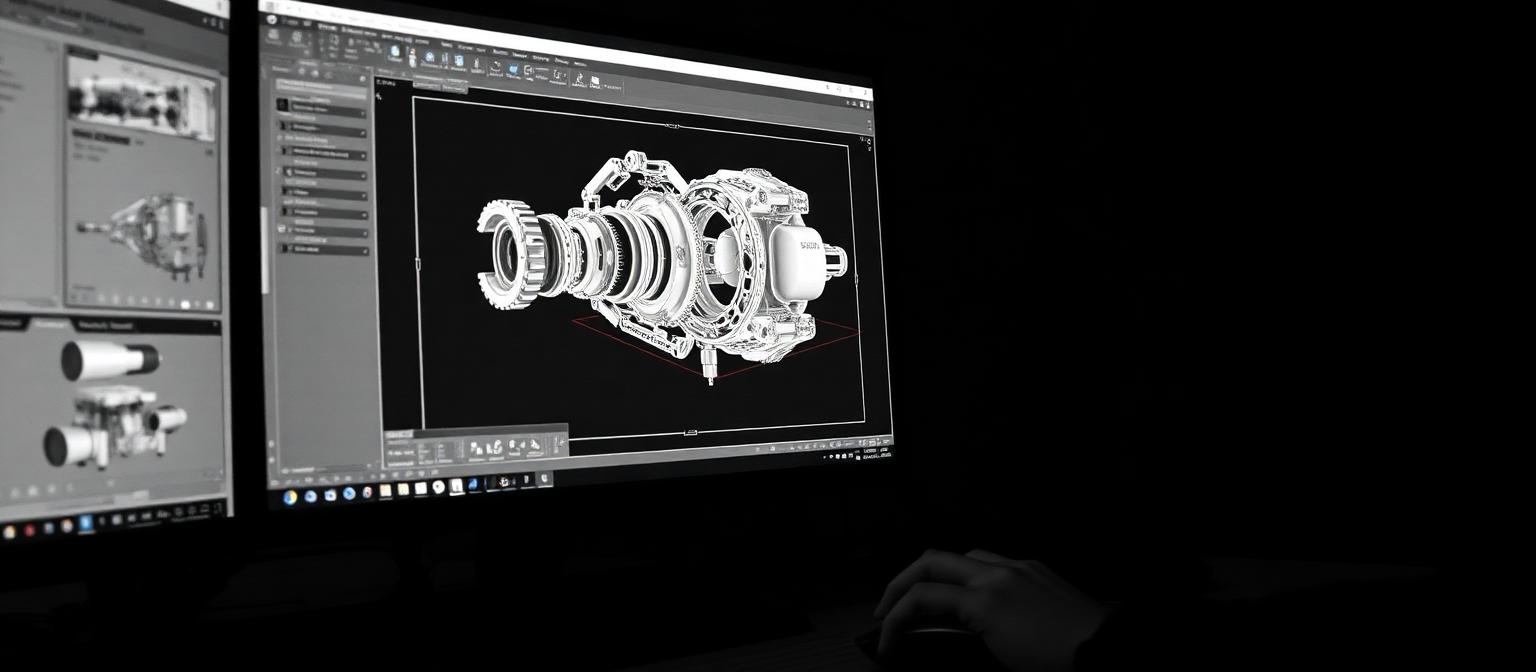
We build medical device prototypes from an FDA-registered facility, so the documentation trail starts with the first build instead of being reconstructed later.
Diagnostic tools, wearable health tech, surgical instruments and lab equipment all share one constraint: the unit has to survive a test protocol and still be manufacturable. We pick materials and processes with both in view, and we say early when a feature will fail validation or blow the unit cost.
- Biocompatible-capable materials — medical-grade resins, PA12 nylon, Delrin, stainless and platinum-cure silicone for skin-contact parts.
- Cleanable geometry — radii, seams and fastener choices reviewed for wipe-down and sterilization before we cut anything.
- Design history you can hand to a consultant — CAD, revision notes, material specs and test photos delivered with the build.
- Human factors on real users — Wayne Nix put MultiNix in front of more than 200 nurses, and each round of feedback changed the design. See MultiNix.
Costs and timelines for regulated builds run differently from consumer hardware — see medical device prototyping steps and cost.
Product types we prototype
- Mechanical tools, devices and machines
- Electro-mechanical equipment and IoT hardware
- Consumer and industrial plastic products
- Medical devices and lab equipment
- Silicone and soft-goods products
- Fabric products, apparel and wearables
- Outdoor, sporting and pet products
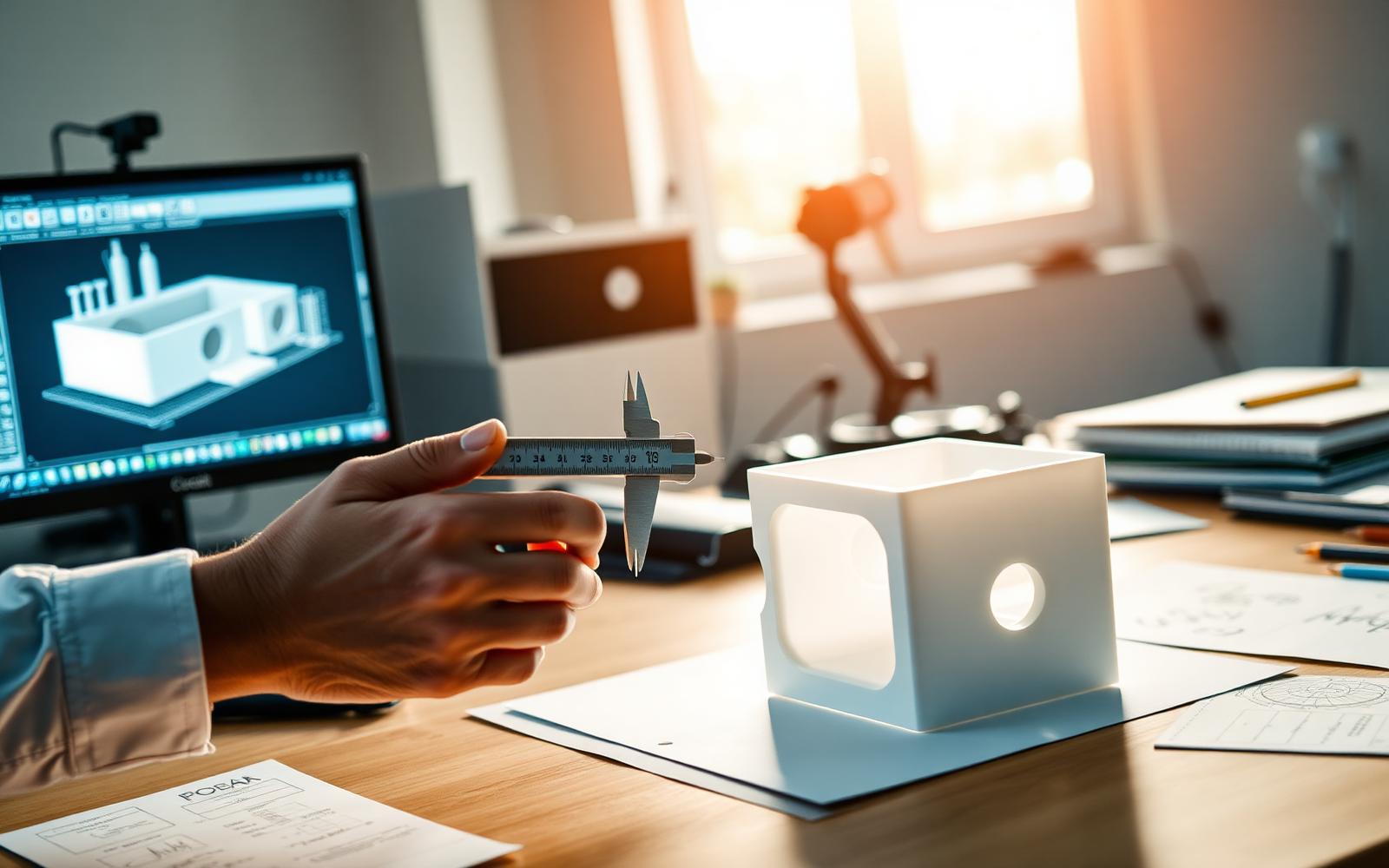
Every build starts as a virtual prototype — a 3D CAD model where we settle form, materials and how the parts go together while changes still cost nothing. Once the model holds up, we print, machine or cast it in our own shop.
A prototype program runs from CAD through fabrication, assembly and testing, usually over several weeks. How prototype manufacturing works, step by step.
One team from idea to production
- Sharpen the idea and define what the product has to do
- Engineer the mechanics, electronics and firmware
- Design for the shelf and for the mold at the same time
- Build and test prototypes in house
- Move the design into manufacturing with the tooling package
- Support the launch with renders, photos and technical documentation
Because the same team carries a product through every one of those steps, the prototype is built with the production decisions already in mind — not handed off to someone who has to undo them.
Working with our team
You work directly with the engineers building your parts — no account manager relay. A typical prototype program runs on a simple loop: we review your inputs, build, show you the result, and revise.
- Kickoff call. We walk through what the prototype has to prove — fit, function, a demo, or a test you have to pass.
- CAD review before we build. You see the 3D model and material plan while changes are still free.
- Feedback after every revision. Photos, video of the unit running, and the parts shipped to you when you cannot visit the shop in Ruston.
- Your call on how involved you are. Some clients review every iteration; others hand off the requirements and see the finished build. Both work.
Early prototypes are meant to look rough — a proof-of-concept unit is not a manufacturing sample, and treating it as one is the fastest way to overspend.
Get the most out of your prototyping budget
The prototypes that come out best are the ones with the most context going in. Before the kickoff call, send whatever you have:
- Reference products you like and dislike, with a note on why — form, feel, price point, mechanism.
- The test it has to survive — drop, load, water, temperature, cycles, or a certification you are heading toward.
- Sketches, photos or a failed prototype. A rough model tells us more than a page of description.
- Target cost and volume. Those two numbers decide the process before the geometry does.
- Who it is for — end user, retail buyer or investor demo. Each pushes the build in a different direction.
Then put the prototype in front of real users. Wayne Nix, inventor of MultiNix, personally interviewed over 200 nurses and watched their reaction to each iteration — that feedback shaped the design more than any internal review could. See MultiNix in our portfolio.
Prototyping shops and contract manufacturers work differently on tooling, commitment and IP. Prototyping company vs manufacturer.
Prototype with us and move faster
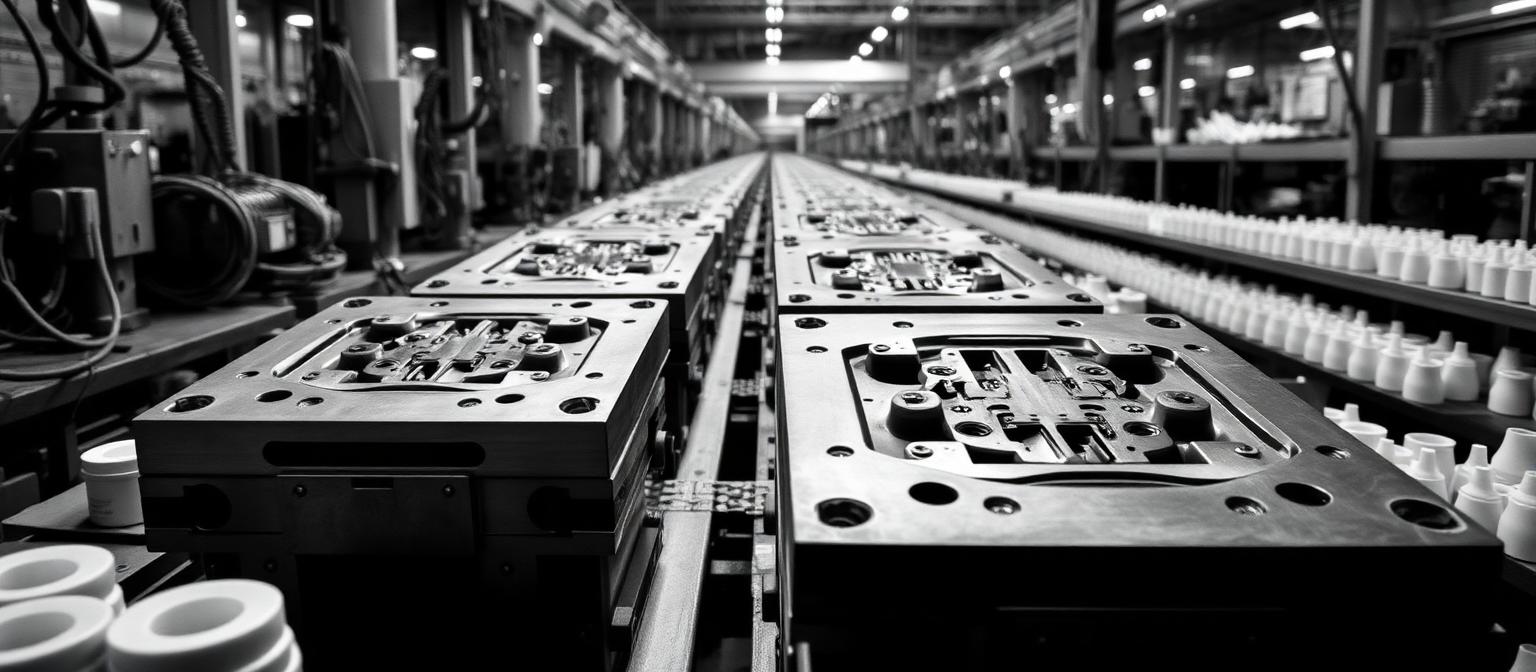
A prototype earns its cost by answering a question you cannot answer on a screen. Ours are built to:
- Prove the concept works — fit, motion, seal, load or electronics, tested on a physical unit.
- Win funding and buyers — investors, retail buyers and grant reviewers respond to hardware they can hold, not slides.
- Cut manufacturing cost early — we flag expensive geometry, tolerances and materials while changes are still cheap.
- Shorten the next round — every build ships with the CAD, the material notes and what we would change next.
Design, engineering and fabrication sit in one Ruston shop, so the person who draws the part is the one who watches it come off the machine. Send a sketch, a CAD file or a broken first attempt and we will tell you what it costs, how long it takes and what it will prove.
Sources and standards
- ISO/ASTM 52900 additive manufacturing terminology — Standard definitions for additive manufacturing processes.
- NIST additive manufacturing research — Process and material research underpinning 3D printing quality.
- USPTO — patent basics — Official guidance on provisional and non-provisional filings for new products.
Frequently Asked Questions
How much does it cost to make a prototype?+
A single printed part from existing CAD runs $120–$600. A functional mechanical prototype of a real product is typically $4,000–$15,000, and an electromechanical prototype with a custom board and firmware is $15,000–$60,000. The design work ahead of the build, not the build itself, is usually the larger share.
How long does a prototype take?+
Printed parts ship in one to three days. A complete functional prototype normally takes three to six weeks including design revisions, and an electronics-driven product takes eight to sixteen weeks because boards, firmware and enclosure have to converge.
Do I need CAD files before you can quote?+
No. A sketch, a photo of a mock-up or a written description is enough for a ballpark. We produce the CAD as part of the project, and you own it.
Can one prototype be both good-looking and functional?+
Sometimes, and it usually costs more than building two. Appearance models optimize surface finish; functional prototypes optimize strength and mechanism. When budget is tight we recommend proving function first, then investing in the looks-like model for investors and photography.
Who owns the design and the files?+
You do. We work under NDA, and all CAD, drawings, board files and firmware transfer to you.
Do you also manufacture after the prototype?+
Yes &mdash. We do short-run manufacturing and low-volume production, so the team that prototyped the product also carries it into first builds.
What comes before prototyping?+
For a new product, concept design comes first: sketches, CAD and the decisions that keep you from prototyping the wrong thing. If your product has electronics, electronic design services run in parallel with the mechanical work.
For soft, flexible or medical-grade silicone parts, see our silicone rubber prototyping and manufacturing hub.
Comparing vendors? See our shortlist of the top prototype design companies and what each one is actually best at.
What happens before anything gets built
Nothing is fabricated from a sketch or a rendering directly. A prototype is built from 3D CAD, a bill of materials and fabrication drawings — so if those do not exist yet, creating them is the first phase of the work. Send whatever you have and we will tell you which parts are ready and which still need engineering. On complex or unclear projects that scoping phase is a short, paid engineering review; it is quoted with the project rather than sold separately.
- What the prototype needs to accomplish, and its acceptance criteria
- What your existing materials cover — sketches, AI renderings, photos, descriptions, partial CAD
- The unresolved engineering between what you have and a buildable design
- Recommended materials and fabrication methods
- The major technical risks and unknowns
- A realistic prototype budget and timeline, with the next steps to get it built
Related services
- AI prototype engineer
How we use AI tooling inside the prototyping process, and where a human engineer still decides.
- 3D printing training
Hands-on training for teams that want to run their own printers properly.
- SBIR Phase I concept design and prototyping
Concept work for a grant application, then the proof-of-concept build once the award lands.
- Why prototyping matters (PDF)
Our short guide on what a prototype proves, and what it costs to skip one.
What founders say after working with us
“Konstantin has been so amazing and his entire team is A+. I researched and interviewed many product development companies across the country and ultimately decided on LA NPDT... and I'm so glad I did. The attention to detail and overall effort has been exactly what I needed and then some. If you are looking for a company to help you bring your product to life, look no further!”
 William EvansCEO, Burple
“This company is awesome. I run a medical device company and we required a number of accessories to be designed and built for our medical device. They delivered a polished design and printed the accessories on time using high-quality materials. I continue to work with them for all of our material needs.”
 Matteo ZiffFounder, Virtual Vision
“I highly recommend the LA New Product Development Team for any of your new product development needs. From the development of my concept to the actual prototype, the process was seamless. I especially loved the quick responsiveness, and I received regular updates during every stage, so I was never left wondering how things were going. The steps were clearly outlined, along with estimated costs.”
 Dr. Sharada DamarajuFounder, Dignity & Empowerment
Three reasons founders keep working with us
- 1
One team from sketch to shipped parts. Industrial design, mechanical and electrical engineering, prototyping and manufacturing sit under one roof, so nothing is lost in a handoff.
- 2
You own the work. Native CAD, drawings and source files are yours at the end of every phase — no lock-in, no re-buying your own design later.
- 3
Fixed scope, fixed price. Every phase is quoted up front with a deliverable list and a date. No hourly meters, no surprise invoices.
If you ever thought of developing a new product, don’t wait any longer. Talk with one of our experts today.
Tell us about your product
Send us the idea, the drawing or the problem. We reply within one business day with the next practical step.
Ready to scope the work? Start a prototype · Request a quote