Stages of Product Testing and Their Purposes
Avoid the risk of product failure through product testing. Check the stages of product testing to prevent disorganized building processes.
June 20, 20238 min read

Written by Konstantin Dolgan, Ph.D., NPDP
Founder & CEO, Product Development Engineer
Published June 20, 2023Updated September 2, 2026
Product testing is the process of measuring the properties or likely performance of products among a target audience. Therefore, it is a critical part of the new product development process.
Also, it helps to ensure that products are safe, useful, and resonate with the preferences of users. There are many different stages of testing product, each with its purpose. Hence, they are explored below.
The first stage – concept testing
Concept testing is also known as consumer testing or comparison testing. And as the names imply, this stage is where the target market of your product gets to share whether they like your product or not. Especially because of something included in the product or what could be added to it.
Furthermore, this stage is where you test the idea for your product with potential users to see if they are interested in it and what features they would like to see. Therefore, you can carry out this concept testing stage through several means. Some of the popular ones include surveys, focus groups, or interviews.
The second stage – usability testing
How seamless is it to interact with your product? That question is answered at this stage. It is where you test the utility of your products. That is, can people make use of your products?
In essence, the usability of your product is also checked here. Potential users give their feedback on how easy it is to use the product.
Furthermore, you can test a product for usability. You can get that done via user interviews, usability testing labs, or remote usability testing.
The third stage – performance testing
The limits of the product are tested here. For performance testing, how well is the product made and how long can the product go are tested?
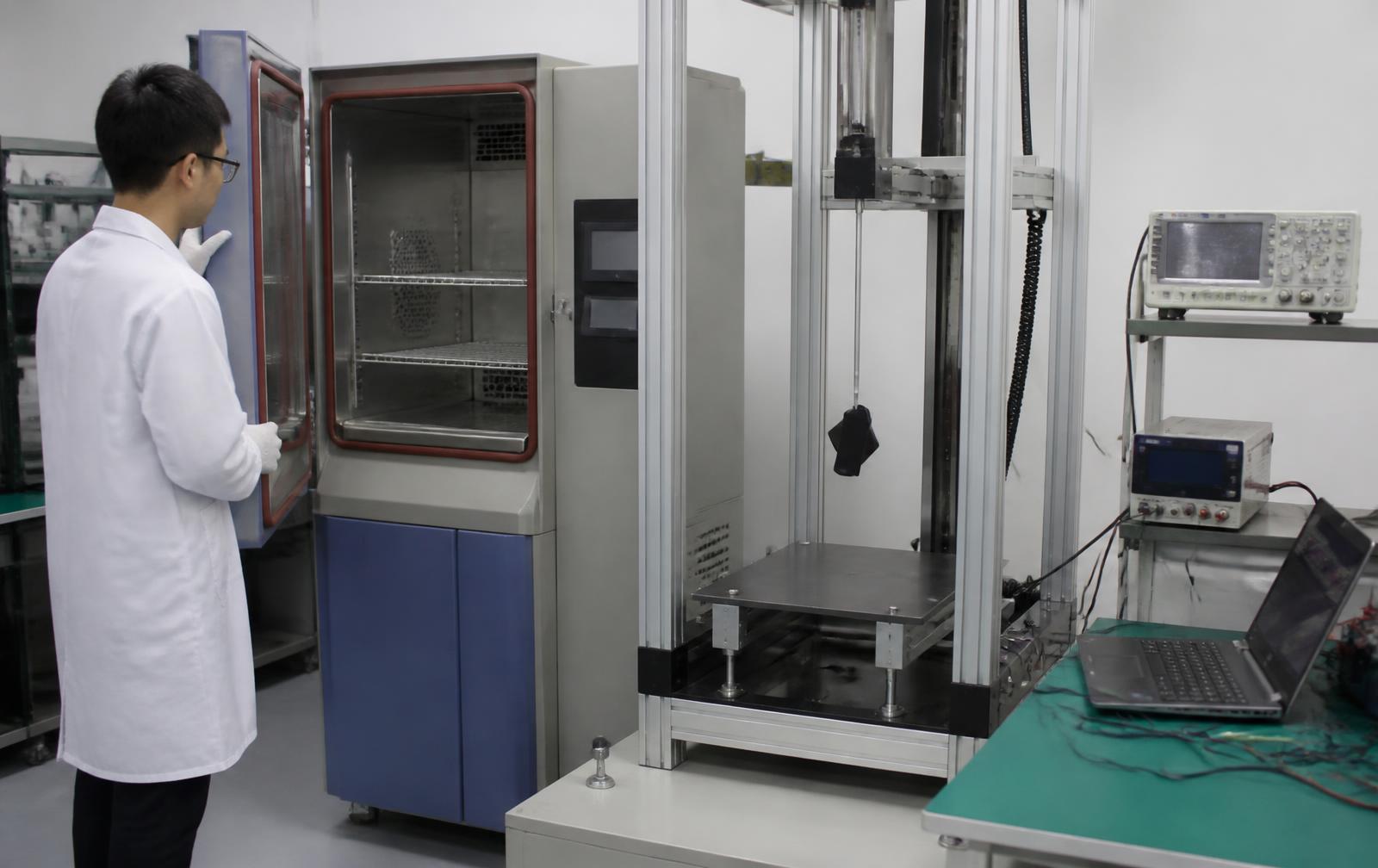
Parameters many businesses look out for during this testing phase include the durability of the product, handling, stability, scalability, as well as its speed. Hence, some of the key ways you can carry out performance testing are stress testing, load testing, and endurance testing.
The fourth stage – security testing
This is where you test the security of your product to make sure it is not vulnerable to attack. Software products are mostly prone to this kind of issue. Thus, they undergo strict security testing to ensure that the consumers are safe and secure by purchasing them.
If you are a business looking to go about security testing, you can explore penetration testing, vulnerability scanning, and code review.
The final stage – user acceptance testing
A product cannot be pushed to the market unless the target market likes it. This stage is where the user tests the product and gives feedback for improvement or otherwise of the product.
At this stage, you test your product with real users to make sure they are satisfied with it. And if you are looking to carry out this user acceptance testing, you can do it through beta testing, pilot testing, or field testing. For a step-by-step plan to run that field trial on physical units, see our guide to hardware beta testing. As an inventor, you have to understand that each stage of testing product is important in its own way.
Other Types of Testing Based on The Intended Use of the Product
Environmental testing:
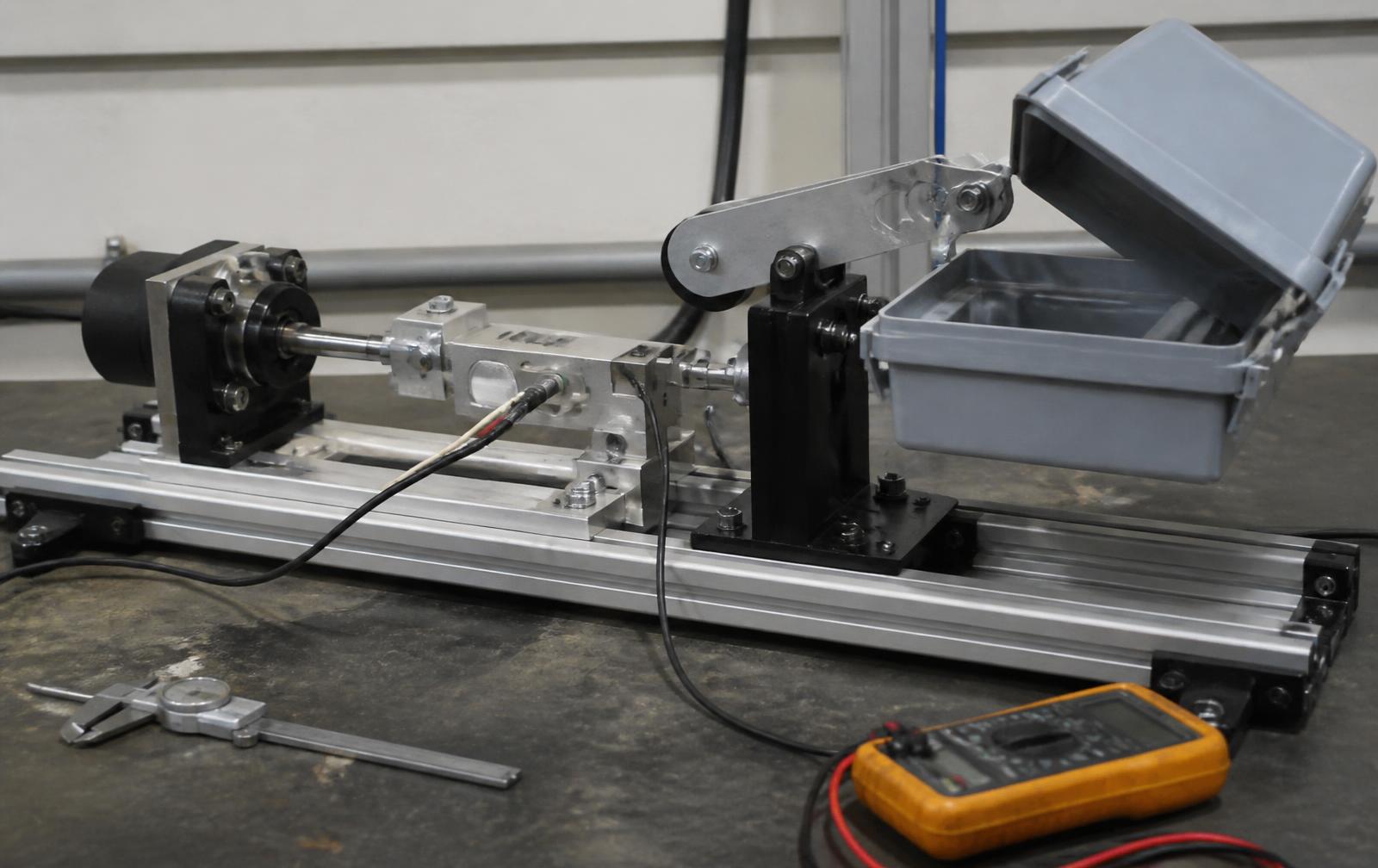
Environmental testing is product-based. It is used to ensure that a product can withstand the environmental conditions that it is made for and will be used in. For instance, if you create a product that is intended to be used for outdoor activities, such an item would need to be tested for endurance in harsh environmental conditions.
Regulatory testing:
As the name implies, this testing is done to regulate products in certain industries. Some of them include food, health, and pharmaceutical industries. Thus, this type of testing is mandated by law for some products.
For instance, medical devices must be tested to ensure that they are safe and effective. Same as pharmaceutical drugs.
Compatibility testing:
This type of testing is used to ensure that a product can work with other products. For example, a software application may need to be tested to ensure that it is compatible with different operating systems.
Other Types of Testing Based on The Intended Use of the Product
Environmental testing:
Environmental testing is product-based. It is used to ensure that a product can withstand the environmental conditions that it is made for and will be used in. For instance, if you create a product that is intended to be used for outdoor activities, such an item would need to be tested for endurance in harsh environmental conditions.
Regulatory testing:
As the name implies, this testing is done to regulate products in certain industries. Some of them include food, health, and pharmaceutical industries. Thus, this type of testing is mandated by law for some products.
For instance, medical devices must be tested to ensure that they are safe and effective. Same as pharmaceutical drugs.
Compatibility testing:
This type of testing is used to ensure that a product can work with other products. For example, a software application may need to be tested to ensure that it is compatible with different operating systems.
Hottest Questions on Stages of Product Testing and Their Purposes
1. What are the 5 testing methods?
There are 5 major testing methods. And these methods include unit tests, system tests, functional tests, regression tests, and acceptance tests. These methods range from testing parts of the product to testing more complex levels of the software.
2. What is the purpose of product testing?
Product testing essentially helps you to create products that are of quality and interest to your target market. It does not only matter that you have created a product with utility. It matters much more if potential customers would be willing to buy and use it. This interest to purchase is what product testing ensures.
3. What are the steps of product testing?
If you are looking to create a product that customers love, you must embrace product testing. And you can employ the following steps in testing your products. That is, you can conduct market research, test product concept, test product prototype, soft-launch product, and continually seek feedback.
It’s a Wrap
Product testing is an essential part of the new product development process. Hence, you can increase the chances of success for your product by conducting thorough testing at each stage.
After you have detailed your product idea, the next step is to create a working prototype. If you are looking for a reliable place to get a prototype made, LA NPDT is a great option.
We are a prototyping agency that can help you move from ideation to the production of marketable products. No matter what your market share is, our team is ready to help you scale your product.
We can help you with everything from concept design to production. To learn more about our services, please visit our website Read more on Lanpdt or call directly at 318-243-5789.
Stages of Product Testing
Stage | Purpose | Methods |
|---|---|---|
Concept Testing | Test product idea with potential users. | Surveys, focus groups, interviews |
Usability Testing | Assess ease of product interaction. | User interviews, usability testing labs, remote usability testing |
Performance Testing | Determine product limits and durability. | Stress testing, load testing, endurance testing |
Security Testing | Ensure product is not vulnerable to attack. | Penetration testing, vulnerability scanning, code review |
User Acceptance Testing | Confirm user satisfaction before market release. | Beta testing, pilot testing, field testing |
The stages of product testing, and what each one proves
Testing is not one activity performed near the end. It is a sequence of stages, each with a different question, a different sample size and a different exit criterion. Running them out of order is what produces the classic hardware failure: a beautiful product that certifies fine, assembles fine, and then fails in the field because nobody tested it the way people actually use it.
The sequence below is the industry-standard build progression — EVT, DVT, PVT — wrapped with the earlier concept and functional work that should precede it. Each stage exists to stop a specific class of defect from reaching a stage where fixing it costs ten times more. That escalation is the whole economic argument for testing, and it is why testing gates sit at the center of our product development process.
Test stages, sample sizes and exit criteria
Stage | Question | Build type | Units | Typical duration | Exit criterion |
|---|---|---|---|---|---|
Concept / feasibility | Can the mechanism work at all? | Breadboard, rough print | 1-3 | 1-3 weeks | Core function demonstrated at least once |
Functional prototype | Does the whole system work together? | Machined or printed parts, dev boards | 3-5 | 3-6 weeks | All primary requirements met in the lab |
Usability | Can an untrained user succeed alone? | Looks-like/works-like unit | 8-12 sessions | 2-4 weeks | Task completion without coaching |
EVT (engineering validation) | Does the intended design work? | Soft tooling or CNC, real components | 20-50 | 4-8 weeks | Design freeze; no open critical issues |
DVT (design validation) | Does it survive the real world and the standards? | Production tooling, production parts | 50-200 | 6-10 weeks | Drop, thermal, EMC, life tests passed |
PVT (production validation) | Can the line build it repeatably? | Full production process | 200-1,000 | 3-6 weeks | Yield and cycle time at target |
Certification | Is it legal to sell? | Production units | 3-10 | 4-12 weeks | FCC/CE/UL or category equivalent granted |
The tests teams most often skip
- Abuse and misuse testing: drop, overload, wrong charger, wrong orientation. Field failures cluster here, not in normal use.
- Environmental testing: temperature cycling, humidity and UV exposure for anything used outdoors or shipped through a hot warehouse.
- Packaging drop tests (ISTA-style): a product that survives use but not shipping still arrives broken and gets returned.
- Life and cycle testing on moving parts — hinges, buttons, latches — to the rated cycle count, run in parallel with everything else because it takes the longest.
- Reassembly after service: confirm the unit can be opened and closed by a technician without breaking a clip or losing a seal.
- Line trial with real operators at real cycle times; engineers can build anything, which is precisely why they are the wrong people to prove buildability.
Two scheduling notes matter more than any individual test. First, start certification pre-scans during EVT rather than after DVT — an EMC failure found at the certification lab costs a board respin and six weeks, while a pre-scan costs a day and finds the same problem.
Second, do not freeze tooling before usability results are in. A moved button or a changed grip is free in CAD and expensive in steel, which is exactly the interaction between test results and design for manufacturing that experienced teams plan for.
Examples of that sequencing across real programs are in our portfolio.
Planning the test schedule and budget
Testing fails on schedule far more often than it fails on engineering. Lab slots for compliance work are booked weeks out, environmental chambers run around the clock in busy quarters, and a single failed emissions scan can add a month once the retest queue is factored in. Book the lab dates before the units exist and work backwards; the build schedule should serve the test calendar, not the other way round.
Stage | Typical duration | Typical cost | Common schedule risk |
|---|---|---|---|
Functional / bench testing | 1 – 3 weeks | In-house labor | Fixtures not ready when units are |
EVT | 3 – 6 weeks | $5,000 – $25,000 | Design changes arriving mid-build |
DVT | 4 – 8 weeks | $15,000 – $60,000 | Retest after a design change invalidates earlier data |
Regulatory / EMC and safety | 2 – 8 weeks | $8,000 – $40,000 | Lab queue plus retest after a first-pass failure |
PVT | 2 – 4 weeks | Tooling and line time | Line availability at the factory |
Two habits keep the plan honest. First, freeze the design before formal testing starts — data collected on units that no longer represent the product is data you will collect twice. Second, budget explicitly for one failure and one retest at the compliance stage.
First-pass EMC failures are common enough on new hardware that treating them as the exception is optimistic planning, and the teams that reserve the time and money for a retest ship on the date they promised.
Frequently asked questions
What are the main stages of product testing?
Concept feasibility, functional prototype testing, usability testing, then the three production build stages — EVT for engineering validation, DVT for design validation including environmental and regulatory testing, and PVT for production validation — followed by formal certification on production units.
What is the difference between EVT, DVT and PVT?
EVT asks whether the intended design works, using soft-tooled or machined parts in quantities of 20-50. DVT asks whether the design survives the real world and the applicable standards, built on production tooling in quantities of 50-200. PVT asks whether the factory line can build it repeatably at target yield and cycle time, typically across 200-1,000 units.
How long does hardware product testing take?
From first functional prototype through PVT, plan on five to nine months for a typical consumer device, with certification running four to twelve weeks in parallel from late DVT. Life-cycle testing on moving parts is usually the long pole and should start as early as parts allow.
How many units are needed for product testing?
Roughly 20-50 for EVT, 50-200 for DVT, and 200-1,000 for PVT, plus 3-10 units consumed by certification labs. Usability work needs far fewer — eight to twelve sessions surface the large majority of interaction problems.
Filed under:EducationInspirationWords
Services related to this guide
- Product design servicesIndustrial design and CAD taken all the way to manufacturable files.
- Rapid prototypingWorking prototypes in days, from 3D printing to vacuum casting.
- Electronic design servicesSchematic, PCB layout, firmware and bring-up, through to production handoff.
- Product development examplesReal projects we designed, prototyped and shipped.