
Material qualification actively evaluates and approves raw materials before they enter production. By doing so, organizations ensure that materials meet technical, regulatory, quality, and commercial requirements while supporting long‑term business goals. When companies qualify materials early, they reduce procurement uncertainty, strengthen supplier performance, minimize production interruptions, and build operational resilience. As supply chains become more complex and more geographically dispersed, this proactive approach becomes essential for Reducing Risk across procurement and manufacturing operations.
Global supply chains face disruptions more frequently than ever. Natural disasters, political conflicts, transportation failures, resource shortages, and volatile commodity markets can interrupt material availability and sharply increase procurement costs. Instead of reacting only after disruptions occur, organizations need to integrate procurement decisions with comprehensive risk management strategies. This shift toward proactive planning strengthens competitiveness, supports long‑term business sustainability, and contributes directly to Reducing Risk throughout the supply chain.
Supply Chain Risk Management
Risk management forms the foundation of effective procurement and supplier qualification. ISO 31000 defines risk management as coordinated activities that direct and control an organization with respect to risk. In procurement, the goal is to identify potential disruptions, evaluate their consequences, and take action to minimize operational and financial losses. By doing so, organizations protect production continuity, maintain product quality, and improve decision‑making.
The process begins by identifying potential risks and assessing both the likelihood of each event and its potential impact. Kaplan and Garrick (1981) emphasize that every quantitative risk assessment should answer three questions: what can happen, how likely it is to happen, and what the consequences would be. These questions encourage a comprehensive evaluation rather than relying solely on formulas. This broader perspective helps organizations anticipate disruptions more effectively and supports Reducing Risk across procurement activities.
Although some researchers define risk as probability multiplied by impact, this simplified formula often fails to reflect real‑world conditions. A highly probable event may have minor consequences, while a rare event may be catastrophic.
Researchers typically classify supply chain risks into hazard risks, control risks, and opportunity risks. Hazard risks produce negative outcomes and require prevention or mitigation. Examples include supplier failures, quality defects, natural disasters, theft, and transportation issues. Control risks arise from uncertainty in projects, schedules, and operational performance. Organizations manage these risks by monitoring performance and correcting deviations early. Opportunity risks involve accepting uncertainty to pursue strategic benefits such as innovation, acquisitions, or market expansion. Understanding all three categories helps organizations build a complete picture of procurement uncertainty and maintain a structured approach to Reducing Risk.
Supply Chain Vulnerability
Globalization has transformed supply chains into interconnected networks with numerous suppliers, transportation routes, and manufacturing sites. While these networks expand access to materials and reduce costs, they also increase vulnerability because disruptions can occur at multiple points simultaneously. As a result, organizations must identify where vulnerabilities exist before they can implement effective mitigation strategies.
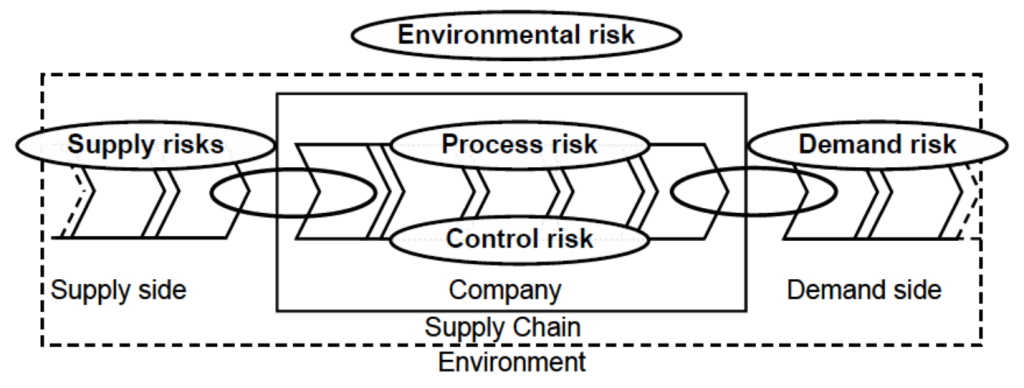
Figure 1. Sources of risks within a supply chain (source – diva-portal.org)
Supply chain vulnerability reflects how disruptions affect organizational performance. As supply chains become more complex, companies face greater exposure to supplier failures, logistics delays, geopolitical conflicts, commodity price fluctuations, and quality problems. Because disruptions rarely occur in isolation, organizations need to evaluate vulnerabilities continuously rather than treating each event as a standalone issue.
A comprehensive vulnerability assessment includes three connected activities. First, organizations identify potential threats across the supply chain. Next, they evaluate the likelihood and business impact of each disruption. Finally, they develop mitigation strategies that reduce the probability of occurrence or minimize consequences. This structured approach strengthens resilience, improves decision‑making, and supports Reducing Risk across procurement, manufacturing, and logistics operations.
Supplier Qualification and Sourcing Strategy
Supplier qualification plays a central role in strengthening procurement performance and Reducing Risk before production begins. Companies need to evaluate suppliers on far more than price. They must assess technical capabilities, manufacturing capacity, quality management systems, financial stability, regulatory compliance, and long‑term reliability. When organizations choose suppliers solely based on the lowest purchase price, they often create hidden vulnerabilities that surface later during production.
Diversifying suppliers further enhances procurement resilience. Research consistently shows that companies achieve better supply continuity when they maintain relationships with multiple qualified suppliers rather than relying on a single source. Multiple sourcing reduces dependence on individual vendors, increases flexibility, and encourages competition that improves pricing, quality, and delivery performance. At the same time, organizations must avoid expanding the supplier base excessively, because too many suppliers can increase administrative complexity and dilute relationship management.
To strike the right balance, procurement teams should align sourcing decisions with the strategic importance of each material, supplier capabilities, and long‑term business objectives. This approach improves operational flexibility and supports Reducing Risk throughout the procurement process.
Raw Material Supply Risks
Raw materials remain the backbone of every manufacturing operation, yet companies increasingly rely on global supply networks to obtain them. While international sourcing often reduces costs, it also exposes organizations to greater uncertainty. Geopolitical instability, transportation disruptions, environmental regulations, supplier failures, and resource scarcity can all interrupt material availability. Because of these challenges, procurement teams must balance cost efficiency with supply security to maintain sustainable business performance. Achieving this balance is essential for Reducing Risk in strategic sourcing decisions.
Historically, supply chain research has focused more on downstream activities such as manufacturing, distribution, and customer service. However, recent studies highlight that upstream raw material risks deserve equal attention. Disruptions at the beginning of the supply chain often create significant operational and financial consequences long before manufacturers detect the problem. Geographic concentration of raw material production, limited supplier availability, and political instability can interrupt material flow at its source. For this reason, organizations should incorporate raw material availability into strategic procurement planning rather than treating it as a narrow purchasing issue.
Critical Raw Materials (CRMs) demonstrate this challenge clearly. CRMs support renewable energy systems, electric vehicles, advanced electronics, and numerous digital technologies. Yet production of many CRMs remains concentrated in a small number of countries, creating substantial supply chain vulnerabilities. Rising global demand, geopolitical uncertainty, and increasing competition for strategic resources continue to intensify pressure on CRM supply chains. As a result, organizations must monitor CRM markets continuously and strengthen long‑term procurement planning to support Reducing Risk across global sourcing activities.
Contact us today to learn how LA NPDT can assist in realizing your project.
Raw Material Risk Assessment
Effective procurement requires a deep understanding of how raw material markets influence organizational performance. Although many companies acknowledge commodity price volatility as a major challenge, relatively few evaluate procurement risks systematically. Instead, they often react only after disruptions occur, increasing operational uncertainty and financial exposure.
The literature identifies three major barriers that limit effective raw material risk assessment. First, many organizations lack a comprehensive understanding of the market forces that shape commodity prices. Procurement teams frequently monitor prices without analyzing the economic, political, environmental, and technological factors driving market changes. Without this insight, companies struggle to anticipate future price movements or negotiate favorable purchasing agreements.
Second, organizations often lack end‑to‑end visibility across their supply chains. While they typically understand direct purchases, they have limited knowledge of indirect raw materials embedded within components supplied by lower‑tier suppliers. This lack of transparency prevents procurement teams from accurately estimating total exposure to commodity price fluctuations. Additionally, many companies underestimate the time lag between market price changes and their impact on production costs, making financial planning more difficult.
Third, organizations frequently lack the analytical expertise needed to translate market information into effective procurement strategies. Without strong analytical capabilities, companies struggle to forecast market developments, evaluate alternative sourcing options, or implement meaningful mitigation measures. Strengthening analytical competence is therefore essential for Reducing Risk across procurement operations and improving long‑term decision‑making.
Raw Material Risk Mitigation
Organizations need a structured approach to manage procurement uncertainty rather than relying on reactive purchasing decisions. The literature outlines four interconnected activities that strengthen procurement resilience and support Reducing Risk across the supply chain.
The first activity focuses on understanding and continuously monitoring market dynamics. Procurement teams must identify the major drivers of commodity prices, including supply and demand shifts, feedstock availability, energy costs, transportation conditions, geopolitical developments, and environmental regulations. To stay ahead of market changes, companies should build reliable market‑intelligence systems that deliver timely insights into commodity trends. With consistent monitoring, organizations improve forecasting accuracy, strengthen budgeting, and make more informed strategic decisions.
The second activity centers on establishing end‑to‑end transparency across the supply chain. Companies need to identify where critical raw materials appear in finished products, including materials purchased indirectly through multiple supplier tiers. This broader view helps procurement teams evaluate total exposure rather than focusing only on direct purchases. To support this effort, organizations should use appropriate commodity price indices to track market developments and estimate future procurement costs. They also need to understand how suppliers manage price fluctuations – whether they absorb cost changes or pass them along. Together, these actions enhance visibility, improve planning, and contribute to Reducing Risk by identifying vulnerabilities before they disrupt production.
The third activity involves developing effective category and contracting strategies. A strong category strategy helps organizations optimize product design, reduce unnecessary material complexity, analyze cost drivers, and strengthen collaboration with suppliers. At the same time, a well‑designed contracting strategy determines whether fixed‑price agreements, indexed pricing, or contractual adjustment clauses best support procurement objectives under different market conditions. When companies integrate category management and contracting decisions into a unified procurement strategy, they improve supply continuity, reinforce supplier relationships, and advance Reducing Risk by limiting exposure to commodity price volatility.
Hedging Strategies
Even after organizations strengthen supplier relationships, improve market transparency, and optimize procurement contracts, they may still face significant exposure to commodity price fluctuations. For this reason, financial hedging becomes an important final component of an integrated procurement strategy. Hedging does not replace operational improvements; instead, it complements them by stabilizing procurement costs and protecting organizations from unexpected market volatility.
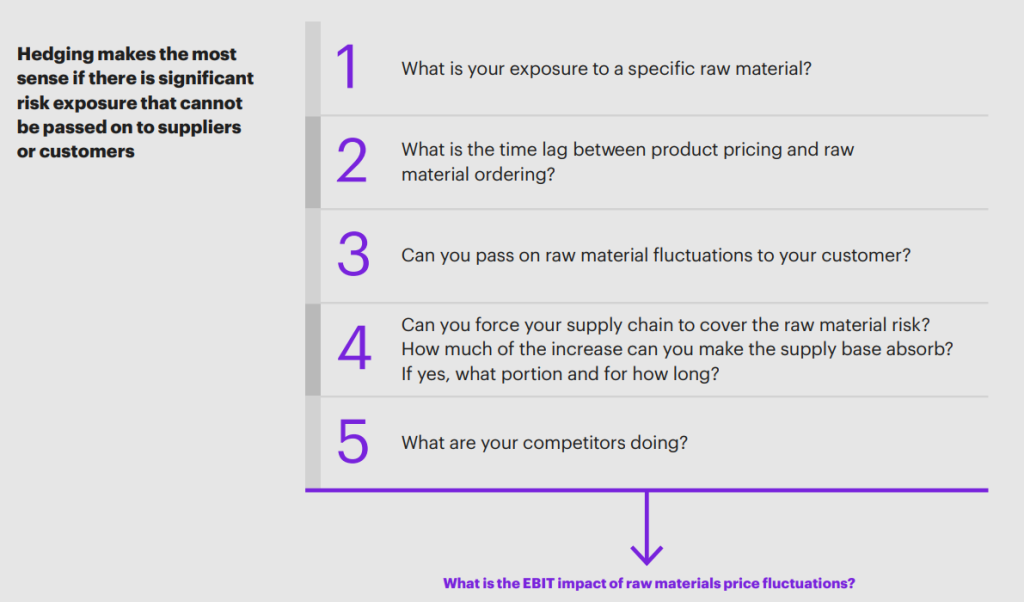
Figure 2. Hedging strategies (source – www.kearney.com/documents)
Companies can use futures contracts, options, swaps, or other financial instruments to offset price fluctuations for selected commodities. However, procurement leaders should adopt hedging only after thoroughly understanding their organization’s exposure, financial objectives, and risk tolerance. Hedging cannot eliminate every procurement risk, but it improves cost predictability, supports budgeting, and contributes to Reducing Risk across global supply chains. Because of this, organizations should evaluate hedging as part of their overall procurement strategy rather than treating it as a standalone financial tool.
Strategic Framework for Material Qualification
Effective material qualification extends far beyond laboratory testing or supplier approval. Instead, organizations should integrate procurement, engineering, quality management, logistics, and supplier development into a unified framework that strengthens long‑term supply chain resilience. This integrated approach allows companies to anticipate disruptions rather than simply reacting to them after they occur.
Objective | Mitigation Strategy | Core Benefit |
Price Stability | Financial Hedging & Long-term Fixed Contracts | Locks in predictable material pricing. |
Supply Continuity | Supplier Diversification & Dual Sourcing | Minimizes dependence on single vendors or regions. |
Defect Prevention | Strict Incoming Quality Control (QC) & Inspection | Blocks sub-par materials before manufacturing. |
Process Transparency | Integrated ERP Systems & Real-time Tracking | Eliminates communication gaps and tracking errors. |
Four strategic priorities are highlighted that enhance procurement performance and support Reducing Risk across the entire supply chain. First, organizations should improve price stability through long‑term procurement contracts, indexed pricing agreements, and financial hedging when appropriate. Stable pricing supports accurate budgeting and protects companies from severe commodity price fluctuations. Second, companies should strengthen supply continuity by qualifying multiple suppliers, diversifying sourcing locations, and reducing dependence on individual vendors or geographic regions. Supplier diversification increases flexibility and resilience during unexpected disruptions. Third, organizations should protect material quality through rigorous supplier qualification, incoming material inspections, and continuous quality monitoring. Detecting quality issues before materials enter production reduces defects, minimizes waste, and improves customer satisfaction. Finally, companies should enhance supply chain transparency by implementing integrated ERP systems, digital procurement tools, and real‑time monitoring technologies. Better visibility helps procurement teams identify emerging risks earlier, make more informed decisions, and continue Reducing Risk throughout procurement operations.