


A product that fails to evolve alongside its users inevitably falls behind. Integrating feedback isn’t a one-off task – it’s an ongoing discipline that should be embedded into your entire product development approach. Whether you’re refining existing capabilities, exploring new features, or ensuring alignment with broader business priorities, feedback from every direction becomes your compass. Post-Launch Engineering ensures this feedback loops are structured, actionable, and continuously leveraged.
Consistently gathering input from users, stakeholders, and team members enables a continuous improvement cycle, ensuring the product adapts to real world challenges and expectations. Listening to users helps uncover pain points, unexpected behaviours, and high impact opportunities. Engaging stakeholders keeps the product synchronized with organizational strategy, preventing misalignment and wasted effort. Involving internal teams strengthens collaboration, encourages ownership, and often sparks innovation.
To be effective, feedback collection must be structured and ongoing, supported by clear communication channels and actionable processes. This may involve recurring surveys, usability tests, stakeholder reviews, or team retrospectives. Crucially, feedback shouldn’t just be gathered – it must be incorporated into decision making, with transparent reasoning behind each change. When feedback becomes a core element of development, products become more user centric, adaptable, and strategically aligned. The result is higher user satisfaction, stronger market performance, and more cohesive teams. Post-Launch Engineering practices formalize this integration of insights and actions.
What Feedback Represents in the Product Lifecycle
In product development, feedback refers to the insights, recommendations, observations, and critiques collected from individuals who interact with or are influenced by the product. This includes end users who rely on the product, stakeholders who have a vested interest in its success, and internal team members who contribute to its creation and upkeep. Feedback may appear in many forms – user reviews, enhancement requests, bug reports, or even informal comments shared during internal discussions.
The essential principle is to treat all feedback as meaningful input that can steer the direction of product evolution. It’s not merely about gathering opinions; it’s about uncovering the deeper needs, frustrations, and expectations of the people engaging with the product. Effective Post-Launch Engineering integrates these insights into structured workflows to ensure each iteration improves the product.
Feedback as a Mechanism for Continuous Improvement
Feedback shouldn’t be viewed as something that happens only after launch – it should be woven throughout the entire development lifecycle. Consistently collecting and evaluating feedback enables both gradual refinements and major leaps forward.
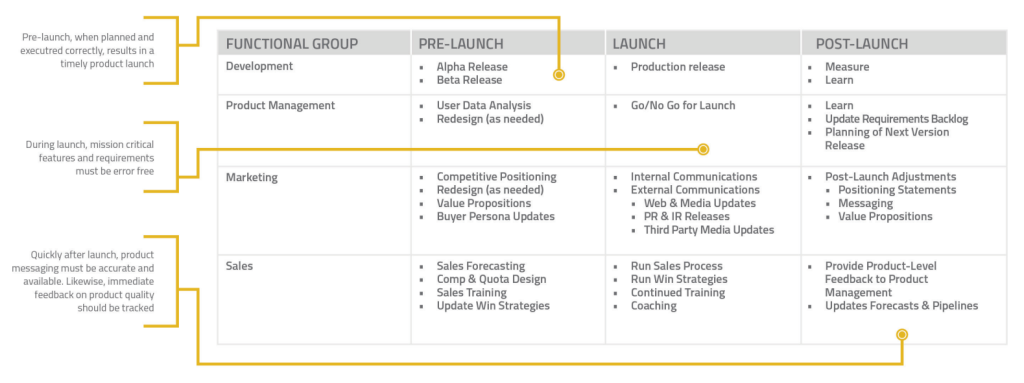
Figure 1. Product Launch Roles & Responsibilities (Source – hubspot.net)
- Incremental Enhancements
These are small, ongoing improvements driven by user input. For example, if several users mention that a feature feels confusing, the team can adjust the interface to make it more intuitive. While each change may seem minor, together they significantly elevate the overall user experience.
- Transformational Improvements
Occasionally, feedback uncovers opportunities for substantial change. A recurring pattern in user behaviour might reveal that people are using a feature in an unexpected way. This insight can inspire the team to redesign or reposition the feature, potentially turning it into a defining element of the product. These breakthroughs often fuel innovation and help differentiate the product from competitors.
By continuously integrating feedback, the product evolves based on real-world usage, increasing its value and appeal. This ongoing refinement is a cornerstone of Post-Launch Engineering.
Contact us today to learn how LA NPDT can assist in realizing your project.
Ensuring Alignment with Market Expectations
In a fast-moving and competitive environment, staying relevant is an ongoing challenge. Feedback ensures the product not only meets its initial requirements but also adapts to shifting market conditions.
Designing with Users at the Centre
Products that prioritize user input tend to perform better. Listening to users helps uncover their needs and frustrations, enabling teams to design improvements that address real problems. This user-first mindset builds loyalty and keeps the product aligned with customer expectations.
Staying in Sync with Stakeholders
Stakeholders – such as investors, partners, and internal leaders – often have a broader perspective on market trends and business priorities. Their feedback ensures the product supports strategic objectives, balancing user satisfaction with profitability and long-term growth.
Maintaining Competitive Edge
Feedback also helps keep the product competitive. Understanding what users appreciate or dislike about alternative solutions allows teams to make informed decisions about which features to enhance, remove, or prioritize. This proactive approach helps the product stay ahead of competitors and respond quickly to market changes. Post-Launch Engineering ensures competitive insights are translated into actionable updates.
Real Examples of Feedback-Driven Success
To demonstrate the impact of feedback, here are several well-known cases:
a) Instagram
Originally launched as Burbn, a check-in app, the founders noticed users gravitated toward the photo-sharing function. By acting on this insight, they rebranded and refined the app into the image-focused platform we know today – a transformation entirely driven by user behaviour.
b) Dropbox
Dropbox’s early growth was fuelled by a strong commitment to user feedback. Through its beta program, users tested the product and shared their experiences. This input helped refine essential features like file syncing and sharing, making the product more intuitive and reliable. As a result, Dropbox quickly became a leader in cloud storage.
c) Slack
Slack’s rise as a top communication tool was rooted in continuous engagement with users. The team regularly sought to understand workflow challenges and communication needs. By integrating this feedback into updates, Slack became the preferred platform for team collaboration, surpassing many competitors. These examples highlight the practical value of Post-Launch Engineering in converting feedback into product success.
Market Listening as an Ongoing Discipline
Effective market research isn’t a one-time effort – it must operate continuously. A strong market listening framework provides a comprehensive, 360-degree understanding of the market by examining it through multiple analytical perspectives. When research is conducted regularly, these different “lenses” help uncover, confirm, and validate insights from various angles. This enables leadership teams to maintain an objective, accurate understanding of both current and emerging market conditions.
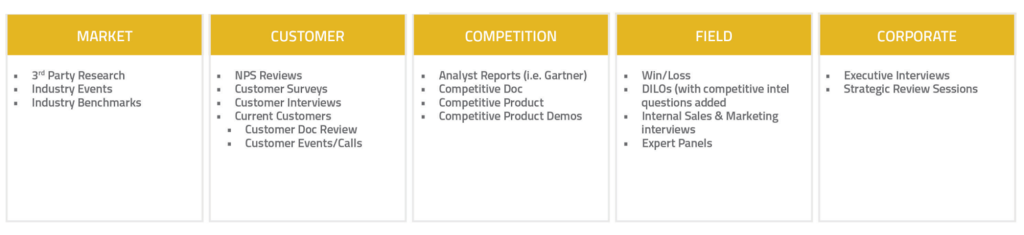
Figure 2. Market Listening Methods
Feedback collection is a critical component of this process. It ensures that the final product not only satisfies user expectations but also remains aligned with broader business priorities. Post-Launch Engineering embeds these insights into structured development and iteration workflows.
Methods for Collecting Feedback
A. Surveys and Questionnaires
Surveys and questionnaires are among the simplest and most scalable ways to gather input. They allow teams to reach large groups of users and collect structured information about specific aspects of the product. Their flexibility makes them suitable for both numerical (quantitative) and descriptive (qualitative) insights.
Benefits of Surveys
- Wide reach – They can be distributed to hundreds or thousands of users simultaneously, enabling large-scale data collection.
- Flexible design – Questions can be multiple choice, rating-based, or open-ended, offering a blend of measurable data and personal insights.
- Cost-efficient – Tools like Google Forms or SurveyMonkey provide free or low-cost options, making surveys accessible for any budget.
Tips for Effective Surveys
- Keep them short – Long surveys cause fatigue and reduce the quality of responses.
- Use clear, direct questions – Ambiguous wording leads to unreliable data.
- Encourage participation – Incentives such as discounts or prize drawings can significantly increase response rates.
B. Interviews and Focus Groups
While surveys provide breadth, interviews and focus groups offer depth. These methods allow teams to explore user motivations, frustrations, and expectations in a more detailed and interactive way. Unlike surveys, these sessions involve real-time conversations – either in person or online.
Benefits of Interviews and Focus Groups
- Rich qualitative insights – They reveal emotional reactions, nuanced opinions, and context that surveys often miss.
- Dynamic exploration – Facilitators can ask follow-up questions and dive deeper into unexpected topics.
- Relationship building – Direct engagement strengthens trust and fosters a sense of involvement among participants.
Tips for Successful Sessions
- Prepare but stay adaptable – Have guiding questions, but allow the conversation to evolve naturally.
- Create a comfortable environment – Participants should feel safe sharing honest opinions.
- Keep groups small – For focus groups, 6–10 participants are ideal to ensure everyone can contribute.
C. User Testing and Beta Releases
User testing and beta programs allow teams to gather real-world feedback before a full launch. By letting users interact with a near-final version of the product, teams can uncover issues and improvement opportunities that may not surface during internal testing. Post-Launch Engineering frameworks often formalize beta testing cycles to maximize learning.
Benefits of User Testing
- Real-world context – Users interact with the product in their natural environment, revealing authentic usage patterns.
- Early issue detection – Identifying bugs or usability problems early saves time and resources later.
- User engagement – Beta testers often feel valued and more invested in the product’s success.
Tips for Effective Testing
- Define clear goals – Know exactly what you want to learn.
- Provide guidance – Offer instructions but allow users to explore freely.
- Act on the input – Demonstrate that feedback leads to meaningful improvements.
D. Analytics and Data Driven Insights
Modern analytics tools provide powerful ways to understand user behavior. By tracking how people interact with the product, teams can identify what works well and where users encounter friction.
Benefits of Analytics
- Objective data – Unlike subjective feedback, analytics reveal actual behavior patterns.
- Continuous monitoring – Teams can observe trends over time and respond quickly to emerging issues.
- Customizable tracking – Tools like Google Analytics, Mixpanel, and Hotjar allow teams to monitor metrics that matter most to their goals.
Tips for Using Analytics Effectively
- Focus on key indicators – Avoid getting overwhelmed by excessive data; prioritize metrics tied to business goals.
- Combine with qualitative insights – Analytics show what is happening, but not always why.
- Iterate based on findings – Use data to guide decisions and refine the product continuously.
Market Listening Outcomes
A well-structured market listening program provides several strategic advantages:
- Awareness of current trends influencing buyer behaviour
- Understanding of competitive messaging that may challenge your positioning
- Insight into real product usage compared to the intended design
- Knowledge of buyer preferences and how they educate themselves
When these insights are shared across the organization, every team benefits – from product and marketing to sales and customer success. This outward-focused approach ensures alignment around real market needs. Ultimately, it leads to stronger customer experiences, better solutions, improved competitive positioning, more effective sales motions, and enhanced customer lifecycle management. These improvements often translate into higher NPS scores and increased Customer Lifetime Value. Post-Launch Engineering ensures these insights translate into actionable updates that continuously refine the product.
The Long-Term Advantages of Rapid Feedback Cycles
Organizations that invest in strong post-launch feedback systems gain compounding benefits:
- They correct positioning issues within weeks instead of months.
- They identify product market fit gaps early enough to influence the roadmap.
- They equip sales teams with messaging refined through real customer conversations.
More importantly, they build positioning grounded in actual market behaviour rather than internal assumptions. Feedback reveals how buyers categorize products, which alternatives they consider, what value they prioritize, and which messages influence their decisions. Post-Launch Engineering enables rapid adaptation by systematically integrating feedback into iterative cycles. Market validated positioning consistently outperforms messaging created in isolation.
Integrating Feedback into the Development Process
1. Building Effective Feedback Loops
One of the foundational steps in weaving feedback into your development workflow is establishing clear, reliable feedback loops. A feedback loop is a structured cycle in which input is collected, analysed, and transformed into actionable improvements.
A strong loop begins with identifying the primary sources of feedback. These may include end users, internal stakeholders, team members, and even insights gathered from competitor products. Drawing from a wide range of perspectives ensures a comprehensive understanding of the product’s strengths, weaknesses, and opportunities.
Timing and frequency also matter. You may choose to gather user feedback after each major release, conduct stakeholder reviews at the end of every sprint, or schedule recurring internal retrospectives. Regular touchpoints keep the loop active and ensure that insights remain timely.
Centralizing feedback collection is equally important. Using unified tools – such as project management platforms, customer support systems, or dedicated feedback portals – helps consolidate input in one place, making it easier to track, prioritize, and act upon. Post-Launch Engineering emphasizes this structured approach to ensure feedback consistently informs development.
2. Prioritizing Feedback
Once feedback begins flowing in, the next challenge is determining what to address first. Not all feedback carries the same weight, so prioritization must be thoughtful and strategic.
Feasibility is a key factor. Some suggestions may be appealing but require more resources, time, or technical complexity than the team can support. It’s essential to balance the cost of implementation with the potential value it delivers.
Impact on users and alignment with business goals should also guide prioritization. Issues that affect core functionality or significantly influence user experience should be addressed before cosmetic or low-impact improvements.
Frequency of feedback is another indicator. When multiple users raise the same concern, it signals a widespread issue that likely requires immediate attention.
Strategic alignment also plays a role. Some ideas may be valuable but fall outside the current direction of the product. In such cases, it’s important to acknowledge the feedback while placing it on hold for future consideration. Post-Launch Engineering ensures prioritization is structured and aligned with both user needs and business strategy.
3. Handling Conflicting Feedback
Conflicting feedback is inevitable, especially when input comes from diverse groups with different priorities. One user may request a feature that another finds unnecessary, or stakeholders may disagree on what should be prioritized.
Clarification is often the first step. Conflicts may stem from misunderstandings or differing interpretations of the same issue. Asking follow-up questions can help uncover the underlying motivations and reveal common ground.
Returning to the broader vision of the product is another effective strategy. When disagreements arise, evaluating which feedback aligns best with the long-term goals helps guide decision-making.
Involving key decision makers or cross-functional teams can also help resolve conflicts. Their broader perspective can provide balance and help mediate between competing viewpoints.
Testing and validation offer another path forward. When uncertain, teams can experiment with multiple options through A/B testing or limited pilots to determine which approach performs better in practice. Post-Launch Engineering practices often formalize these conflict-resolution strategies within iterative workflows.
4. Iterative Development
Feedback is most powerful when it fuels an ongoing, iterative development process. Instead of waiting for a product to be “finished,” teams should incorporate feedback continuously throughout the lifecycle.
Continuous improvement is at the heart of iteration. Each cycle builds upon the previous one, integrating feedback to ensure the product evolves in a direction that meets user needs and business objectives.
Agile methodologies such as Scrum and Kanban naturally support iterative development. Short sprints, regular reviews, and rapid adjustments allow teams to respond quickly to new insights.
Collaboration is essential. Involving users, stakeholders, and team members throughout the iteration process ensures that expectations remain aligned and that everyone has a voice in shaping the product.
Tracking and reflecting on incorporated feedback help teams understand its impact. This ongoing reflection reveals patterns, improves prioritization, and ensures the product continues moving in the right direction. This cycle is central to Post-Launch Engineering, which formalizes iteration and ensures learning is systematically applied.


