


When designing a new product, companies must evaluate numerous variables: customer needs, technological constraints, competitive intensity, cost structures, regulatory requirements, and long‑term strategic fit. By integrating these factors, organizations increase the likelihood of producing solutions that are not only innovative but also commercially successful. This is why ROI Modelling for Product Development is becoming a core capability in modern organizations.
Over recent decades, the number of new product launches has grown dramatically. This surge is driven by the recognition that innovation is a key source of competitive advantage. As industries evolve and technology accelerates, firms must consistently introduce new offerings to remain viable. Yet, while innovation is more important than ever, managing NPD has become increasingly complex. Development requires significant financial and human resources, is time‑sensitive, and carries substantial uncertainty. Here again, ROI Modelling for Product Development helps organizations make informed decisions about which projects deserve investment.
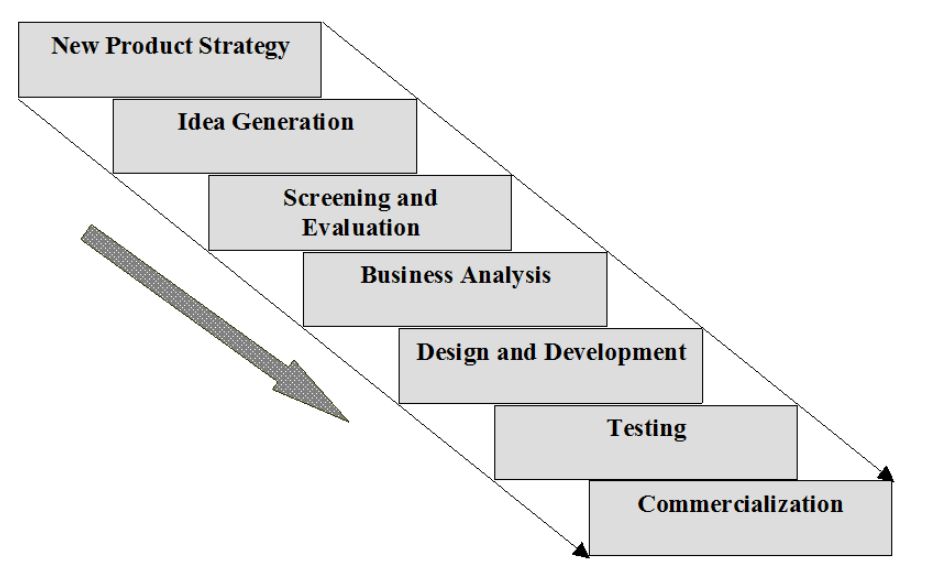
Figure 1. Stages of New Product Development (source – upcommons.upc.edu
The reality is sobering: most product ideas never reach the market, and among those that do, failure rates range from 25% to 45%. As your document notes: “For every seven new product ideas generated within a company, approximately four enter the development phase… and only one achieves true commercial success.” This high risk underscores the need for structured evaluation methods such as ROI Modelling for Product Development.
Despite decades of research on innovation best practices, many companies still struggle to deliver consistent product success. NPD remains one of the most uncertain and resource‑intensive strategic activities. With nearly half of NPD resources spent on initiatives that are cancelled or fail to deliver adequate returns, organisations face mounting pressure to ensure that innovation investments generate measurable value. This is precisely why ROI Modelling for Product Development is no longer optional – it is a strategic necessity.
The Need for ROI in Product Development
Because innovation requires substantial resources and entails significant uncertainty, organisations increasingly rely on financial assessment tools to guide product development decisions. Creating a new product typically involves numerous demanding and costly phases – from idea generation and concept validation to design, prototyping, testing, production planning, and marketing preparation. As your document notes: “Each of these stages requires investments of time, expertise, and capital.”
Given these demands, product managers must frequently determine which initiatives deserve continued investment and which should be halted. In environments where budgets are limited and resources are stretched, companies cannot afford to invest in innovation without clear justification. This is where ROI Modelling for Product Development becomes indispensable.
Many organisations rely on Return on Investment (ROI) analysis as a central tool for evaluating the economic potential of new product initiatives. ROI Modelling for Product Development helps leaders understand whether a project is likely to generate sufficient value relative to its cost. It also supports prioritisation, ensuring that resources flow toward initiatives with the strongest financial and strategic potential.
To achieve successful outcomes in product development, companies must establish clear, measurable, and strategically aligned objectives. Every phase of the development cycle – from research and design to marketing and sales – should support these goals. By ensuring alignment, organisations enhance both the efficiency and the effectiveness of their innovation efforts. This alignment is a core principle of ROI Modelling for Product Development, which links activities directly to measurable business outcomes.
Ultimately, maximising return on investment ensures that new products are not only technically feasible but also financially sustainable. In a competitive environment, ROI Modelling for Product Development provides the structure and discipline needed to make informed decisions, reduce risk, and increase the likelihood of commercial success.
Planning an Effective ROI Evaluation
Before an organisation can accurately measure the financial impact of its product development activities, it must establish a structured and well‑defined approach to ROI assessment. In other words, meaningful evaluation begins with thoughtful planning and clear goal‑setting. As your document states: “The first step in planning an ROI evaluation is to define proper and measurable objectives.”
These objectives must align with the company’s broader business strategy, marketing direction, mission, and long‑term vision. Ensuring this alignment guarantees that innovation efforts contribute directly to corporate priorities. This strategic connection is a core principle of ROI Modelling for Product Development, which links development activities to measurable business outcomes.
To build a reliable foundation for evaluation, organisations must gather comprehensive information about all variables that influence the project. This includes market demand, competitive pressures, production costs, technological feasibility, and internal capabilities. Once this data is collected, companies can form an initial assessment of the project’s viability and strategic relevance.
For objectives to be effective, they must meet several criteria:
- They must include specific performance indicators
- They must be time‑bound
- They must contain clear, quantifiable milestones.
By establishing structured, measurable goals, organisations create the groundwork for accurate and actionable ROI analysis. This disciplined approach is essential for ROI Modelling for Product Development, ensuring that financial evaluation is both credible and strategically meaningful.
Tools and Techniques for Screening and Business Analysis
Once strategic objectives are defined, companies must evaluate potential product initiatives using rigorous financial and analytical tools. These methods help determine the economic viability of innovation projects and guide investment decisions. ROI Modelling for Product Development relies heavily on these tools to ensure that resources are allocated to the most promising opportunities.
Expected Commercial Value (ECV)
One widely used technique is the Expected Commercial Value method. Its purpose is to maximise the overall commercial value of innovation projects while accounting for financial returns and associated risks. As your document explains: “The ECV method introduces the concept of probability‑based decision‑making.”
Instead of assuming that every project will succeed, ECV incorporates the probability of both technical and commercial success. Using decision tree analysis, organisations can evaluate multiple potential outcomes and their likelihoods. The method considers:
- projected future earnings
- probability of technical success
- probability of commercial success
- commercialization costs
- development costs.
By integrating these factors, ECV estimates the expected financial value of a project. This makes it a powerful component of ROI Modelling for Product Development, helping organisations prioritise initiatives based on risk‑adjusted value.
Net Present Value (NPV)
Another essential financial tool is Net Present Value. NPV compares the present value of expected cash inflows with the present value of required investments. A positive NPV indicates that a project’s return exceeds the company’s required rate of return. This method is fundamental to ROI Modelling for Product Development, as it provides a clear, quantitative measure of financial attractiveness.
Internal Rate of Return (IRR)
Closely related to NPV, the Internal Rate of Return identifies the discount rate at which the present value of cash inflows equals the present value of cash outflows. If the IRR meets or exceeds the company’s required return, the project is considered acceptable. IRR is frequently used in ROI Modelling for Product Development to rank projects based on expected profitability.
Profitability Index (PI)
The Profitability Index measures the ratio of the present value of future cash inflows to the initial investment. A PI of one or greater indicates that the project is financially viable. This metric is especially useful when comparing projects of different sizes or durations. Because it highlights profitability per dollar invested, PI is a valuable tool within ROI Modelling for Product Development.
Together, these financial evaluation methods ensure that:
- Project ideas are thoroughly screened
- Business analysis is systematic
- The value of the innovation pipeline is maximised.
Strategic Alignment and Organizational Context
While financial tools are essential for evaluating innovation projects, ROI analysis must always be embedded within the broader strategic framework of the organisation. A company’s strategy should clearly outline the goals of its new product initiatives and define the expected financial return from innovation activities. As your document states: “A firm’s strategy should clearly define the goals of its new product program and specify the expected return on investment from innovation activities.”
This strategic clarity ensures that new products contribute meaningfully to corporate objectives such as revenue growth, market expansion, profitability, or technological leadership. ROI Modelling for Product Development plays a central role here, helping organisations verify that each development effort aligns with long‑term priorities.
Another important concept is the definition of strategic arenas – specific markets, technologies, or product categories that the company chooses to focus on. These arenas guide the direction of the innovation portfolio and ensure that resources are allocated efficiently. By integrating strategic context with financial evaluation, ROI Modelling for Product Development becomes a powerful decision‑making tool that balances opportunity, risk, and long‑term vision.
The ROI Methodology
One of the most widely recognised frameworks for evaluating the impact of investments is the ROI Methodology, originally developed by Jack J. Phillips in 1973. This approach expands upon earlier evaluation models by providing a structured, operational process for measuring value. As your document notes: “The ROI Methodology ensures that collected data are reliable, structured, and actionable.”
The methodology offers organisations a consistent way to connect investments in training, innovation, or product development to measurable business outcomes. It also ensures that data collection is systematic and that results can be interpreted with confidence. This makes the framework especially valuable for ROI Modelling for Product Development, where financial justification and strategic alignment are critical.
A key strength of the Phillips methodology is its ability to integrate multiple organisational functions – such as product management, marketing, and talent development – into a unified evaluation system. By doing so, it helps companies demonstrate how their innovation activities contribute to value creation across the entire enterprise.
In essence, the ROI Methodology provides the structure needed to transform product development investments into quantifiable business results. When combined with financial tools and strategic planning, it becomes a foundational component of ROI Modelling for Product Development, enabling organisations to evaluate, justify, and optimise their innovation efforts.
Understanding and Calculating ROI
At its core, Return on Investment (ROI) measures the financial gains produced by an initiative compared to the resources required to execute it. To make meaningful comparisons between innovation projects, managers must understand how ROI benchmarks are calculated. As your document states: “ROI compares the financial returns generated by an investment with the costs required to make that investment.”
In the context of product development, ROI serves several important purposes:
• establishing clear performance expectations for new products
• determining whether development expenses are justified by projected benefits
• evaluating how innovation contributes to overall corporate profitability
The fundamental goal of ROI Modelling for Product Development is to compare the anticipated financial return of a project with the organisation’s predefined performance thresholds. The standard formula is:
ROI = ((Income – Investment) / Investment) × 100
Several key considerations apply when using this formula:
• The numerator reflects the financial benefits generated by the project
• The denominator represents the total investment cost
• Marketing expenditures are treated as part of the investment
• ROI is expressed as a percentage for easy comparison
• A positive ROI indicates profitability, while a negative ROI signals financial loss.
By applying ROI Modelling for Product Development, organisations can evaluate whether a project meets strategic and financial expectations, enabling more informed decision‑making and better resource allocation.
Reporting ROI and Data Generation
Once ROI calculations are completed, organisations must communicate the results through structured and transparent reporting. Effective ROI reporting ensures that stakeholders understand the methodology, assumptions, and outcomes behind the evaluation. As your document notes: “ROI reporting should include, but not be limited to, the following components…”
A comprehensive ROI report typically includes:
A. A description of the evaluation framework and planning process
B. A SWOT analysis that integrates marketing and business perspectives
C. An assessment of the organisation’s capability to conduct ROI evaluations
D. Definitions of relevant factors and monetary conversion criteria
E. Data collection and processing procedures
F. Detailed ROI calculations
G. Profitability analysis
H. Business intelligence insights
I. Recommendations for future initiatives.
Within the Phillips ROI framework, six primary categories of data are generated:
• Reaction and Planned Action
• Learning
• Application and Implementation
• Impact
• Return on Investment
• Intangibles.
These categories ensure that organisations evaluate not only financial outcomes but also behavioural, operational, and strategic effects. This holistic approach is a defining feature of ROI Modelling for Product Development, which emphasises both quantitative and qualitative value creation.
By adopting structured reporting practices, companies can transform raw financial data into actionable insights, strengthen executive confidence, and improve future innovation decisions.
The Four Rules of ROI Leaders
Organisations that consistently achieve strong financial returns from innovation tend to follow several core principles. These rules help companies accelerate development, improve customer outcomes, and strengthen profitability. As your document highlights: “Time‑to‑market is often the first and most critical measurement of an ROI‑driven organisation.”
Rule 1: Accelerate Time‑to‑Market
Speed is one of the most influential factors in determining the success of a new product. Delays in development reduce the total revenue a product can generate during its lifecycle. Many projects suffer from feature creep, inaccurate estimates, or shifting requirements.
Market‑driven organisations focus on:
- Solving clearly defined customer problems
- Reducing development scope through precise requirements
- Establishing measurable launch plans
These practices are central to ROI Modelling for Product Development, ensuring that teams deliver value quickly and efficiently.
Rule 2: Accelerate Time‑to‑Revenue
Launching a product is only the beginning – the real measure of success is how quickly it starts generating revenue. Product launches often require significant investments in marketing, digital assets, sales training, and channel support.
However, the key driver of ROI is customer adoption. Clear messaging, strong market understanding, and effective positioning shorten sales cycles and improve financial outcomes.
This principle is deeply connected to ROI Modelling for Product Development, which emphasises rapid value realisation.
Rule 3: Maximise Customer Satisfaction
Customer satisfaction is one of the strongest predictors of long‑term profitability. Research shows that a highly satisfied customer is nearly six times more likely to repurchase or recommend a product than one who is merely satisfied. As your document notes:
“Acquiring new customers can cost five times more than retaining existing ones.”
Even a small reduction in customer churn can dramatically increase profits.
By improving satisfaction, organisations strengthen the long‑term ROI of their innovation efforts – a core focus of ROI Modelling for Product Development.
Rule 4: Improve Workforce Productivity
Employee productivity has a direct impact on profitability, especially since personnel costs are often the largest operational expense. Retaining high‑performing staff and improving team efficiency can significantly enhance financial outcomes. Workforce effectiveness is therefore a critical component of ROI Modelling for Product Development, ensuring that innovation teams operate at peak performance.
Building Market‑Driven Product Organisations
Organisations can evaluate whether they are truly market‑driven by asking a series of strategic questions related to product planning, customer focus, and marketing effectiveness. These questions help determine whether the company is aligned with real customer needs and capable of delivering products that succeed in the marketplace. As your document explains: “These questions include whether companies meet product delivery schedules, define requirements based on market needs, and focus innovation on clearly defined customer problems.”
A market‑driven organisation typically demonstrates the following characteristics:
• It consistently meets product delivery timelines
• It bases product requirements on validated customer needs
• It prioritises innovation that solves meaningful customer problems
• It allocates resources toward customer satisfaction and retention
• It aligns product strategy with market insights and competitive dynamics.
When companies can confidently answer “yes” to these questions, they are likely operating as true market‑driven enterprises.
This mindset is essential for ROI Modelling for Product Development, because market‑driven organisations are far more likely to generate strong financial returns from their innovation efforts.
Why ROI Matters in Modern Organizations
Return on Investment has become one of the most widely accepted evaluation tools in contemporary organizations. As budgets grow and competition intensifies, leaders demand clear evidence that innovation initiatives deliver measurable value. As your document notes: “ROI has gained widespread acceptance for several reasons. First, as organisational budgets increase, accountability becomes increasingly important.”
Executives favour ROI because it is a familiar, straightforward financial metric that enables consistent comparison across projects. The global shift toward greater transparency and performance measurement has further increased the demand for ROI‑based evaluations.
This trend makes ROI Modelling for Product Development especially important, as it provides a structured way to justify investments, prioritise initiatives, and demonstrate the financial impact of innovation.
Senior leaders increasingly expect ROI analysis to be part of strategic decision‑making. As a result, product teams must be prepared to present clear, data‑driven business cases that show how new products contribute to profitability, growth, and competitive advantage.
In this environment, ROI Modelling for Product Development is not just a financial tool – it is a strategic requirement.
Best Practices, Barriers, and Benefits
Organisations that successfully implement ROI methodologies tend to follow several best practices. These include conducting selective ROI studies, using multiple data sources, converting business impact into monetary values, and integrating results into organisational scorecards. As your document states: “Organizations implementing ROI methodologies often follow several best practices, including conducting selective ROI studies and using multiple data sources.”
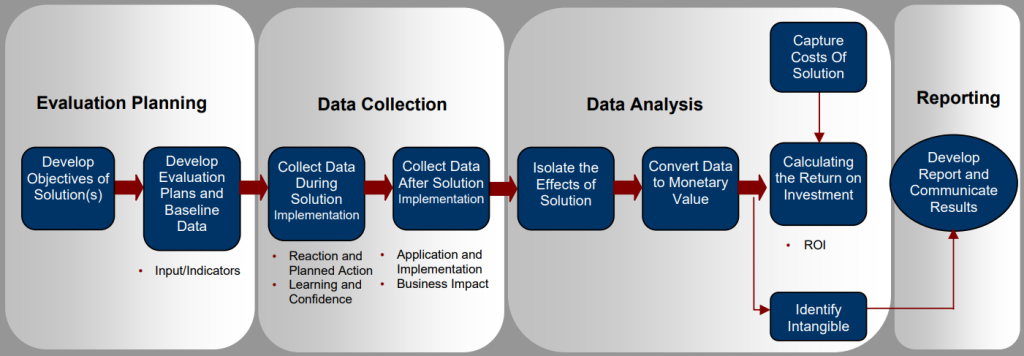
Figure 2. Philips ROI methodology: source – www.roiinstitute.net
However, several obstacles can hinder effective ROI implementation. Common barriers include:
• the additional time and cost required for evaluation
• limited analytical skills among staff
• inadequate needs assessments
• fear of negative results
• insufficient planning
• misconceptions about the complexity of ROI analysis.
Despite these challenges, the advantages of ROI evaluation are substantial. ROI studies help organizations measure the contribution of innovation programs, establish priorities, focus on outcomes, secure executive support, and shift perceptions from viewing innovation as an expense to seeing it as an investment.
Complexity of Financial Calculations
Although ROI analysis is extremely valuable, financial calculations can become complex, especially in modern business environments. Factors such as recurring revenue models, differences between annual and monthly revenue, and the effects of financial compounding can significantly influence ROI estimates. As your document notes: “Financial calculations can become quite complex.”
Because of these complexities, organizations are strongly encouraged to collaborate with finance, accounting, or business intelligence professionals when performing ROI evaluations. These experts can validate assumptions, refine financial models, and ensure that projections are accurate and credible.
This collaboration is an important part of ROI Modelling for Product Development, ensuring that financial assessments are both reliable and aligned with organizational standards.
By combining technical financial expertise with strategic product insights, companies can create more accurate ROI models and make better investment decisions.
Contact us today to learn how LA NPDT can assist in realizing your project.


