


Bringing globally dispersed contributors into the same virtual space in real time remains a major challenge. When teams stay disconnected, development slows down, misunderstandings multiply, and rework becomes expensive. In contrast, companies that embrace Collaboration with Manufacturers in Product Development can tap into a global network that boosts innovation, increases capacity, shortens time to market, and lowers costs.
Shifts in the Competitive Environment
The competitive landscape continues to evolve. New information technologies have shifted power toward customers, increasing competition across nearly every industry. Customers now expect personalized products with higher quality, faster delivery, and lower prices. When companies fail to meet these expectations, customers quickly move to alternatives. These pressures force organizations to rethink their operations and highlight the importance of Collaboration with Manufacturers in Product Development as a strategic response.
Procurement Pressure and Cost Structure
Competitive pressure also intensifies the focus on sourcing materials and components. In many manufacturing sectors, purchased goods account for about 55 percent of total sales, and this share keeps growing as companies outsource non-core activities. Because so much revenue flows back to suppliers, procurement plays a central role in value creation. Cost savings now depend not only on price negotiations but also on Collaboration with Manufacturers in Product Development to identify and eliminate inefficiencies together.
New Product Development as a Strategic Process
New product development (NPD) remains a core process for manufacturers. It covers everything from idea generation to market launch. Within this process, teams integrate technology into new concepts that must align with real manufacturing capabilities. Collaboration with Manufacturers in Product Development helps ensure this alignment from the earliest stages.
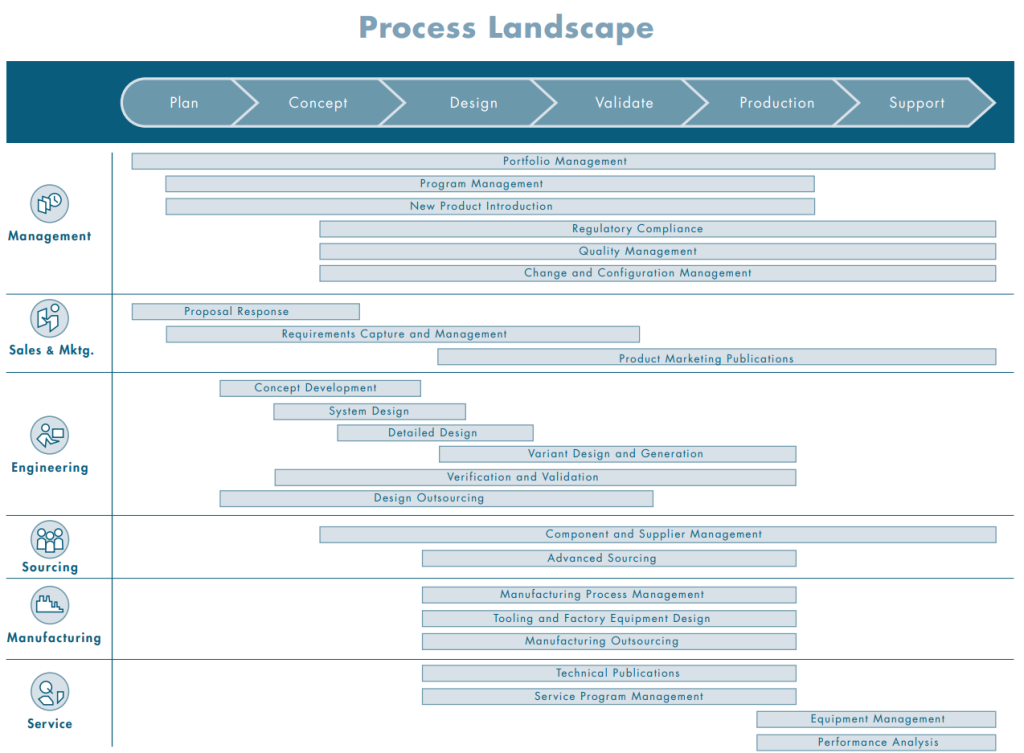
Figure 1. Cross-functional Processes of the Product Value Chain (source – public.dhe.ibm.com)
Determinants of New Product Success
A product’s success depends heavily on the quality of the NPD process. Although researchers and practitioners study this topic extensively, many new products still fail. Studies consistently point to several success factors: deep customer insight, strong product differentiation, effective communication, and a well-coordinated development process. Collaboration with Manufacturers in Product Development strengthens many of these factors directly.
Manufacturing Integration in the PDP
Integrating manufacturing considerations into the product development process (PDP) plays a crucial role in NPD success. Teams should identify production constraints early and address them throughout development. Traditional methods acknowledge this need, yet many companies still struggle to maintain consistent Collaboration with Manufacturers in Product Development.
Limitations of Traditional Development Approaches
In many organizations, manufacturing teams join the process only after the product concept is already defined. This late involvement prevents production requirements from shaping early decisions. Integration often occurs only at specific checkpoints instead of continuously. This fragmented approach weakens Collaboration with Manufacturers in Product Development and limits its impact.
Design for Quality and Manufacturability
Designing products with strong quality – functional performance, ease of assembly, reliability, and sustainability – remains essential for competitiveness. When companies involve multiple internal teams and external partners early in the design phase, they prevent problems sooner and improve manufacturability. Collaboration with Manufacturers in Product Development supports these outcomes.
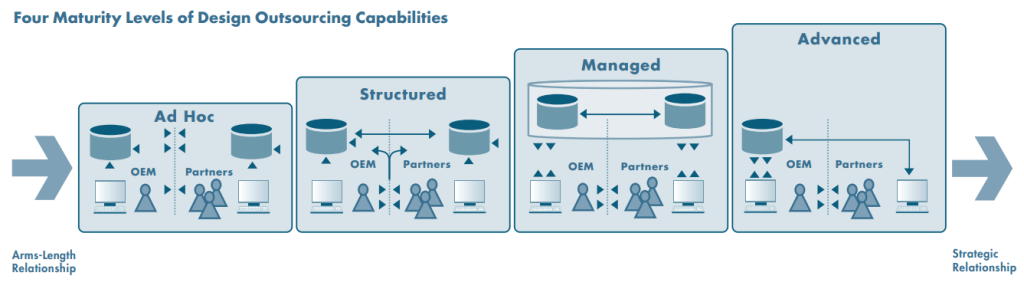
Figure 2. Four Maturity Levels of Design Outsourcing Capabilities (source – public.dhe.ibm.com)
Contact us today to learn how LA NPDT can assist in realizing your project.
Strategic Role of Purchasing
Purchasing must take on a more integrated role as global competition, international sourcing, and rapid technological change reshape the industry. As outsourcing expands, supplier performance increasingly influences company performance. Collaboration with Manufacturers in Product Development becomes a strategic responsibility for purchasing teams.
Purchasing Integration and Internal Alignment
To elevate purchasing to a strategic level, companies need both external initiatives and internal alignment. Purchasing teams must participate in strategic planning, access critical information, and coordinate with other departments. These conditions allow purchasing to support Collaboration with Manufacturers in Product Development more effectively.
Evolution of Buyer–Supplier Relationships
Modern buyer–supplier relationships aim for mutual benefit rather than adversarial negotiations. Collaborative partnerships encourage shared cost management, joint improvement efforts, and better communication.
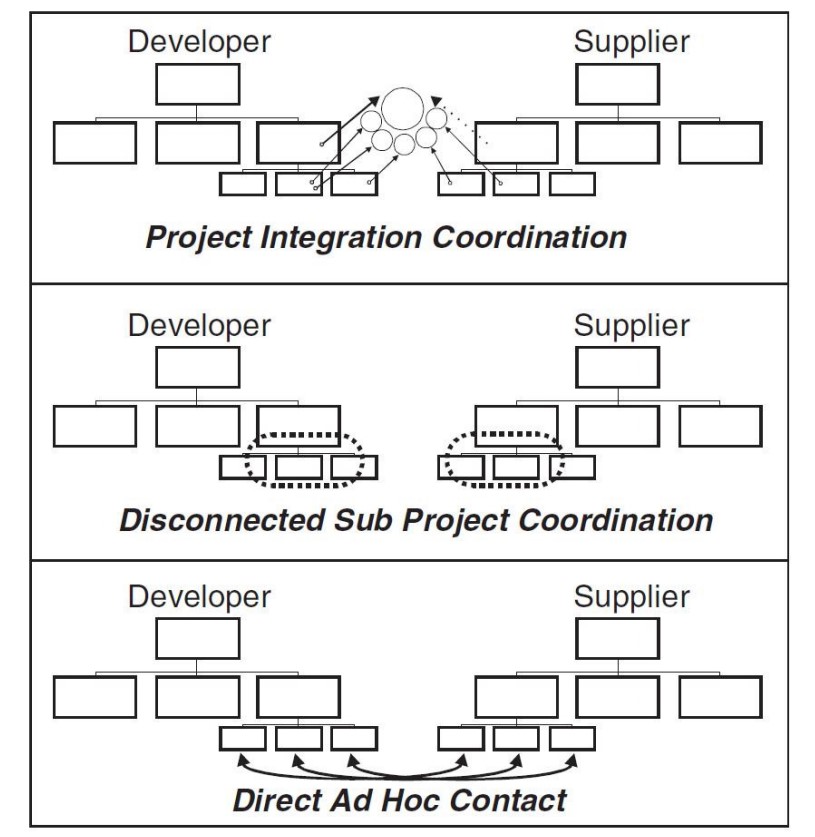
Figure 3. Coordination approaches for involving supplier in product development projects (Source – Lakemond et al)
These relationships often focus on logistics, quality, and product development, reinforcing the long-term value of Collaboration with Manufacturers in Product Development.
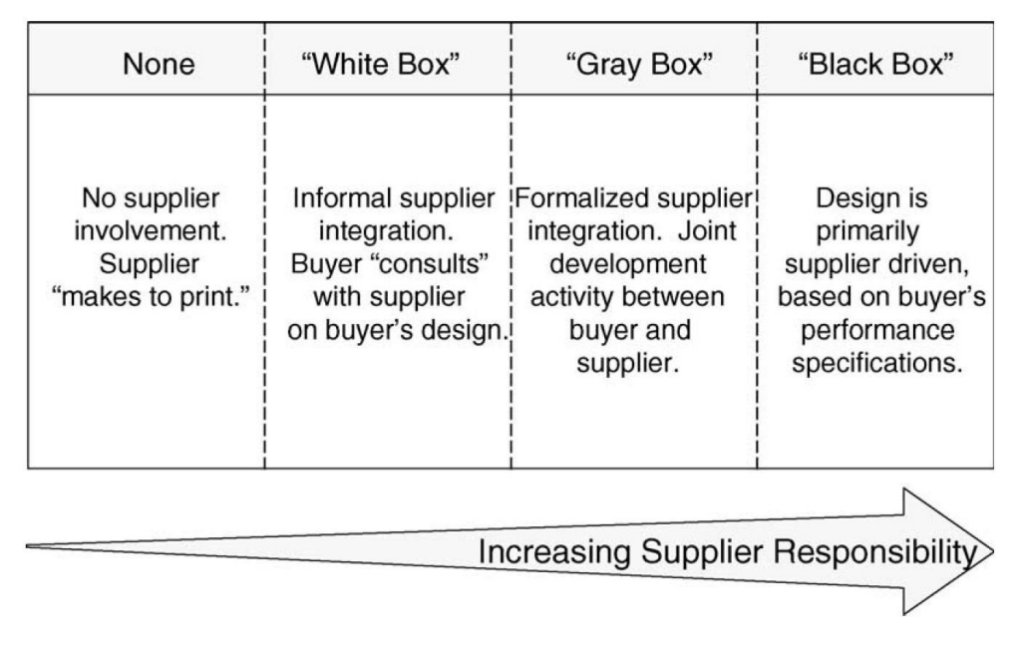
Figure 4. Spectrum of supplier integration (Source – Petersen et al, 2005)
Economic and Relational Outcomes
Although collaboration does not always produce immediate financial results, many studies show that strong supplier relationships lead to positive economic outcomes. Trust, transparency, and long-term agreements often emerge when companies maintain Collaboration with Manufacturers in Product Development over time.
Maturity Levels of Collaborative Design
Collaborative design partnerships vary in maturity. At early stages, cooperation remains informal and relies on limited technology. As maturity increases, companies standardize processes, share tools, and build strategic partnerships. Accordingly, advancing through these stages strengthens Collaboration with Manufacturers in Product Development and increases value for all parties.
Early Supplier Involvement Models
Thus, as relationships deepen, companies involve suppliers earlier in the development process. Supplier roles may range from advisory input to full design responsibility – often described as white-box, gray-box, and black-box models. These models represent different levels of Collaboration with Manufacturers in Product Development.
Coordination Approaches in Collaborative Projects
Another way to categorize collaboration focuses on coordination intensity. Some projects rely on continuous information exchange, while others involve disconnected subprojects or occasional supplier participation. Each approach influences the effectiveness of Collaboration with Manufacturers in Product Development and the quality of project outcomes.
That said, early supplier involvement sounds simple in theory, but companies often struggle to implement it. Many suppliers hesitate to share proprietary information, and teams may lack experience managing sensitive collaborative processes. Successful Collaboration with Manufacturers in Product Development requires choosing the right partners, building flexible relationships, and strengthening internal cross-functional capabilities.
As a result, working with contract manufacturers adds another layer of complexity. Teams must align not only within product development but also across manufacturing, marketing, and supply chain functions. Collaboration with Manufacturers in Product Development helps companies coordinate these efforts and expand their capabilities.
Resource Constraints and Launch Risks
Limited resources often create gaps across critical functions. Underfunded development teams may struggle to complete projects, and insufficient marketing can prevent strong products from gaining traction. These challenges highlight the importance of Collaboration with Manufacturers in Product Development as a way to share resources and reduce launch risks.
In this regard, collaboration with contract manufacturers brings several challenges. Concerns about data security and intellectual property can limit information sharing. Complex supply chains make coordination difficult, and conflicting goals can create tension. Communication breakdowns lead to delays and errors, while trust issues discourage transparency. All these factors weaken Collaboration with Manufacturers in Product Development.
When companies implement collaborative manufacturing effectively, they gain significant benefits. These include broader geographic support, faster time to market, lower-risk access to new markets, improved access to external expertise, higher product quality, and a stronger brand reputation.


