


In today’s highly competitive environment, the new product development (NPD) process largely determines whether a company thrives or fails. To navigate the challenges within this process, purchasing organizations increasingly rely on supplier involvement, making Supplier Selection a strategically vital activity.
As a result, companies view the Product Development Process (PDP) as a core priority in their efforts to strengthen competitiveness. Every phase – from accurately identifying market opportunities to launching new offerings – requires careful attention. The success of this process depends heavily on strategic collaboration with all stakeholders involved in PDP, including capable suppliers, which underscores the importance of Supplier Selection. Furthermore, supplier participation in PDP has become a central component of many firms’ product development strategies because it enhances product value while allowing companies to focus on their core competencies and differentiate themselves from competitors.
Innovation has also emerged as the most decisive factor for competitive success across numerous industries. Rapid technological evolution, shorter product lifecycles, and globalized markets have renewed executive focus on NPD processes. Within this context, organizations increasingly recognize supplier – and later procurement department – involvement in innovation as a potential source of sustainable competitive advantage. Consequently, Supplier Selection becomes even more critical, as innovation requires companies to manage both internal and external knowledge sources.
What Is Supplier Selection?
Supplier Selection refers to the systematic process of identifying, assessing, and choosing the most suitable suppliers capable of delivering goods or services that meet an organization’s needs.
Although the terms “supplier” and “vendor” are often used interchangeably, supplier selection differs from ongoing supplier management. Supplier management focuses on maintaining and improving relationships with existing suppliers over time.
In practice, supplier selection involves defining clear evaluation criteria – such as quality, cost, reliability, and strategic alignment – and examining suppliers’ capabilities and historical performance. The ultimate objective is to ensure that chosen suppliers support operational efficiency, mitigate risk, and contribute to long‑term business value.
Supplier selection becomes especially crucial in procurement initiatives involving complex sourcing requirements, large‑scale implementations, or high‑value contracts.
By establishing a structured selection framework, procurement teams can make well‑informed decisions aligned with organizational goals while reducing the likelihood of disruptions, delays, or quality failures.
Why Supplier Selection Is Important
A supplier is an individual or organization that delivers goods or services to another business. Suppliers play a vital role in the supply chain because they provide the materials and services essential for operations.
Suppliers typically participate in two categories of procurement: direct and indirect.
- Direct Procurement
Direct procurement involves acquiring raw materials, components, or goods that are directly used in manufacturing or service delivery. For example, an automotive manufacturer may purchase steel or engine modules from suppliers.
- Indirect Procurement
Indirect procurement includes goods and services not directly tied to production but still necessary for business operations – such as office supplies, IT support, or maintenance services.
Selecting an unsuitable supplier can lead to increased costs and heightened risks due to inefficiencies, poor‑quality inputs, or delivery delays. These issues can disrupt production schedules and damage a company’s reputation, reinforcing the importance of effective Supplier Selection.
Supplier Involvement in Product Development
Supplier involvement refers to the contribution of resources, expertise, information, knowledge, and ideas that suppliers bring through the tasks and responsibilities they perform during NPD to support a buyer’s development projects.
The NPD process typically consists of five stages in which suppliers may participate. However, research indicates that early supplier involvement is advisable only when suppliers provide complex or critical components or technologies, which makes careful Supplier Selection essential.
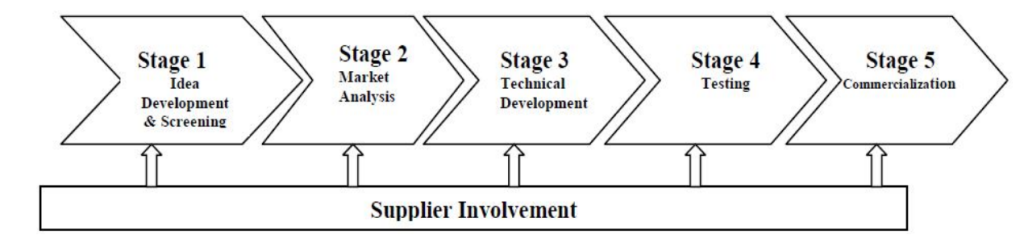
Figure 1. Supplier’s Involvement in the 5 Stages of NPD (source – jmm.thebrpi.org)
Supplier collaboration can significantly enhance product innovation, thereby improving innovation performance. Supplier involvement is particularly valuable because key suppliers often possess specialized expertise unavailable within the buying organization. Through “know‑how” projects, suppliers can offer technical insights that companies lack internally. As a result, Supplier Selection becomes a decisive factor in innovation success.
Greater supplier involvement in NPD also improves new product outcomes and can enhance a manufacturer’s financial performance. Studies have identified a strong relationship between the degree of integration and perceived project success.
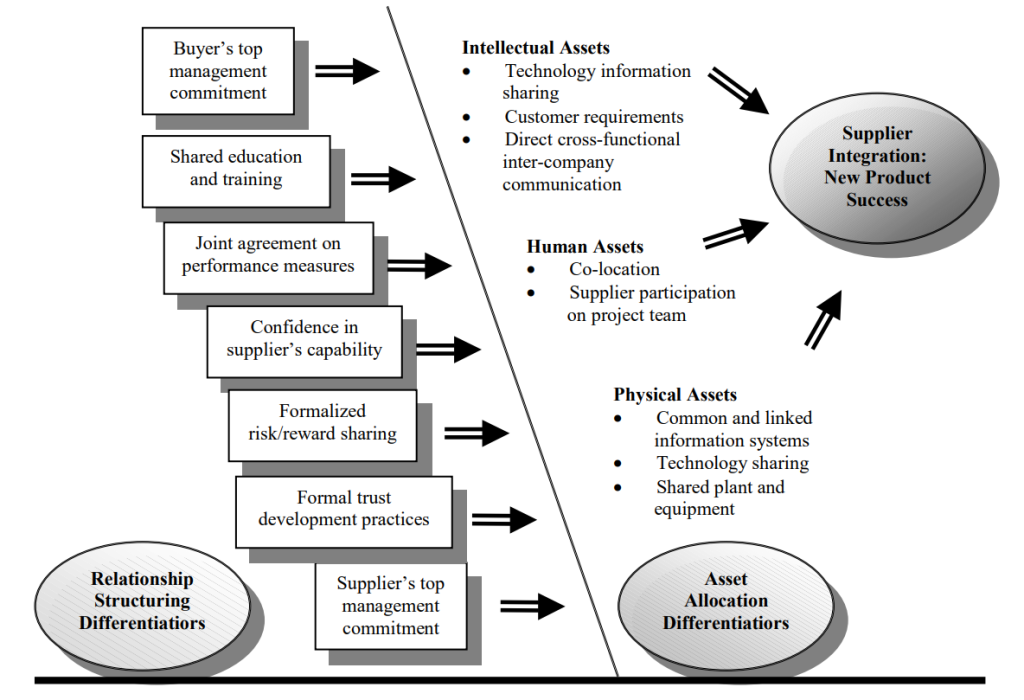
Figure 3. Successful supplier integration in new product development (source – lub.lu.se)
Contact us today to learn how LA NPDT can assist in realizing your project.
Additionally, supplier involvement enables companies to gain deeper knowledge of components, understand interdependencies among product elements, and even design the final product architecture. These capabilities highlight the strategic importance of Supplier Selection.
Benefits of Collaborative Product Development
Integrating suppliers effectively into new product development can generate numerous short‑term and long‑term benefits. These include reduced costs, improved quality of purchased materials, shorter development cycles, and enhanced access to technological expertise. However, organizations can realize these advantages only through effective Supplier Selection.
Short‑Term Benefits
Short‑term goals of supplier involvement can be grouped into two categories: development efficiency and development effectiveness.
Efficiency improves because supplier involvement can lower development costs and shorten lead times. This occurs primarily due to intensive communication between buyers and suppliers, which helps prevent, minimize, or introduce design changes earlier in the process. Additionally, design responsibility can be assigned to whichever party possesses greater expertise.
Effectiveness increases through reduced product costs and enhanced product value.
Long‑Term Benefits
Long‑term benefits include strengthening the enduring competitiveness of both companies and their products. A common long‑term objective is gaining access to suppliers’ technological knowledge, further emphasizing the strategic importance of Supplier Selection.
Cooperativeness is another key factor – including a supplier’s willingness to collaborate, solve problems jointly, and respond quickly to requests. At the same time, companies face pressure to shorten time‑to‑market and meet strict cost targets for product development and R&D. These pressures intensify the need for effective Supplier Selection.
A well‑known example comes from the automotive industry, particularly in the development of air‑conditioning systems. By involving suppliers in product development, automakers have leveraged supplier expertise to reduce costs, improve quality, and accelerate innovation. Supplier involvement in NPD is equally important in other industries where the rapid introduction of competitive products is essential. Therefore, Supplier Selection becomes a fundamental element of innovation strategy.
Partner, Mature, Child, and Contractual Supplier Roles
In the context of product development, researchers have proposed several frameworks to differentiate types of supplier relationships. Four distinct supplier roles are commonly identified: Partner, Mature, Child, and Contractual. Determining the appropriate role for each supplier is a crucial part of Supplier Selection.
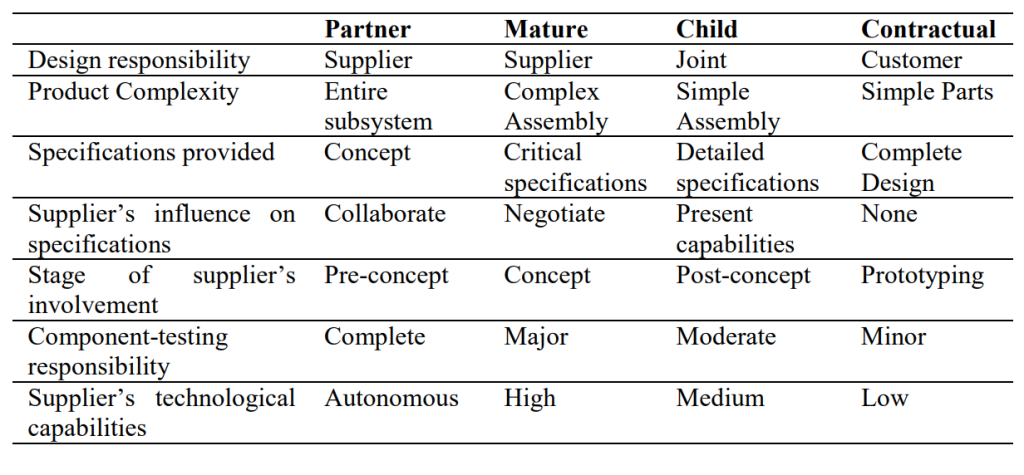
Figure 3. Supplier roles (source – lub.lu.se)
It is also important to note that a single supplier may assume different roles for different customers. Each role entails fundamentally different responsibilities during product development, and the level of interaction and closeness between customer and supplier varies significantly. Choosing the wrong role may result in long‑term relationships that fail to deliver competitive advantages. In some cases, early supplier involvement may add little value, increase costs, or slow development.
Partners
Partners take responsibility for entire subsystems. Their technological capabilities and understanding of products and processes often exceed those of their customers. They propose solutions that meet cost and performance targets, conduct testing of their own products, and may even test components from other suppliers. Due to subsystem complexity, partners must maintain intensive communication with customers throughout the development cycle.
Mature Suppliers
Mature suppliers also design and manufacture complex assemblies, similar to partners, but possess fewer technological capabilities. As a result, they exert less influence on design decisions and develop systems based on critical specifications provided by the customer. Communication remains intensive from the concept phase through production.
Child Suppliers
Child suppliers have even less influence on design specifications. Customers define specifications in detail, and suppliers participate only as consultants during the concept stage. Communication is limited early on but increases during prototyping, though not to the same extent as with partners or mature suppliers.
Contractual Suppliers
Contractual suppliers produce standard components based on customer‑provided designs. Communication is minimal during early concept stages but may increase during late prototyping and production preparation.
The Assessment–Selection–Integration Process
Researchers have identified numerous criteria that companies use when evaluating suppliers, often based on case studies. These criteria include managerial considerations, supplier commitment, growth potential, technical support, win‑win orientation, senior management involvement, long‑term planning, business expertise, attitudes toward collaboration, trust, and openness.
However, assessing such qualitative criteria can be challenging, especially when comparing many suppliers simultaneously. Organizations must also possess sufficient knowledge of supplier characteristics to make accurate evaluations.
Therefore, other studies recommend more quantifiable criteria, such as cost, quality, performance metrics, timelines, ramp‑up capability, innovation potential, technical competence, and training requirements. Companies also consider suppliers’ ability to meet targets, technical expertise, personnel training needs, and top management commitment.
Supply risk is another critical factor. Firms evaluate risk by examining quality management systems, process improvements, and the likelihood of operational disruptions. However, this requires insight into suppliers’ production processes, which may not always be readily available.
Additional assessments may be necessary depending on the supplier’s geographic region.
When discussing supplier selection within NPD, companies must also consider technology selection. In many decision models, firms first choose the technology and then select the supplier.
Despite evolving approaches, traditional criteria – such as quality and delivery performance – remain highly important. Academic literature consistently identifies quality as the most critical evaluation criterion, followed by delivery reliability and cost.
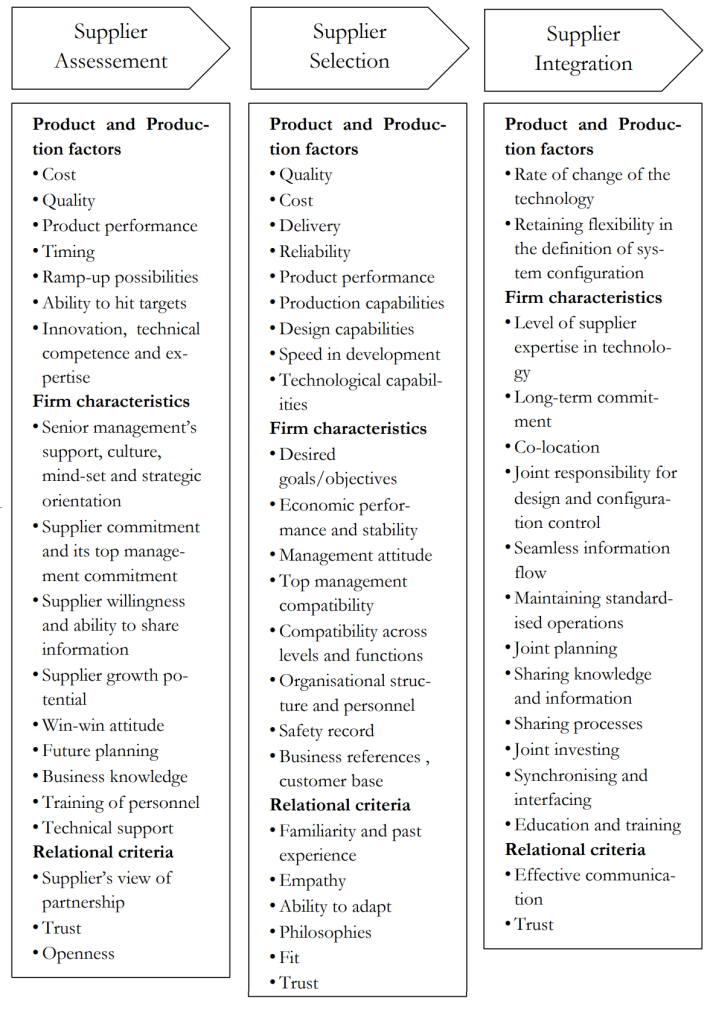
Figure 4. Supplier assessment-selection-integration process model (source – lub.lu.se)
Case Study: Volvo’s Choice of Suppliers
The structure of the Swedish automotive industry is heavily shaped by supplier selection decisions. This influence originates from OEMs, whose choices affect first‑tier suppliers, which in turn influence second‑tier suppliers.
For example, Volvo’s supplier decisions are strongly shaped by its relationship with Ford. Due to economies of scale, Volvo vehicles share more than half of their components with Ford models. Central and local purchasing departments collaborate closely in supplier selection, demonstrating the strategic significance of the process.
Strategic and political considerations also play a major role. Volvo aims to maintain competition by distributing orders across a broad supplier base.
Quality is Volvo’s top selection criterion. As a result, the company takes a strong interest in how suppliers further down the supply chain choose their own suppliers. Volvo often intervenes in first‑tier suppliers’ selection of sub‑suppliers, especially for safety‑critical components. While this helps ensure quality, it can also lead to disagreements and conflicts over product responsibility.
Today, purchasing decisions are increasingly centralized, making it easier to replace suppliers during early project phases. However, once production begins, supplier replacement becomes far less common.
Consequently, personal relationships and impressions of suppliers’ cooperative abilities have become less influential. Nevertheless, operational‑level employees at Volvo often value personal relationships and having “the right person in the right role” more than price when building effective collaborations. However, these factors are frequently overlooked because supplier selection is viewed primarily as a strategic decision.


