


What Is a System?
A system can be described as a coordinated collection of elements, subsystems, or assemblies that work together to fulfill a specific purpose. These elements may include hardware, software, firmware, workflows, people, information, methods, facilities, services, and other supporting components. As the document states, a system is “an integrated set of elements, subsystems, or assemblies that accomplish a defined purpose.”
More broadly, a system is a set of interacting or interdependent parts that form a complex, unified whole. These parts may be physical – like the components of a vehicle – or intangible, such as processes, relationships, organizational rules, information flows, interpersonal dynamics, or even internal states like values and beliefs.
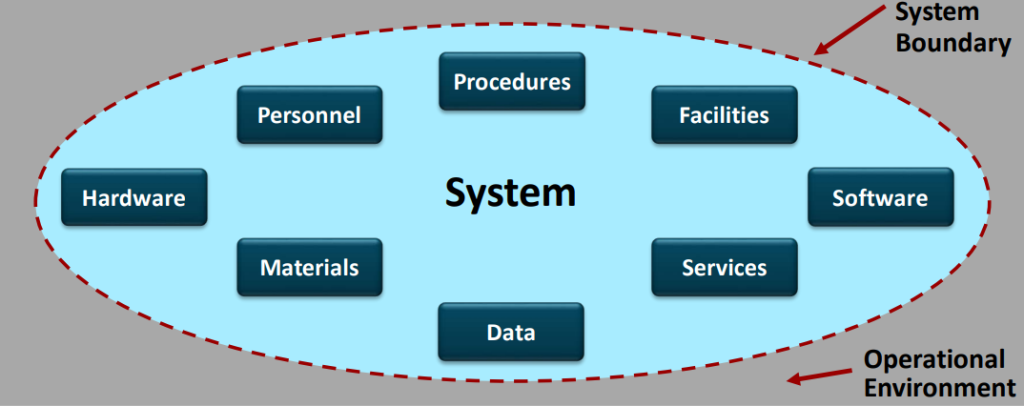
Figure 1. System as an integrated set of elements (source – www.incose.org/wp-content)
In an organization, for example, an R&D department can be viewed as a system made up of people, tools, and processes that generate new products. Those products are then built by the manufacturing system and sold by the sales system. Each component depends on the others, and the R&D system itself functions within larger organizational systems, demonstrating that every system contributes to a broader purpose.
Systems Thinking
Systems thinking focuses on understanding or influencing complex situations using the principles of the systems paradigm. It emphasizes recognizing patterns and similarities across systems in different fields.
Donella Meadows defines a system as “an interconnected set of elements that is coherently organised in a way that achieves something.” Systems thinking concerns how systems are defined and interpreted, while systems change concerns how they evolve.
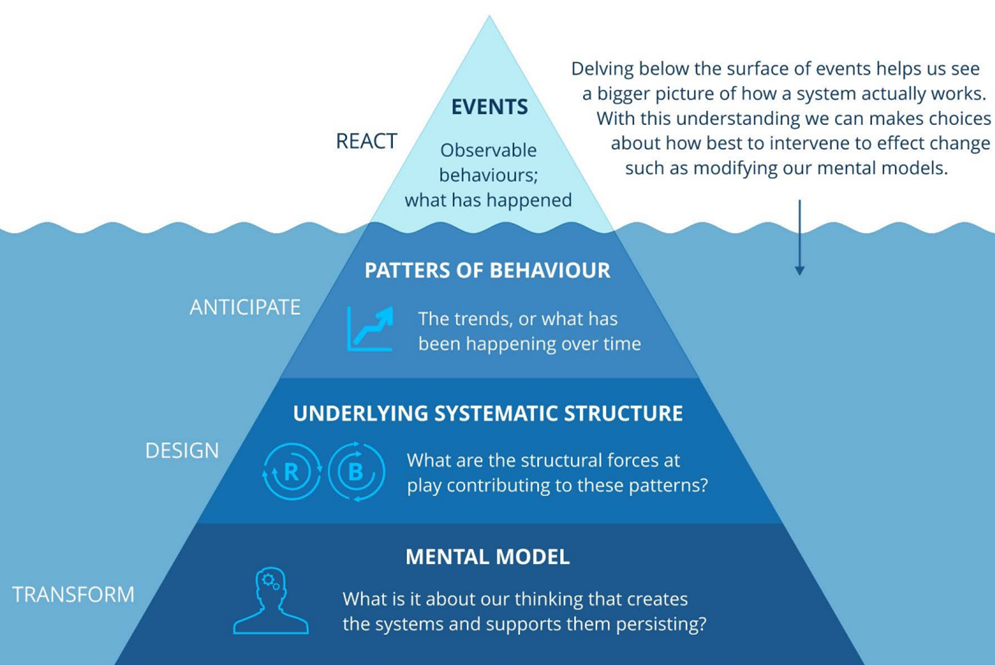
Figure 2. Systems Thinking Iceberg (source – www.incose.org)
Contact us today to learn how LA NPDT can assist in realizing your project.
Peter Senge popularized systems thinking in business through The Fifth Discipline, framing it as a core capability of learning organizations. It offers a way of perceiving and discussing reality by highlighting interconnections and synthesizing them into a coherent whole. This holistic viewpoint supports better decision‑making and is often illustrated through the “blind men and the elephant” metaphor.
In product development, this perspective is especially valuable because products rarely operate independently – they exist within larger, interconnected ecosystems.
Core Principles of Systems Thinking
Systems thinking is grounded in several key principles:
- Seeing the big picture while balancing short‑term and long‑term considerations
- Recognizing that systems are dynamic, complex, and interdependent
- Considering both quantifiable and non‑quantifiable factors
- Acknowledging that we are part of the systems we influence
It represents a shift from traditional approaches:
Traditional Approach | Systems Thinking Approach |
Reductionism | Expansionism |
Linear cause‑and‑effect | Producer–product relationships |
Determinism | Indeterminism |
Analysis of parts | Synthesis of wholes |
Analysis explains how a system works; synthesis explains why it works that way. Optimizing one component in isolation can degrade the performance of the entire system.
Thus, in product development, teams must understand how components interact rather than evaluating them separately. Otherwise, changes in one area may unintentionally disrupt others.
Systems Thinking as a Mindset
At its heart, systems thinking is about relationships, interconnections, and context – not isolated features. It is both a methodology and a mindset.
This mindset helps product managers uncover root causes, anticipate unintended outcomes, and understand long‑term implications. It encourages questions such as:
- How will components interact over time?
- How will a small adjustment influence the entire system?
- What behaviors might emerge from these interactions?
- What happens when the system scales?
- What unintended effects might appear in future releases?
Unlike linear thinking, which focuses on immediate fixes, systems thinking recognizes that products exist within complex ecosystems – supply chains, regulations, user environments, data flows, business models, and shifting markets.
This mindset is essential for designing products that remain resilient and adaptable.
Why Systems Thinking Matters in Product Design
Systems thinking helps organizations manage complexity, avoid unintended consequences, and create cohesive, scalable user experiences.
In environments like IoT, embedded systems, or wearables, teams often optimize components independently. Hardware, firmware, and cloud services may work well separately, but integration reveals misaligned interfaces, unexpected feedback loops, and numerous edge cases.
At this stage, systems thinking becomes crucial. Instead of assembling parts, teams must design interactions, dependencies, and long‑term system behavior.
A connected medical device, for example, is part of a larger system involving data governance, clinical workflows, cybersecurity, privacy, user behavior, cloud infrastructure, and ongoing maintenance. Optimizing one layer without considering the others can create new problems.
Systems Thinking Tools
Systems thinking uses a variety of tools, grouped into three categories:
- Dynamic Thinking Tools
- Behavior Over Time Diagrams (BOTs) – show how variables evolve
- Causal Loop Diagrams (CLDs) – visualize relationships and feedback loops
- Systems Archetypes – recurring patterns like “Shifting the Burden,” “Fixes That Fail,” and “Limits to Success”
- Structural Thinking Tools
- Graphical Function Diagrams
- Structure–Behavior Pairs
- Policy Structure Diagrams
These tools connect system structure to observed behavior.
- Computer‑Based Tools
- Simulation models
- Management flight simulators
- Learning labs
These allow teams to test decisions safely and observe long‑term effects by “compressing time.”
Systems Thinking in Product Management
In product management, systems thinking becomes situational awareness – the ability to understand elements in an environment, their relationships, and how they evolve.
Modern SaaS products are socio‑technical ecosystems involving multiple actors – developers, customers, stakeholders – interacting across many touchpoints. Each group has different goals, and internal systems support them. Organizational dynamics heavily influence product development.
Linear workflows are no longer sufficient. Teams must consider:
- How products integrate with other solutions
- How they align with industry trends
- How internal and external forces shape their evolution
Service design complements this by focusing on touchpoints, layers, and user journeys, helping teams visualize interactions across the entire ecosystem.
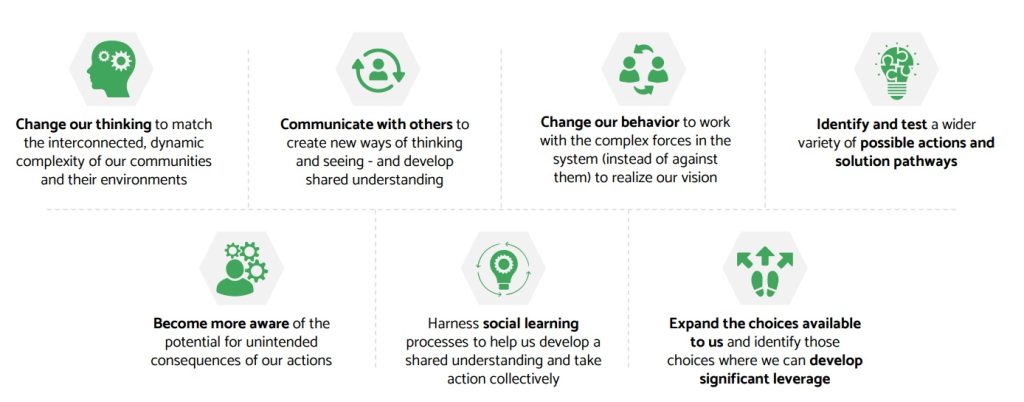
Figure 3. What systems thinking allows us to do (source – learningforsustainability.net/pubs)
Systemic Design
Systemic design blends systems thinking and design thinking to support innovation and continuous learning.
- Systems thinking helps teams understand context, perspectives, and leverage points
- Design thinking helps create action plans, outcomes, and assumptions
- Reflective thinking helps teams learn and adapt
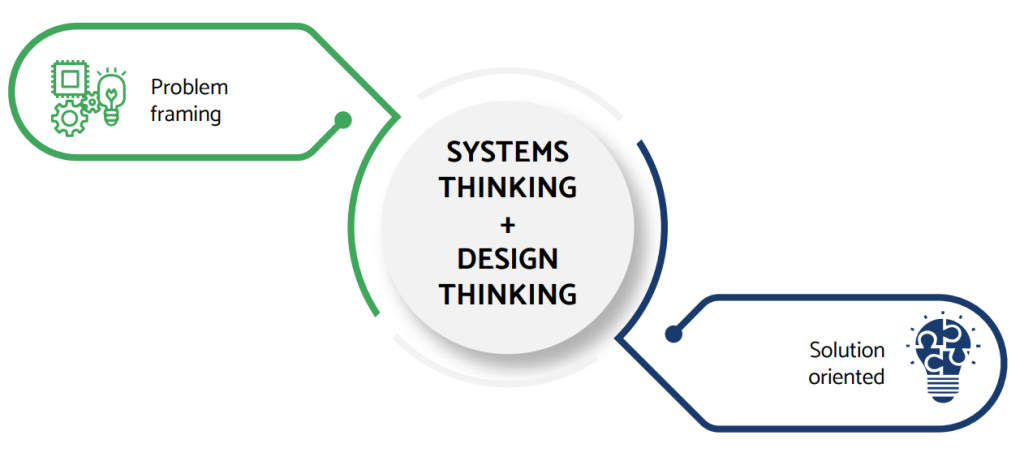
Figure 4. Linking systems thinking and design (source – learningforsustainability.net/pubs/systemicdesign-intro.pdf)
Together, these create a more iterative, informed, and resilient approach to managing complex systems.


