


“Technical Due Diligence allows an interested party to assess the risk associated with a transaction from a technology perspective.”
At the same time, as a startup seeking capital, you’ll likely spend considerable effort perfecting your pitch to investors and, if things progress, negotiating investment terms. But while focusing on these priorities, it’s easy to overlook what follows. Once an investor shows interest, they’ll want to verify the quality of your product, your growth potential, and your team’s execution capabilities – usually through a Technical Due Diligence review.
This middle stage – commonly known as the due diligence phase – plays a crucial role. During this period, administrative matters such as corporate structure, contracts, and intellectual property become just as important as Technical Due Diligence itself. This update highlights those essential considerations, explains their significance, and outlines how to prepare effectively.
More broadly, although this guidance is presented in the context of fundraising, developing the discipline to prepare for Technical Due Diligence and organizing your legal and operational foundation will position your company to scale or exit when the opportunity arises.
What Is Due Diligence?
Due diligence refers to the process in which a party takes reasonable steps to meet legal obligations, especially when buying or selling a business or asset.
In practice, a potential buyer performs due diligence to determine the assets and liabilities of a target company and to assess its commercial viability. However, many companies focus heavily on financial matters, often overlooking other equally important areas such as operations, HR, and – critically – Technical Due Diligence.
Within the venture ecosystem, investors use due diligence to determine whether an opportunity aligns with their investment criteria. For angel investors and venture capital firms alike, the main goal – including the technical review – is to reduce investment risk by gaining a deep understanding of the company, its business model, and its fit within their portfolio.
Benefits of Thorough Due Diligence
When both buyers and sellers conduct comprehensive due diligence – including the technical component – they can avoid numerous issues and disputes during and after a transaction. Although due diligence may seem expensive upfront, it is far less costly than litigation after a deal closes.
More specifically, thorough due diligence offers several advantages:
- Early identification of the target’s current or future potential, as well as any existing liabilities
- Determining the appropriate warranties and indemnities for the purchase agreement
- Providing an early warning system to flag nonviable deals before major expenses occur
- Highlighting challenges that may arise during the transaction and integration
- Ensuring that data used in a public offering is accurate and dependable
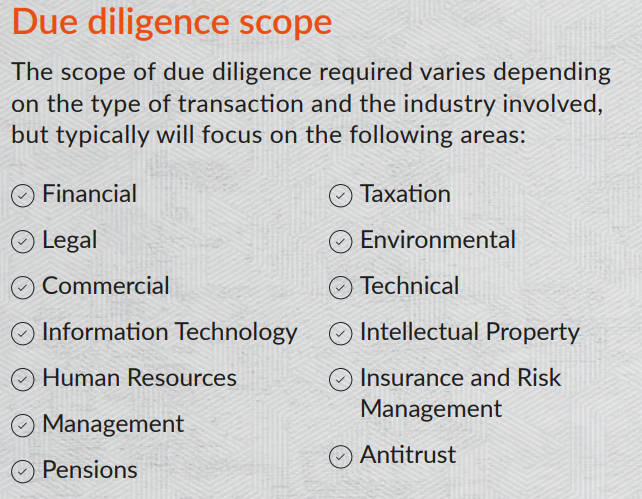
Figure 1. Due diligence scope (source – helixr.com/wp-content)
With this foundation established, we can now focus specifically on Technical Due Diligence.
What Is Technical Due Diligence?
Technical Due Diligence (TDD) is a structured, in-depth assessment of your company’s technical infrastructure, architecture, software products, processes, and IT personnel. In other words, TDD evaluates how your technology actually functions and whether it can support your business objectives.
“Technical Due Diligence (TDD) represents a structured and in-depth evaluation of your company’s technical infrastructure, architecture, software products, processes, and IT staff.”
During this review, evaluators examine your products and services, hardware and software systems, scalability, internal workflows, management practices, team capabilities, and security posture. As a result, TDD provides a complete picture of your technological foundation.
Why Is Technical Due Diligence Important?
Even if you’ve built an impressive MVP, you still may not secure funding if other aspects of your company raise concerns during TDD.
Investors will analyse a wide range of materials – documents, interviews, technical assessments, and software checklists – to determine the value, durability, and risks associated with your technology.
Fortunately, you can prepare in advance. By performing internal audits, establishing a clear strategy, and training your team, you can significantly improve your readiness. This preparation helps you:
- Identify strengths, weaknesses, and improvement areas through internal TDD reviews
- Organize documentation more effectively, speeding up the process and reducing legal exposure
- Prepare employees for TDD interviews so they can clearly articulate technical decisions and workflows
When Is Technical Due Diligence Required?
Technical Due Diligence typically occurs during major corporate milestones.
Companies undergo TDD during:
- Mergers and acquisitions, where teams assess technological compatibility and scalability
- Initial Public Offerings, where companies must withstand public scrutiny
- Fundraising rounds – especially seed and Series A – where investors validate technical feasibility
Although TDD is not a recurring process, it often aligns with key growth moments. Investors frequently require it to validate both the technology and the team behind it.
Other triggers include:
- M&A activity
- Strategic partnerships
- Product scaling
- Regulatory compliance
Who Conducts Technical Due Diligence?
Usually, the potential investor initiates the TDD process and collaborates with your company to define its scope and timeline.
Depending on their resources, investors may use an internal team or hire an external TDD provider.
Organizations that commonly commission TDD include:
- Venture capital firms
- Family offices
- Private equity funds
- Large corporations
Additionally, enterprise customers or partners – especially in industries like fintech or healthcare – may require TDD due to low risk tolerance.
How Technical Due Diligence Works in Practice
In practice, TDD resembles a detailed inspection – similar to evaluating a home or vehicle before purchase. Reviewers thoroughly examine the codebase, security, architecture, infrastructure, development processes, team structure, and compliance requirements.
At the beginning of the audit, reviewers focus on understanding how the product evolved from the start. They analyse how the system was built, what trade-offs were made, and how effectively the team executes.
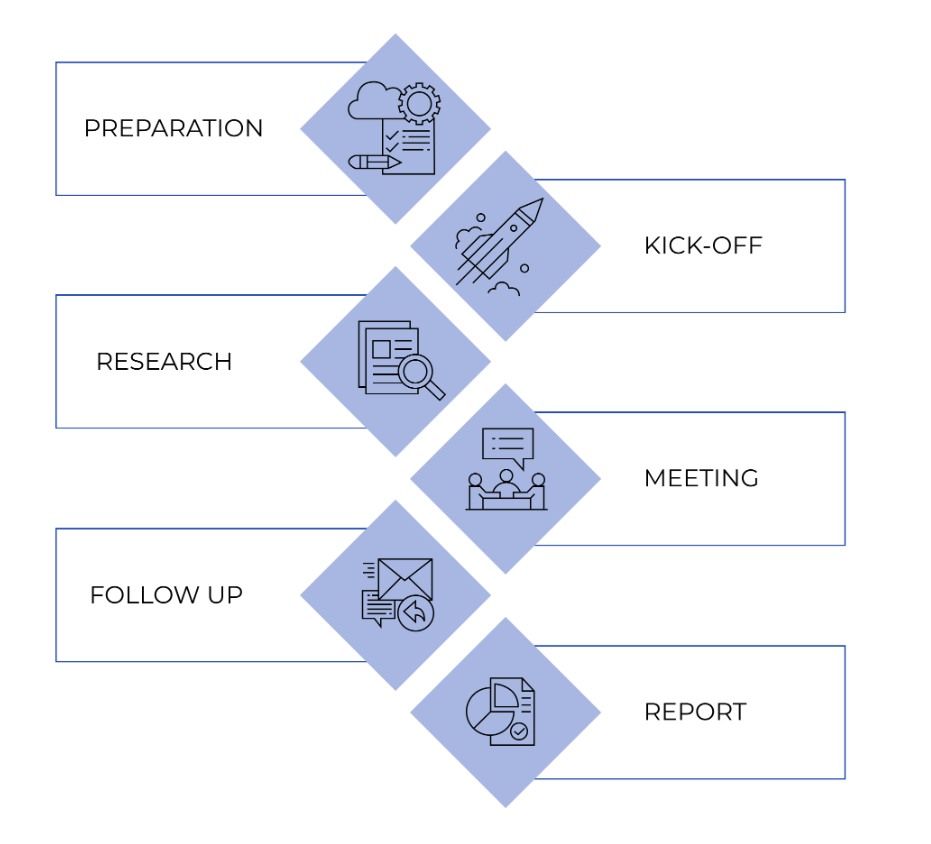
Figure 2. Stages of the technical due diligence process (source – www.altigee.com/magazine)
Contact us today to learn how LA NPDT can assist in realizing your project.
TDD also evaluates the product itself – whether it meets customer expectations, whether product management is effective, and whether the company has secured key personnel, intellectual property, and infrastructure.
To accomplish this, TDD typically includes:
- Assessing customer satisfaction (interviews, calls, surveys, feedback, complaints, backlog, etc.)
- Reviewing contracts and agreements to confirm the security of key resources and technical support
Best Practices for Technical Due Diligence
To perform well in TDD, companies should prepare long before the process begins. The following best practices can significantly improve outcomes:
- Document everything
Maintain complete and accurate documentation to ensure clarity throughout the review. - Automate testing
Automated tests help detect issues early, improve code quality, and reduce technical debt. - Plan for scalability
Build your architecture and tech stack with future growth in mind. - Maintain strong security
Regularly update security protocols and data protection policies to prevent vulnerabilities. - Develop a clear roadmap
Present a well-defined roadmap and communicate it effectively to investors. - Build the right team
Hiring senior engineers early can significantly strengthen your TDD position. - Engage the entire organization
TDD should not be siloed – include product, legal, and marketing teams. - Evaluate technical leadership
Assess the CTO’s vision, leadership, and execution ability, as leadership often determines TDD success.
Required Documents Before Technical Due Diligence Begins
Before TDD starts, you should prepare all essential documentation. Rushing to assemble these materials later can lead to errors and omissions.
Required documents include:
- Organizational chart and resumes
Provide a complete org chart and resumes for all technical team members to demonstrate seniority and stability. - OKRs (if applicable)
Use Objectives and Key Results to show alignment with company goals and execution over time. - Product and technology roadmaps
Ensure both roadmaps align clearly; misalignment may indicate deeper issues. - Development process documentation, including:
- Ticket creation
- Branching strategy
- Pull requests and reviews
- CI/CD pipelines
- User Acceptance Testing
- Deployment procedures
- Architecture diagrams
Provide diagrams showing system flows, components, and boundaries, with annotations. - IP agreements
Ensure all employees and contractors have signed intellectual property agreements. - Playbooks and operational manuals
Document internal processes such as onboarding and deployment. - Database schema
Document database structures, relationships, and data types to demonstrate sound technical decisions.


