

New Product Development (NPD) describes the entire pathway of bringing a new product or service to the market – beginning with idea generation and concept creation, moving through design and testing, and ending with commercialization. Organizations rely on NPD to spot market opportunities, understand user requirements, craft innovative solutions, and refine products through iterative evaluation. Because this process demands cross‑functional collaboration and continuous user input, teams must communicate complex information in a clear and efficient manner.
For this reason, visual communication within NPD becomes essential for aligning stakeholders, reducing ambiguity, and supporting strategic choices. By converting abstract concepts into visual formats, it enables teams to explore user behaviors, product interactions, and experience design throughout development. As product ecosystems grow more intricate, companies increasingly depend on visual tools to maintain shared understanding and drive effective innovation.
Additionally, digital technologies and connected devices continue to reshape how people engage with products and services. As a result, organizations must design experiences that span multiple platforms and environments. In this landscape, visual approaches offer a practical method for conveying product ideas and user experiences consistently.
Foundations of Visual Communication
Historical and Cultural Development
Visual communication has influenced human interaction for millennia. Early societies used cave art to transmit knowledge, beliefs, and stories, demonstrating the long‑standing importance of visual representation. Although modern technologies introduce new communication channels, visual storytelling still shapes how people interpret information.
In today’s world, visual media plays an increasingly dominant role. For instance, transmedia storytelling builds narratives across numerous platforms – mobile devices, computers, television, and digital channels. Consequently, visual communication in NPD helps organizations express product narratives and user experiences across these varied environments.
Storytelling remains central to effective communication because people naturally remember structured narratives better than isolated facts. Therefore, visual storytelling enables teams to present product ideas in ways that enhance comprehension and long‑term memory.
Visual Communication and Human Cognition
Beyond cultural relevance, scientific research strongly supports the power of visual communication. Human cognition processes visual information extremely quickly – individuals can recognize images in milliseconds. Since the brain dedicates substantial neural resources to visual processing, people often grasp visual content faster than written text.
This cognitive advantage contributes to the Picture Superiority Effect, which explains why visuals are remembered more effectively than verbal information. Images activate both visual and verbal processing channels, whereas text primarily engages verbal pathways. As a result, visual communication in NPD helps teams convey complex ideas rapidly and clearly.
At the same time, visual literacy – the ability to interpret and understand images – has become a crucial skill in modern communication. As organizations rely more heavily on visual media, the importance of visual comprehension continues to rise.
Visual Communication in Business and Marketing Contexts
- Visual Content and Engagement
In addition to cognitive benefits, visual communication significantly shapes business and marketing practices. Visual content – including images, graphics, infographics, and videos – presents information in engaging and accessible formats. These elements attract attention, simplify complex topics, and increase user engagement.
Color, layout, and form evoke emotional responses and communicate brand identity. In digital settings, visual communication in NPD helps organizations showcase product value, demonstrate functionality, and strengthen user relationships.
- Attraction and Conversion
Visual communication also directly influences marketing outcomes. Attraction refers to a campaign’s ability to capture attention, while conversion describes the actions users take afterward. Visual content boosts attraction by presenting information clearly and appealingly, often resulting in higher conversion rates.
Therefore, innovation teams use visual communication in NPD to connect product features with user expectations and encourage meaningful engagement. By enhancing clarity and involvement, visual communication improves both user experience and business performance.
Case Study: Visual Communication in Practice
The practical impact of visual communication becomes especially clear in real‑world scenarios. For example, a citrus farming company in South Africa partnered with legal specialists to create a comic‑style employment contract for fruit pickers with limited literacy.
Instead of traditional text‑heavy agreements, the company introduced illustrated explanations of workers’ rights and responsibilities. As a result, employees understood the content more quickly and asked fewer questions. This case demonstrates how visual communication in NPD can enhance accessibility, comprehension, and user experience across diverse contexts.
More broadly, the example shows how visual communication supports knowledge transfer by simplifying complex information and reducing barriers to understanding.
Visual Methods for Evaluating User Experience in NPD
Because understanding user experience is fundamental to innovation, organizations assess user interactions early in the development cycle. Early evaluation reduces risk, saves resources, and improves design quality. To achieve this, teams use structured visual tools to map user needs, behaviors, and interactions.
Three primary methods support this process:
- Experience Flows
- Journey Maps
- Storyboards
Together, these techniques form core practices in visual communication for NPD, enabling teams to explore experiences, identify opportunities, and communicate insights effectively.
EXPERIENCE FLOWS
Definition and Purpose
Experience flows illustrate how users interact with a product or service over time. They depict user actions, emotional responses, and environmental contexts across a sequence of events. Often shown as timelines or visual narratives, experience flows provide a comprehensive view of user experiences.
Since innovation teams frequently make assumptions about user behavior, experience flows reveal actual needs and challenges. Thus, visual communication in NPD uses them to build shared understanding and inform strategic decisions.
Process and Benefits
Teams develop experience flows through observations, interviews, and field research. They then organize insights into visual sequences representing user journeys. This process encourages collaboration among designers, researchers, engineers, and business stakeholders.
Experience flows offer several benefits:
- They create a shared understanding of user experiences.
- They highlight emotional and functional pain points.
- They support strategic planning.
- They uncover opportunities for innovation.
Although originally used in healthcare to improve patient experiences, experience flows are now widely applied in service design, product development, and digital innovation.
JOURNEY MAPPING
Definition and Structure
While experience flows focus on sequences of interactions, journey mapping emphasizes touchpoints between users and organizations. Customer journey maps document each stage of interaction, including actions, emotions, and expectations.
Designers build journey maps by conducting user research, identifying interaction stages, and visualizing experiences across channels. Because this structured approach highlights the relationship between user needs and service delivery, journey mapping is a key method in visual communication for NPD.
Figure 1. Cross-functional Processes of the Product Value Chain (source – public.dhe.ibm.com)
Determinants of New Product Success
A product’s success depends heavily on the quality of the NPD process. Although researchers and practitioners study this topic extensively, many new products still fail. Studies consistently point to several success factors: deep customer insight, strong product differentiation, effective communication, and a well-coordinated development process. Collaboration with Manufacturers in Product Development strengthens many of these factors directly.
Manufacturing Integration in the PDP
Integrating manufacturing considerations into the product development process (PDP) plays a crucial role in NPD success. Teams should identify production constraints early and address them throughout development. Traditional methods acknowledge this need, yet many companies still struggle to maintain consistent Collaboration with Manufacturers in Product Development.
Limitations of Traditional Development Approaches
In many organizations, manufacturing teams join the process only after the product concept is already defined. This late involvement prevents production requirements from shaping early decisions. Integration often occurs only at specific checkpoints instead of continuously. This fragmented approach weakens Collaboration with Manufacturers in Product Development and limits its impact.
Design for Quality and Manufacturability
Designing products with strong quality – functional performance, ease of assembly, reliability, and sustainability – remains essential for competitiveness. When companies involve multiple internal teams and external partners early in the design phase, they prevent problems sooner and improve manufacturability. Collaboration with Manufacturers in Product Development supports these outcomes.
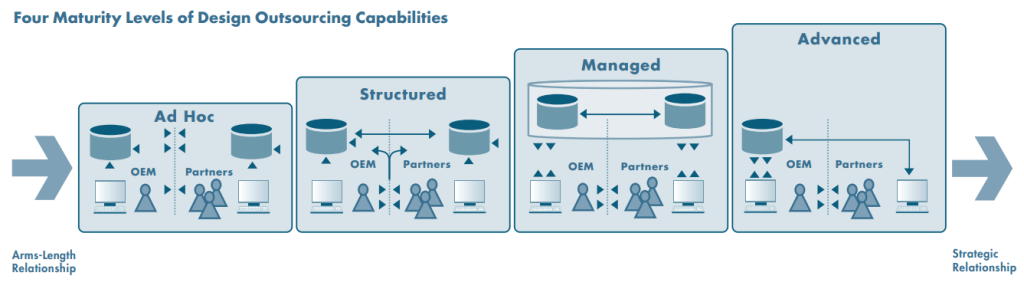
Figure 2. Four Maturity Levels of Design Outsourcing Capabilities (source – public.dhe.ibm.com)
Contact us today to learn how LA NPDT can assist in realizing your project.
Strategic Role of Purchasing
Purchasing must take on a more integrated role as global competition, international sourcing, and rapid technological change reshape the industry. As outsourcing expands, supplier performance increasingly influences company performance. Collaboration with Manufacturers in Product Development becomes a strategic responsibility for purchasing teams.
Purchasing Integration and Internal Alignment
To elevate purchasing to a strategic level, companies need both external initiatives and internal alignment. Purchasing teams must participate in strategic planning, access critical information, and coordinate with other departments. These conditions allow purchasing to support Collaboration with Manufacturers in Product Development more effectively.
Evolution of Buyer–Supplier Relationships
Modern buyer–supplier relationships aim for mutual benefit rather than adversarial negotiations. Collaborative partnerships encourage shared cost management, joint improvement efforts, and better communication.
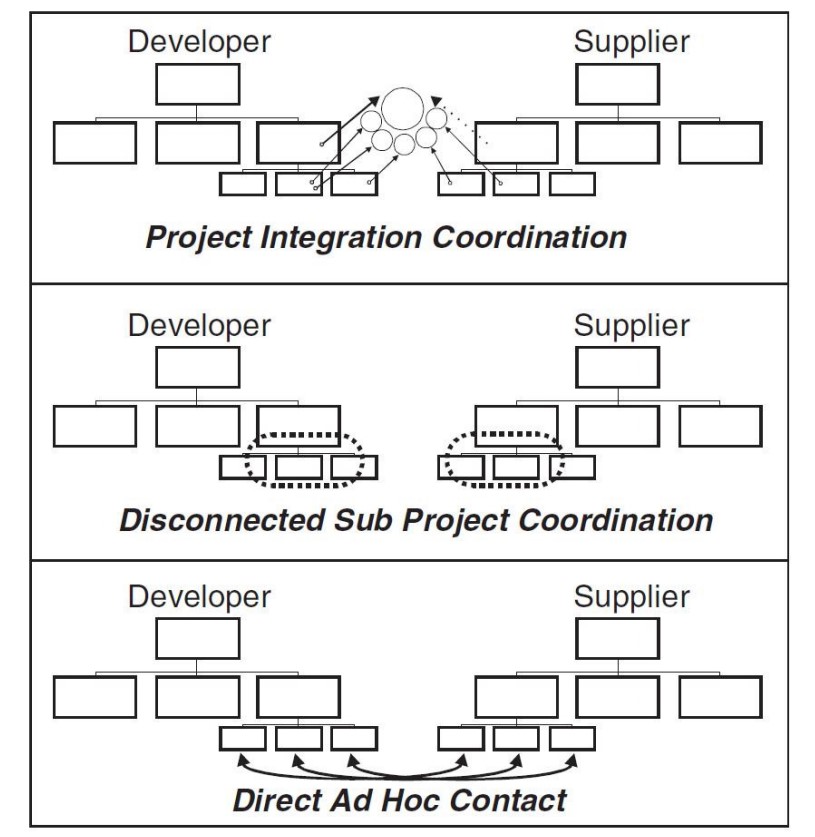
Figure 3. Coordination approaches for involving supplier in product development projects (Source – Lakemond et al)
These relationships often focus on logistics, quality, and product development, reinforcing the long-term value of Collaboration with Manufacturers in Product Development.
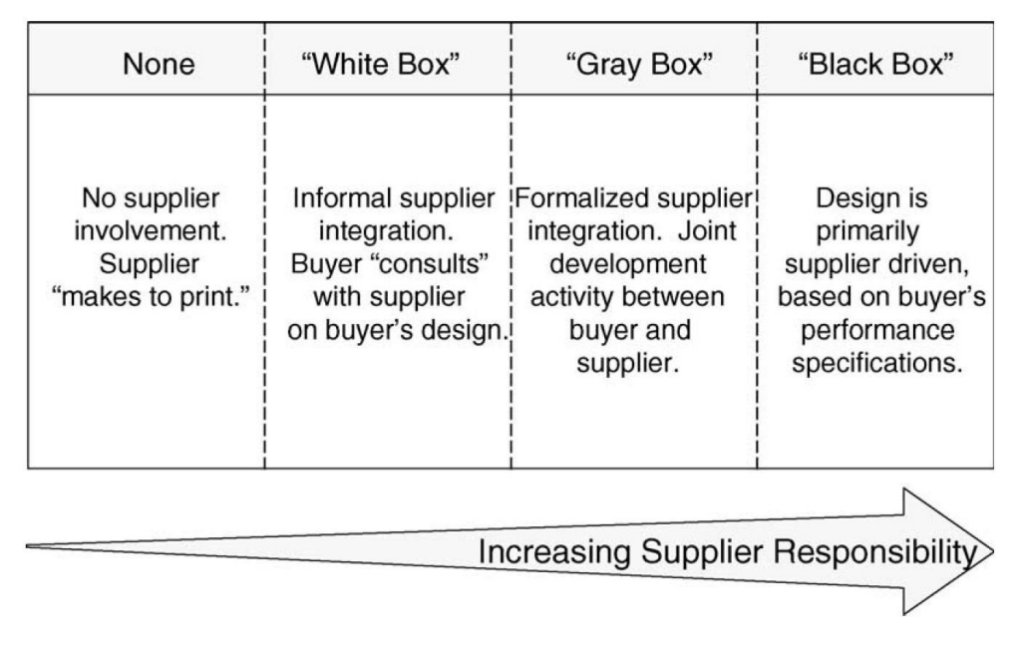
Figure 4. Spectrum of supplier integration (Source – Petersen et al, 2005)
Economic and Relational Outcomes
Although collaboration does not always produce immediate financial results, many studies show that strong supplier relationships lead to positive economic outcomes. Trust, transparency, and long-term agreements often emerge when companies maintain Collaboration with Manufacturers in Product Development over time.
Maturity Levels of Collaborative Design
Collaborative design partnerships vary in maturity. At early stages, cooperation remains informal and relies on limited technology. As maturity increases, companies standardize processes, share tools, and build strategic partnerships. Accordingly, advancing through these stages strengthens Collaboration with Manufacturers in Product Development and increases value for all parties.
Early Supplier Involvement Models
Thus, as relationships deepen, companies involve suppliers earlier in the development process. Supplier roles may range from advisory input to full design responsibility – often described as white-box, gray-box, and black-box models. These models represent different levels of Collaboration with Manufacturers in Product Development.
Coordination Approaches in Collaborative Projects
Another way to categorize collaboration focuses on coordination intensity. Some projects rely on continuous information exchange, while others involve disconnected subprojects or occasional supplier participation. Each approach influences the effectiveness of Collaboration with Manufacturers in Product Development and the quality of project outcomes.
That said, early supplier involvement sounds simple in theory, but companies often struggle to implement it. Many suppliers hesitate to share proprietary information, and teams may lack experience managing sensitive collaborative processes. Successful Collaboration with Manufacturers in Product Development requires choosing the right partners, building flexible relationships, and strengthening internal cross-functional capabilities.
As a result, working with contract manufacturers adds another layer of complexity. Teams must align not only within product development but also across manufacturing, marketing, and supply chain functions. Collaboration with Manufacturers in Product Development helps companies coordinate these efforts and expand their capabilities.
Resource Constraints and Launch Risks
Limited resources often create gaps across critical functions. Underfunded development teams may struggle to complete projects, and insufficient marketing can prevent strong products from gaining traction. These challenges highlight the importance of Collaboration with Manufacturers in Product Development as a way to share resources and reduce launch risks.
In this regard, collaboration with contract manufacturers brings several challenges. Concerns about data security and intellectual property can limit information sharing. Complex supply chains make coordination difficult, and conflicting goals can create tension. Communication breakdowns lead to delays and errors, while trust issues discourage transparency. All these factors weaken Collaboration with Manufacturers in Product Development.
When companies implement collaborative manufacturing effectively, they gain significant benefits. These include broader geographic support, faster time to market, lower-risk access to new markets, improved access to external expertise, higher product quality, and a stronger brand reputation.
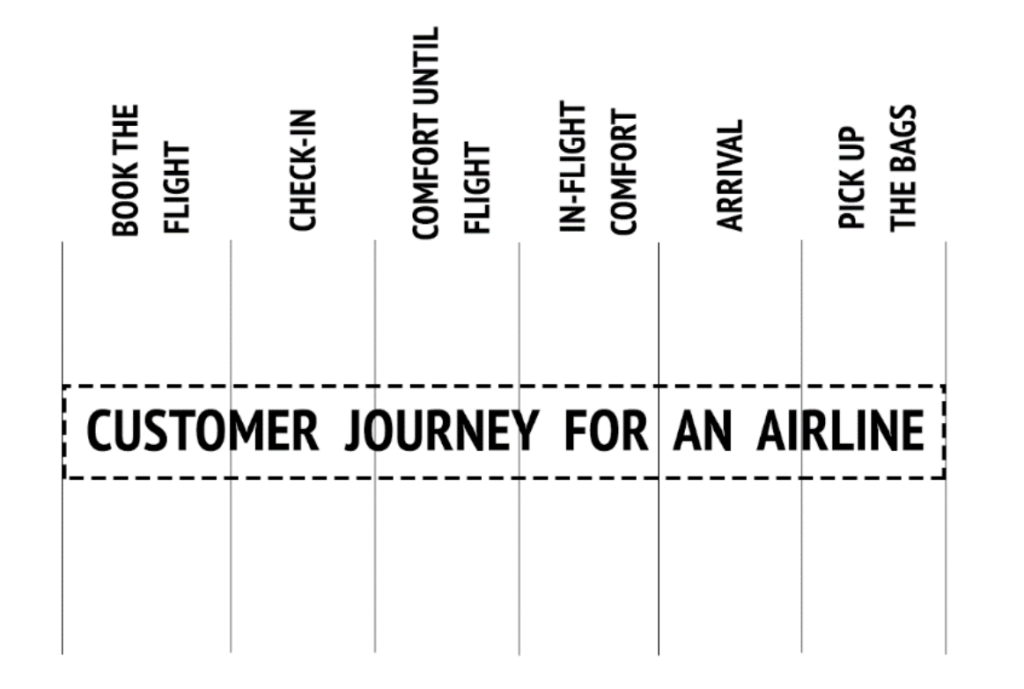
Figure 1. Customer Journey for an Airline (Source – www.arataumodular.com/app/wp-content)
Strategic Value
Journey mapping provides organizations with valuable insights:
- It reveals experiences from the user’s perspective.
- It identifies service gaps and inefficiencies.
- It enhances service quality and satisfaction.
- It aligns organizational processes with user needs.
- It supports innovation and strategic transformation.
For example, an airline might initially define the customer journey from booking to baggage collection. However, a broader perspective shows that the journey begins when customers start planning their trip and continues after they return home. This expanded view demonstrates how visual communication in NPD supports user‑centered innovation.
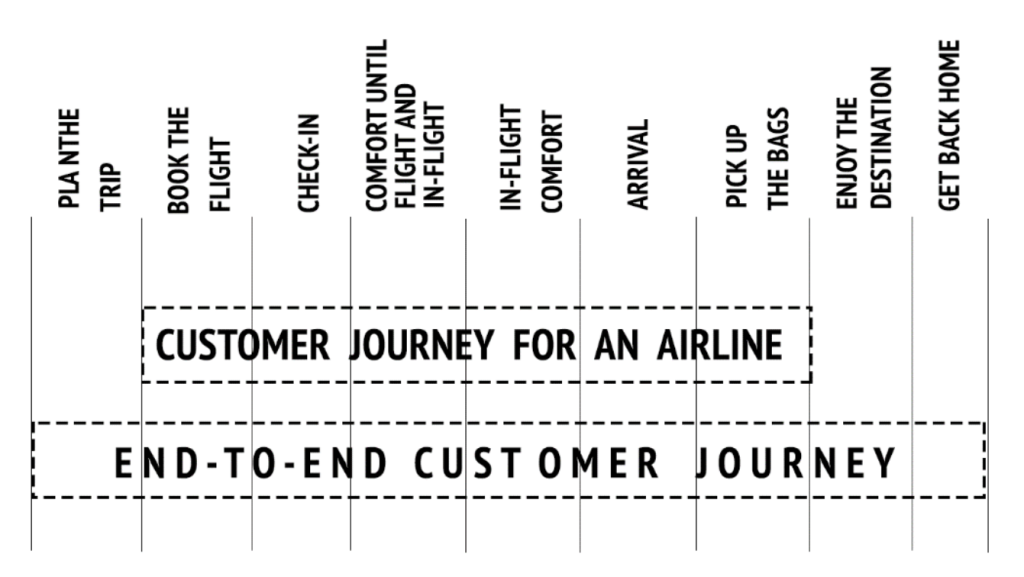
Figure 2. End-to-end Customer Journey (Source – www.arataumodular.com/app/wp-content)
STORYBOARDS
Definition and Origins
Storyboards depict sequences of events or interactions through visual frames. Each frame represents a step in the user experience and includes contextual details such as actions, environments, and system responses.
Originally developed by animation studios in the 1930s, storyboards were later adopted for product development, service design, and software engineering. Today, they are widely used as a central tool in visual communication for NPD.
Roles in Product Development
Storyboards support product design in several ways:
- They establish context by illustrating user problems and environments.
• They spark discussion by revealing risks and challenges.
• They build empathy by helping stakeholders understand user experiences.
Additionally, storyboards create a shared visual language that facilitates collaboration across disciplines. Designers often combine them with personas and scenarios to explore behaviors and refine solutions.
User‑Centered Design and Visual Methods
User‑centered design emphasizes understanding user needs and evaluating solutions throughout development. Designers blend investigative methods (interviews, surveys) with generative methods (brainstorming) to create solutions.
Visual tools support both types of activities by helping teams represent insights and test ideas. During early design stages, visual methods allow teams to explore concepts, compare alternatives, and build empathy. Through these practices, visual communication in NPD enhances collaboration, improves design quality, and drives innovation.


