
Written by Konstantin Dolgan, Ph.D., NPDP
Founder & CEO, Product Development Engineer
Published August 10, 2026
ICBX brought us a working prototype of a mobile truck refrigerator that couldn't be manufactured. We redesigned it for production, engineered an energy-efficient cooling system with spacecraft-grade aerogel insulation, added mobile app control, and validated fit across popular truck models.
Project at a glance
- Client
- ICBX, Shreveport, Louisiana
- Industry
- Automotive refrigeration
- Starting point
- An existing prototype that was not manufacturable
- What we delivered
- Redesign for manufacturing, electronics design, energy-efficient cooling system, companion mobile app
- Key material
- Aerogel insulation, the same class of insulator used in spacecraft
- Outcome
- A reliable, efficient unit verified to fit the popular trucks in the target market
The client

The challenge
Our solution
The result
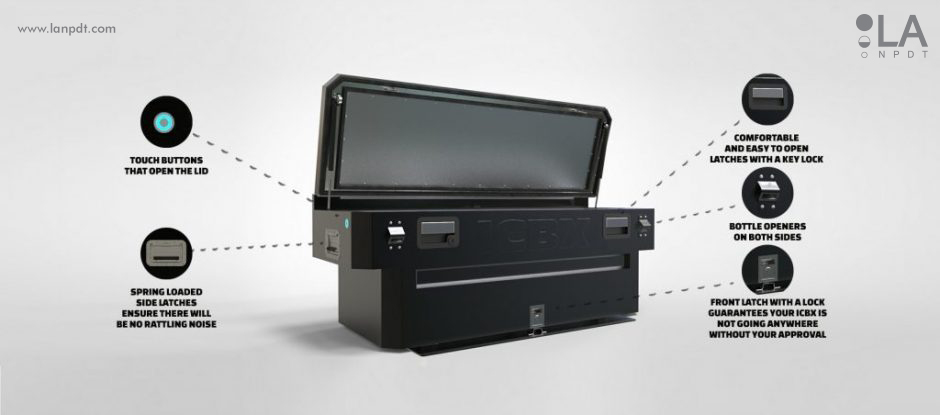
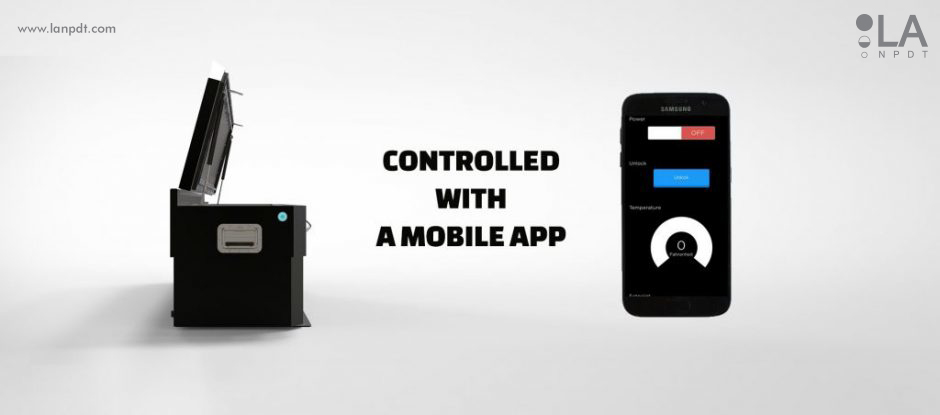
ICBX Project Overview
Frequently asked questions
What kind of product was developed for ICBX?
LA NPDT worked with ICBX on refrigerator design and electronics development. The goal was a good-looking, functional refrigerator with an energy-efficient cooling system. It also had to be manufacturable and fit several popular truck models.
What were the main challenges in the ICBX project?
ICBX started with a prototype that needed evaluation. The product had to be redesigned so a factory could build it. The electronics had to work flawlessly. The cooling system had to be energy-efficient. And the unit had to fit several popular truck models.
What specific features were included in the ICBX design?
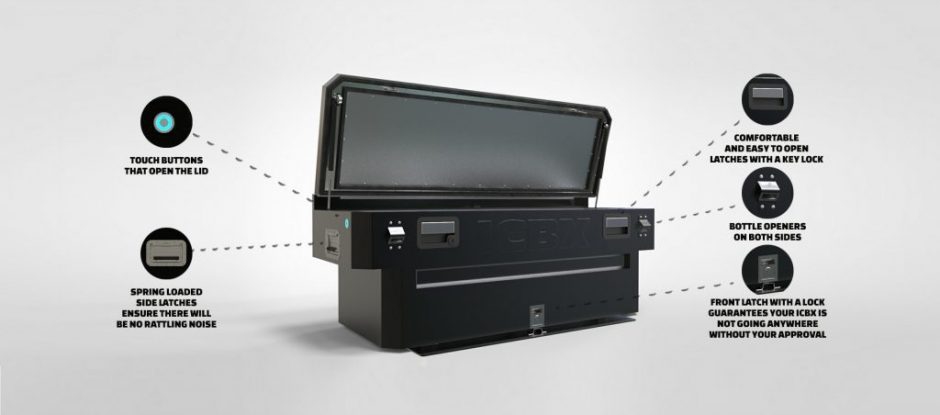
The design includes a mobile app for remote control, which adds real value for the customer. It uses aerogel insulation — a material known from spacecraft. That choice made the refrigerator effective and made the parts simpler to manufacture.
How did LA NPDT ensure the ICBX product was effective?
We handled the electronics development with reliability and efficiency in mind. We also measured the trucks in the target market. That confirmed the unit installs properly in all of the selected truck models.
Where is the client, ICBX, based?
ICBX is based in Shreveport, Louisiana. They build refrigeration products for vehicles and related accessories. Their work with LA NPDT focused on improving their refrigerator for automotive use.
Sources and standards
- USPTO — patent basics — Official guidance on provisional and non-provisional filings for new products.
- NIST Manufacturing Extension Partnership — Federal program supporting US small and mid-size manufacturers.
- ISO 9001 quality management — The quality-system standard most contract manufacturers are audited against.
Refrigeration product design at a glance
| Scope | Concept design, thermal considerations, CAD, DFM, prototype |
|---|---|
| Product | Mobile cooling unit for transport and outdoor use |
| Deliverables | Concept renderings, production CAD, assembly and supplier package |
| Typical timeline | 3-8 months |
Cooling products fight themselves
Every design choice in a cooler trades against another: thicker insulation costs interior volume, wheels and handles create thermal bridges, and a lid that seals well is a lid that is hard to open with one hand. The design work is finding the combination a real user tolerates, not maximizing any single number.
What we designed
We developed the ICBX concept around how it actually gets moved and loaded, then engineered the shell, insulation cavity and closure for both performance and moldability. Wall sections, draft and assembly sequence were resolved before quoting, so the manufacturing package priced cleanly and the prototype matched the intended production parts.
Frequently asked questions
Do you handle thermal engineering?
We design insulation geometry, sealing and component layout, and work alongside thermal or refrigeration specialists when active cooling is involved.
Can you design for rotomolding or injection molding?
Yes. We select the process based on volume and wall requirements, then detail the parts for that process specifically.
What comes out of the project?
Production CAD, drawings, bill of materials, supplier package and a prototype for testing and photography.
Capabilities used on this project
Rapid prototyping services
3D printing, CNC machining, urethane casting and functional prototype builds with published materials, tolerances and lead times.
Design for manufacturing
Molding-ready geometry, tolerances, production drawings, assembly documentation and DFM review with the tooling vendor.
Electronic design and PCB engineering
Schematic capture, PCB layout, firmware and electromechanical integration for connected hardware.
How the ICBX truck fridge became manufacturable
Prototype evaluation and DFM redesign
ICBX, a Shreveport refrigeration company, arrived with a prototype that worked but couldn't be built at scale. Our first job was the redesign for manufacturability — restructuring the product so it could actually reach production.
Electronics and app-controlled cooling
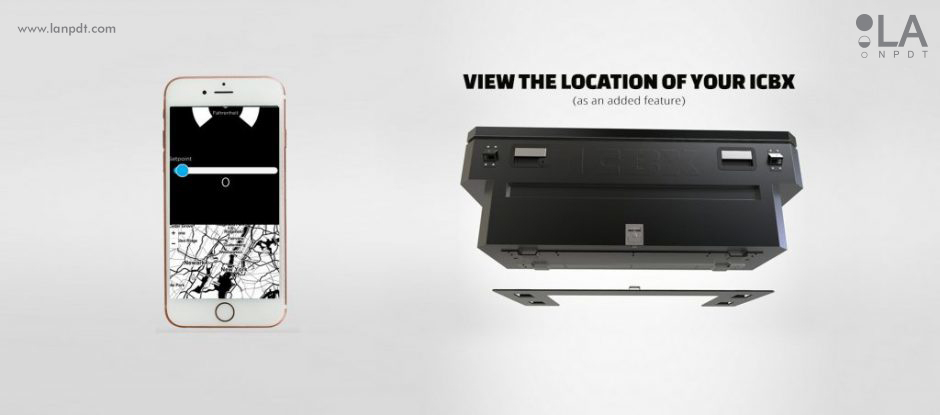
We focused the electronics on features with real customer value, headlined by a mobile app for remote control. The cooling system was engineered for energy efficiency — critical for a unit running in a truck.
Aerogel insulation and multi-truck fitment
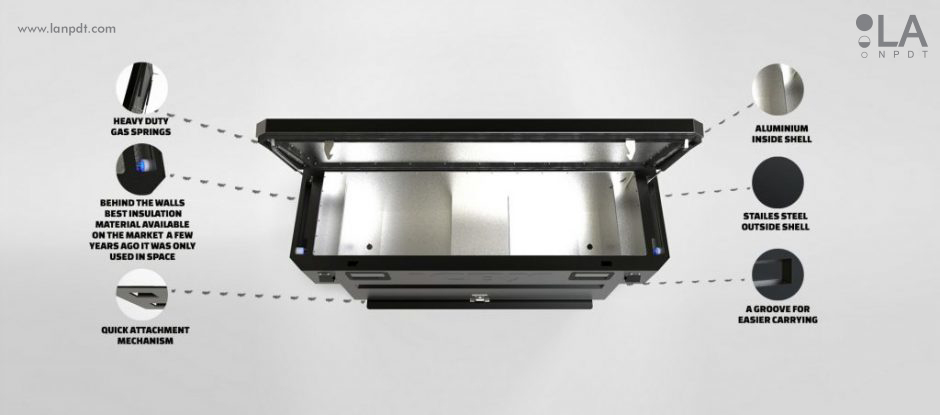
We used aerogel — the spacecraft insulator — for maximum thermal performance in minimal wall thickness, which also simplified manufacturing. Then we analyzed target trucks to confirm the unit installs properly across popular models.
| Decision | Gain | Cost |
|---|---|---|
| Thicker insulation | Longer hold time | Interior volume |
| Aerogel (this project) | Spacecraft-grade R-value, thin walls | Material cost |
| App control | Remote monitoring and adjustment | Electronics complexity |
| Multi-truck fitment | Bigger addressable market | Mounting and geometry constraints |
Questions about this project
Straight answers from the engineers who ran the build. Have a different question? Ask us directly.
Talk to an engineerWe have a working prototype that can't be manufactured — can you help?
That is exactly where ICBX started. Prototype-to-production redesign is a core service: we evaluate the prototype, restructure it for manufacturability, and carry the electronics through to a reliable production design.
Why use aerogel insulation in a refrigerator?
Aerogel delivers the highest thermal resistance per inch of any practical insulator — it's used in spacecraft. For a truck refrigerator where every inch of wall thickness costs interior volume, that trade is decisive.
Can you add app control to an existing product?
Yes. The ICBX mobile app for remote control was developed as part of the electronics redesign, prioritized because it delivered the most value to the truck-driving customer.
How do you ensure a product fits multiple truck models?
We analyzed the popular trucks in the target market and validated the ICBX geometry and installation against each — fitment was a design requirement, not an afterthought.
Why does insulation choice change a refrigerator's whole design?
Because wall thickness and interior volume trade directly against each other. A higher-performing insulator buys back usable space and thinner mouldings, so the material decision quietly sets the size, the hold time and the tooling all at once.
Industries this project belongs to
See how we approach development in each of these categories, and the other products we have taken from sketch to production there.