

Product and technology lifespans have become noticeably shorter, and the pace of competitive product rollouts makes forecasting demand across the life cycle increasingly complex. At the same time, supply chains have grown more susceptible to shocks and interruptions. Supply Chain Risks in New Launches frequently arise when external disruptions – such as conflicts, labor strikes, or terrorist incidents – collide with shifts in corporate strategy. Many organizations have seen their risk exposure change due to evolving business models, including lean practices, outsourcing, and downsizing supplier networks.
As a result, managing supply chains in today’s competitive environment is more demanding than ever. Rising uncertainty in supply and demand, globalized markets, compressed product and technology cycles, and the reliance on manufacturing, distribution, and logistics partners across international networks all heighten risk exposure. Supply Chain Risks in New Launches therefore demand stronger foresight and tighter control.
Drivers of Supply Chain Change
Supply chains are clearly evolving. Key forces behind these changes include:
- Recognition that logistics is a critical function requiring careful oversight.
- Awareness that supply chain decisions carry strategic weight for the organization.
- Understanding that logistics costs are high but offer opportunities for savings.
- Emphasis on customer satisfaction, which depends heavily on logistics performance.
- New operational models – virtual organizations, just-in-time, agility, lean operations, mass customization, time compression.
- Advances in communication and technology: e-business, telematics, intermodal systems, tracking, automation.
- Intensified competition, with global suppliers challenging local ones.
- Integration through alliances and partnerships.
- Shifts in power dynamics, with dominant players and increased outsourcing.
- Rising environmental concerns and changing attitudes toward pollution, waste, and congestion.
- Government policy changes affecting transport ownership, regulation, and costs.
Developing New Products to Reduce Risk Exposure
Creating new products can often address the challenges faced by firms that are dependent on external suppliers. Supply Chain Risks in New Launches often stem from supplier reliance. By developing products internally, companies gain more control, reduce the chance of interruptions or quality issues, and ensure specifications are met. New products can also unlock fresh markets and revenue streams, strengthening competitiveness.
Although product development requires investment, the potential benefits – greater control, reduced vulnerability, and new opportunities – make it an appealing strategy. Still, sourcing from vendors can lower costs and workloads, but it also exposes products to supply chain disruptions if suppliers fail to meet obligations.
Supply Chain Risk Management in Product Development
Risk management is well established in safety and financial contexts, but it is equally vital in product development. A failed development project can severely damage a company. Ignoring risks to delivery, quality, features, or budget can lead to major losses. Supply Chain Risks in New Launches often intensify when development risks overlap with supply risks.
Thus, project risk management should be leveraged to:
- Balance perspectives in complex organizations.
- Prioritize work in fast-changing contexts with structured approaches.
- Identify and close knowledge gaps.
- Actively manage risks by staying alert and prepared.
Contact us today to learn how LA NPDT can assist in realizing your project.
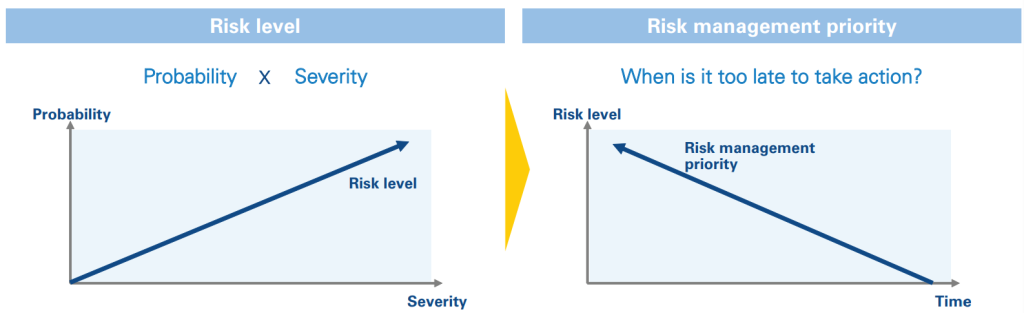
Figure 1. Risk management priority (Source – www.adlittle.com
Risk management involves anticipating potential issues and deciding whether to avoid, control, accept, transfer, or investigate them.
Visibility and Control as Foundations of Confidence
Confidence in supply chains weakens when end-to-end pipeline times are long. Globalization and offshore sourcing extend timelines, making delays and shortages harder to detect. Supply Chain Risks in New Launches become more apparent when lengthy pipelines obscure problems.
Accordingly, visibility is often lacking – partners may not know inventory levels or work-in-progress elsewhere. Control is equally limited; once orders are released, managers often cannot intervene effectively. Semiconductor firms exemplify this challenge, with long foundry lead times causing missed market opportunities.
Without visibility and control, supply chains accumulate buffers and excess capacity, raising costs and financial exposure.
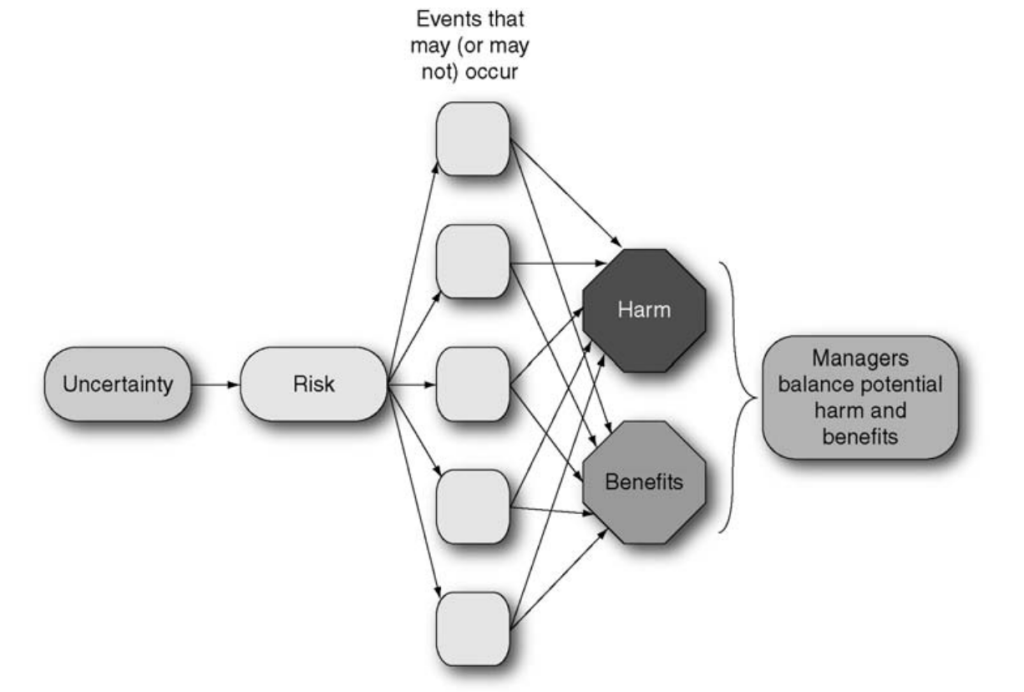
Figure 2. Balancing the potential harm and benefits from risky events
Common Categories of Supply Chain Risks
Supply Chain Risks in New Launches often span multiple categories:
- Strategic: risks from organizational decisions.
- Natural: extreme weather, earthquakes, floods, disease outbreaks.
- Political: instability, legislation, regulations, conflicts.
- Economic: interest rates, inflation, currency fluctuations, taxation.
- Physical: accidents, equipment breakdowns, congestion.
- Supply: inbound material issues.
- Market: demand shifts, competition.
- Product: innovation, features, volumes.
- Operations: complexity, technology, and after-sales service.
- Financial: payments, funding, profitability.
- Information: data accuracy and reliability.
- Organizational: structure, disputes, subcontractors.
- Management: leadership decisions, skills, experience.
- Planning: mismatches between supply and demand.
- Human: errors, strikes, culture.
- Technical: new processes, technologies.
- Criminal: theft, fraud, terrorism.
- Safety: accidents, hazardous materials.
- Environmental: pollution, resource constraints.
Risk Management in New Launches
Once risks are identified, Supply Chain Risk Management (SCRM) ensures principles set by leadership are applied to logistics. Supply Chain Risks in New Launches must be explicitly integrated into SCRM.
SCRM’s mission is uninterrupted material flow. Its objectives include:
- Designing risk strategies.
- Meeting legal and regulatory requirements.
- Embedding risk management in SCM.
- Allocating resources.
- Identifying best practices.
- Planning and implementing responses.
- Monitoring performance.
- Fostering collaboration across the supply chain.
Breaking the Supply Chain Risks Spiral in New Launches
Accurate information, visibility, alerts, and corrective actions are essential to restoring confidence. Applied consistently, these mechanisms reduce Supply Chain Risks in New Launches.
The Strategic Role of Product Design
Product design influences logistics costs, including storage, handling, and transport, and thus plays a strategic role in supply chain success. Design decisions are critical in mitigating Supply Chain Risks in New Launches.


