
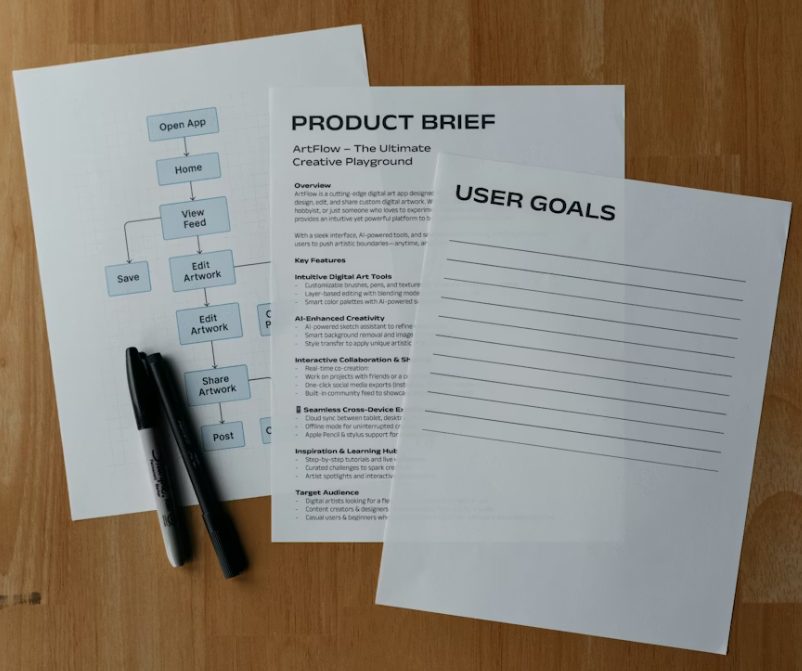

Moreover, a strong Product Brief explains the origin of the need or opportunity, outlines expectations, defines the target audience, and clarifies what the product must achieve. As a result, even an imperfect Product Brief can still guide teams toward consistent, strategic outcomes.
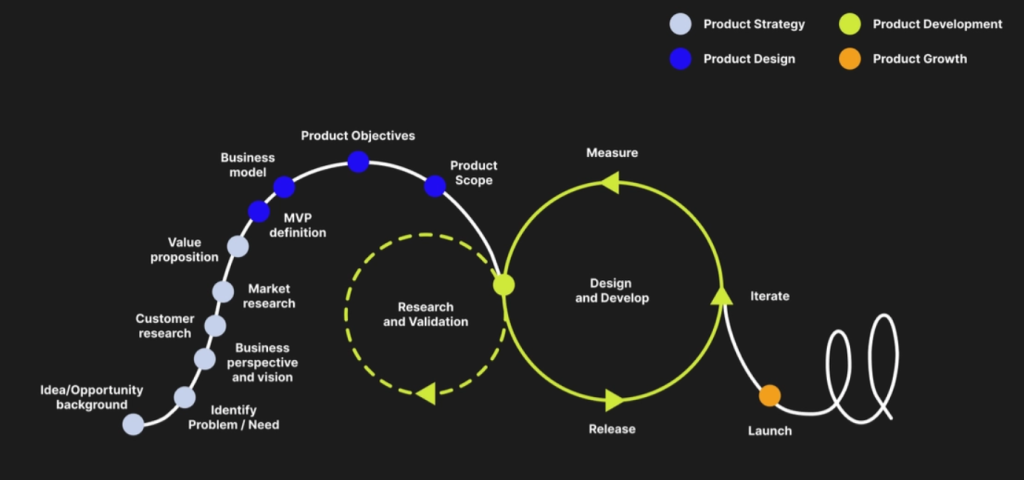
Figure 1. Product brief (Source – www.goodrequest.com/blog)
Contact us today to learn how LA NPDT can assist in realizing your project.
Understanding Project Requirements Through an Effective Product Brief
When teams document project requirements, they translate stakeholder expectations into actionable, buildable instructions. In other words, these requirements act as the blueprint for the entire project. Just as no builder would construct a house without architectural plans, no team should begin work without a clear Product Brief and well‑defined requirements.
Without this clarity, teams lack direction from the start, increasing the risk of misalignment and costly rework.
Why Clear Requirements Strengthen Your Product Brief
Before learning how to write requirements, it’s important to understand why they matter. For example, vague instructions – like asking for “a nice house with a few rooms” – inevitably lead to disappointing results. Similarly, unclear expectations in product development produce inconsistent outcomes.
Therefore, clear requirements, supported by a strong Product Brief, prevent scope creep, reduce revisions, and eliminate confusion among stakeholders. Ultimately, they ensure that teams deliver what the business actually needs.
The Cost of Poor Requirements in Your Product Brief
The Real Financial Impact of Ambiguous Requirements
Unclear requirements may seem harmless, but in reality, they create measurable financial losses. Globally, organizations waste nearly 10% of every project dollar due to poor performance, and weak requirements within the Product Brief contribute significantly to this waste.
Why Requirements Gathering Often Fails
Even experienced teams struggle to gather accurate requirements. To begin with, incomplete stakeholder analysis limits perspectives. Additionally, vague or inconsistent requirements create confusion. Furthermore, assumption‑driven decision‑making introduces hidden risks. On top of that, poor facilitation and communication distort stakeholder input. Finally, rapidly changing environments make static requirements obsolete.
Taken together, these issues weaken the Product Brief and increase the likelihood of misalignment, rework, and project delays.
The Hidden Consequences of Poor Requirements
Weak requirements lead to several negative outcomes:
- First, costly rework (up to 45% of total project costs)
- Second, schedule delays and workflow bottlenecks
- Third, reduced product quality and user dissatisfaction
- Fourth, erosion of stakeholder trust
- Finally, lost strategic opportunities
Clearly, a strong Product Brief helps prevent these issues by aligning teams effectively from the outset.
The Strategic Role of the Product Brief
A Product Brief is not just a document – rather, it’s a strategic alignment tool. Encouraging early critical thinking, it improves communication across teams and establishes accountability. Consequently, organizations that treat the Product Brief as a living, collaborative asset significantly reduce rework and improve project outcomes.
Of course, there is no universal template. Some organizations rely on concise one‑page briefs, while others use detailed formats. Regardless, what matters most is a shared understanding of what the Product Brief should achieve.
What Makes an Effective Product Design Brief
-
-
-
-
- Center the End User in the Product Brief
-
-
-
A high‑quality Product Brief prioritizes the end user, not just business goals. Otherwise, teams risk overlooking real user needs.
A strong Product Brief answers:
- Who are the users?
- What needs do they have?
- How do they currently solve those needs?
- Where do existing solutions fail?
Through this lens, teams uncover opportunities for meaningful innovation.
-
-
-
-
- Capture the Voice of the User
-
-
-
By understanding behaviors, motivations, and pain points, teams can prioritize features and make more informed design decisions.
-
-
-
-
- Use HEART Metrics to Define Success
-
-
-
Including HEART metrics in the Product Brief ensures measurable outcomes:
- Happiness
- Engagement
- Adoption
- Retention
- Task Completion
As a result, teams gain a clear framework for evaluating whether the product truly meets user needs.
-
-
-
-
- Identify User Problems Without Jumping to Solutions
-
-
-
Once users are defined, teams must articulate their problems clearly – yet importantly, without prescribing features. Otherwise, premature solutions limit creativity and innovation.
By focusing on one or two core problems, teams deliver stronger, more impactful products.
-
-
-
-
- Define the What and Why – Not the How
-
-
-
A strong Product Brief explains what the solution must achieve and why it matters, while leaving room for designers and engineers to explore how to deliver it.
This approach, in turn, encourages experimentation, research, and better outcomes.
-
-
-
-
- Keep the Product Brief Concise and Memorable
-
-
-
A Product Brief should be easy to understand and reference. When documents become too long, clarity and engagement suffer.
A simple structure includes:
- Target audience
- Their problem
- Existing solution
- Why the current solution fails
-
-
-
-
- Clarify Deliverables and Business Goals
-
-
-
The Product Brief should define expected outputs from the start. For example, teams may outline:
- Research insights
- Concept designs
- Product specifications
Additionally, the Product Brief should align with business goals, outlining challenges, opportunities, and success criteria.
-
-
-
-
- Establish a Realistic Timeline
-
-
-
Every Product Brief needs a clear timeline. By setting milestones, deadlines, and buffer time, teams maintain focus and accountability.
Case Study: Tiller Design and the Power of a Strong Product Brief
Tiller Design (Sydney, Australia) demonstrates the value of a well‑structured Product Brief. Instead of jumping into design, they conducted a pre‑proposal research phase involving hospitals, doctors, paramedics, and medical technologists.
Through this process, they developed a meaningful Product Brief that ultimately led to the EMVision Brain Imaging Device – a breakthrough in rapid stroke diagnosis.


