
3D modeling and animation services for serious product development
What is 3D modeling and animation in product development?
Hero renders, exploded assemblies, and product motion built from the same CAD that goes to the manufacturer. Visualizations that survive the jump from screen to shelf.
3D modeling and animation is the process of building a digital model of a physical product and bringing it to life with photoreal rendering, exploded views, and motion. In product development it validates design intent, sells the concept to investors and backers, and prepares assets for engineering, marketing, and instruction.
We are not a render farm. We are product engineers who render.
Most studios will model what you describe. The render looks great. Then the part can't be molded, the assembly can't be assembled, and the animation shows components passing through each other.
LA NPDT models and animates against the engineering reality - tolerances, parting lines, fastener stack-ups, motion paths. Our renders sell the product because the product is real.
You get a visualization, a manufacturable model, and an opinion on what to do with it.
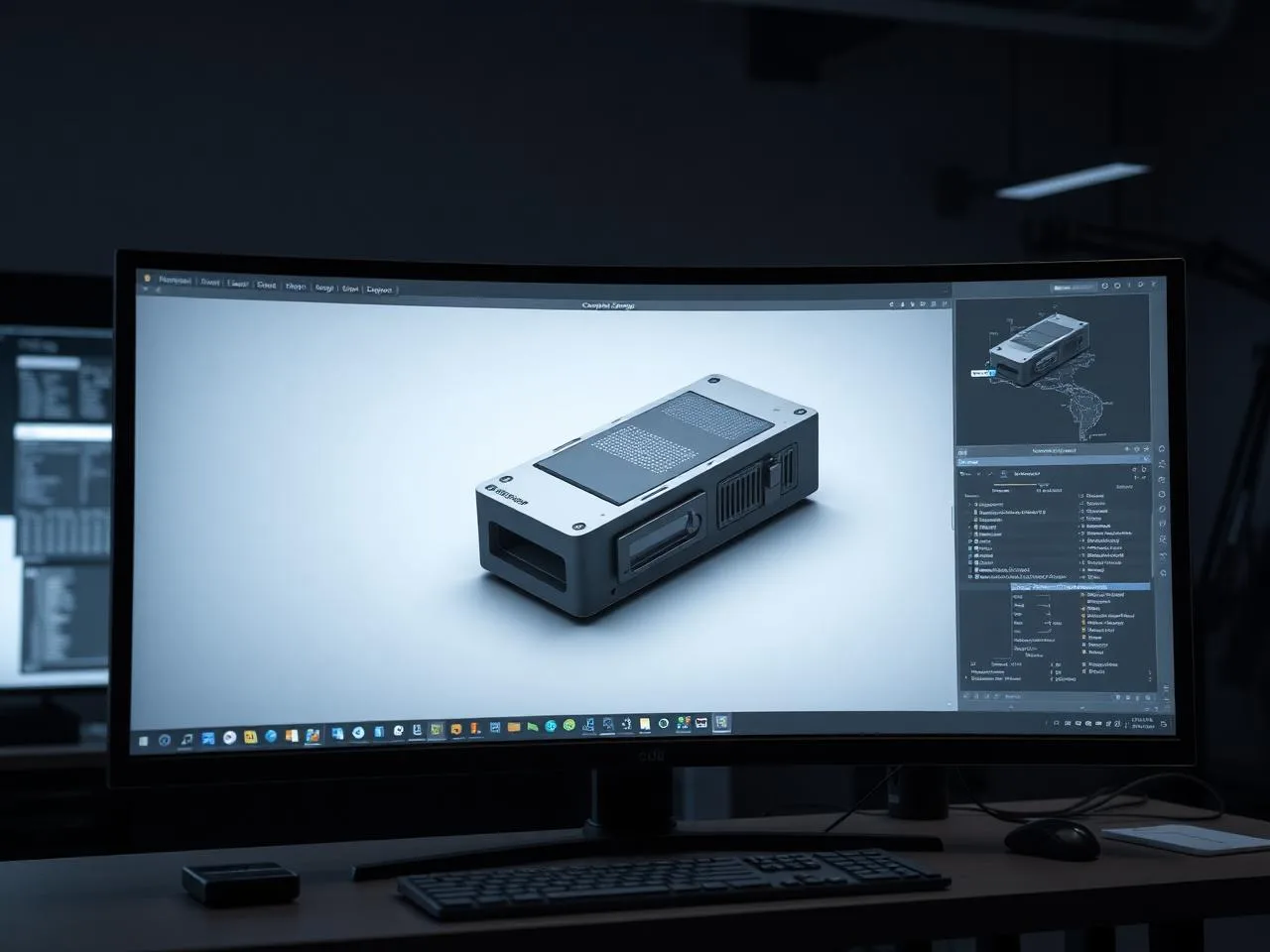
Built for teams whose renders have to become real products
Our 3D modeling and animation work supports clients across the product lifecycle - from a single pitch render to full campaign-grade animation packs.
 Startup founders
Need a hero render and a 30-second product animation that holds up next to a Series A pitch - and matches the engineering plan.
- Hero stills + cycle reel
- Pitch-deck visuals
- Crowdfunding-ready
- Engineering-accurate
 Inventors
Have an idea or sketch and need it modeled, validated, and rendered before spending a dollar on tooling.
- Sketch to CAD model
- Photoreal proof-of-concept
- DFM feedback included
- Path to prototype
 Companies
Need product visualization for marketing, training, sales, or technical documentation - built from the production CAD, not redrawn.
- Marketing renders
- Training animation
- Exploded service guides
- NDA-grade IP handling
 Funded teams
Need campaign-ready animation that proves the product is real - exploded views, motion cycles, hero loops, and packaging mockups.
- Campaign reels
- Exploded animations
- Packaging mockups
- Milestone-based delivery
A render is a promise. We make sure it's a promise you can keep.
The fastest way to lose a customer or a backer is to ship something that doesn't look like the render. The fastest way to lose an investor is to show a render that an engineer can pick apart in 30 seconds.
- Materials chosen against real finishes - injection texture, anodize, soft-touch
- Parting lines and draft visible because they are visible on the real part
- Fasteners and seams in the locations the assembly actually allows
- Motion paths that respect the real linkage and clearance envelope
- Lighting tuned to product photography, not video-game gloss
3D modeling and animation services, by deliverable
Hover any service to see the kind of work it produces. Each one is built from engineering CAD, not redrawn from a brief.
- 01Hero product renders
Magazine-quality stills for landing pages, ads, decks, and packaging. Real materials, real lighting, real product.
- 02Exploded views & assembly animation
Components separating in the order they actually assemble. Useful for marketing, manuals, and engineering reviews alike.
- 03Mechanism & motion cycles
Looping animations of the real mechanism - hinges, latches, pumps, drivetrains - rigged against the CAD constraints.
- 04Pitch & crowdfunding reels
30 to 90-second product films built around the hero shot, the use case, and the inside story. Investor- and backer-ready.
- 05AR / real-time previews
Lightweight glTF and USDZ assets for AR try-on, configurators, and on-device previews - exported straight from the master CAD.
- 06Engineering-grade CAD modeling
The parametric model underneath everything else - manufacturable, dimensioned, and ready to hand to a tool maker.
- 07Have a product that needs to look like a product?
Tell us what you're shipping. We'll tell you which renders, animations, and CAD assets actually move the needle.
Our 3D modeling and animation process
A repeatable path from a brief to a render that matches the manufactured part. Each step ends with an engineering decision so you control accuracy, cost, and timeline. Click any step to expand.
01 · Intake & scoping+
Define the deliverable before the model.
We start by clarifying what the render or animation has to prove - investor pitch, crowdfunding hero, manual, marketing - because that decision drives every modeling choice afterward.
Deliverable: Brief, shot list, and quote.
02 · Reference & engineering review+
Match render intent to manufacturing reality.
We pull existing CAD, sketches, or competitive references and reconcile them with the manufacturing plan so the model we build can actually be made.
Deliverable: Engineering-aligned moodboard.
03 · CAD / model build+
Build the master asset once.
We build a single parametric master model that drives renders, animation, exploded views, and downstream engineering - not three disposable copies.
Deliverable: Master CAD or polygonal model.
04 · Look development+
Materials, lighting, camera.
Real materials calibrated against finish swatches, lighting tuned for product photography, and camera language matched to the deliverable.
Deliverable: Look-dev frames for sign-off.
05 · Animation & rigging+
Motion that respects the real assembly.
Mechanisms, exploded sequences, and camera moves rigged against the CAD constraints - no parts passing through each other, no impossible motion.
Deliverable: Animatic, then final motion.
06 · Final delivery+
Hero stills, motion, and source files.
You receive renders at delivery resolution, motion at the right format and frame rate, and the underlying engineering CAD - ready for the next step in the program.
Deliverable: Renders, motion files, source CAD.
Render the product you intend to ship - not the product you wish you could.
Strategic thinking before strategic rendering
Before any pixel is rendered, we ask what the render is for. A landing-page hero, an investor reel, a service-manual exploded view, and a backer-update animation are four different jobs - and they need different cameras, different language, and different levels of engineering accuracy.
That alignment is what separates an asset library from a campaign. Every render and animation we ship earns its place in the development plan.
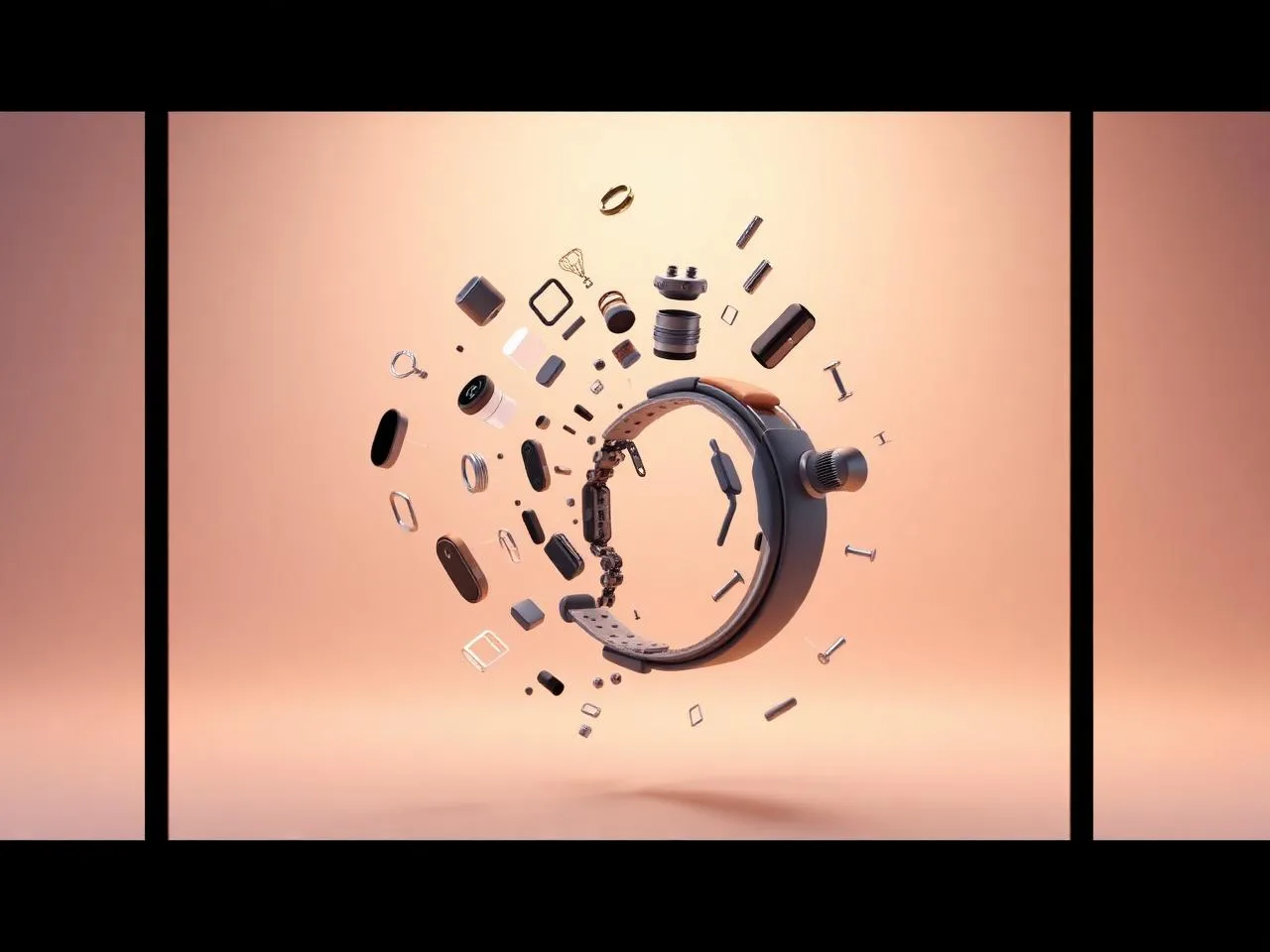
Animation tied to real prototypes
Because the same team prototypes, models, and animates, every render is benchmarked against a part that actually exists or is on its way.
- Renders updated against the latest physical revision
- Motion cycles validated against the working mechanism
- Material call-outs tied to real injection and surface samples
- Exploded views matched to the real assembly order
Render studio vs LA NPDT 3D modeling and animation
| Area | Render studio | LA NPDT |
|---|---|---|
| Source of truth | Brief and reference images | Engineering CAD |
| Manufacturability | Not their problem | Reviewed every revision |
| Motion accuracy | Looks-good rigging | Constrained to real mechanism |
| Material accuracy | Generic shaders | Tied to real finish samples |
| Engineering opinion | None | Included with every project |
| IP and NDA handling | Generic | Project-grade, contractually backed |
Swipe the table sideways to see every column.
One team. One model. The render and the part are the same object.
Renders that actually shipped
Words from founders, inventors, and product leads who used our 3D modeling and animation to raise, launch, and scale.
- K. Alvarez
Founder — Consumer hardware startup
The hero render they delivered ended up on the front page of our crowdfunding campaign. We hit goal in 36 hours and not a single backer asked whether the product was real.
- M. Chen
VP Product — Smart home OEM
We had three render studios produce concepts. LA NPDT was the only team that asked about parting lines before they touched a shader. The result was the only one our manufacturer didn't laugh at.
- S. Patel
Co-founder — Medical device startup
The exploded animation they built for our investor deck closed our seed round. Investors said it was the first time they could actually see how the product worked.
- J. Brennan
Director of Engineering — Industrial equipment manufacturer
They modeled the entire product line in the time our previous studio took to render two stills - and the engineering CAD they handed back saved us a full revision later.
Renders that close rounds and campaigns
A render is not a product. But the right render, built from the right CAD, is the artifact that proves a product can actually exist. The mock-up does not. The frame rendered out of a manufacturable model does.
- Investor decks with hero stills and a 60-second motion reel
- Crowdfunding pages with hero loops, exploded views, and use-case shots
- Sales pages with configurator-ready assets
- Trade-show booths with looping product films
Pitching? Bring renders that an engineer would defend.

- 2015
- Operating since
- 1,000+
- Products developed
- Hero → motion
- Stills, animation, AR
- In-house
- CAD + render + motion
What good 3D modeling and animation actually gets you
Done right, modeling and animation compress the path from idea to revenue - investors believe it, manufacturers understand it, customers want it.
- Faster decisions
A photoreal render closes design debates in minutes that would take weeks of debate over flat sketches.
- Lower risk
Rendering against real CAD catches manufacturability issues before they become tooling change orders.
- Scale-ready
One master model drives renders, animation, AR, manuals, and engineering - not five disconnected files.
Frequently asked questions about 3D modeling and animation
What is 3D modeling and animation in product development?+
It is the process of building a parametric or polygonal 3D model of a product, then bringing it to life with photoreal rendering, motion, and exploded animation. In product development it is used to validate design intent, sell the concept, and prepare assets for engineering, marketing, and crowdfunding.
What is the difference between a render and a real product?+
A render is a believable visualization of a design that may or may not be manufacturable. A real product has tolerances, materials, and assembly logic baked in. We model and animate against the engineering reality so the render and the production part are the same object - not two different fantasies.
Do you handle both modeling and animation in-house?+
Yes. The same engineering team that builds the CAD also rigs the explode, the cycle, and the cinematic camera move. That keeps the animation honest - components move the way the real assembly will move, not the way a generic 3D artist hopes it will.
Can you produce hero renders for crowdfunding and investor decks?+
Absolutely. Hero stills, looping product cycles, exploded assemblies, and packaging mock-ups are part of our standard deliverable. Built directly from the engineering CAD so what backers see is what ships.
What software do you use?+
SolidWorks, Fusion 360, KeyShot, Blender, Cinema 4D, and Unreal for real-time. Tool choice is per project, not per habit - the deliverable picks the tool, never the other way around.
How long does a 3D modeling and animation project take?+
A single hero render is usually 3-5 business days. A short product animation or exploded cycle is 2-3 weeks. Pitch-grade reels with engineering accuracy run 4-6 weeks depending on revisions and the underlying CAD complexity.
Get renders that match the product you're actually shipping
If you need 3D modeling, animation, or hero visuals that survive the jump from screen to shelf, the next step is a model built against engineering reality. LA NPDT delivers it under one roof.
What founders say after working with us
“This company is awesome. I run a medical device company and we required a number of accessories to be designed and built for our medical device. They delivered a polished design and printed the accessories on time using high-quality materials. I continue to work with them for all of our material needs.”
 Matteo ZiffFounder, Virtual Vision
“I highly recommend the LA New Product Development Team for any of your new product development needs. From the development of my concept to the actual prototype, the process was seamless. I especially loved the quick responsiveness, and I received regular updates during every stage, so I was never left wondering how things were going. The steps were clearly outlined, along with estimated costs.”
 Dr. Sharada DamarajuFounder, Dignity & Empowerment
“Partnering with LA NPDT to bring LEIA to life was a game-changer. Their blend of market analysis, design expertise, prototyping, and manufacturing streamlined my vision into a tangible solution. For medical professionals with a product idea, there's no team I'd recommend more.”
 Dr. Elena DolganFounder, LEIA Cup
Three reasons why our clients love working with us:
- 1
We solve problems. Coming up with creative solutions focused on achieving your goals is our everyday routine.
- 2
Get it all done at one place. We are a "one-stop shop" for developing, prototyping, manufacturing, and marketing new products.
- 3
You always know what to expect. No hourly charges. We are paid for the results.
If you ever thought of developing a new product, don’t wait any longer. Talk with one of our experts today.
Related insights

Designing Hardware for Subscription Models: Engineering Products for Recurring Revenue
Supplier-Integrated Development: How to Collaborate With Manufacturers From Day One

Invention Prototype Companies-The Struggle and Triumph Behind Cheek'd
Invention Prototype Companies-The Struggle and Triumph Behind Cheek'd. Lori Cheek, the role model for entrepreneurs, is the founder of the dating app.
Tell us about your product
Send us the idea, the drawing or the problem. We reply within one business day with the next practical step.
Prefer a scoped estimate? Request a quote