Medical device product development from concept to production
What is medical device product development?
Medical device product development services for founders, clinicians and health-tech companies: design, engineering, prototyping and low-volume production of Class I and Class II devices, with the documentation the pathway demands.
Medical device product development from concept to production. Design, engineering, prototyping and low-volume manufacturing for Class I and Class II devices.
Medical device product development is the regulated process of turning a clinical need into a manufacturable device: user and use-case research, risk analysis, design and engineering, verification prototypes, biocompatible material selection, and a design history file that supports an FDA submission.
It differs from ordinary consumer development in one respect that changes everything downstream: the decisions have to be traceable. Every requirement links to a design input, every design input to a verification result, and every change to a documented rationale.
We build that trail while we design, not after. Teams that bolt documentation on at the end usually redesign the device to match the paperwork.

Certified B Corp
Independently verified standards of social and environmental performance.

FDA-registered facility
Registered for device work, with the process discipline that comes with it.
- years developing physical products
- 10+years developing physical products
- projects taken from idea to build
- 1,000+projects taken from idea to build
- design, prototyping and short-run production
- In-housedesign, prototyping and short-run production
Engineers who have taken funded medical hardware through prototype and pilot builds
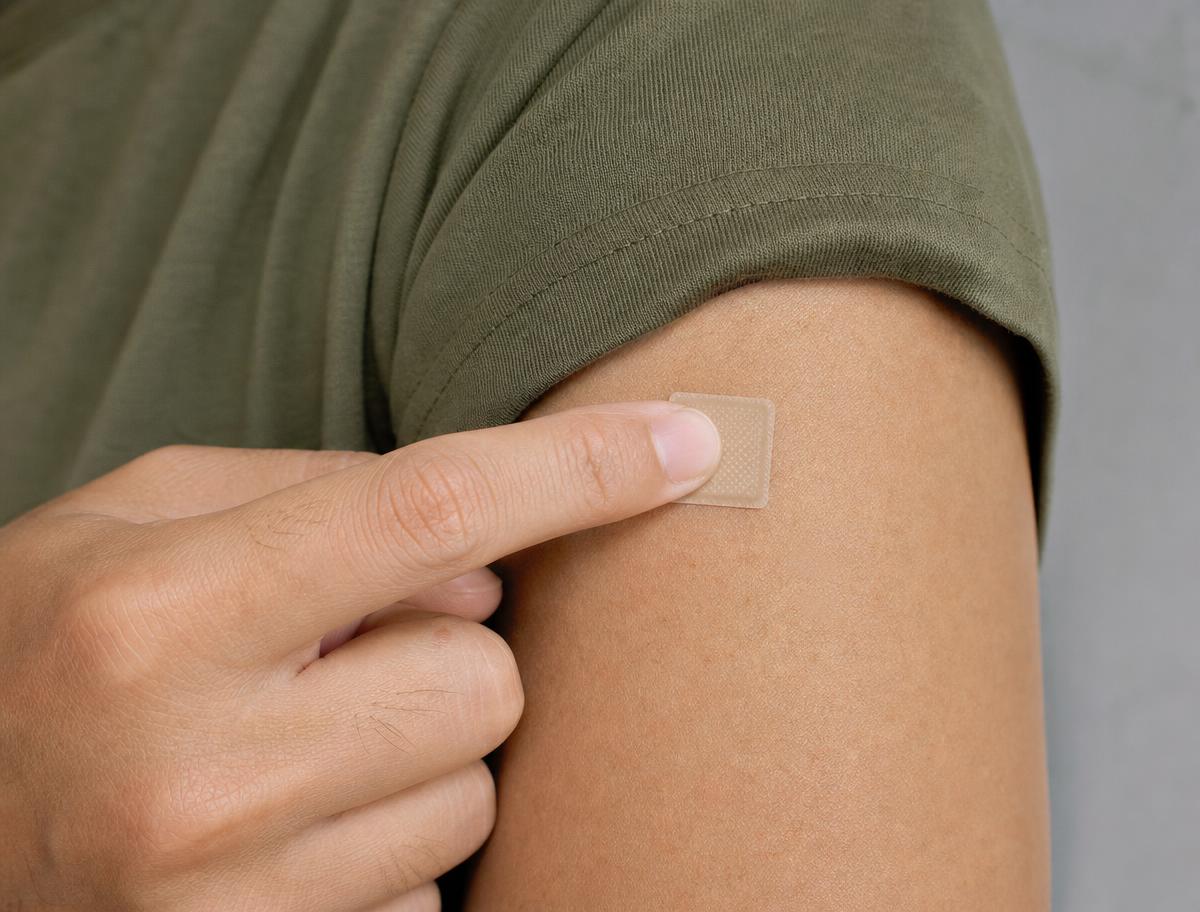
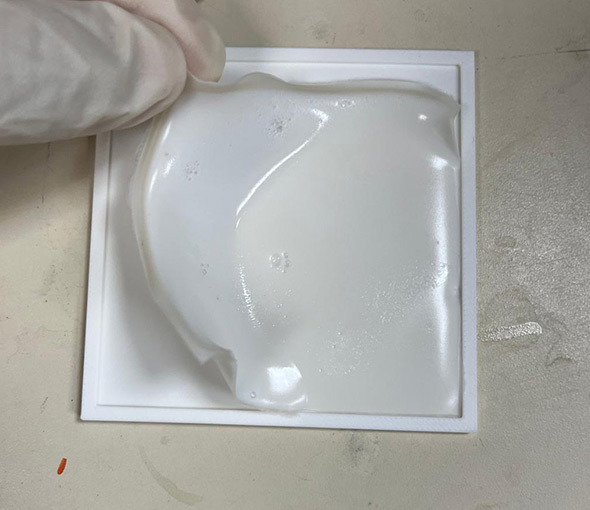
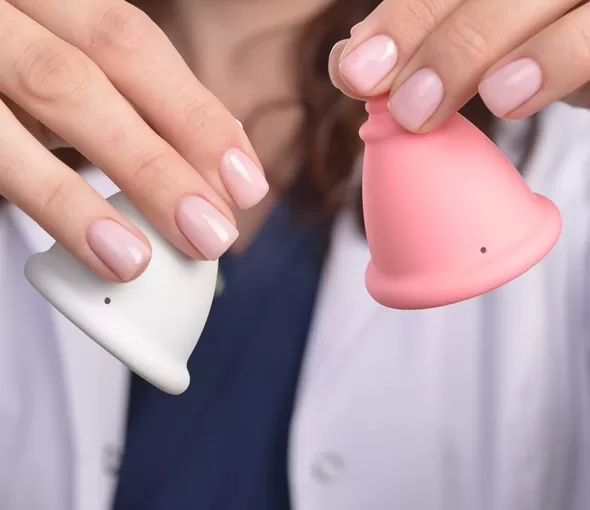
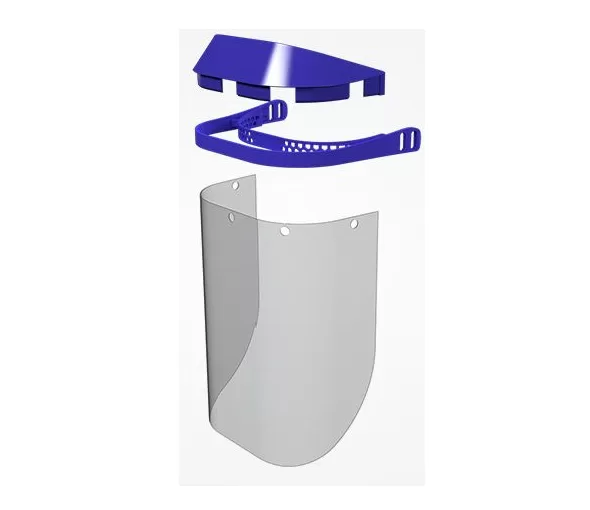
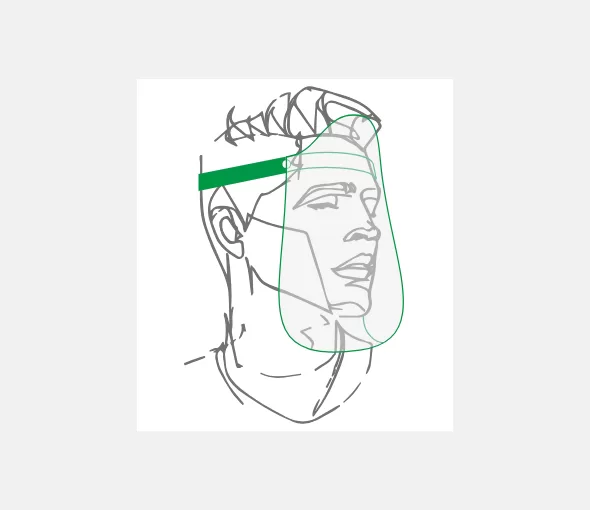
Our medical work spans SBIR-funded platforms, patient-safety hardware, diagnostic enclosures and single-use consumer health devices. HaloVax's materials-enabled vaccine delivery platform came through this shop across Phase I and Phase II SBIR awards. The Leia menstrual cup went from silicone geometry studies to a product recommended by OB/GYNs; UP Shield went from sketch to shipping face shields in a matter of weeks during a supply emergency.
We are a medical device design company in the practical sense: industrial design, mechanical and electronics engineering, human factors, prototyping and short-run manufacturing sit in one building, so a change to a sealing surface can be cut, printed and tested the same week.
We are not a regulatory consultancy and we will say so early. We design to the pathway, produce the technical evidence, and work alongside your regulatory lead or an outside QA/RA partner we can introduce you to.
What makes medical device development harder than it looks
The failures we get called in to fix are rarely about the core idea. They are about the constraints nobody priced in.
- Classification drives the whole budget
Class I, Class II 510(k) and De Novo pathways carry very different testing and documentation loads. Choosing the predicate device early can cut months and six figures out of the plan.
- Biocompatibility limits your materials
ISO 10993 evaluation constrains resins, adhesives, colorants and even mold-release agents. A material chosen for looks in month one becomes a re-validation in month nine.
- Sterilization changes the design
Gamma, EtO, autoclave and e-beam each attack different polymers. The sterilization method has to be picked before the enclosure geometry is frozen, not after.
- Human factors is a submission requirement
IEC 62366 use-related risk analysis and formative testing are evidence, not opinion. Devices used by patients at home need error-tolerant interfaces that survive real users, not trained operators.
- Single-use economics are brutal
A consumable device lives or dies on cents per unit. Tooling strategy, cavitation and material yield must be modelled while the geometry is still soft.
- Electronics add a second regulatory track
Powered devices pull in IEC 60601 electrical safety and EMC testing, plus software considerations if there is firmware in the loop.
Medical device engineering services we deliver in-house
| Capability | What it covers | Typical output |
|---|---|---|
| Clinical and user research | Need definition, workflow mapping, use-related risk analysis | Requirements matrix, use FMEA |
| Industrial design and human factors | Form, grip, interface, labeling, error tolerance | Design intent CAD, formative study notes |
| Mechanical engineering | Enclosure, seals, fluid path, mechanism, tolerance stack-up | Production-intent CAD, DFM report |
| Electronics and firmware | PCB design, sensing, power, connectivity | Schematic, layout, functional bench units |
| Medical device prototyping | Functional, appearance and verification-ready builds | Testable prototypes in target materials |
| Low-volume production | Pilot builds, clinical trial units, bridge production | 50-5,000 unit runs with build records |
Swipe the table sideways to see every column.
How a medical device program runs with us
Five phases, each ending in something you can show a regulator, an investor or a clinical partner.
01 · Discovery and pathway definition+
We define the clinical need, intended use and likely classification before drawing anything.
- Intended-use statement and indications
- Predicate device scan and pathway options
- Preliminary hazard analysis
- Budget and timeline modelled against the pathway
02 · Concept and human factors+
Multiple concept directions tested against real workflow, not a showroom.
- Concept CAD and ergonomics studies
- Formative usability sessions
- Material and sterilization shortlist
- Design inputs frozen
03 · Engineering and verification prototypes+
The device becomes real in target materials, with test coupons for the claims you need.
- Production-intent CAD and drawings
- Functional prototypes for bench testing
- Tolerance and sealing validation
- Biocompatibility material dossier started
04 · Design transfer and pilot build+
Tooling, fixtures and a documented build so the first units are reproducible.
- Tooling and fixture design
- Pilot run with build records
- Inspection and acceptance criteria
- Supplier qualification support
05 · Production and iteration+
Bridge production while volume ramps, with a change process that keeps the file intact.
- Short-run manufacturing
- Controlled engineering changes
- Cost-down on the consumable
- Scale-up to a contract manufacturer
What a well-run medical program actually buys you
Funded teams do not lose because their device failed. They lose because a material swap forced re-testing, a sterilization choice cracked the housing, or the submission stalled on evidence that was never captured. Every one of those is a scheduling decision made in month two.
Getting it right compounds in the other direction as well: clean verification data and a working pilot build are the two things that move an SBIR Phase II panel, a strategic partner or a Series A committee.
We do not design a medical device and then figure out how to prove it. We decide what has to be proven, then design something that can prove it.
Frequently asked questions about medical device product development
How much does medical device product development cost?+
Class I devices with no electronics commonly run in the tens of thousands through design and prototyping. Class II devices with electronics, biocompatibility testing and a 510(k) pathway are typically a multi-hundred-thousand-dollar program across all parties. We scope in phases so you can stop, pivot or raise between them.
How long does it take to develop a medical device?+
Six to twelve months from concept to verified prototype is realistic for a straightforward Class II device. Regulatory review, clinical evidence and tooling extend beyond that. Sterilization and biocompatibility testing are the two schedule items that most often surprise first-time teams.
Do you handle FDA submissions?+
We produce the design and engineering evidence a submission relies on - design history documentation, verification data, risk analysis, human factors records - and work alongside your regulatory consultant. We do not act as your regulatory agent of record.
Can you build a medical device prototype without a full program?+
Yes. Many clients start with a proof-of-concept or a functional prototype to test a mechanism, secure a grant or run a clinical conversation, then decide whether to continue into a regulated program.
Do you work with SBIR and grant-funded teams?+
Regularly. We have supported Phase I and Direct-to-Phase-II SBIR awards, and we can scope work to fit a specific award budget and reporting period.
Can you make low volumes for clinical trials?+
Yes. Our short-run manufacturing line builds clinical and pilot quantities with build records, so trial units and production units come from the same documented process.
Bring us the clinical problem, not just the drawing
Tell us the intended use, the users and the constraint you are worried about. We will come back with a pathway-aware plan and a realistic number.
Related services
- Medical device design consultancy
Design controls, human factors and verification evidence, phase by phase with cost bands.
- Medical device prototyping
Looks-like, works-like and verification builds, with materials and tolerance guidance.
- US wearable medical devices market report (PDF)
Our market study on wearable medical devices and healthcare wearables.
Standards and regulations we work to
Other industries we build for
Personal Care
Beauty, grooming and personal hygiene products, from formula-adjacent hardware to packaging.
Pet Products
Pet care, feeding, comfort and interactive toy products developed end to end.
Sports & Fitness
Training aids, outdoor gear, wearables and equipment built for real use in the field.
Product Packaging
Retail-ready structural and graphic packaging that protects the product and sells it.
IoT & Consumer
Connected consumer devices: electronics, enclosures, firmware and the app that drives them.
Industrial Equipment
Custom machines, automation and commercial equipment engineered and built in-house.
Food & Beverage
Containers, closures, kitchen tools and food-contact equipment for CPG brands.
Toys & Games
Play patterns, mechanisms and pitch-ready prototypes for toy and game inventors.
Home & Housewares
Cleaning tools, storage, organization and home hardware engineered to a shelf price.
Baby & Juvenile
Feeding, sleep, travel and nursery products designed around juvenile safety standards.
Outdoor & Hunting
Hunting, camping, marine and recreation gear built for weather, abuse and field use.
Funded Startups & Grants
SBIR Phase I and II prototypes and investor-ready hardware for funded teams.
SBIR & Grant-Funded Projects
Concept design, feasibility work and proof-of-concept prototyping for SBIR, STTR and other federal grant applicants.
What founders say after working with us
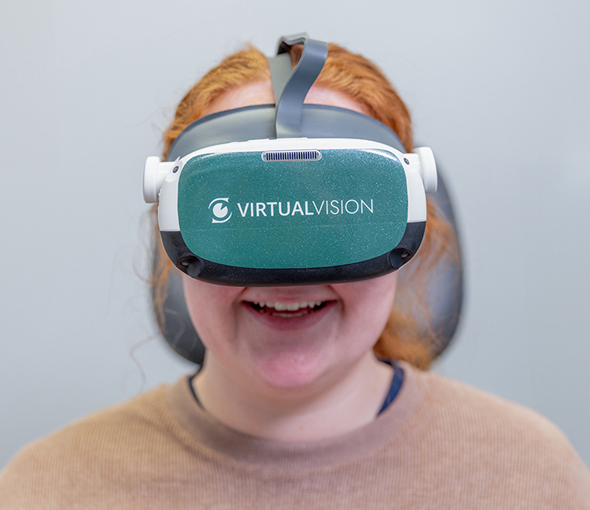
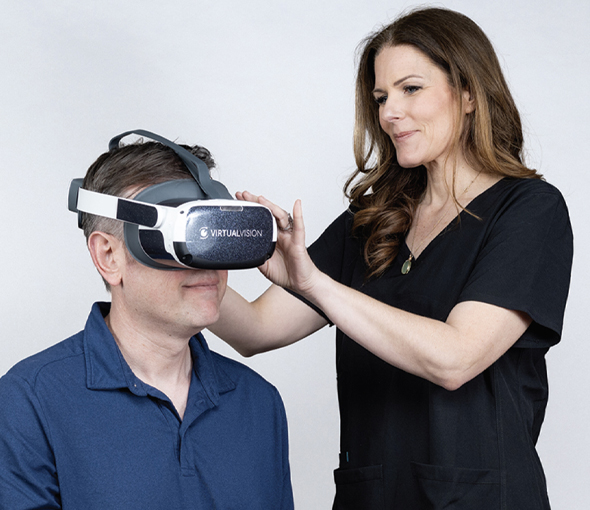
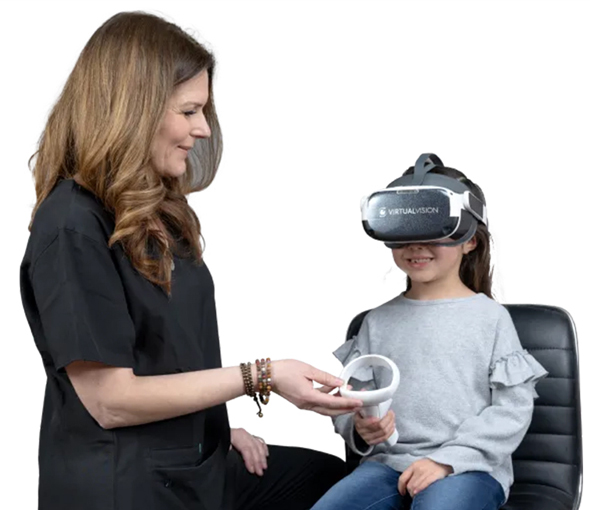
“This company is awesome. I run a medical device company and we required a number of accessories to be designed and built for our medical device. They delivered a polished design and printed the accessories on time using high-quality materials. I continue to work with them for all of our material needs.”
 Matteo ZiffFounder, Virtual Vision
“I highly recommend the LA New Product Development Team for any of your new product development needs. From the development of my concept to the actual prototype, the process was seamless. I especially loved the quick responsiveness, and I received regular updates during every stage, so I was never left wondering how things were going. The steps were clearly outlined, along with estimated costs.”
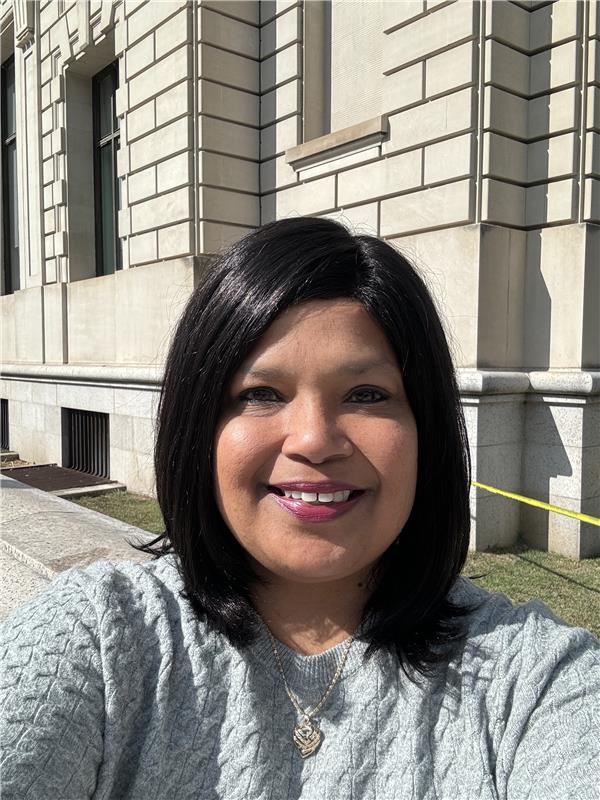 Dr. Sharada DamarajuFounder, Dignity & Empowerment
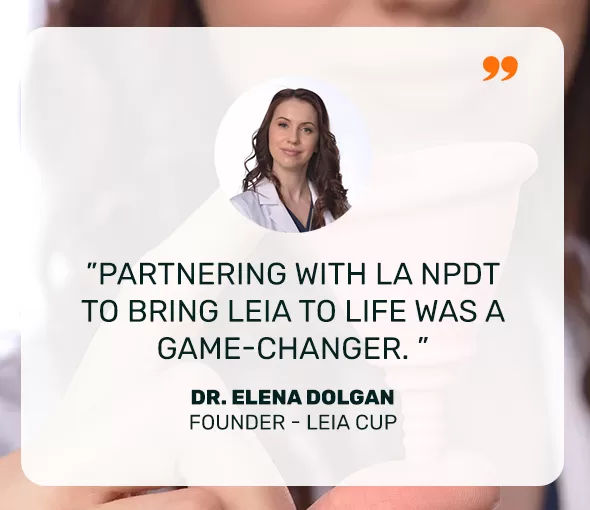
“Partnering with LA NPDT to bring LEIA to life was a game-changer. Their blend of market analysis, design expertise, prototyping, and manufacturing streamlined my vision into a tangible solution. For medical professionals with a product idea, there's no team I'd recommend more.”
 Dr. Elena DolganFounder, LEIA Cup
Three reasons founders keep working with us
- 1
One team from sketch to shipped parts. Industrial design, mechanical and electrical engineering, prototyping and manufacturing sit under one roof, so nothing is lost in a handoff.
- 2
You own the work. Native CAD, drawings and source files are yours at the end of every phase — no lock-in, no re-buying your own design later.
- 3
Fixed scope, fixed price. Every phase is quoted up front with a deliverable list and a date. No hourly meters, no surprise invoices.
If you ever thought of developing a new product, don’t wait any longer. Talk with one of our experts today.
Tell us about your product
Send us the idea, the drawing or the problem. We reply within one business day with the next practical step.
Ready to scope the work? Start your product · Request a quote