Industrial equipment and custom machine design and development
What is custom machine design and development?
Automation machine design, custom machine building and industrial equipment development: from a process you are doing by hand today to a working machine with drawings, controls and a build you can maintain.
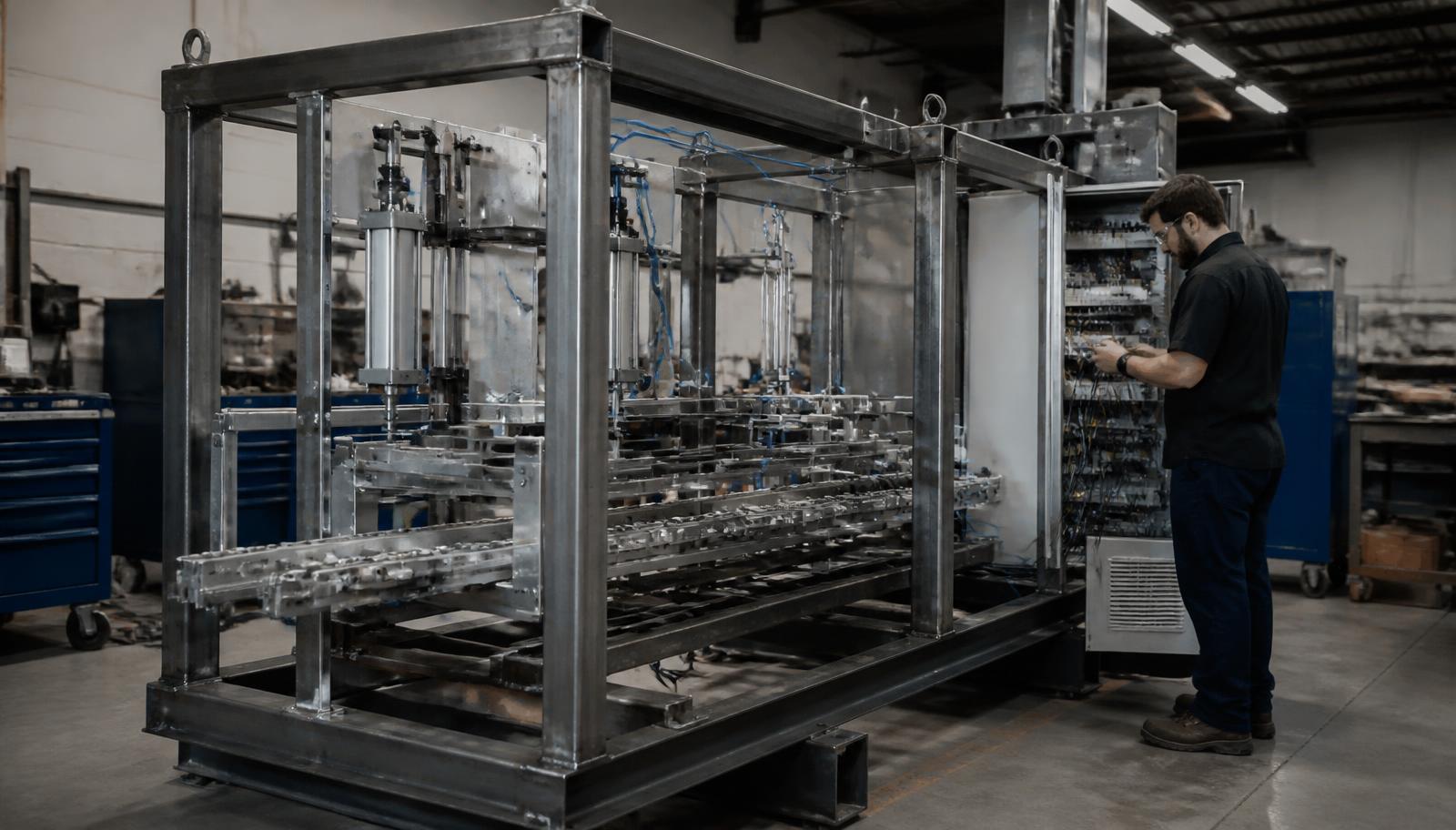
Industrial equipment design covers custom machines, automation cells and commercial equipment: mechanism and frame engineering, drives and controls, safety systems, and fabrication. LANPDT designs to OSHA machine-guarding rules and ISO 13849 safety categories, builds and debugs the machine in-house, and hands over drawings, a control program and a spares list.
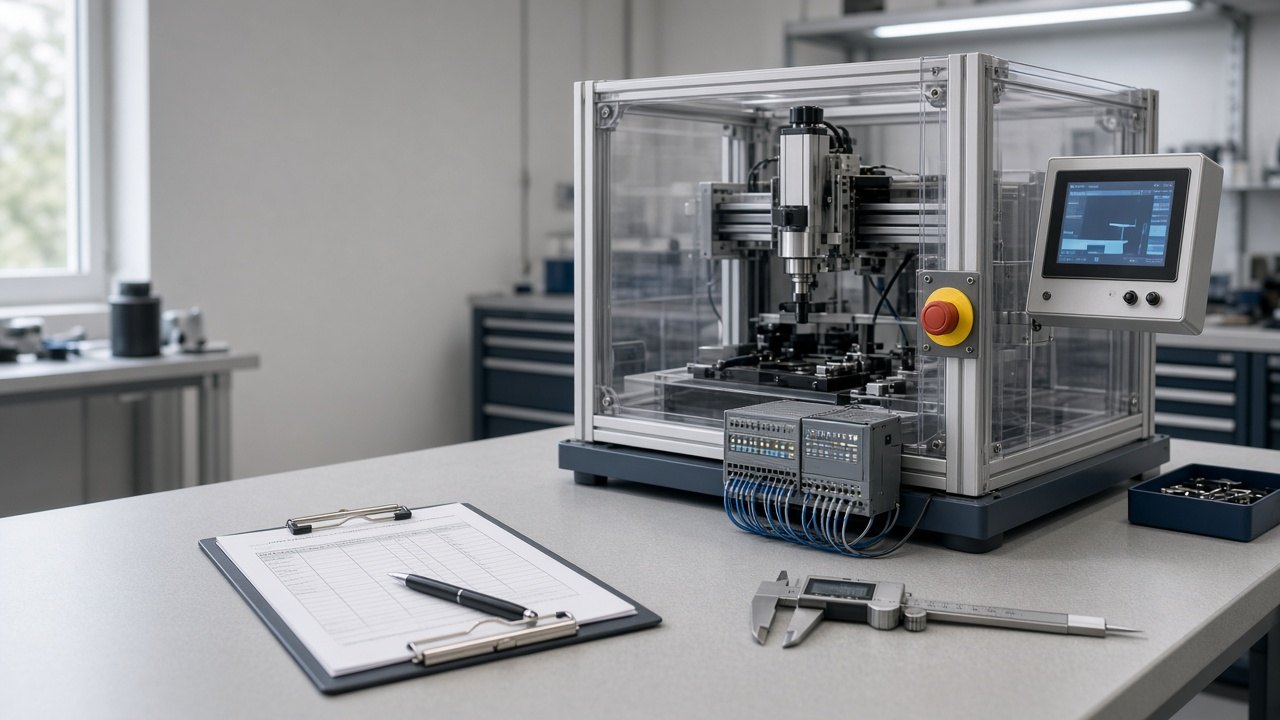
Custom machine design and development is the engineering of a purpose-built machine or piece of industrial equipment for a process no off-the-shelf product handles: mechanism design, structural and drive engineering, actuation and controls, safety guarding, and a fabrication package a shop can build from.
Most of our machine work starts the same way. A company has a manual step that gates throughput - portioning, cutting, dispensing, sorting, assembling - and buying a machine for it is either impossible or absurdly expensive.
The engineering question is never just "can it be automated." It is what cycle time pays for the build, and what the machine has to survive on the floor for the next five years.

Certified B Corp
Independently verified standards of social and environmental performance.

FDA-registered facility
Registered for device work, with the process discipline that comes with it.
- years developing physical products
- 10+years developing physical products
- projects taken from idea to build
- 1,000+projects taken from idea to build
- design, prototyping and short-run production
- In-housedesign, prototyping and short-run production
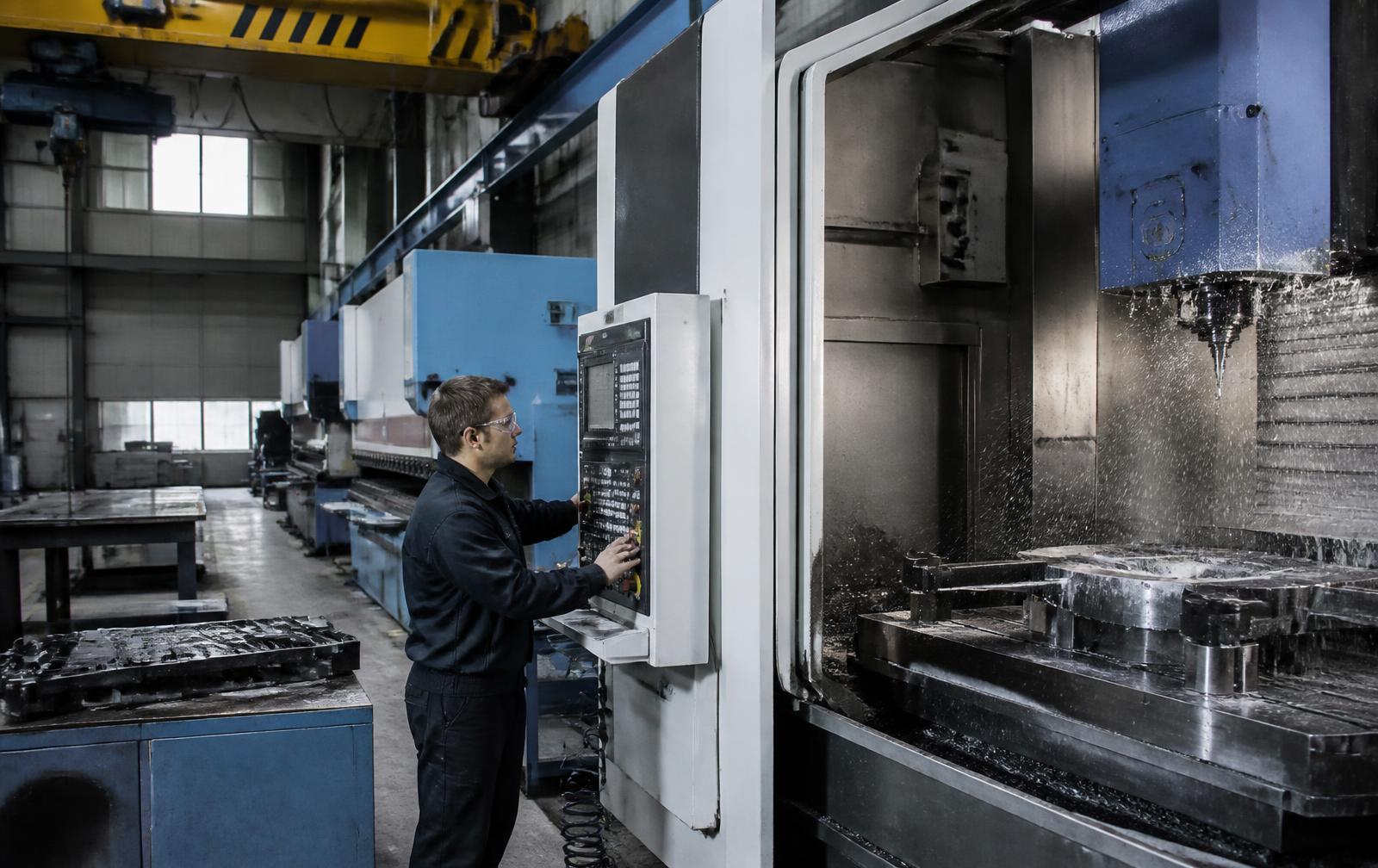
A machine shop and an engineering team in the same building

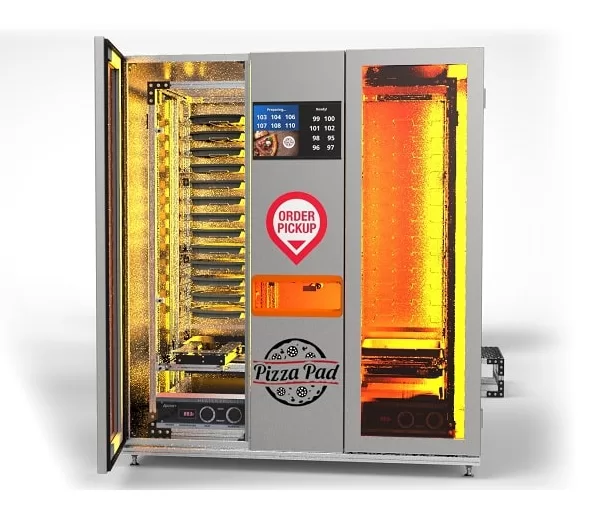
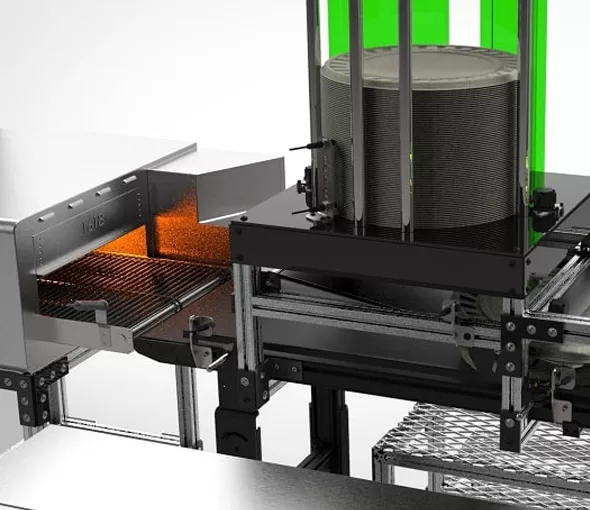
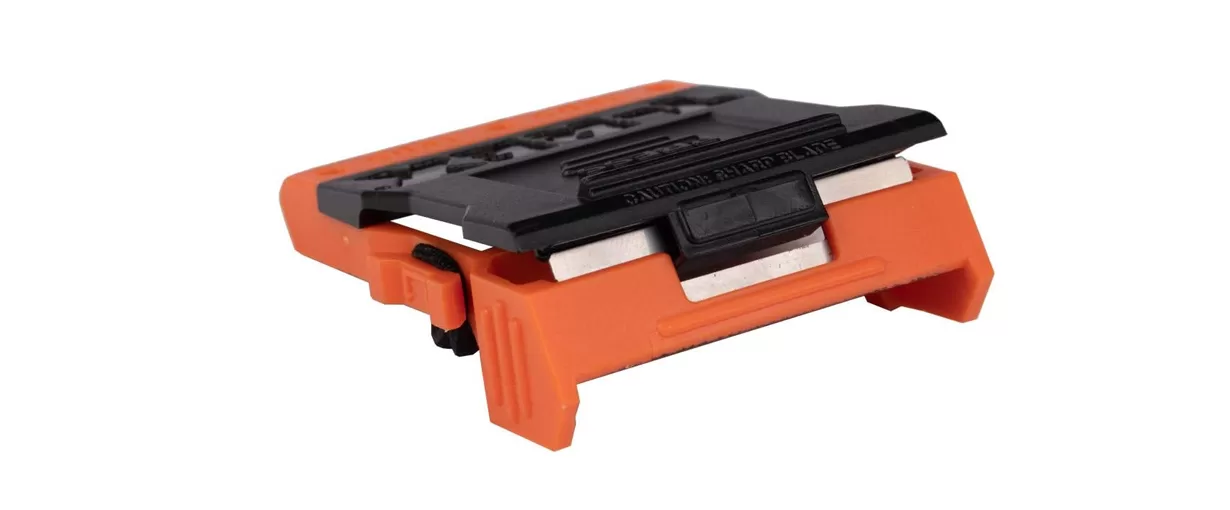
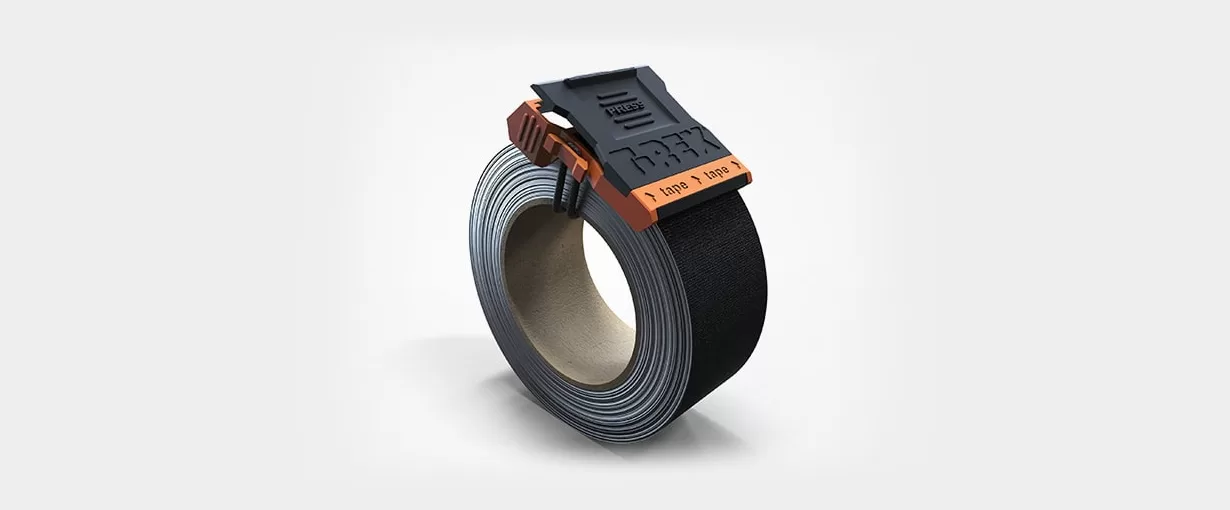
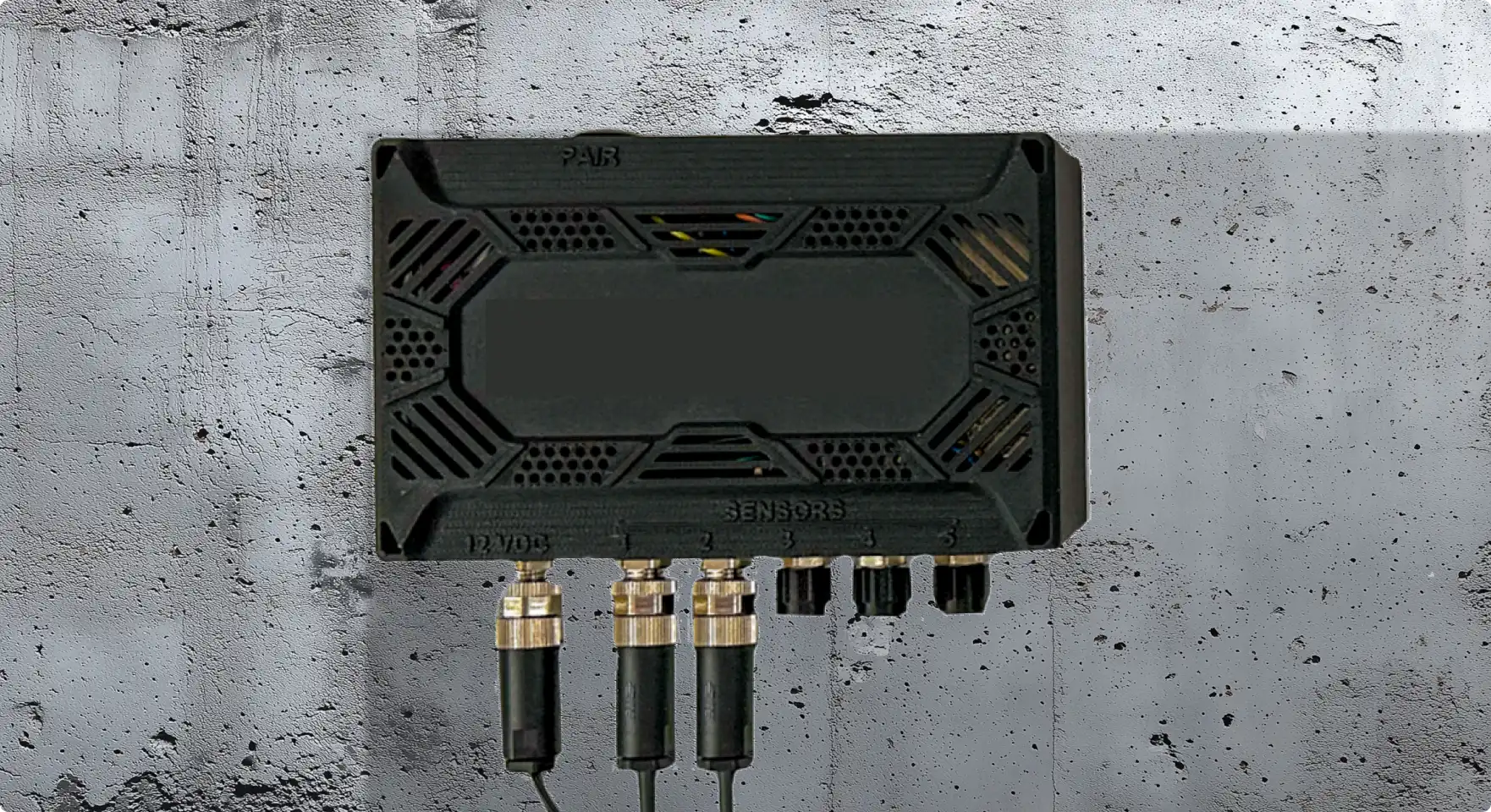
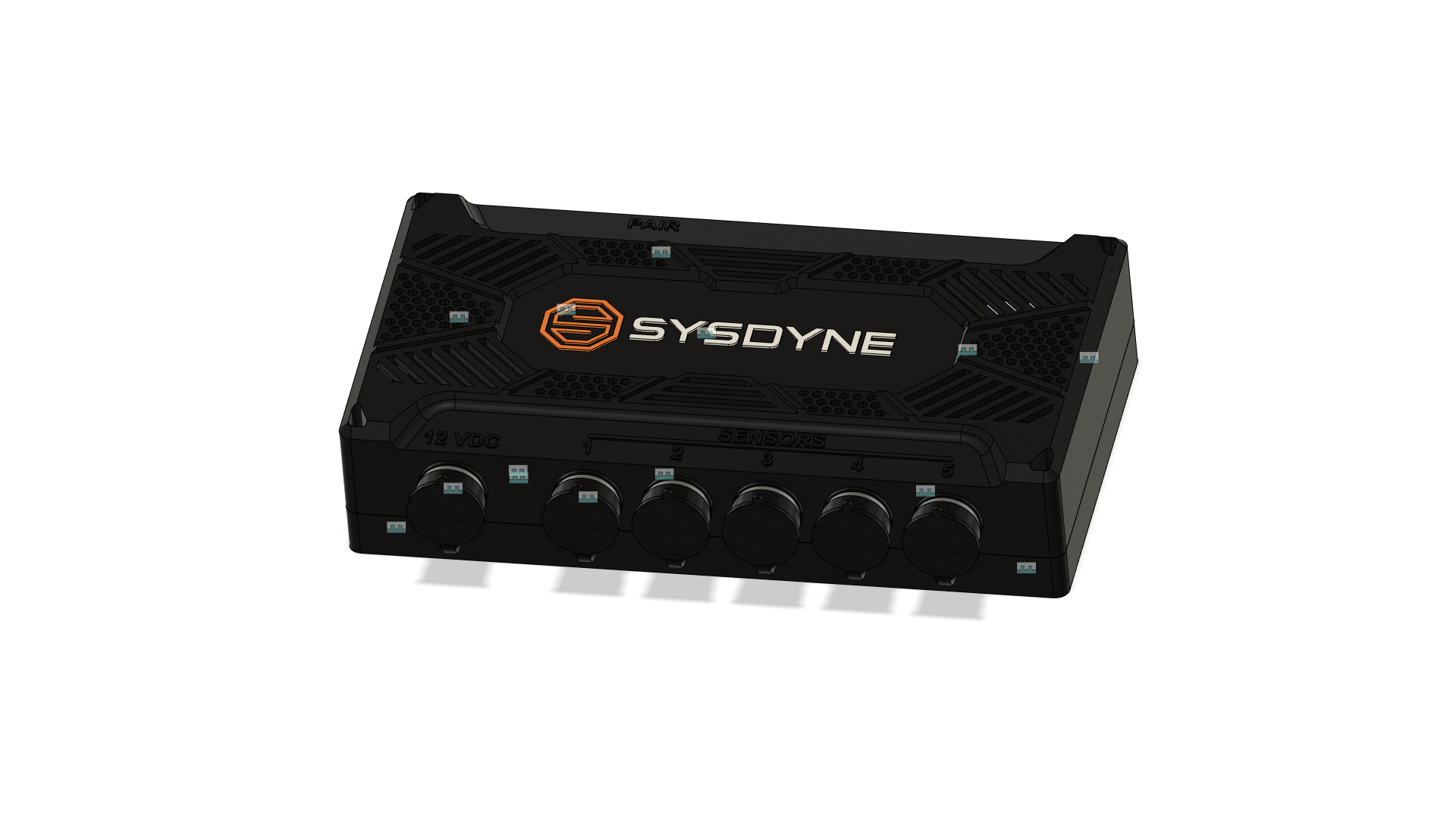
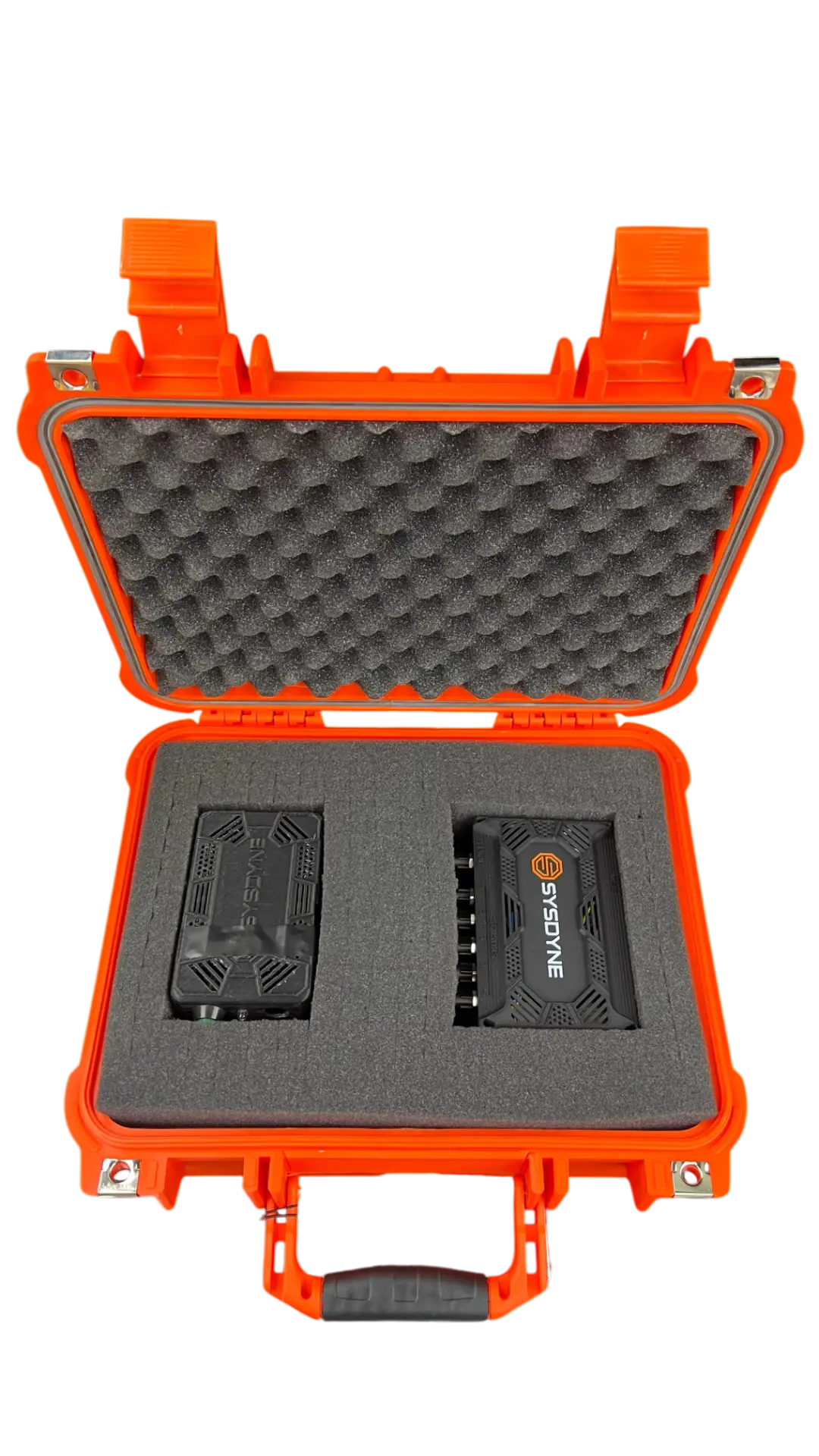
We designed and built the BARS automated pizza machine as a large-scale rapid prototyping and machine build program: food-safe mechanisms, motion, controls and a full-size working unit. We engineered the T-Rex tape cutter that went on to be licensed to ShurTech, mechanical product design for Brunson Machinery Tools, the EZ Miter gutter template, and a range of commercial equipment and fixtures.
As a custom machine builder we own the whole chain: mechanism concepts, CAD, FEA where load matters, motor and actuator selection, pneumatics, PLC and microcontroller-based control, fabrication, assembly and debug. That matters because machine programs live or die on iteration speed, and a design that has to leave the building to be cut loses a week each round.
We are equally comfortable being the engineering half of the project when you already have fabrication capacity, delivering a released drawing package, BOM and controls architecture your shop can execute.
Where industrial equipment projects go wrong
Machines rarely fail at the concept. They fail at duty cycle, at maintenance, and at the interface with the humans who run them.
- Cycle time is the whole business case
A machine that runs 20% slower than modelled can wipe out the payback period. Throughput assumptions belong in the first week, validated on a single-station mock-up before the full frame is built.
- Duty cycle kills prototypes
A mechanism that works for a demo and dies at 100,000 cycles is a common outcome. Bearings, wear surfaces, belt tension and thermal load have to be engineered for the real shift, not the video.
- Safety and compliance are structural
Guarding, interlocks, e-stops, lockout points and pinch-point analysis change the frame layout. Retrofitting a light curtain onto a finished machine is expensive and usually ugly.
- Maintenance access is a design input
If a wear part takes two hours and a special tool to replace, the plant will run the machine broken. Serviceability has to be drawn in, not discovered.
- Controls are half the machine
Sensor selection, fault handling, HMI clarity and recovery from a jam determine whether operators trust the machine. A great mechanism with a confusing HMI gets bypassed.
- One-off economics
A single machine cannot amortize tooling. Weldments, standard extrusion, catalog drives and machined parts have to be balanced against a single-unit budget.
Machine design services we deliver in-house
| Capability | What it covers | Typical output |
|---|---|---|
| Process and throughput study | Manual process mapping, cycle-time modelling, ROI case | Concept options with cost and rate estimates |
| Mechanism design | Motion, linkage, tooling, fixturing, material handling | Kinematic CAD and proof-of-principle rigs |
| Structural engineering | Frames, weldments, load paths, deflection and FEA | Fabrication drawings and BOM |
| Drives and actuation | Motor, gearbox, servo, pneumatic and hydraulic selection | Sizing calculations and component specs |
| Controls and HMI | PLC or microcontroller logic, sensing, safety circuits, operator interface | Control architecture, wiring, working code |
| Build, assembly and debug | In-house machining, fabrication, assembly, run-in | A working machine and a maintenance manual |
Swipe the table sideways to see every column.
How a custom machine program runs

We de-risk the mechanism before anyone welds a frame.
01 · Process study and concept+
We watch the manual process, time it, and model what automation is actually worth.
- Cycle-time and throughput model
- Two or three machine concepts
- Budget range and payback estimate
- Go / no-go on the business case
02 · Proof-of-principle rig+
The riskiest motion gets built as a single station first.
- Bench rig of the critical mechanism
- Rate and reliability testing
- Material and wear-surface trials
- Concept locked or replaced early
03 · Detailed design+
Full machine engineered, including the parts nobody enjoys drawing.
- Complete CAD assembly and drawings
- Structural analysis where load matters
- BOM with catalog components
- Safety and guarding layout
04 · Controls and integration+
The machine gets its nervous system.
- PLC or embedded control code
- Sensor and safety circuit integration
- HMI screens and fault handling
- Factory acceptance criteria
05 · Build, debug and handoff+
Fabrication, assembly and run-in until it holds rate.
- Machine built and commissioned
- Run-in at production rate
- Operator and maintenance training
- Drawings, spares list and manual
What a machine has to be worth
The right question is not whether a process can be automated. It is what an hour of that process costs today, how many hours a year you run it, and how much of that the machine gives back after maintenance and downtime.
We would rather tell you in week two that the numbers do not work than deliver a beautiful machine that never earns out. When they do work, the payoff is usually bigger than the labor line alone: consistency, yield, and the ability to quote work you cannot take on by hand.
A machine is not finished when it moves. It is finished when it holds rate for a full shift with the operator you actually have.
Frequently asked questions about custom machine design
How much does a custom machine cost?+
Simple single-station equipment and fixtures commonly land in the low tens of thousands. Multi-station automated machines with controls, guarding and food- or medical-grade requirements run well into six figures. We give you a range after the process study, before detailed design starts.
How long does it take to build a custom machine?+
Four to nine months is typical from process study to a commissioned machine, depending on how much of the mechanism is novel. A proof-of-principle rig usually lands within six to ten weeks.
Can you design the machine and let our shop build it?+
Yes. We deliver a released package - assembly and detail drawings, BOM, controls architecture and code - that your fabricator or integrator can build from, and we stay available through debug.
Do you handle controls and PLC programming?+
Yes. Sensing, safety circuits, PLC or microcontroller logic and the operator interface are engineered alongside the mechanism, not subcontracted after the fact.
Can you automate a food or medical process?+
We have. Food-contact machines bring washdown, material and sanitation requirements into the frame design; medical and lab equipment bring documentation. Both are scoped up front.
Can you improve an existing machine instead of building new?+
Often that is the cheaper answer. Retrofits, tooling changes, new end effectors and control upgrades regularly buy most of the throughput for a fraction of a new build.
Tell us about the step you are still doing by hand
Send us a video of the process, your volumes and your target rate. We will tell you honestly whether a machine pays for itself.
Machine safety and control standards we design to
A custom machine that cannot be guarded, locked out and documented is not deliverable. These constraints are set at the frame layout stage.
| Standard or rule | What it requires | What it changes in the design |
|---|---|---|
| OSHA 29 CFR 1910 Subpart O | Machine guarding: point of operation, nip points, rotating parts. | Fixes guard placement, interlock switches and access panel size. |
| ANSI B11 series | Machine tool safety requirements and risk assessment method. | Requires a documented risk assessment before the design freezes. |
| ISO 13849-1 (PL a-e) | Performance level for safety-related control functions. | Decides whether a single interlock is enough or a dual-channel safety relay is required. |
| 29 CFR 1910.147 (LOTO) | Lockout/tagout for energy isolation. | Requires lockable disconnects and documented stored-energy release points. |
| UL 508A / NFPA 79 | Industrial control panel construction and electrical standards. | Governs panel layout, wire colors, labeling and short-circuit current rating. |
What a custom machine costs and how long it takes
Machine projects are quoted in stages. These bands come from equipment we have actually designed, built and shipped.
| Stage | What happens | Duration | Typical cost |
|---|---|---|---|
| Concept + cycle-time study | Process breakdown, throughput math, layout options, risk assessment | 2–4 weeks | $6,000 – $18,000 |
| Detailed mechanical design | Frame, mechanisms, pneumatics, tooling, full drawing set | 6–12 weeks | $20,000 – $80,000 |
| Controls and code | PLC and HMI (Allen-Bradley CompactLogix or Siemens S7-1200), safety relays, panel to UL 508A | 4–10 weeks | $15,000 – $60,000 |
| Fabrication and assembly | Welded frame, machined parts, purchased drives, in-house build | 8–16 weeks | $30,000 – $250,000+ |
| Debug, FAT and handover | Cycle-time verification, safety validation, operator manual, spares list | 2–5 weeks | $8,000 – $30,000 |
Ranges are what comparable projects have actually cost here, not list prices. Every project is quoted stage by stage, so you approve the next step with real numbers in front of you. See the prototype cost calculator for a first estimate on your own part.
A production machine we designed and built
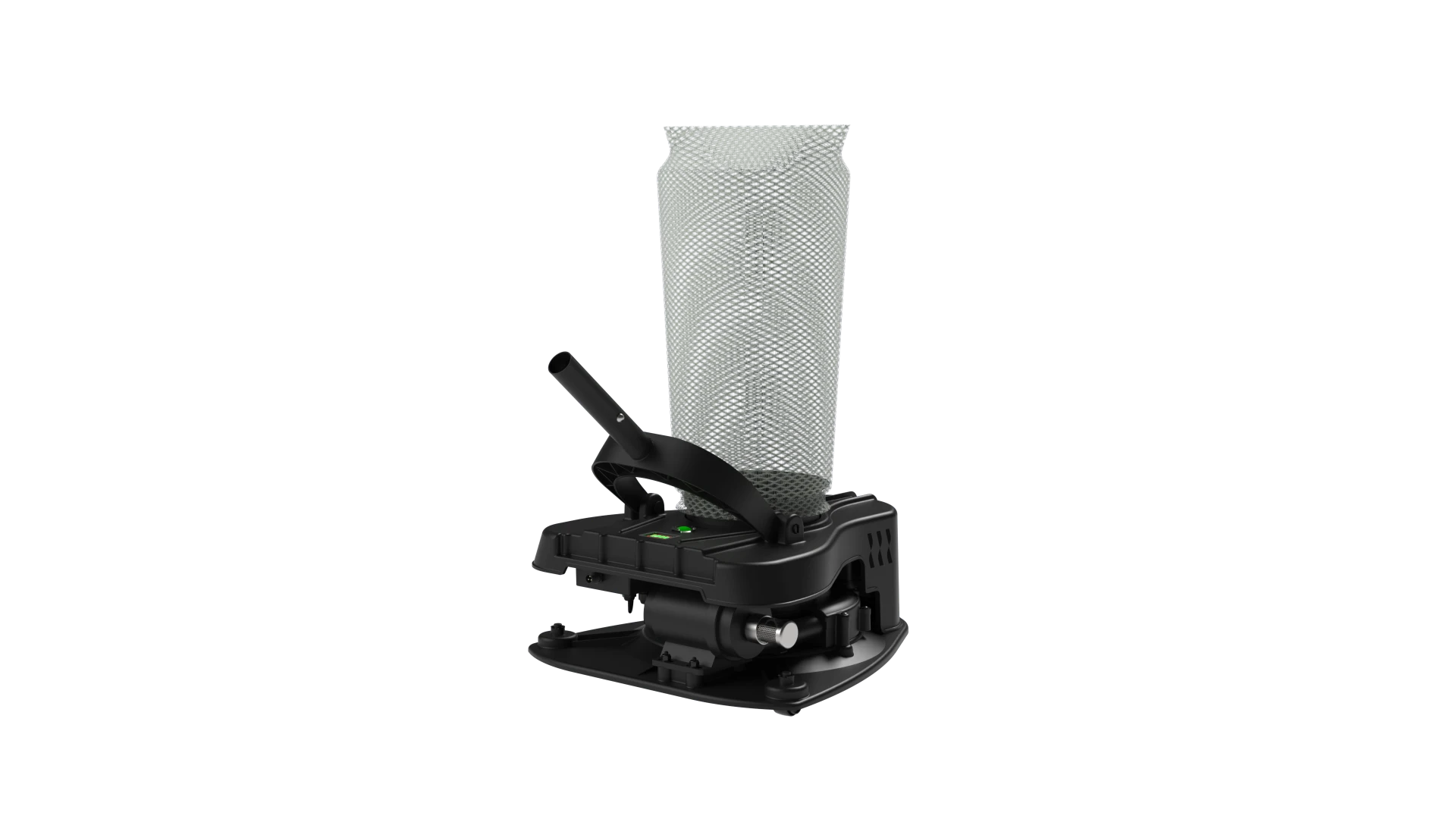
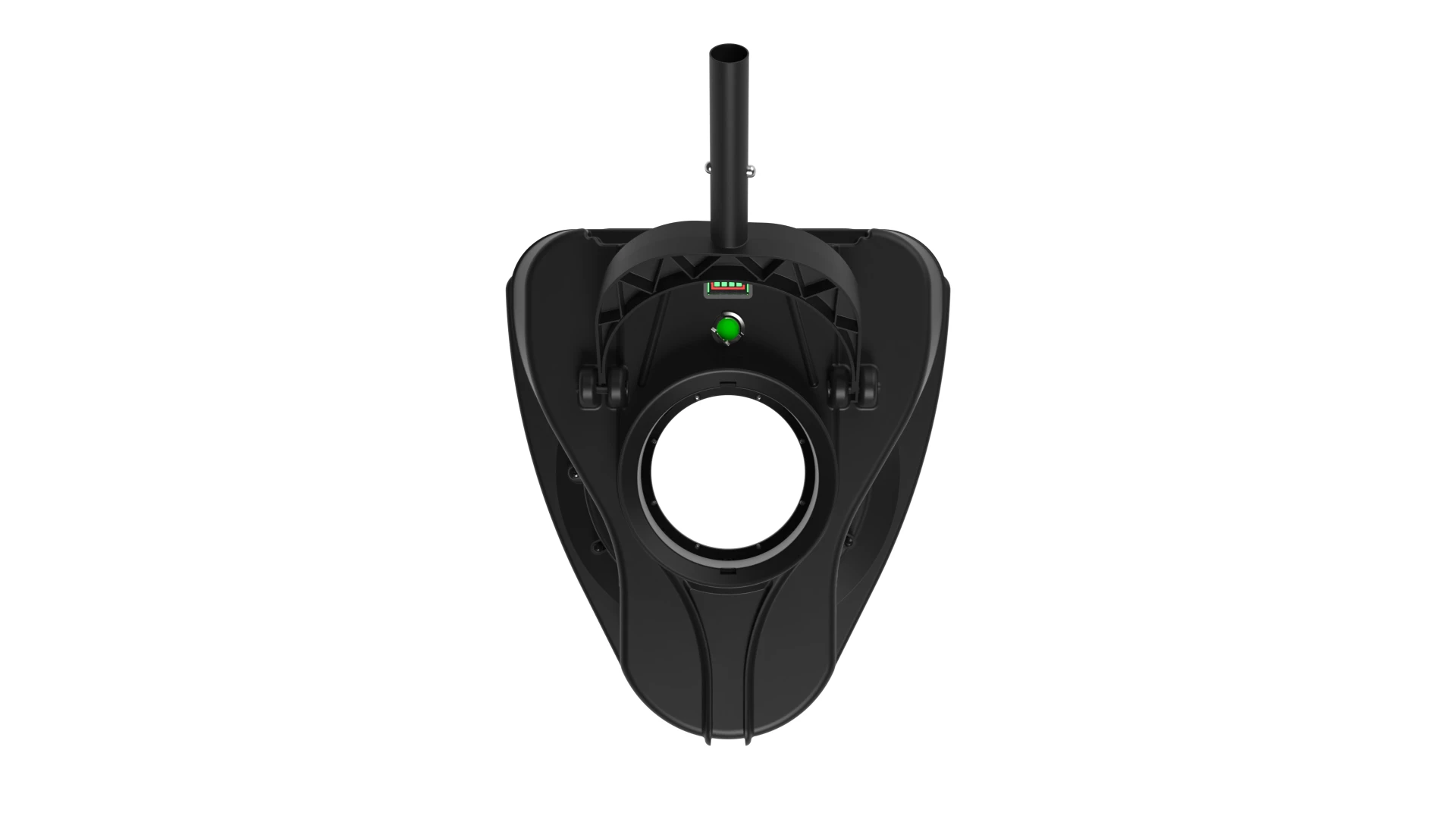
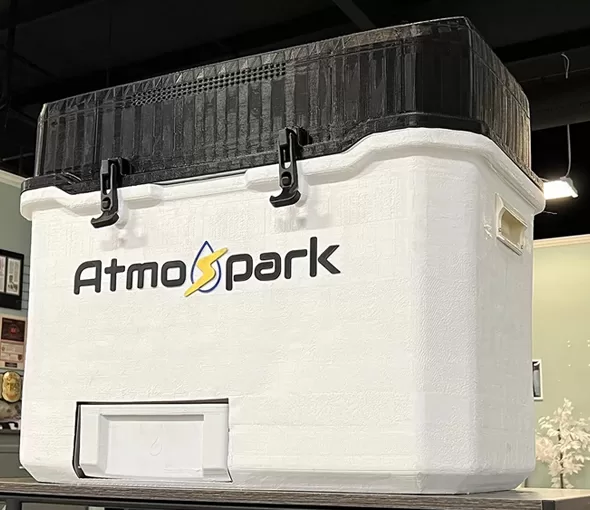
A full automated food-production machine: mechanism design, food-contact material selection, controls, large-format fabrication and in-house debug. The same team built the T-Rex tape cutter and the AtmosPark atmospheric water generator, so machines leave here already run in.
Custom machine design questions
Can you build the machine, not just design it?
Yes. We fabricate, assemble, wire and debug in our own shop, which is why our machines ship with verified cycle times rather than theoretical ones. Large weldments and specialty machining go to vetted local partners under our drawings.
What PLC platforms do you use?
Most builds use Allen-Bradley CompactLogix or Micro850, or Siemens S7-1200, with a matching HMI. If your plant already standardizes on a platform and a spares crib, we build to it rather than introducing a second brand.
How is machine safety handled?
We run an ANSI B11 style risk assessment early, assign an ISO 13849 performance level to each safety function, then design guarding, interlocks and the safety-relay architecture to hit it. Panels are built to UL 508A and NFPA 79 wiring practice.
What determines the cost of a custom machine?
Throughput and station count first, then part variation, safety level and duty cycle. A single-station semi-automatic cell often lands between $60,000 and $150,000; a multi-station automated line runs $250,000 and up.
Standards and regulations we work to
Other industries we build for
Personal Care
Beauty, grooming and personal hygiene products, from formula-adjacent hardware to packaging.
Pet Products
Pet care, feeding, comfort and interactive toy products developed end to end.
Sports & Fitness
Training aids, outdoor gear, wearables and equipment built for real use in the field.
Product Packaging
Retail-ready structural and graphic packaging that protects the product and sells it.
IoT & Consumer
Connected consumer devices: electronics, enclosures, firmware and the app that drives them.
Medical Devices
Class I and Class II devices, diagnostics and patient-safety hardware developed to the pathway.
Food & Beverage
Containers, closures, kitchen tools and food-contact equipment for CPG brands.
Toys & Games
Play patterns, mechanisms and pitch-ready prototypes for toy and game inventors.
Home & Housewares
Cleaning tools, storage, organization and home hardware engineered to a shelf price.
Baby & Juvenile
Feeding, sleep, travel and nursery products designed around juvenile safety standards.
Outdoor & Hunting
Hunting, camping, marine and recreation gear built for weather, abuse and field use.
Funded Startups & Grants
SBIR Phase I and II prototypes and investor-ready hardware for funded teams.
SBIR & Grant-Funded Projects
Concept design, feasibility work and proof-of-concept prototyping for SBIR, STTR and other federal grant applicants.
What founders say after working with us
“Konstantin has been so amazing and his entire team is A+. I researched and interviewed many product development companies across the country and ultimately decided on LA NPDT... and I'm so glad I did. The attention to detail and overall effort has been exactly what I needed and then some. If you are looking for a company to help you bring your product to life, look no further!”
 William EvansCEO, Burple
“This company is awesome. I run a medical device company and we required a number of accessories to be designed and built for our medical device. They delivered a polished design and printed the accessories on time using high-quality materials. I continue to work with them for all of our material needs.”
 Matteo ZiffFounder, Virtual Vision
“Partnering with LA NPDT to bring LEIA to life was a game-changer. Their blend of market analysis, design expertise, prototyping, and manufacturing streamlined my vision into a tangible solution. For medical professionals with a product idea, there's no team I'd recommend more.”
 Dr. Elena DolganFounder, LEIA Cup
Three reasons founders keep working with us
- 1
One team from sketch to shipped parts. Industrial design, mechanical and electrical engineering, prototyping and manufacturing sit under one roof, so nothing is lost in a handoff.
- 2
You own the work. Native CAD, drawings and source files are yours at the end of every phase — no lock-in, no re-buying your own design later.
- 3
Fixed scope, fixed price. Every phase is quoted up front with a deliverable list and a date. No hourly meters, no surprise invoices.
If you ever thought of developing a new product, don’t wait any longer. Talk with one of our experts today.
Tell us about your product
Send us the idea, the drawing or the problem. We reply within one business day with the next practical step.
Ready to scope the work? Get engineering support · Request a quote