The Impact of Product Design on Brand Identity
In today’s competitive marketplace, brand identity extends far beyond a logo or tagline — it’s about how consumers perceive and interact with your brand at every touchpoint. One of the most powerful ways to establish and reinforce this identity is through product design. Great product design reflects a brand’s values, vision, and promise to customers, influencing how they experience and remember the brand. This article explores how product design shapes brand identity, why it matters, and how companies can use design strategically to strengthen their brand.
December 12, 20247 min read

Written by Yelena Rymbayeva, MPhil Communication & Media Studies, BTech Quality Control
Marketing & Product Leader, Technology Commercialization
Published December 12, 2024Updated September 3, 2026
Brand identity is more than a logo. It is how people see and use your brand. Product design is a strong way to build this identity. Good design shows your values and vision. It shapes how people feel about your brand. This piece shows how design forms your brand. It also explains how firms use design to grow.
1. Product Design as a Reflection of Brand Values
Brand identity is the personality you show to your customers. Product design shares these values in a clear way. It turns ideas into things people can touch and use.
- Sustainability: Brands focused on environmental responsibility often incorporate sustainable materials and processes in their product design. This commitment not only aligns with the brand’s values but also resonates with eco-conscious consumers.
- Innovation: For brands positioned as industry leaders or tech-savvy pioneers, product design plays a role in showcasing the latest technologies and forward-thinking aesthetics.
- Quality and Reliability: Brands that prioritize durability and dependability in their products use materials and design processes that conveyquality. This consistency builds trust and loyalty over time.
Example: Apple uses sleek design to show its focus on quality. This simple style is easy to spot. It proves that Apple is a leader in tech and design.
2. Differentiation in a Crowded Market
Design helps you stand out in a busy market. Unique styles help people remember your brand. They help you beat rivals and leave a lasting mark.
- Memorable Visual Elements: Unique shapes, colors, or textures can become iconic elements that distinguish the product and brand. For instance, Coca-Cola’s contoured bottle shape has become an unmistakable aspect of its identity.
- Enhanced User Experience: Functional, well-thought-out design creates a seamless user experience that leaves a lasting impression. Brands that excel in this area create products that aren’t just functional but a joy to use, turning customers into brand advocates.
- Signature Features: Incorporating proprietary features or design elements can also distinguish a brand, building a strong association between the product and the company that creates it.
Example: Dyson vacuums are easy to see. They use bold colors and new shapes. This design sets Dyson apart from others. it shows they care about new ideas and high quality.
3. Building Emotional Connections with Customers
Emotional connection is essential for building a strong brand identity, and product design is a powerful tool to evoke emotions and create meaningful connections with consumers.
- Aesthetic Appeal: A visually pleasing product has a higher chance of creating a positive first impression, enhancing the brand’s appeal. Consumers often associate beautiful, well-designed products with brands that value craftsmanship and attention to detail.
- Ergonomic and Functional Design: Products that are comfortable to use and intuitive foster a positive experience, making customers feel that the brand genuinely cares about their needs.
- Personalization and Inclusivity: Designs that offer personalization options or cater to diverse needs can make customers feel valued. A brand that designs with inclusivity in mind is seen as empathetic and customer-focused, strengthening the emotional bond.
Example: Nike By You lets users design their own shoes. This builds a deep bond with the brand. It gives customers a sense of pride. This choice builds loyalty by making the user part of the brand story.
4. Consistency in Design for Brand Recognition
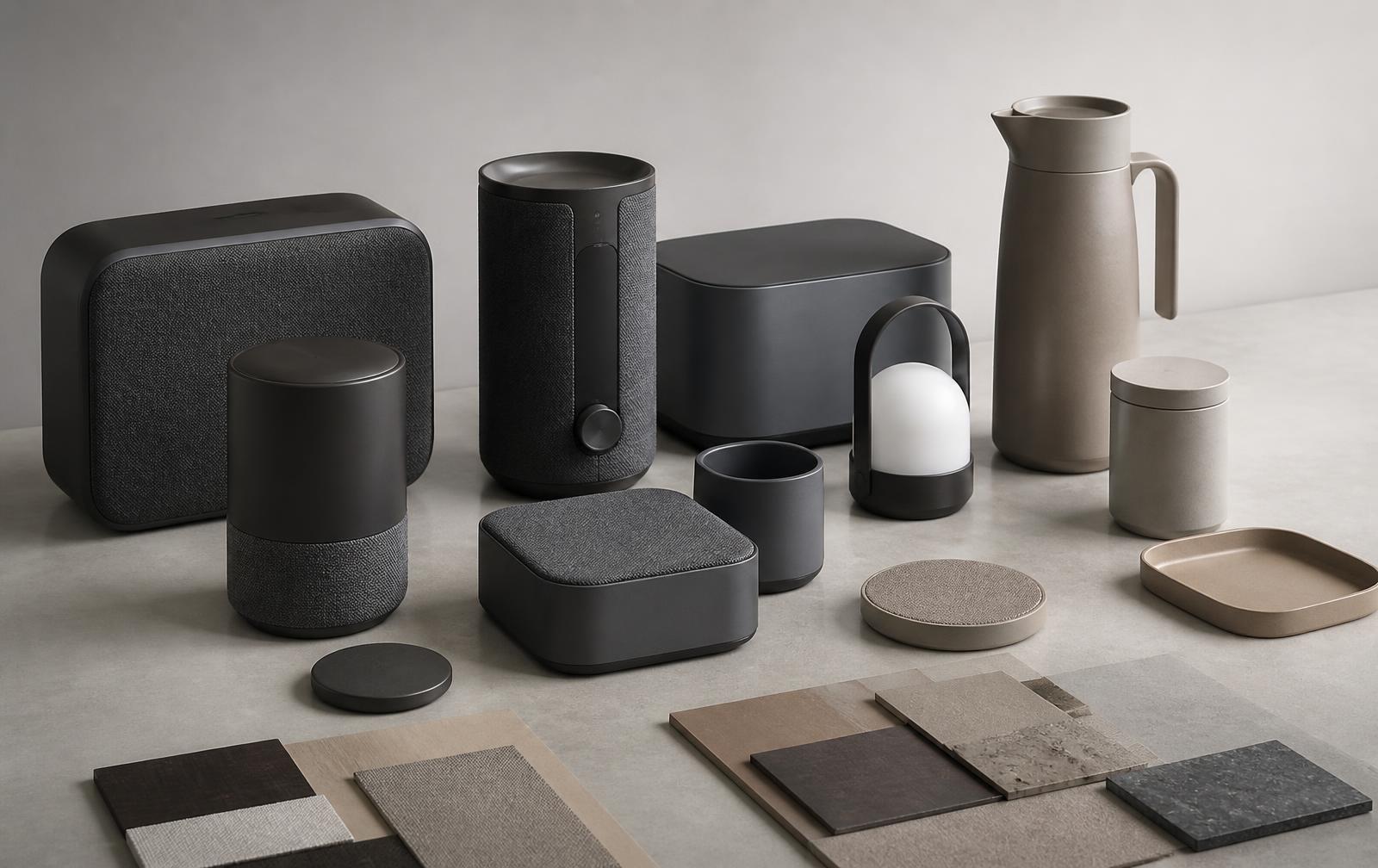
Product design must stay the same to build a strong brand. A clear design style links all items together. This helps your customers know and trust your brand easily.
- Color Schemes and Materials: Using a signature color or material across all products helps create a visual identity. For instance, Tiffany & Co.’s iconic “Tiffany Blue” color is instantly associated with luxury and elegance.
- Design Language: Elements like shape, form, and texture, when used consistently across products, reinforce brand identity. Tesla, for example, uses sleek lines, minimalist interiors, and a distinct shape in all their vehicles, which contributes to its futuristic, high-performance brand image.
- Packaging and Branding Elements: Consistent branding across packaging and product accessories, such as logos and fonts, helps strengthen brand recall. Brands like Chanel have made their packaging so recognizable that it’s become a symbol of luxury in itself.
Example: Apple uses clean lines and metal cases for a smooth look. This style covers iPhones and MacBooks alike. It proves the brand is high-end and simple to use.
5. Product Design as a Storytelling Tool
Each product tells a story about what your brand values. A clear story helps you bond with your buyers. This makes your products stay in their minds for longer.
- Communicating Brand History: Elements of design can reflect the brand’s origins, legacy, or mission. Heritage brands often incorporate vintage or traditional design elements to honor their history.
- Telling the Product’s Journey: A well-designed product can communicate the thought and craftsmanship behind it. Brands can use design to highlight the quality of materials or the skill involved in production.
- Showcasing Innovation: Product design can tell a story of progress and technological advancement, especially when it incorporates innovative materials or futuristic aesthetics.
Example: Patagonia cares about the earth and shows it through design. They use recycled parts to show their mission. This draws in buyers who care about nature.
6. Reinforcing Brand Loyalty and Advocacy
Design that fits your brand builds trust and brings in fans. A good product keeps the brand's promise. Happy users will then tell others to buy from you.
- Positive Brand Experiences: Products that are intuitive, reliable, and visually appealing reinforce a positive brand experience, leading to stronger customer satisfaction.
- Consistent Value Proposition: A brand that consistently delivers quality and innovation through its products builds a loyal customer base. This consistency assures customers that the brand will meet their needs time and again.
- Creating Brand Advocates: Customers who love a product’s design often share it with others, becoming brand advocates. Social media has amplified this effect, as visually appealing products are more likely to be shared, boosting brand awareness.
Example: YETI makes tough coolers for people who love the woods. Their gear is strong and works well. This makes fans stay loyal and suggest the brand to friends.
Product Design Examples
Conclusion
Product design plays a vital role in shaping your brand identity. It reflects your values and helps you stand out in a busy market. Design builds emotional bonds and keeps your look consistent. Great product design is key to a strong brand identity.
Brands that focus on design can make a lasting impact on customers. You improve your products by investing in smart and new designs. This also strengthens your brand in the minds of your buyers. Good design helps people connect with your company.
Today, buyers have many choices. Brands that offer well-designed products stand out and build loyalty. Product design tells customers who you are and what you stand for. It shows why people should choose your business over others.
Subscribe
Dive deep into the dynamic world of new product development with LA NPDT Insights Blog.
Ways Product Design Shapes Brand Identity
Aspect of Brand Identity | How Product Design Contributes | Examples from Content |
|---|---|---|
Reflection of Values | Communicates personality and abstract ideas tangibly | Apple's minimalist design reflects innovation, simplicity, quality |
Differentiation | Helps products stand out in crowded markets | Dyson's unique shapes, vibrant colors, innovative features |
Emotional Connections | Evokes emotions and creates meaningful consumer bonds | Nike's customizable shoes for personal ownership, loyalty |
Brand Recognition | Creates cohesive, memorable, and trustworthy brand experiences | Apple's consistent clean lines, aluminum casings, minimalist interfaces |
Storytelling | Conveys brand narrative, history, or mission | Product design reflecting brand origins, legacy, or mission |
Frequently asked questions
How does product design help a brand communicate its values?
Product design turns brand ideas into real experiences. Brands that value the earth use green materials and methods. For brands focused on new ideas, design shows off new tech. Brands that prize quality use materials that last. This consistency builds trust and loyalty with your users.
How can product design differentiate a brand in a competitive market?
Product design helps a brand stand out with unique parts. Bold shapes, colors, or textures can become famous. Functional design makes products easy and fun to use. Adding special features creates a strong link between the item and your firm. These steps help your brand stay unique.
In what ways does product design build emotional connections with customers?
Product design builds emotional ties through a great look. Good design makes a strong first impression. Easy tools show you care about what customers need. Personal choices or inclusive designs make people feel special. These choices build loyalty and help users like your brand more.
Why is consistency in product design important for brand recognition?
Steady product design builds a strong and clear brand. When items share a look, they create a single brand experience. Use the same colors, materials, or shapes to boost your brand identity. Matching styles on packaging also helps people remember and trust your brand.
How does product design function as a storytelling tool for brands?
Product design tells a story about your brand and its values. Products with a clear tale help brands bond with buyers. Design choices can show your history or mission to make items stand out. This story helps users know and trust the brand at a deeper level.
Sources and standards
- Industrial Designers Society of America — Professional body for industrial design practice in the US.
- Nielsen Norman Group usability research — Evidence-based usability findings applied to product interaction.
- USPTO — patent basics — Official guidance on provisional and non-provisional filings for new products.
The design decisions that carry brand meaning
Design element | What customers read from it | Cost to change later |
|---|---|---|
Silhouette and proportion | Category, price tier, seriousness | Very high - tooling rework |
Material and finish | Quality, durability, sustainability stance | High - supplier requalification |
Colour system | Personality, product family relationships | Moderate - masterbatch and paint |
Interaction feel (clicks, damping, haptics) | Precision and care | High - mechanism redesign |
Sound signature | Perceived power or refinement | Moderate to high |
Packaging and unboxing | Gift value, first impression | Low to moderate |
Repair and service touchpoints | Honesty and long-term intent | Moderate |
Brand identity is not just a logo on a shell. It is the look a buyer knows after seeing three items without names. That style lives in size, curves, joints, and materials. It shows in how controls feel. You make these picks long before sales starts. You must set these rules during design, not after.
Building a product design language you can actually enforce
- Write the rules as constraints, not adjectives. “Corner radii from a 3-value set: 2, 6, 14 mm” is enforceable; “friendly and modern” is not.
- Fix a material and finish palette. Name the exact textures, gloss levels and colour references approved for the family, and require sign-off to add one.
- Standardise the interface grammar. Same direction of travel for on, same feedback for confirm, same iconography across products.
- Control part lines and fastener visibility. Where seams fall is one of the strongest quality signals a moulded product sends.
- Keep a physical reference shelf. Golden samples beat rendered style guides when a new supplier is interpreting your intent.
- Audit every new program against the language before tooling release, when changes still cost days rather than months.
Measuring whether design is doing brand work
Metric | What it tells you | Where the data comes from |
|---|---|---|
Unaided recognition in shelf tests | Whether the design language reads without branding | Consumer panel, 30-60 respondents |
Price premium held versus nearest competitor | Whether design is monetised, not just liked | Retail and marketplace pricing |
Return rate for reason: not as expected | Gap between brand promise and physical product | RMA reason codes |
Repeat purchase across the family | Whether family cues drive cross-sell | CRM cohort data |
Unboxing and product-shot share rate | Whether the object photographs as designed | Social and review imagery |
Track two or three of these traits from your first launch. Do not wait years for a brand study. Teams with a clear look rarely have the thickest rule books. They check every part against a short list of rules before tooling. They say no to changes that would ruin the brand style.
Work with LA NPDT: if you are moving from here to execution, start with our product design services or talk to us about industrial design and development.
Filed under:EducationUncategorized
Tagged:2024
Services related to this guide
- Free trademark searchScreen a product name against the live USPTO register in seconds.
- Idea evaluationAn honest read on whether an idea is worth building.
- Product design servicesIndustrial design and CAD taken all the way to manufacturable files.
- Product development examplesReal projects we designed, prototyped and shipped.