
Monthly Archives
You are currently viewing all posts published on January 2026

Designing for Manufacturability (DFM): Turning Concepts Into Production-Ready Products
Design for Manufacturability applies broadly to any product produced in large quantities. Items must be designed to align with high volume production methods, ensuring that design decisions do not cause low yield, defects, excessive cost, or reduced product lifespan.

Human Factors Engineering: How Cognitive Load Shapes Product Usability
Human Factors Engineering (HFE) – often referred to as ergonomics – examines how people engage with technology and, more importantly, how mental workload influences those interactions. Designers who grasp the concept of cognitive load craft products that feel natural, efficient, and empowering. Those who overlook it unintentionally force users to exert unnecessary mental effort.
The Hidden Cost of Poor Requirements: How to Build a Solid Product Brief
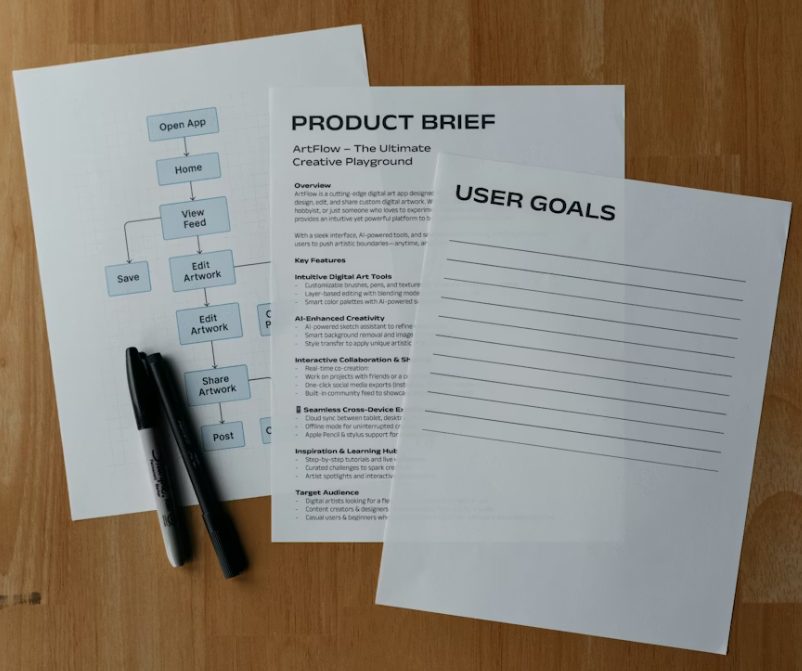
A flawless Product Brief doesn’t exist. Nevertheless, every organization structures and defines briefs differently, emphasizing unique priorities. Even so, a well developed Product Brief remains one of the most powerful tools in product development. In fact, it provides a clear view into the client’s or creator’s thinking and sets the foundation for aligned decision making.

End of Life Strategy – Designing for Recycling and Reuse
In a fully circular economy, production would rely exclusively on recycled materials rather than primary resources. To move toward this vision, products must be easy to dismantle, and their components must be fully recyclable. Consequently, this shift requires a fundamental redesign of products, integrating end of life considerations from the earliest stages of development. In response to this need, various initiatives have created Design for Recycling guidelines, particularly for polymers and plastic applications.


