
Inventor success stories
Inventor Success Stories
6 first-hand accounts from inventors who took a product from a sketch or a shop-built prototype to something people can buy.
Inventor success stories
6 first-hand accounts from inventors who took a product from a sketch or a shop-built prototype to something people can buy.
Each story follows one inventor: what they started with, what we built together, and where the product ended up — including the budgets, setbacks and decisions along the way, told in their own words wherever possible. Some ended in licensing deals, some in products you can buy today, and all of them started with a first conversation.
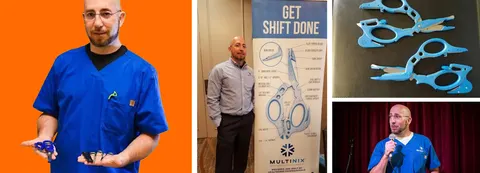
Medical product licensing success
MultiNix nurse multitool
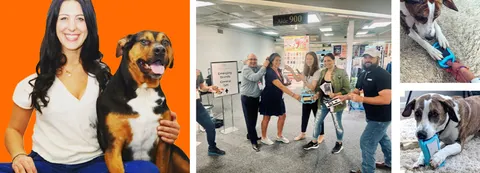
From helping her dog to an award-winning pet product
Scratch Square
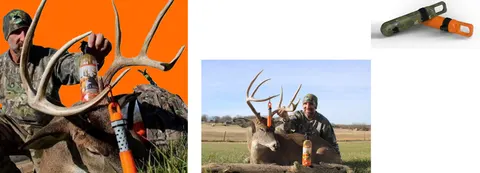
From idea to market in just four months
Droptine scent dispenser
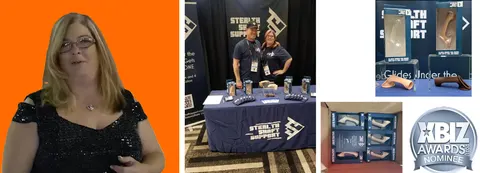
From a store clerk to a woman of the year
The Stealth Shaft Support
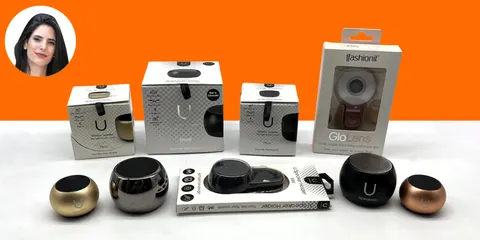
From phone accessories to a worldwide consumer electronics brand
Fashionit U Speakers
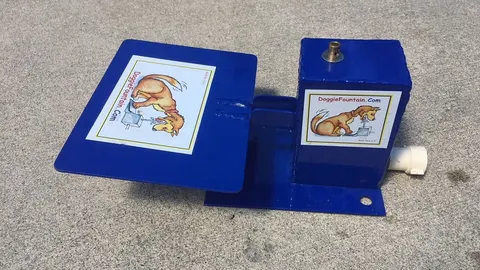
A shop-built fix for a thirsty dog became a product on the shelf
The Original Doggie Fountain
First-hand accounts of how individual inventors took a product from idea to market.
These pages follow real people rather than processes: what they started with, where the idea stalled, what it cost, and what they would do differently. Some ended in licensing deals, some in self-manufactured products sold direct, and some in a decision to stop — which is a legitimate outcome and usually the cheapest one available at the right moment.
They are collected here because the mechanics of invention are easy to find and the lived experience is not. If you are early in your own project, the useful part is usually the sequencing: which decisions had to come first, and which ones turned out not to matter as much as expected.
A note on how these stories are gathered: each one is written with the inventor's cooperation and reviewed by them before publication, and each links to the engineering case study where one exists. Names, products and outcomes are real, and where a product is still on the market we link to it so you can see what became of the work. New stories are added as long-running client projects reach a point where there is something honest to report.
Reading a few of these back to back, patterns emerge that no single story shows on its own. The inventors who moved fastest were rarely the ones with the most polished idea — they were the ones who tested the riskiest assumption first, whether that was a mechanism, a price point or a retailer's interest. And nearly everyone underestimated one of two things: how long certification and tooling actually take, or how much a single well-chosen prototype can settle arguments that months of discussion could not.
If you are weighing whether your own idea belongs on this page one day, the practical next step is not a pitch deck — it is a scoped conversation about feasibility, cost and the order in which to spend your first dollars. That is what the team does in an initial review, and it is free. Several of the inventors featured here started exactly that way, with a single call and a rough sketch.
The full archive, newest first.
What we do for the products we write about.