
Careers & internships
Product Development Jobs & Engineering Internships
Ruston, Louisiana
Engineers, designers, prototypers and business people who want to build real products — plus hands-on internships at our Ruston facility. We accept applications year-round.
What we hire for
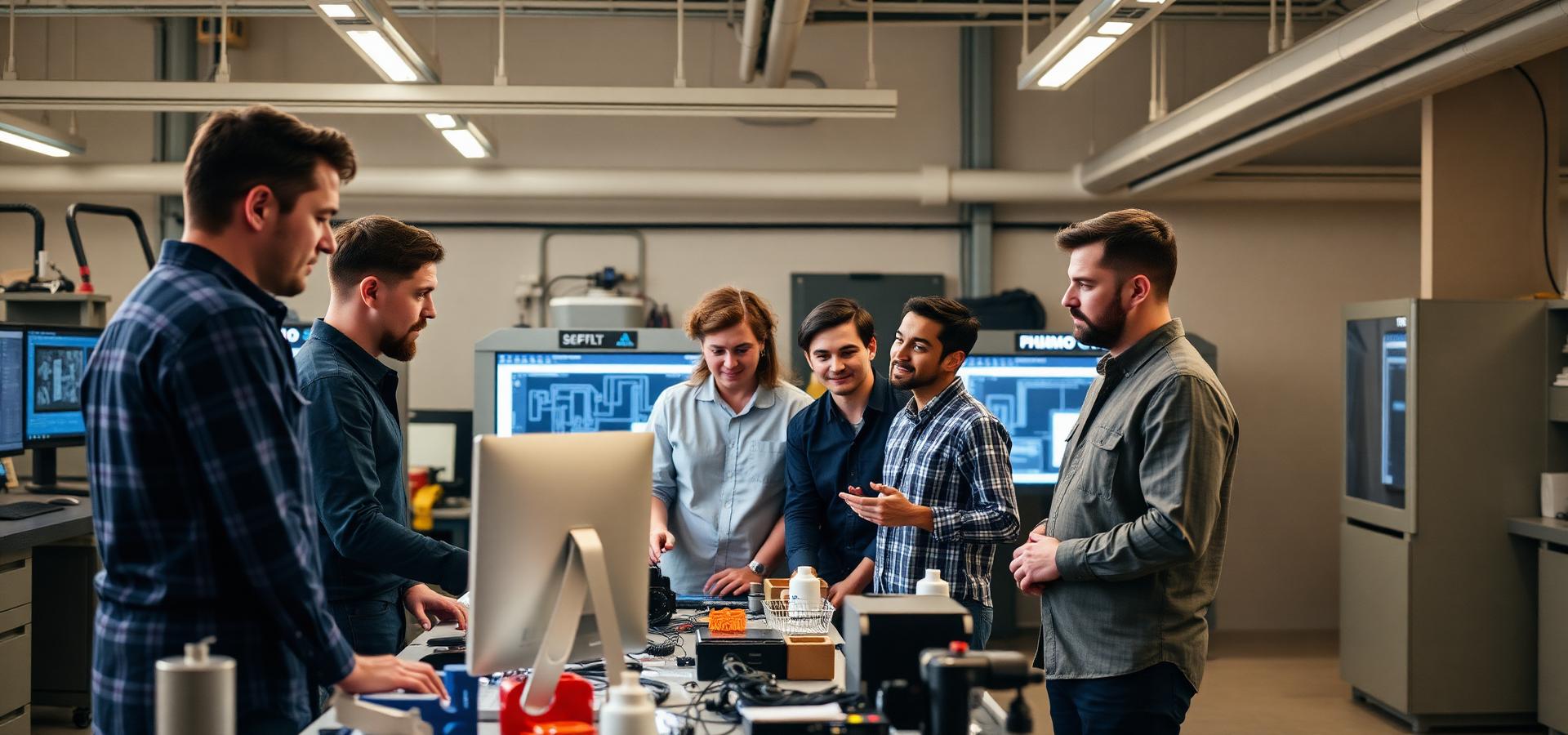
LA New Product Development Team hires mechanical, electrical, firmware, software and microelectronics engineers; industrial, mechanical and graphic designers; prototyping and fabrication technicians; and business development, sales and project management staff — plus engineering, design and business interns — at our product development facility in Ruston, Louisiana. Applications stay open year-round and we open named roles as projects land.
- Location
- Ruston, Louisiana — one product development facility, shop and lab included
- Work setting
- On-site for engineering, design and prototyping; partly remote possible for software and business roles
- Openings
- Full-time roles, internships and co-ops; applications reviewed year-round
- We hire from
- Louisiana Tech, Grambling State, north Louisiana programs and out-of-state applicants who can relocate
Why work here
What makes this different from a big engineering department
A product here goes from a sketch to a working prototype in weeks, with the same small team carrying it. That means more scope, faster feedback and far less waiting for someone else's hand-off.
The whole lifecycle under one roof
Research, industrial design, mechanical and electrical engineering, firmware, prototyping and design for manufacturing happen in the same building. You see what your decision costs three steps later.
Real hardware, real clients
Our work ships: consumer products, outdoor gear, medical and industrial devices, some of it on retail shelves and on national TV. Nothing here is a training exercise.
A small team with direct contact
You talk to the inventor or the manufacturing engineer who owns the product, not to a project layer that relays it. That is unusual this early in a career.
A shop, a lab and a bench of your own
Printers, CNC, electronics bench and test equipment are steps from the desk, so an idea at 10am can be a part in your hand by the afternoon.
Roles
Disciplines we hire for
We do not run a long list of dated openings. Tell us which discipline fits you and what you want to build; strong applications get reviewed whether or not a named role is posted that week.
Engineering
You own a subsystem from requirements through a tested prototype, and you sit close enough to the shop to hold the part you designed the same week.
- Mechanical engineer
- Electrical engineer
- Firmware / embedded engineer
- Software engineer
- Microelectronics engineer
SolidWorks, Altium or KiCad, C/C++, Python, bench test and DFM work
Apply for engineering rolesDesign
You shape how a product looks, feels and reads — from first sketches and CMF through production-ready CAD and the brand assets that sell it.
- Industrial designer
- Mechanical / CAD designer
- Graphic designer
SolidWorks, Fusion 360, KeyShot, Adobe Creative Suite, Figma
Apply for design rolesPrototyping & fabrication
You turn files into hardware in our Ruston shop: printed and machined parts, wiring, assembly, fixtures and the bench tests that prove a build works.
- Prototype technician
- 3D printing and additive specialist
- Machinist / fabricator
- Assembly and test technician
FDM and resin printing, CNC, soldering and rework, functional test rigs
Apply for prototyping & fabrication rolesBusiness & administrative
You keep projects and clients moving: scoping the work, keeping schedules honest and making sure inventors and manufacturers know what happens next.
- Business development
- Sales
- Project manager
- Marketing and content
CRM, proposals and scoping, schedule and budget tracking, client communication
Apply for business & administrative rolesInternships & co-ops
Semester, summer and co-op placements at our Ruston facility for engineering, design and prototyping students who want to touch real client hardware, not shadow someone who does.
- Mechanical engineering intern
- Electrical / firmware intern
- Industrial and graphic design intern
- Prototyping and shop intern
- Marketing and business intern
Paired with a senior engineer or designer on live projects from week one
Apply for internships & co-ops rolesInternships
Internships and co-ops in Ruston, Louisiana
Our internships are for engineering, design and business students, recent graduates and career changers who want hands-on product development experience — CAD, electronics, firmware, 3D printing, machining and client work — instead of a semester of observation.
What an intern week actually looks like
- 1Sit with a project team and take a real deliverable — a bracket, a test fixture, a schematic block, a render set, a landing page.
- 2Model, print, wire or code it, then bring it to the bench and find out where it fails.
- 3Iterate with a senior engineer or designer reviewing your work the same day, not two weeks later.
- 4Join the client update where your part gets presented, so you learn how technical work gets explained to the person paying for it.
Who it is for
- Mechanical, electrical, computer and industrial engineering students, including Louisiana Tech and regional programs.
- Industrial, product and graphic design students building a first portfolio.
- Business, marketing and communications students who want to work next to the engineering, not in a separate office.
- Recent graduates and career changers with something they have built to show.
Summer, fall and spring placements, plus co-op terms. Availability and school credit requirements go in the application form below.
Apply for an internshipIn their words
Interns and team members on working here
Short interviews with people who have worked in our Ruston facility — what they worked on, what surprised them and what they took with them.
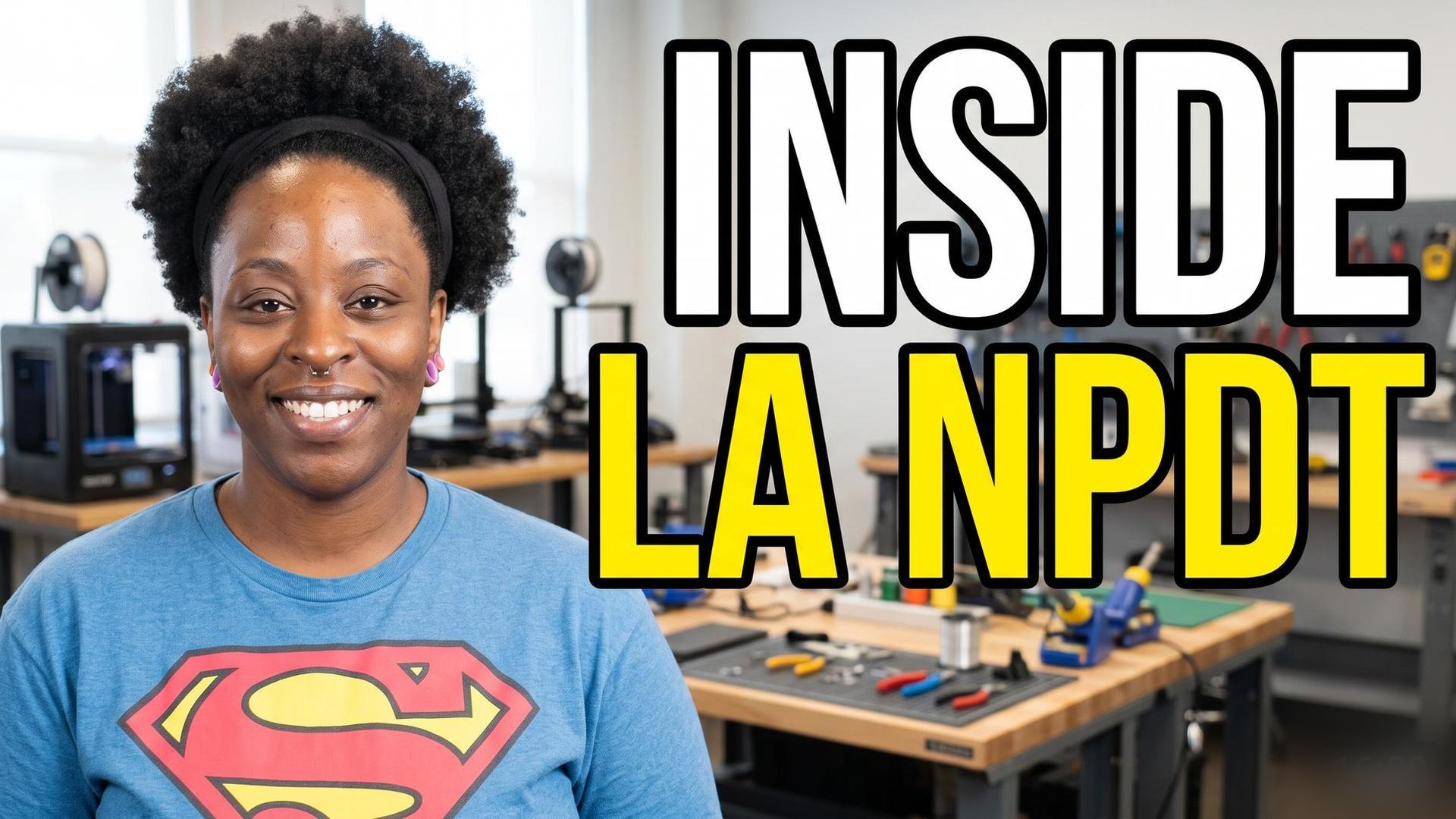
Inside LA NPDT: What It's Really Like Working in Product Development
3:59
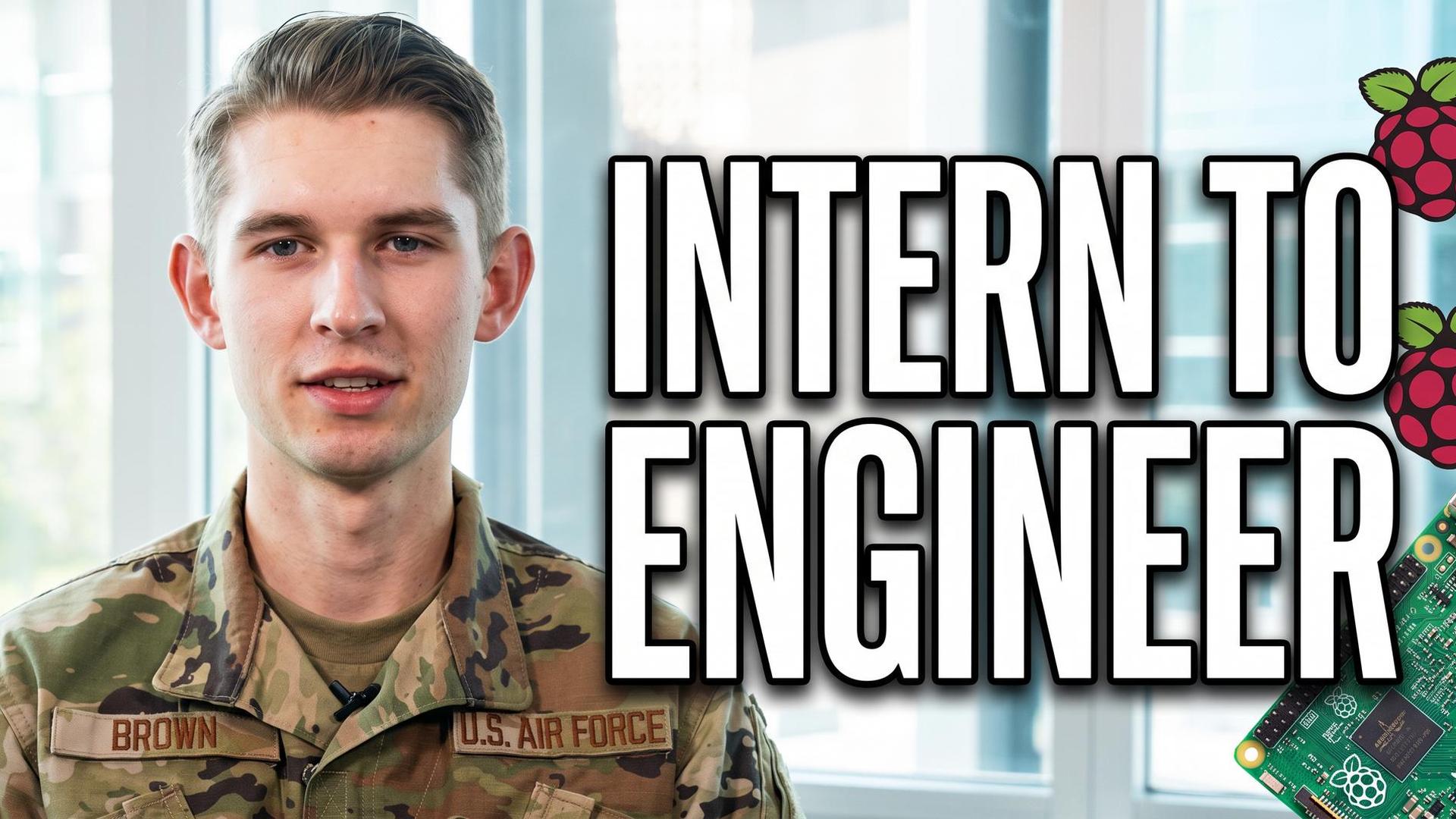
Inside LA NPDT: How an Intern Designed UI & Circuitry for a Smart Bottle Warmer
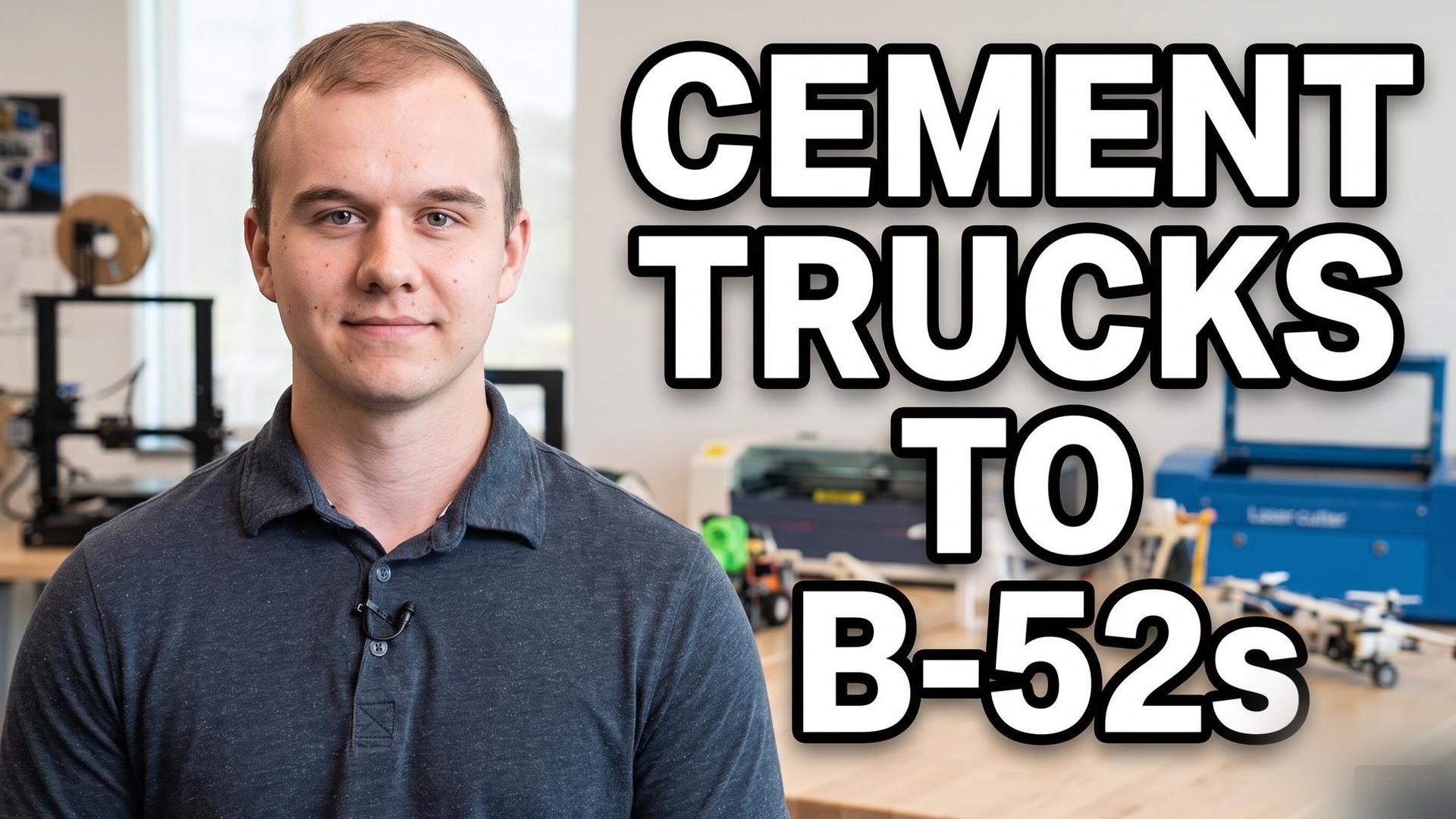
How a Student Intern Builds Real Products at LA NPDT: From Cement Trucks to B-52s
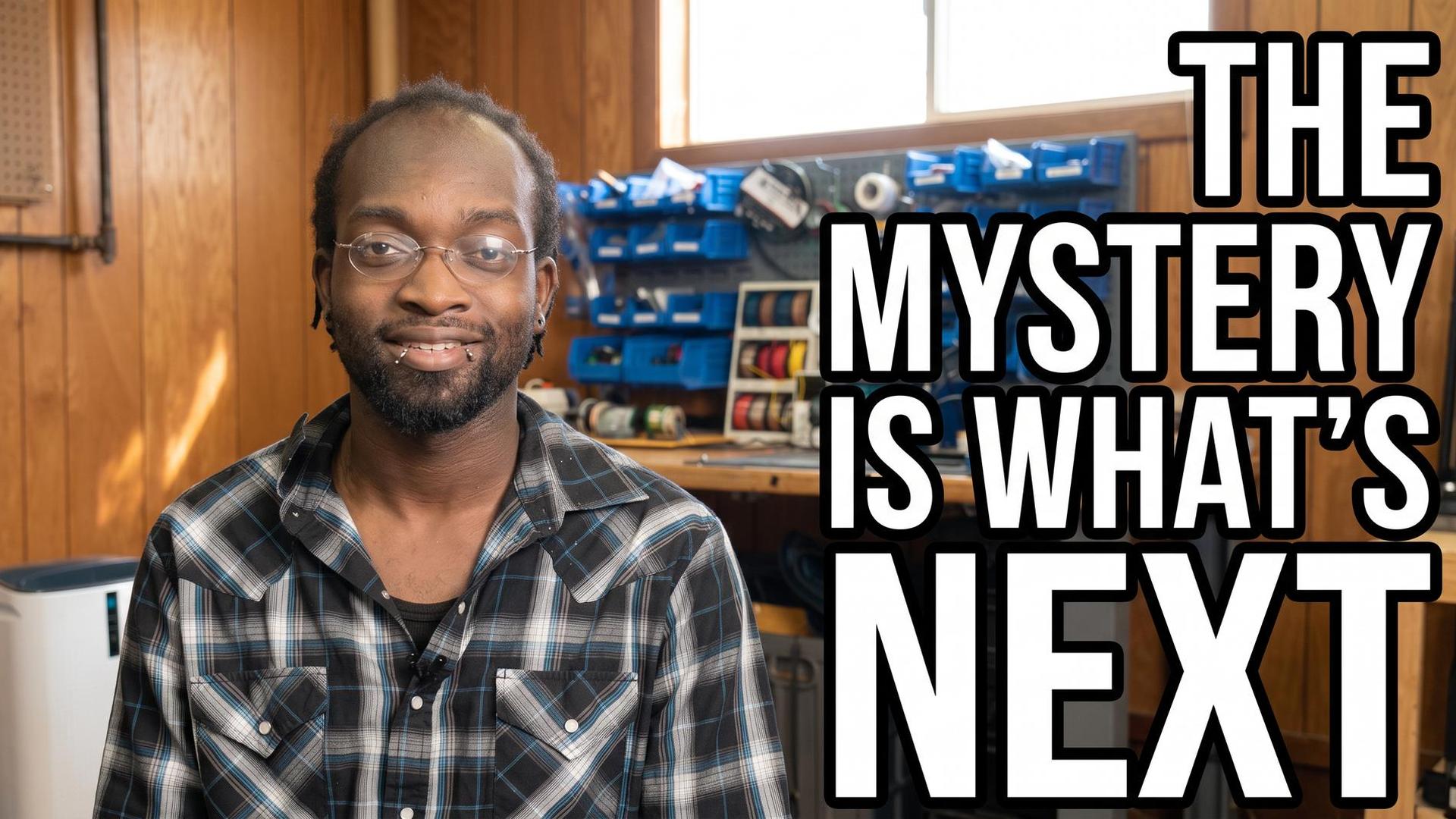
The Mystery of What's Next: Life in a Rapid Prototyping Lab at LA NPDT

Mary Storms Talks about Her Internship Experience at LA NPDT (Content for Business, SEO, Marketing)
2:29
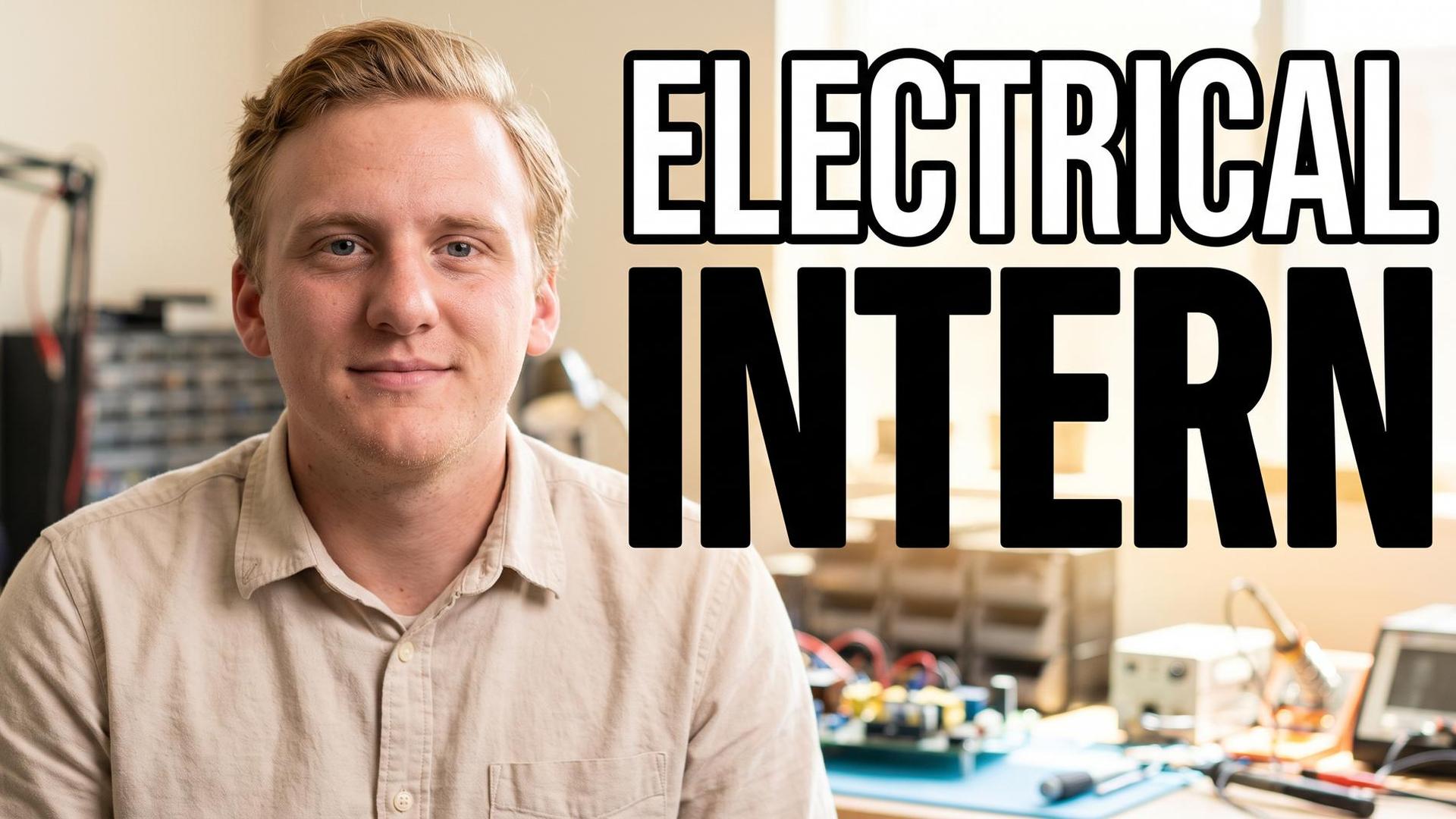
Drew Weekley - Electrical Engineering Intern 2018
3:01
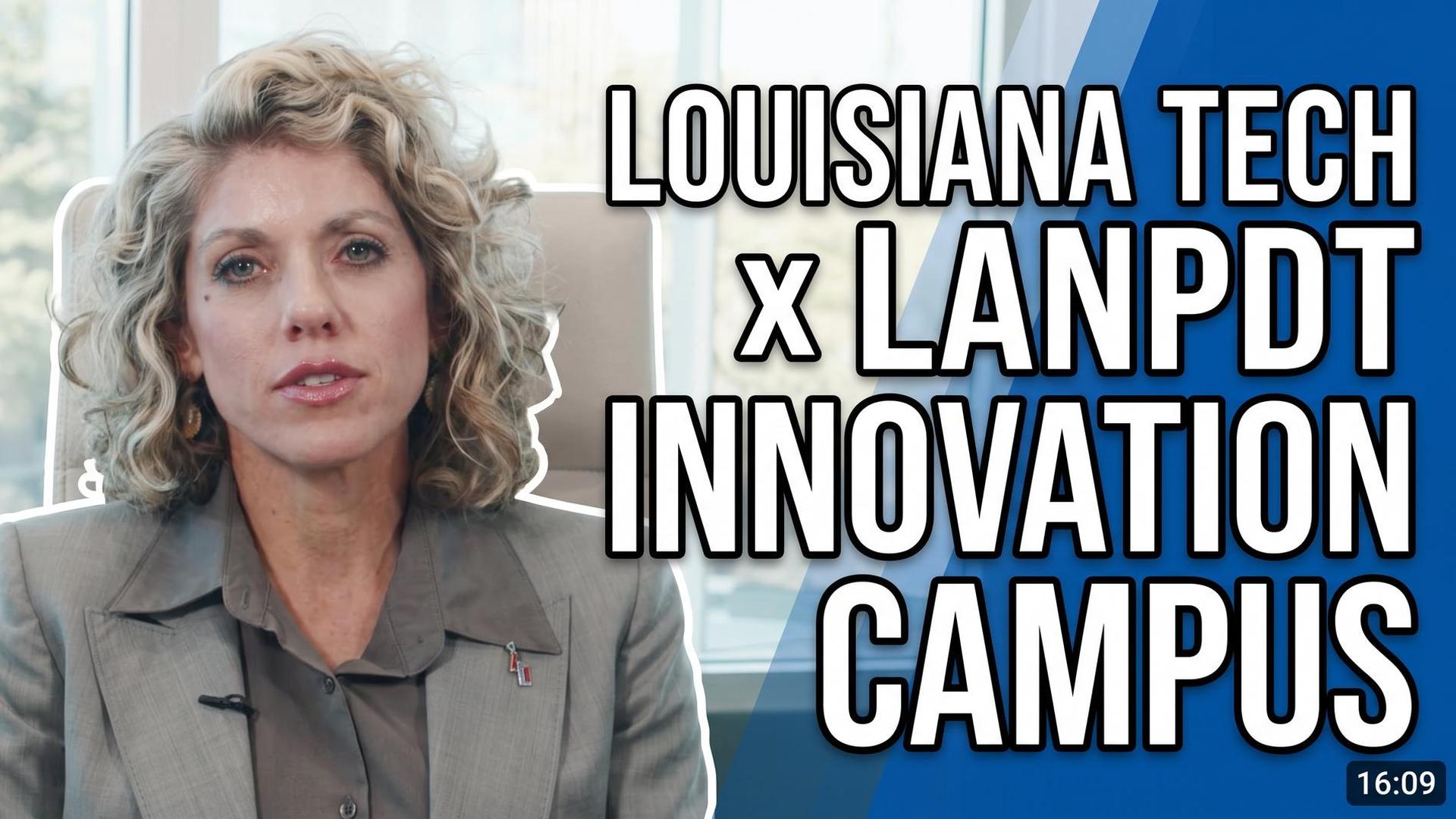
Louisiana Tech & LA NPDT: Building the Future on the Enterprise Campus
More intern and employee interviews are being added. Browse the full video library.
Process
How hiring works
Four steps, and you will know where you stand at each one.
Send your application
Resume plus anything that shows what you have made — CAD, PCBs, code, renders, class projects, side builds. Tell us which discipline you are aiming at.
Portfolio and resume review
The lead for that discipline reads it. We care more about evidence of finished work than about a specific degree or GPA.
A conversation with the team
A call or in-person talk about how you approach problems, what you have shipped and what you want to be better at in a year.
Shop visit or short trial project
For most roles and every internship, you spend time in the Ruston facility on a small real task so both sides know the fit before anyone commits.
What we look for
Range, evidence and clear communication
- Range over titles. Our projects move from sketch to CAD to a working prototype in weeks, so we hire people comfortable outside a single narrow lane.
- Evidence of making things. Shipped products, student projects, side builds — we would rather see the work than read about it.
- Client-ready communication. Most of our work is done directly with the founder or engineer who owns the product.
Apply
Send us your resume
Attach your resume and a few work samples, employee or intern. We read every application — usually within a week.
Straight answers
Getting into product development
The questions we get most from students, career changers and engineers looking at this field — answered plainly.
What is a product development job?
A product development job means taking a product from an idea to something that can be manufactured and sold: research and requirements, industrial design, mechanical and electrical engineering, firmware, prototyping, testing and design for manufacturing. At LA NPDT all of those steps happen in one building, so the job is broader than a single-function role at a large manufacturer.
How do you get into product development?
Through evidence, not credentials. Finish two or three projects end to end, document what you decided and why, and apply to a firm small enough that you own real deliverables — an internship or technician role at a development shop teaches the whole lifecycle faster than a narrow seat in a large engineering department.
What do engineering interns actually do here?
Interns take a real deliverable on a live client project in week one — a bracket, a test fixture, a schematic block, a render set — model or build it, take it to the bench, and iterate with a senior engineer reviewing the same day. Work gets presented in client updates, so interns leave with shipped hardware in their portfolio.
Where are the jobs and internships located?
At our product development facility in Ruston, Louisiana. Hardware roles — engineering, design, prototyping and fabrication — are on-site; some software, marketing and business roles can be partly remote. We regularly hire from Louisiana Tech and other north Louisiana programs, and from outside the region for people able to relocate.
FAQ
Jobs and internships at LA NPDT
Does LA NPDT hire interns?
Yes. We take engineering, design, prototyping, marketing and business interns year-round at our Ruston, Louisiana facility, with the heaviest intake for summer and fall semesters. Interns work on live client projects with a senior engineer or designer reviewing the work.
Are the internships paid?
Internship terms depend on the role, the semester and whether the placement is tied to school credit or a co-op program. Apply and tell us your situation — school, credit requirements and availability — and we will tell you exactly what the placement looks like.
What roles do you hire for?
Mechanical, electrical, firmware, software and microelectronics engineers; industrial, mechanical and graphic designers; prototyping and fabrication technicians; and business development, sales, project management and marketing roles.
Do you have remote positions?
Most of our work is hardware, so engineering, design and prototyping roles are on-site in Ruston, Louisiana. Some software, marketing and business roles can be partly remote. Say what you need in your application.
What software and equipment will I use?
SolidWorks and Fusion 360 for CAD, KeyShot for rendering, Altium or KiCad for electronics, C/C++ and Python for firmware and tooling, Adobe Creative Suite and Figma for design, plus FDM and resin printers, CNC equipment and a full electronics and test bench.
What should I include in my portfolio?
Three to five projects you personally drove, each with the problem, what you decided and why, and a photo or screenshot of the result. A rough student project you actually built beats a polished render of something that was never made.
Do I need a product development degree to apply?
No. We hire from mechanical, electrical, computer and industrial engineering, industrial and graphic design, and business programs, and we have hired people with no degree who could clearly show the work.
How do I apply if you have no open position listed?
Apply anyway. We keep an active pool and open roles as projects land, so applications from strong engineers, designers and prototypers get reviewed whether or not a named opening exists that week.
How do I get a job in product development with no experience?
Build and finish something, then show it. The fastest route into product development is a small portfolio of things you personally took from idea to physical result — a printed mechanism, a working PCB, a piece of firmware, a rendered concept with the reasoning behind it. Then apply for an internship or technician role, where you learn the rest of the lifecycle on live projects instead of waiting for a title.
How much do mechanical engineering internships pay?
Pay for engineering internships varies widely by company, region and whether the placement is for school credit or a co-op. We set internship terms per role and semester and tell you exactly what a placement looks like once we have your application, school and availability — we do not post a blanket rate we would have to caveat.
Do you hire Louisiana Tech students?
Yes. We are in Ruston, minutes from Louisiana Tech, and a large share of our interns and junior engineers have come from Louisiana Tech, Grambling State and other north Louisiana programs in Monroe, Shreveport and beyond. Students from outside the region apply too and are welcome as long as they can be on-site in Ruston for the placement.
When should I apply for a summer engineering internship?
Apply in the fall or early spring for a summer placement, and roughly a semester ahead for fall or spring terms. Applications stay open all year, so a late application still gets read — it just competes for whatever slots are left.
Where to go next
- End-to-end product developmentConcept design, engineering, prototyping and short-run manufacturing under one roof.
- Partners and friendsThe manufacturers, labs and specialists we bring onto projects.
- Tech TalkConversations with our engineers about how the work gets done.
- Product development examplesReal projects we designed, prototyped and shipped.