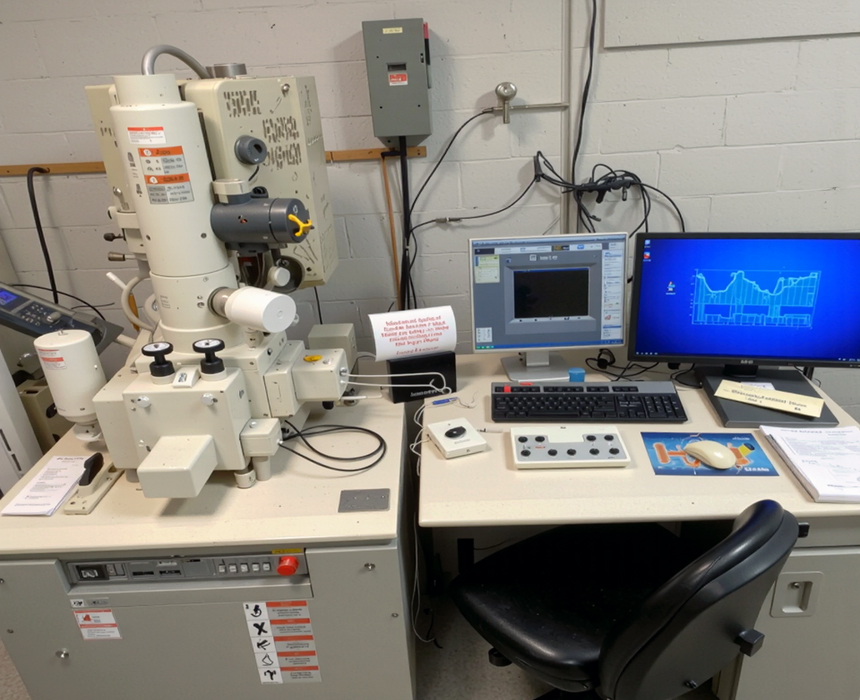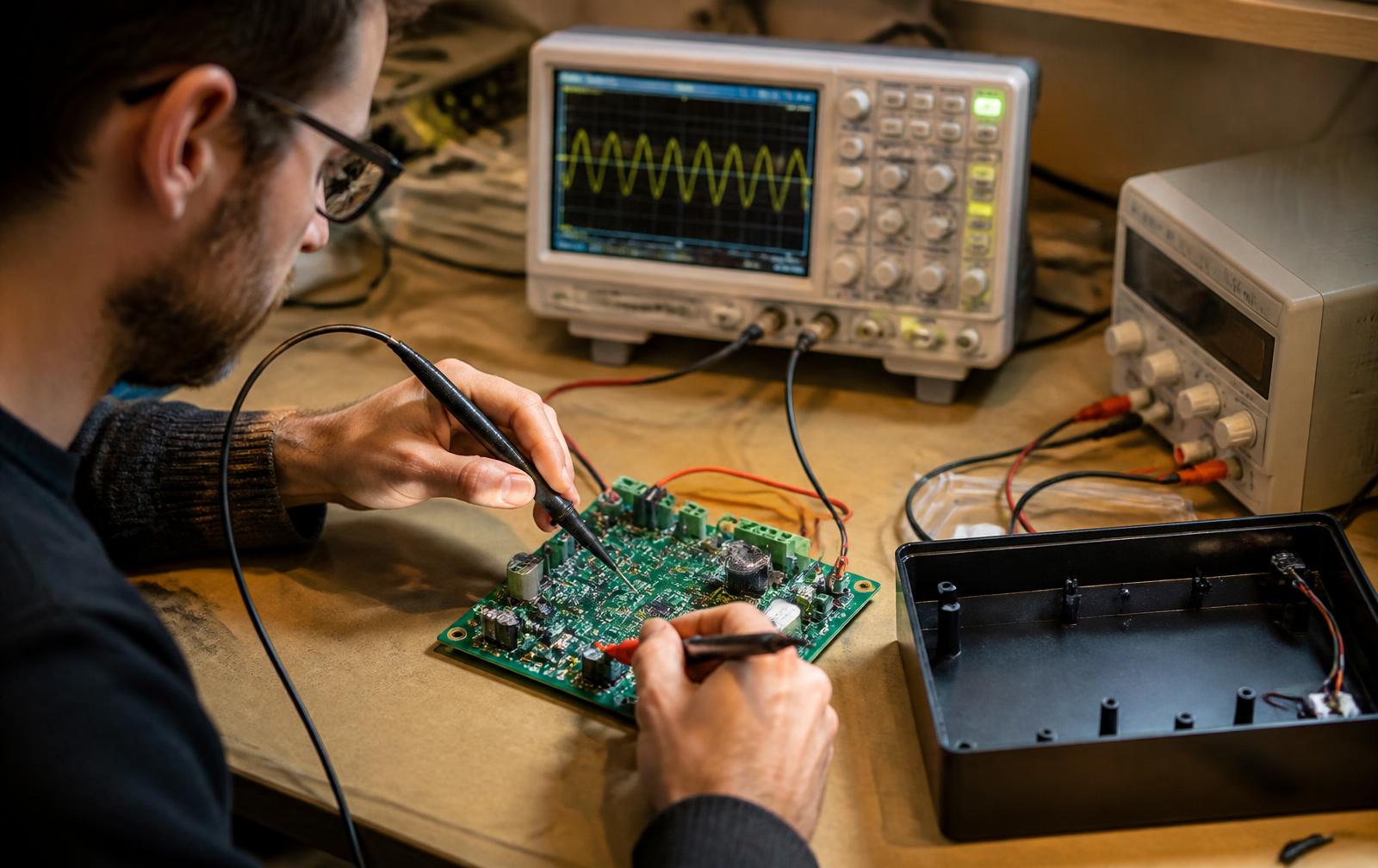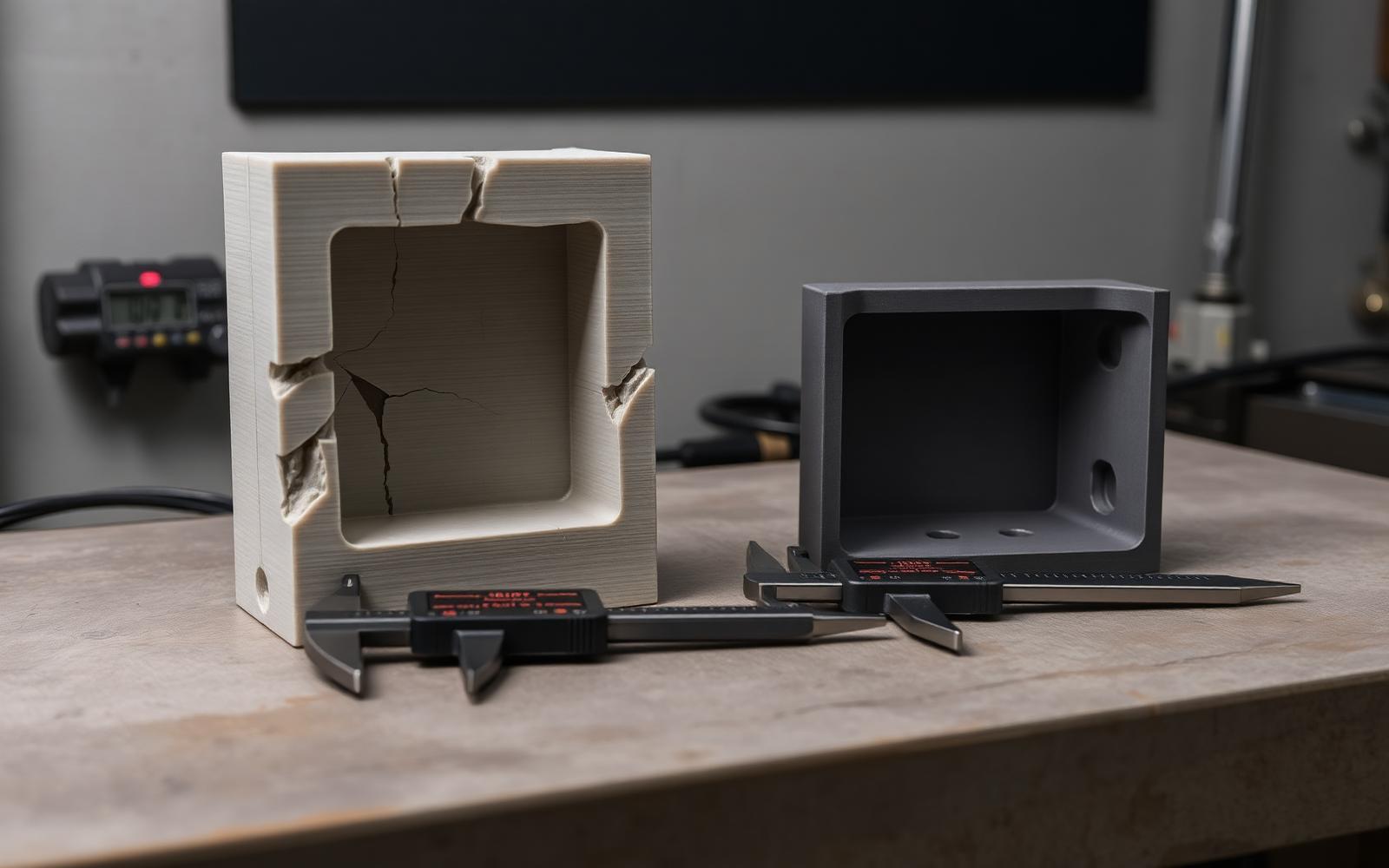
SBIR product development and prototyping support from pre-award to commercialization
What does a product development team contribute to an SBIR or sttr application?
Concept sketches, feasibility work, proof-of-concept prototypes and manufacturing engineering for SBIR, STTR, NSF, NIH, DOE, NASA and ARPA programs — across Phase 0 pre-award support, Phase I, Phase II and Phase III commercialization.
Written by Konstantin Dolgan, Ph.D., NPDP
Founder & CEO, Product Development Engineer
Published August 22, 2026
SBIR and STTR product development across Phase 0 concept work, Phase I proof of concept, Phase II prototypes and Phase III commercialization. An engineering partner supplies the technical evidence reviewers score at every phase: concept sketches and renderings that show the approach, a feasibility read on what has to work, a work plan with realistic milestones, and cost and schedule estimates that match the solicitation.
An engineering partner supplies the technical evidence reviewers score at every phase: concept sketches and renderings that show the approach, a feasibility read on what has to work, a work plan with realistic milestones, and cost and schedule estimates that match the solicitation. You keep the narrative; we make the technical claims believable.
Reviewers are not scoring your enthusiasm. They are scoring whether the idea is feasible, whether the team can build it, and whether the budget and timeline are honest. Those three judgements are exactly where an engineering partner moves the score — from the first concept package through the final commercialization prototype.
- 0 – III
- Support across every SBIR phase, from pre-award to scale
- 3 – 6 wks
- Typical turnaround for a pre-award concept package
- $5,000+
- Starting budget for concept sketches, feasibility notes and estimates
- 6 agencies
- DoD, NIH, NSF, DOE, NASA and USDA programs supported

Certified B Corp
Independently verified standards of social and environmental performance.

FDA-registered facility
Registered for device work, with the process discipline that comes with it.
- years developing physical products
- 10+years developing physical products
- projects taken from idea to build
- 1,000+projects taken from idea to build
- design, prototyping and short-run production
- In-housedesign, prototyping and short-run production
SBIR and grant support for every phase
Most teams think of SBIR as Phase I and Phase II. We also help before the solicitation opens and after the award money runs out, so the same engineering context carries from the first sketch to the first production run.
- Phase 0 / Pre-award
Concept sketches, feasibility notes, rendered visuals, technical approach illustrations, milestone maps and budget estimates that make the application credible before any solicitation number is assigned.
- Phase I
Proof-of-concept prototype, focused test rigs and the technical evidence that proves the core claim inside the period of performance.
- Phase II
Full prototype development, design verification, test data package and the manufacturing cost model that supports the next proposal or follow-on funding.
- Phase Iii / Commercialization
Design for manufacturing, pilot builds, supplier transition and scale-up engineering so the funded device becomes a commercial product.
Two starting points, one team
- You are still applying
You need concept visuals, a feasibility assessment and a defensible work plan before the deadline. That is the Phase 0 concept package below — scoped to a small-business budget and delivered in three to six weeks.
- You are already awarded
The money is in place and the clock is running on the period of performance. That is Phase I, II or III prototype work: engineering, fabrication, test data and a path to commercialization.
What we deliver before the deadline
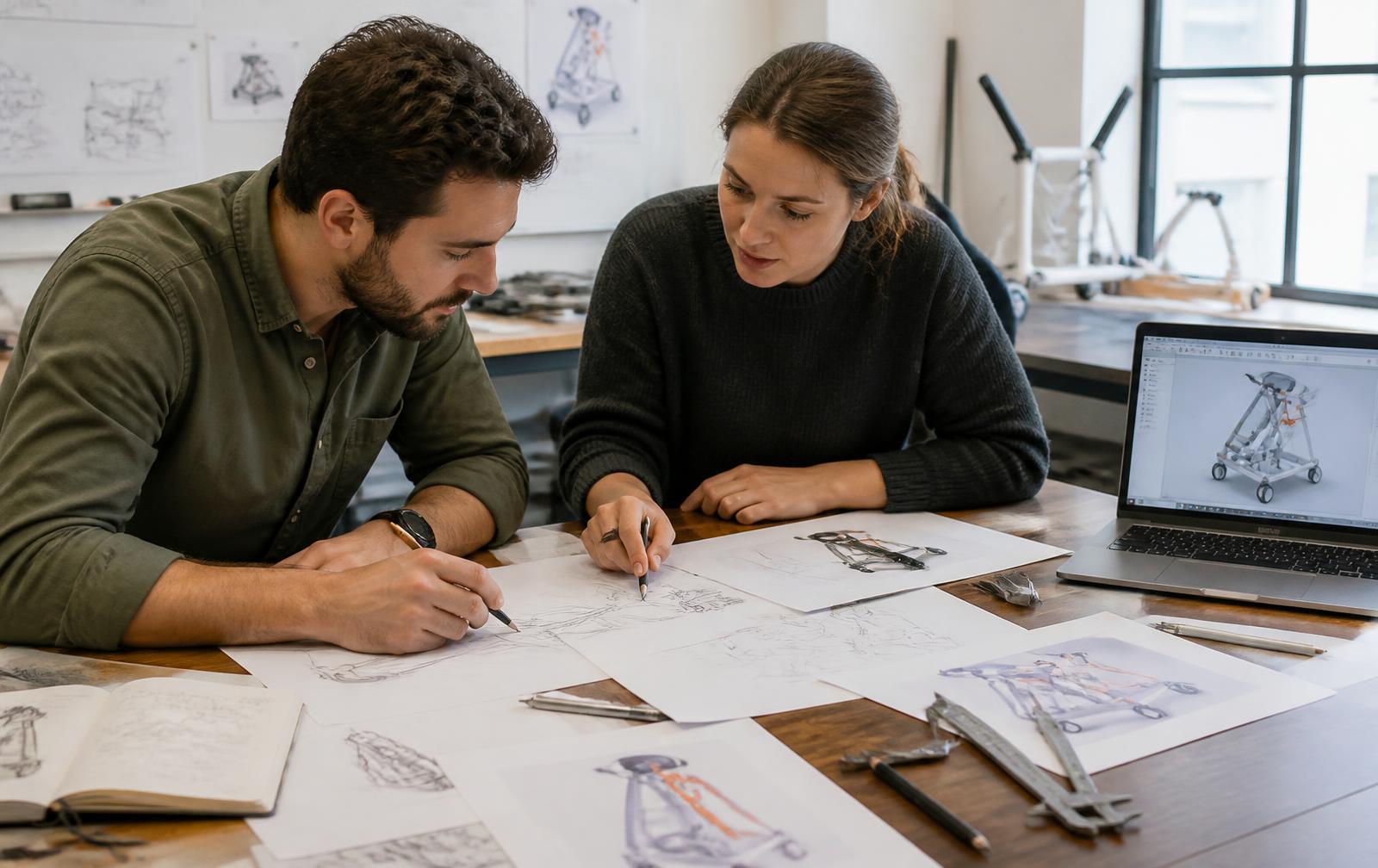
Most of the engineering value in a Phase I application comes from showing that the core idea can be reduced to practice without surprises.
- Concept sketches
Hand and digital sketches that explain the approach at a glance — useful for the technical approach section and the public summary.
- Feasibility notes
A short technical memo on what has to work, what could fail, and how the risk would be retired inside the award period.
- Rendered visuals
Photorealistic or line-art renderings that make the proposal easier to evaluate and easier to defend in review.
- Technical approach illustrations
Block diagrams, workflow sketches and assembly views that show how the pieces fit together.
- Cost and timeline estimates
Preliminary budgets and schedules reviewers can compare against the solicitation — not fantasy numbers.
- Milestone mapping
A work plan tied to the award's reporting periods so the program manager can see progress before money is spent.
Pre-award work stays on the planning side of the line: concepts, analysis and estimates. Fabrication and testing wait until the award is in hand.
What happens after the award letter arrives
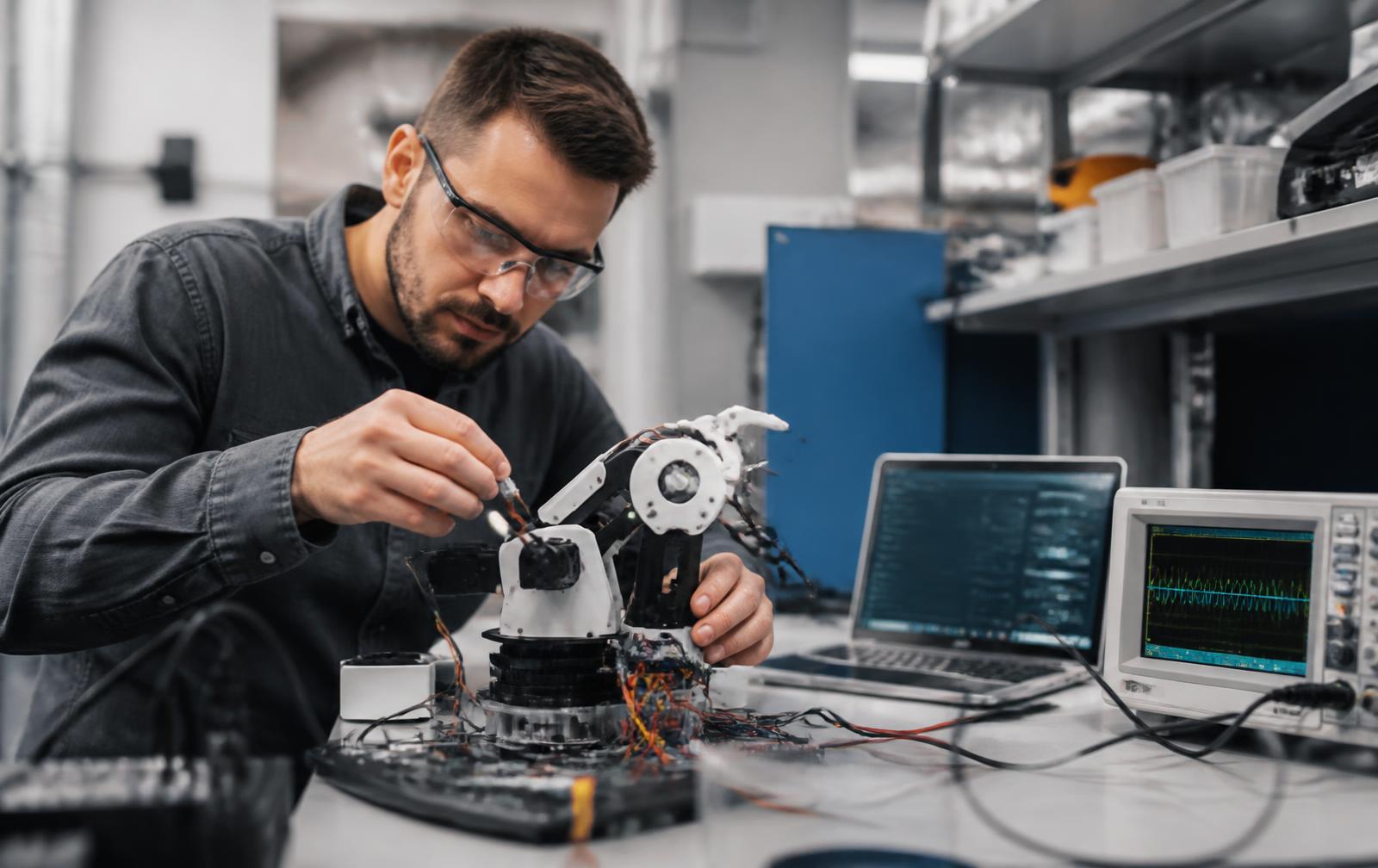
Once the grant or contract is awarded, the same team moves into build mode. The pre-award concepts become the baseline for the proof-of-concept prototype, so nothing is re-litigated on the government's clock.
- Phase I proof-of-concept prototype
A working unit that demonstrates the technical claim, built to the budget and period of performance.
- Test data package
Measured results, photos and a short report that can feed the Phase II proposal or technical report.
- Phase II development
Full prototype engineering, verification and a manufacturing cost model that supports the next proposal or follow-on funding.
- Phase Iii Commercialization
Design-for-manufacturing, supplier transition, pilot builds and scale-up engineering so the device can be produced at volume.
Teams that keep the same engineering partner across phases spend the first month building instead of re-explaining the technology.
Typical SBIR and grant support packages
Pre-award work is scoped to fit a small business budget; post-award work is scoped to fit the award itself.
| Phase | What it covers | Timeline | Typical budget |
|---|---|---|---|
| Phase 0 / Application support | Concept sketches, feasibility notes, rendered visuals, technical approach illustrations, milestone map and budget estimate | 3 – 6 weeks | $5,000 – $25,000 |
| Phase I proof-of-concept prototype | Engineering, fabrication and test of a working POC unit with documentation | 3 – 9 months | $25,000 – $150,000 |
| Phase II development and pilot builds | Full prototype development, verification and short-run manufacturing for the next phase | 6 – 18 months | $75,000 – $400,000 |
| Phase III commercialization | Design for manufacturing, supplier transition and scale-up engineering | 6 – 24 months | $50,000 – $250,000+ |
Swipe the table sideways to see every column.
Ranges assume a hardware product of moderate complexity. Send the solicitation and we will scope against its budget cap rather than a generic band.
Which federal program are you applying to?
All four fund early-stage hardware and deep-tech work, and all four score technical feasibility. What changes is who must hold the research, how commercial the review is, and how the phases are named.
| Program | Who it fits | Research partner | Phase I scale |
|---|---|---|---|
| SBIR | Small businesses with a specific agency need to solve | Optional; the small business does the majority of the work | Roughly $75k – $300k over 6 – 12 months, agency dependent |
| STTR | Small businesses commercializing university or lab research | Required partnership with a research institution | Similar to SBIR, with a formal work split |
| NSF America's Seed Fund | Deep-tech startups with a commercial thesis and technical risk | Optional | Up to $305k for Phase I, roughly 6 – 12 months |
| NIH SEED / SBIR | Biomedical devices, diagnostics and therapeutics | Optional; STTR route for academic IP | Budget guidance published per funding opportunity |
Swipe the table sideways to see every column.
The engineering deliverables are the same across all four — concepts, feasibility, work plan, cost model. Only the narrative format and review criteria change, so send us the solicitation and we scope against its rules.
Frequently asked questions about SBIR and grant application support
Can you help before I have a solicitation number?+
Yes. Plenty of teams come to us while they are still scanning open topics on Read more on Sbir. We can develop the concept and feasibility read first so that when the right topic opens you are assembling a proposal instead of starting a design.
What does Phase I typically fund?+
Phase I funds feasibility: proving the core technical claim, not producing a market-ready product. Awards commonly run from about $75,000 to $300,000 over six to twelve months, and the exact cap is set by each agency's solicitation. That budget is why pre-award concept work has to be tight and inexpensive.
What happens in SBIR Phase II?+
Phase II builds on Phase I evidence to develop a working prototype or validation unit. Awards are larger and longer, often roughly $750,000 to $1,500,000 over two years, and the review expects a clear path to commercialization or follow-on funding.
Do you support Phase III commercialization?+
Yes. Phase III is the transition from grant-funded R&D to commercial production. We provide design-for-manufacturing, supplier qualification, pilot builds and scale-up engineering so the device can be produced at volume without losing the performance that won the award.
Can a consultant be paid from grant funds?+
Generally no for pre-award application support — that work is typically paid from company funds. After the award is made, contracted engineering work can be charged to the award budget as a subcontractor or vendor, subject to the agency's rules and your approved budget. We are not grant accountants; confirm the specific rules with your program officer.
What work belongs in the application versus after award?+
The application should describe what you plan to do, why it will work, and who will do it. Actual fabrication, testing and iteration belong after award. Pre-award engineering support is limited to concept development, feasibility analysis and planning so the proposal is credible.
How long does concept work for an application take?+
A focused concept package for a Phase I application typically takes three to six weeks. The schedule is driven by how quickly you can review concepts and confirm the technical approach, not by drawing time.
Do you write the grant proposal?+
We do not write the narrative or manage submission. We provide the technical content an engineering partner should contribute: approach, work plan, milestones, budget detail, concept visuals and feasibility notes. Many teams pair us with a grant writer.
What is the difference between SBIR and NSF/NIH programs?+
SBIR and STTR are set-aside programs across many federal agencies with similar phase structures. NSF America's Seed Fund is technology and commercialization focused. NIH SEED and R-series grants are biomedical research focused. The engineering support we provide — concept design, feasibility, prototyping — is similar; the application format and review criteria differ.
Can you help after Phase I is awarded?+
Yes. The same team transitions into building the proof-of-concept prototype, generating test data and preparing the Phase II proposal. Keeping the engineering partner consistent preserves context and avoids rework.
Grant-funded work we have supported
We have joined projects at Phase 0, Phase I and direct Phase II, and stayed with teams as they advanced between phases.
- Grapheno-1 — direct SBIR Phase II prototype
A field-ready system that stops fatigue cracks from spreading. We scoped it, engineered it and built the working prototype under a direct Phase II award — proof we can pick a project up later and still deliver hardware.
- HaloVax — Phase I into Phase II
A materials-enabled vaccine delivery platform that started in Phase I with our team and advanced into Phase II development. The Phase I work qualified the program for follow-on funding.
- Atmospark — NSF-backed water generator
An NSF-supported team turning humidity into potable water. We contributed concept consultation, industrial design and mechanical design.
See how development runs once funding is in place on SBIR startup product development, and explore the services that feed the application: concept design and rapid prototyping.
What we learned running these programs
Three write-ups from our own SBIR work — what the evidence actually looked like, not a summary of the program rules.
- Phase I to Phase II
Most Phase I winners never win Phase II. The HaloVax program shows which engineering evidence carried the transition.
- Direct to Phase II
With no funded feasibility phase, the prototype carries the argument. What that meant for the Grapheno-1 system.
- Commercialization plan
DFM decisions, tooling comparisons and unit-cost math beat market size. Shown through the AtmoSpark water generator.
Bring us your solicitation and your idea
Tell us which program you are targeting and where the concept stands today. We will scope the pre-award package or the post-award prototype so it fits the budget and calendar.
Federal programs we support
The engineering services are the same across programs — concept design, feasibility, prototyping. Only the application format and the review culture change.
SBIR / STTR — DoD, NIH, NSF, DOE, NASA, USDA
The classic small-business research programs. Most solicitations want a clear technical approach, a credible team and a path to commercialization. We supply the engineering evidence.
NSF America's Seed Fund
Backs high-risk, high-reward technology with a strong commercialization case. We translate the idea into a buildable plan with visuals reviewers can evaluate.
NIH SEED and R-series
Biomedical applications need feasibility data and a clear patient or clinician benefit. We build the device evidence that supports the science.
DOE SBIR/STTR
Energy and materials programs expect measurable performance targets. We define the test article and the data that proves the claim.
NASA SBIR/STTR
Technology readiness level drives the review. We scope hardware that moves the TRL within the period of performance.
USDA SBIR
Agricultural and rural-development technology, often mechanical and field-durable — the kind of hardware we build every week.
ARPA-H
Mission-driven health programs that demand ambitious but credible milestones. We scope the proof points and build the hardware.
ARPA-E
Transformational energy technology. Concept work has to show a plausible route from bench result to a manufacturable system.


Related services
- SBIR startup product development
Post-award engineering, Phase II prototypes and commercialization for funded teams.
- Concept design services
The sketches, renderings and feasibility work that become the technical approach in your proposal.
- Rapid prototyping services
Proof-of-concept builds that demonstrate the claim after the award letter arrives.
Standards and regulations we work to
Other industries we build for
Personal Care
Beauty, grooming and personal hygiene products, from formula-adjacent hardware to packaging.
Pet Products
Pet care, feeding, comfort and interactive toy products developed end to end.
Sports & Fitness
Training aids, outdoor gear, wearables and equipment built for real use in the field.
Product Packaging
Retail-ready structural and graphic packaging that protects the product and sells it.
IoT & Consumer
Connected consumer devices: electronics, enclosures, firmware and the app that drives them.
Medical Devices
Class I and Class II devices, diagnostics and patient-safety hardware developed to the pathway.
Industrial Equipment
Custom machines, automation and commercial equipment engineered and built in-house.
Food & Beverage
Containers, closures, kitchen tools and food-contact equipment for CPG brands.
Toys & Games
Play patterns, mechanisms and pitch-ready prototypes for toy and game inventors.
Home & Housewares
Cleaning tools, storage, organization and home hardware engineered to a shelf price.
Baby & Juvenile
Feeding, sleep, travel and nursery products designed around juvenile safety standards.
Outdoor & Hunting
Hunting, camping, marine and recreation gear built for weather, abuse and field use.
Funded Startups & Grants
SBIR Phase I and II prototypes and investor-ready hardware for funded teams.
What founders say after working with us
“I cannot begin to say enough about how amazing LA NPDT is. Professional, knowledgeable, accessible and experienced. We went from concept to patented product in no time. With LA NPDT as a partner all of those challenges go away. They are Louisiana's best business for product development by far.”
“I highly recommend the LA New Product Development Team for any of your new product development needs. From the development of my concept to the actual prototype, the process was seamless. I especially loved the quick responsiveness, and I received regular updates during every stage, so I was never left wondering how things were going. The steps were clearly outlined, along with estimated costs.”
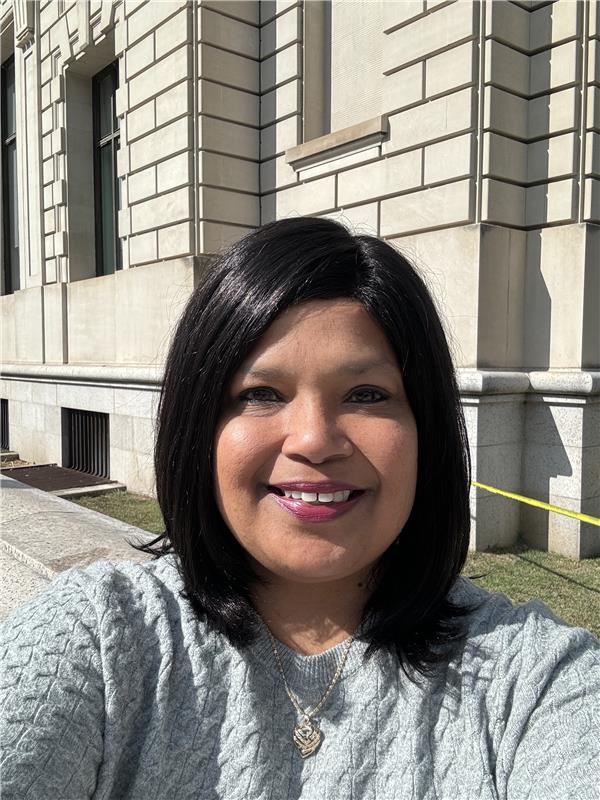 Dr. Sharada DamarajuFounder, Dignity & Empowerment
“From the first phone call Konstantin and his staff walked us through the whole process from concept to prototype to final product design and production. They are experts at what they do. LA New Product Development delivered on time and under budget. If you have an idea in your head there is no doubt they can make it a reality!”
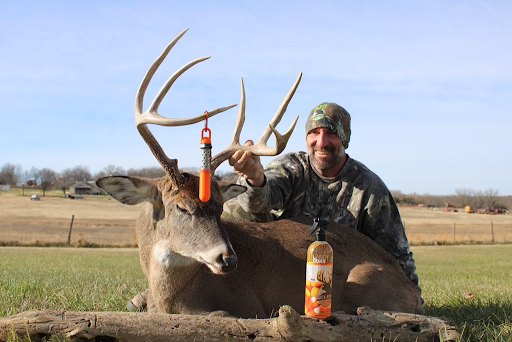 Shane ArmandRack Addict Attractants
Three reasons founders keep working with us
- 1
One team from sketch to shipped parts. Industrial design, mechanical and electrical engineering, prototyping and manufacturing sit under one roof, so nothing is lost in a handoff.
- 2
You own the work. Native CAD, drawings and source files are yours at the end of every phase — no lock-in, no re-buying your own design later.
- 3
Fixed scope, fixed price. Every phase is quoted up front with a deliverable list and a date. No hourly meters, no surprise invoices.
If you ever thought of developing a new product, don’t wait any longer. Talk with one of our experts today.
Tell us about your product
Send us the idea, the drawing or the problem. We reply within one business day with the next practical step.
Ready to scope the work? Start a prototype · Request a quote