Silicone Rubber Prototyping & Manufacturing
RTV silicone casting, compression, transfer and LSR injection molding for medical, food-grade and consumer hardware. Prototype to low-volume production in Ruston, Louisiana.

Written by Konstantin Dolgan, Ph.D., NPDP
Founder & CEO, Product Development Engineer
Published September 7, 2026
RTV casting, compression, transfer and LSR injection molding for medical, food-grade and consumer hardware. Prototype to low-volume production. Silicone rubber prototyping and manufacturing covers RTV (room-temperature-vulcanizing) casting, compression molding, transfer molding and liquid silicone rubber (LSR) injection molding.
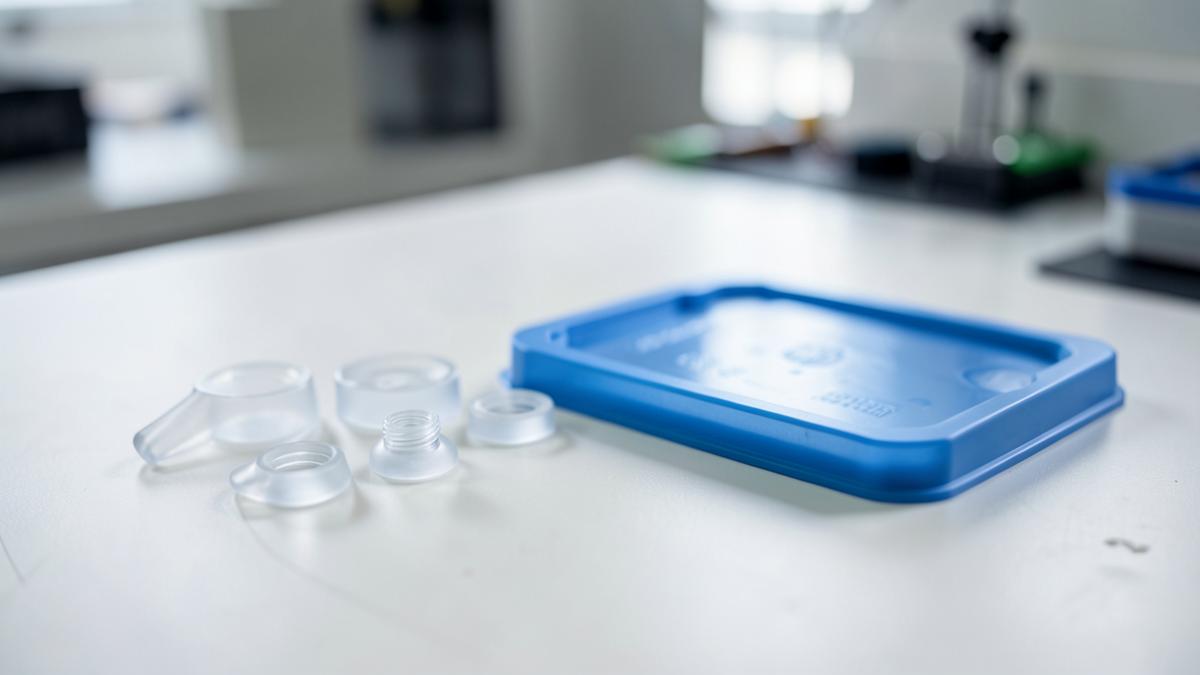
Silicone rubber prototyping and manufacturing covers RTV (room-temperature-vulcanizing) casting, compression molding, transfer molding and liquid silicone rubber (LSR) injection molding. Each process fits a different geometry, quantity and lead-time need. LA NPDT uses these methods to move medical, food-grade and consumer silicone parts from first cast to low-volume production from Ruston, Louisiana.
| Method | Best for | Typical quantities | Tooling | Surface finish |
| RTV silicone casting | First functional parts, complex undercuts, soft-touch forms | 1 to 50 units | Printed or machined master pattern | Satin to glossy, depending on master |
| Compression molding | Gaskets, pads, simple 3D forms, wider material choice | 50 to 5,000+ units | Machined aluminum or steel mold | Good; texture set by mold |
| Transfer molding | Medium runs with better flash control than compression | 100 to 10,000 units | Pot-and-plate mold set | Consistent, detail limited by insert |
| LSR injection molding | Tight tolerances, thin walls, high-volume repeatability | 1,000 to 100,000+ units | Classed steel mold with hot/cold runners | Excellent, repeatable |
Capabilities we offer
- Prototype and pre-production silicone parts in days, not weeks.
- Short-run aluminum tooling for compression, transfer and LSR trials.
- Medical-grade and food-grade material selection with test-plan guidance.
- Silicone overmolding onto plastic, metal and electronics housings.
- Embedded electronics: seals, strain relief and flexible interconnects.
- Surface finishing and texture matching, from glossy to low-friction coatings.
- DFM review to keep silicone quirks (undercuts, flash, knit lines) out of production.
Silicone projects from our portfolio
Our silicone work runs across consumer, medical and wearable applications.
Examples include the GPS tracking bracelet (electronics embedded in a silicone rubber wristband), the Burple burp catcher (food-grade silicone, dishwasher-safe), the Dignity & Empowerment nurse-call button cover (glow-in-the-dark medical-grade silicone), the Leia menstrual cup (smooth low-friction surface finish), Clean Fingers, Stealth Shaft Support, Sponge-A-Ball and Flip Flap.
When silicone rubber is the right choice
- Sealing and gasketing under compression, even over wide temperature swings.
- Soft-touch grips, buttons and overmolds that improve handling.
- Medical or skin-contact parts where biocompatibility matters.
- Food-contact, dishwasher-safe or autoclave-safe products.
- Vibration damping and electrical insulation in enclosures.
- Flexible hinges, strain relief and conformal protection for cables or boards.
Lead times and rough cost bands
First RTV cast parts can often ship in under two weeks from a 3D-printed master. Machined aluminum compression molds typically run a few weeks. LSR steel tooling is the longest lead item and is usually justified only when quantities are high enough to amortize the mold cost. We quote each project against geometry, material and volume rather than publish fixed price lists, because silicone parts vary widely in wall thickness, undercuts and finishing.
Free DFM triage. Not sure which silicone process fits your part? Send a photo, sketch or CAD file and we will recommend the lowest-risk first step.

Common questions
What is the fastest way to get a silicone prototype?
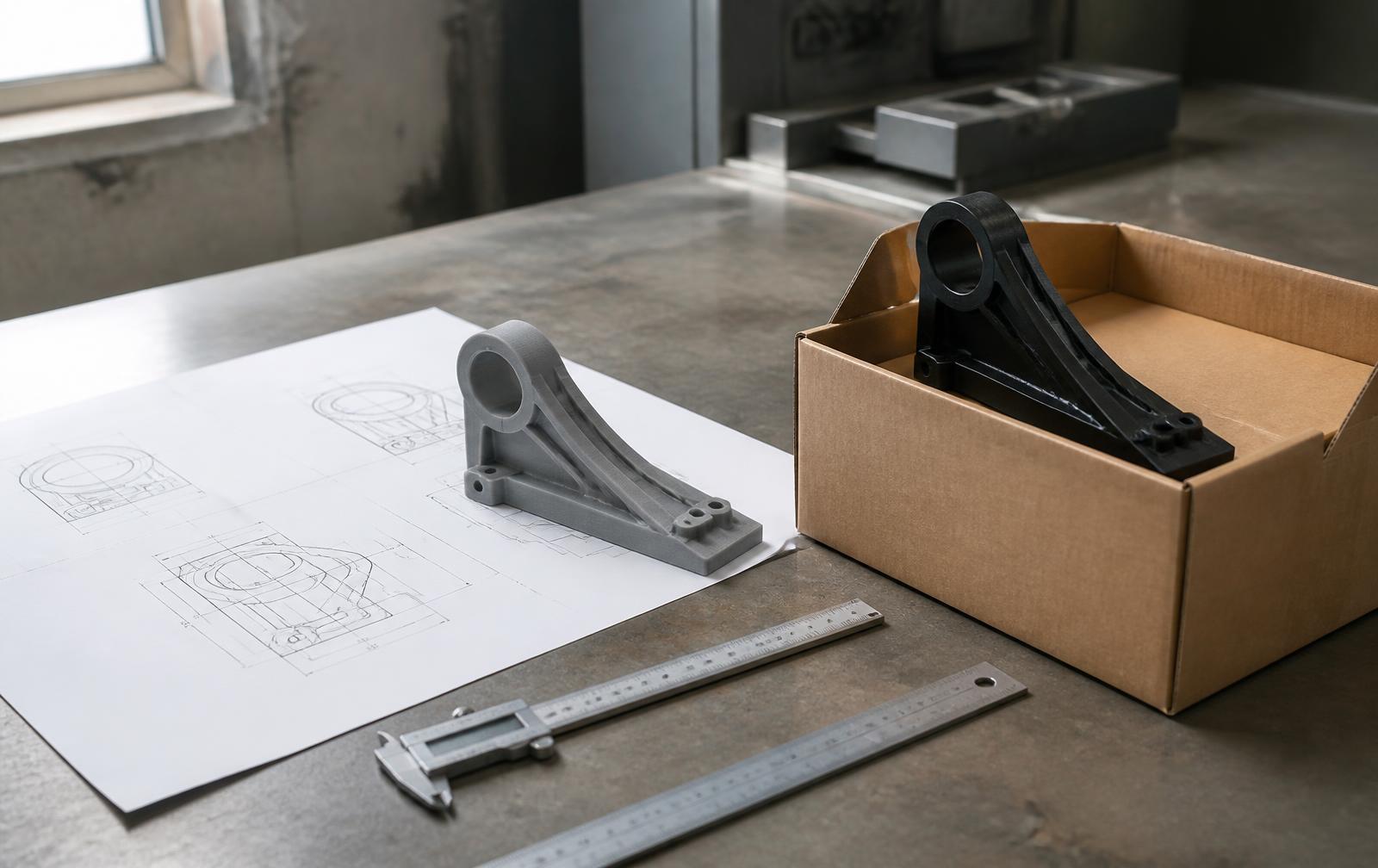
RTV silicone casting from a 3D-printed or machined master is usually fastest. It needs no hard tooling, so a first part can be ready in days once the master is approved.
Can silicone parts be made food-safe or medical-grade?
Yes. Platinum-cure silicones are available in food-contact and medical-grade formulations. Testing and documentation requirements depend on the end use; we help clients choose the right test plan before committing to tooling.
What is the difference between compression and LSR molding?
Compression molding places a pre-weighed silicone slug into an open heated mold and presses it closed. LSR injection molding pumps two-part liquid silicone into a closed mold under pressure. Compression is cheaper to tool but slower and less precise; LSR is faster and tighter-tolerance but requires more expensive tooling.
Can silicone be overmolded onto plastic or metal?
Yes, with the right substrate, surface preparation and sometimes a primer. Material selection and mechanical locking features are the main levers for a strong bond.
Do you offer low-volume silicone production?
Yes. Aluminum tooling and RTV casting are well suited to dozens to a few thousand units, which is often enough for clinical trials, early retail tests or crowdfunding fulfillment.
Silicone technical guides
- Silicone prototyping methods: RTV casting, 3D printed silicone and machined blanks
- Silicone durometer and grade selection
- LSR injection vs compression molding
- Silicone overmolding onto plastic and metal
- Medical and food-grade silicone
- Silicone additives and pigments, including glow-in-the-dark
- Silicone surface finish, texture and friction
Ready to prototype or produce a silicone part? Request a quote or book a consultation with our team.
What founders say after working with us
“Konstantin has been so amazing and his entire team is A+. I researched and interviewed many product development companies across the country and ultimately decided on LA NPDT... and I'm so glad I did. The attention to detail and overall effort has been exactly what I needed and then some. If you are looking for a company to help you bring your product to life, look no further!”
 William EvansCEO, Burple
“This company is awesome. I run a medical device company and we required a number of accessories to be designed and built for our medical device. They delivered a polished design and printed the accessories on time using high-quality materials. I continue to work with them for all of our material needs.”
 Matteo ZiffFounder, Virtual Vision
“LA NPDT's technical expertise was instrumental in bringing the Evera Bottle to life. Their guidance on material selection and design optimization ensured a production-ready design that aligns perfectly with our sustainability goals.”
 Steffek RaineyExecutive Director, Evera Bottle
Three reasons founders keep working with us
- 1
One team from sketch to shipped parts. Industrial design, mechanical and electrical engineering, prototyping and manufacturing sit under one roof, so nothing is lost in a handoff.
- 2
You own the work. Native CAD, drawings and source files are yours at the end of every phase — no lock-in, no re-buying your own design later.
- 3
Fixed scope, fixed price. Every phase is quoted up front with a deliverable list and a date. No hourly meters, no surprise invoices.
If you ever thought of developing a new product, don’t wait any longer. Talk with one of our experts today.
Tell us about your product
Send us the idea, the drawing or the problem. We reply within one business day with the next practical step.
Ready to scope the work? Start a prototype · Request a quote