Low volume manufacturing built to ramp, not just to ship one batch

What is low volume manufacturing?

Low volume injection molding, low volume CNC machining, and small batch manufacturing under one roof. The same team designs the tooling, runs the first parts, and grows the process with your demand curve.

Low volume manufacturing is production of a finished product in the hundreds to low thousands per year, running on real tooling and real processes rather than one-off prototype methods. It sits between prototyping and mass production, giving you repeatable unit economics, honest tolerances, and a supply chain that can scale without a rebuild when demand climbs.

The ramp matters more than the first batch

Most low volume manufacturing conversations focus on getting the first units out the door. That is the easy part. The hard part is making sure batch two, five, and twenty run on the same tooling, hit the same cost, and pass the same inspection plan without a single-line email negotiation each time.

LA NPDT runs low volume production as a ramp, not a one-off. If you only need one defined batch to prove the market, our short run manufacturing service is the better starting point, and it hands over to this program without retooling. We spec bridge tooling, write real work instructions, and pick suppliers who welcome a 500-unit PO because they know a 5,000-unit PO is coming next quarter. The same senior engineers own rapid prototyping, DFM optimization, and electronics design, so nothing has to be re-explained between the pilot and the production line.

For deeper background on manufacturing readiness levels and small-batch supply chain planning, see the NIST manufacturing extension program and the U.S. Small Business Administration guidance for small manufacturers.

Engineer reviewing a low volume production ramp plan on a workshop monitor

Teams that need real tooling, not another prototype

Low volume manufacturing is for teams past the proof-of-concept stage. The design works, the market is real, and now the numbers have to work at 500, then 5,000, then more. Teams still testing that signal usually start with short run manufacturing first.

  • Post-seed hardware startups

    Post-seed hardware startups

    Kickstarter shipped or the seed round closed. You need production units that hit COGS and can be reordered without redesign.

    • Aluminum bridge tooling instead of one-shot molds
    • Locked BOM with second-source components
    • Documented inspection plan from unit one
    • Same suppliers on batch 1 and batch 10

    Plan your ramp

  • Inventors going commercial

    Inventors going commercial

    Prototype is validated, patent is filed, and retail or B2B distribution is next. You need repeatable low volume production.

    • Consistent cosmetics batch over batch
    • Regulatory-ready material choices
    • Serialization and QC documentation
    • One accountable engineer through the ramp
  • Enterprise pilot programs

    Enterprise pilot programs

    Launching a new SKU inside a larger company. You need a partner that can move faster than corporate procurement but hit corporate quality.

    • PPAP-style first article inspection
    • Traceable materials and processes
    • NDA and IP hygiene from day one
    • Clean handoff to your mass production vendor

    Discuss a pilot

  • Funded R&D teams

    Funded R&D teams

    Grant, DoD, or venture-funded program that needs a few hundred units for field trials and clinical or regulatory testing.

    • Small batch manufacturing under a QMS-lite framework
    • Documented builds for regulatory submissions
    • Configurable variants across the batch
    • Direct engineer contact, no account manager wall

    Scope a field build

What separates real low volume production from a scaled-up prototype

Plenty of shops will 3D print you a hundred parts and call it manufacturing. That is a prototype run in a costume. Real low volume production changes the underlying process, not just the quantity.

  • Tooling that produces the same part on shot 1 and shot 5,000
  • Fixtures, jigs, and work instructions that a new operator can follow
  • Inspection criteria written before the first part is made, not after
  • Component sourcing with lead times you can plan a launch around
  • Rework and yield expectations set honestly at the start

Low volume manufacturing line producing consumer hardware units

Design ready, tooling not?

Send us your CAD. We will tell you what needs to change before you cut a mold or program a machine.

Low volume injection molding, CNC, and electronics under one roof

Most hardware products are not one process, they are five stitched together. Low volume manufacturing only works when the same team can pick the right process for each part and hand off between them without dropping the ball. Use our 3D printing services for soft tooling and functional prototypes, and roll into tooled production when the geometry is locked.

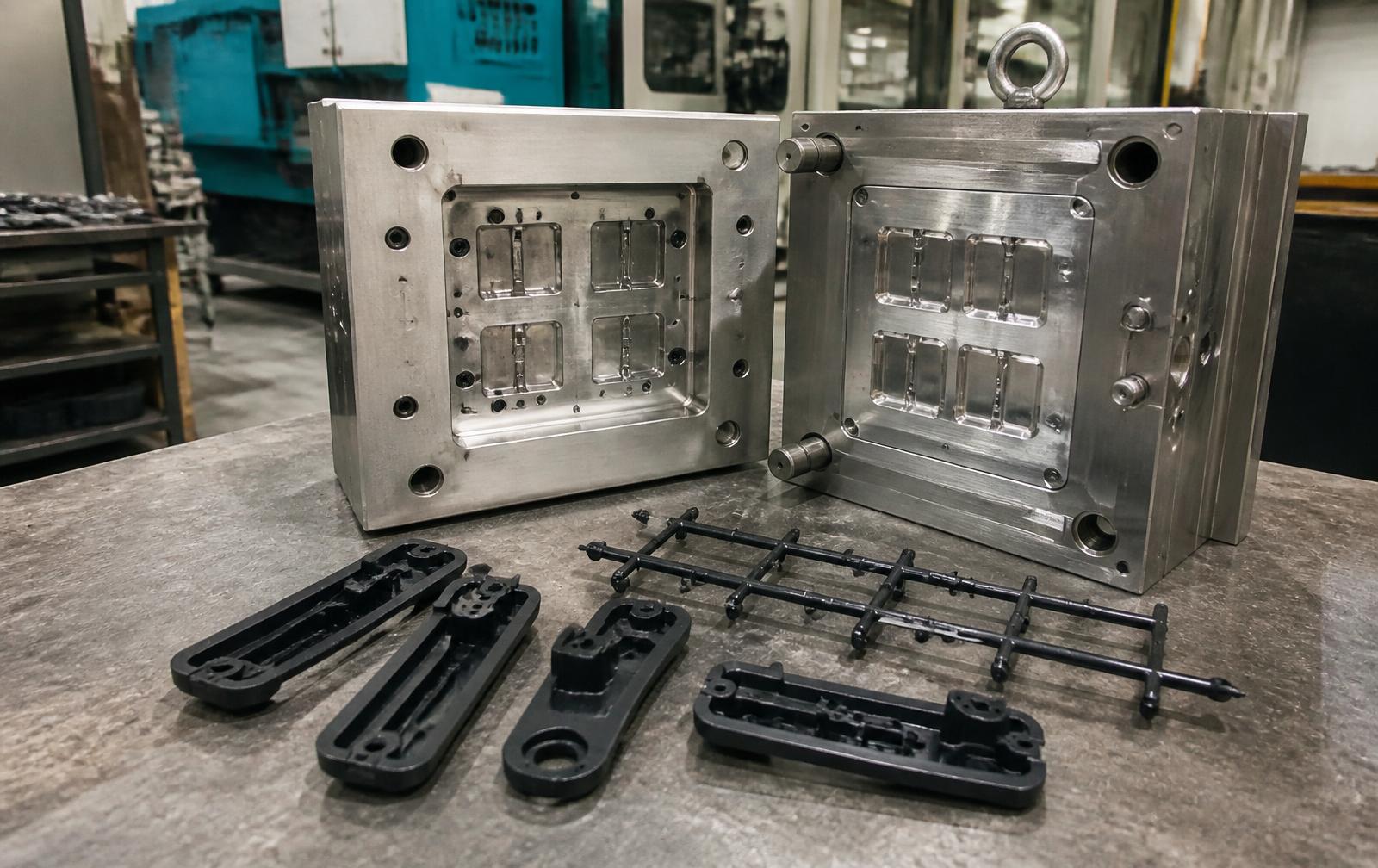
  • Low volume injection molding: aluminum bridge tools, MUD inserts, family molds
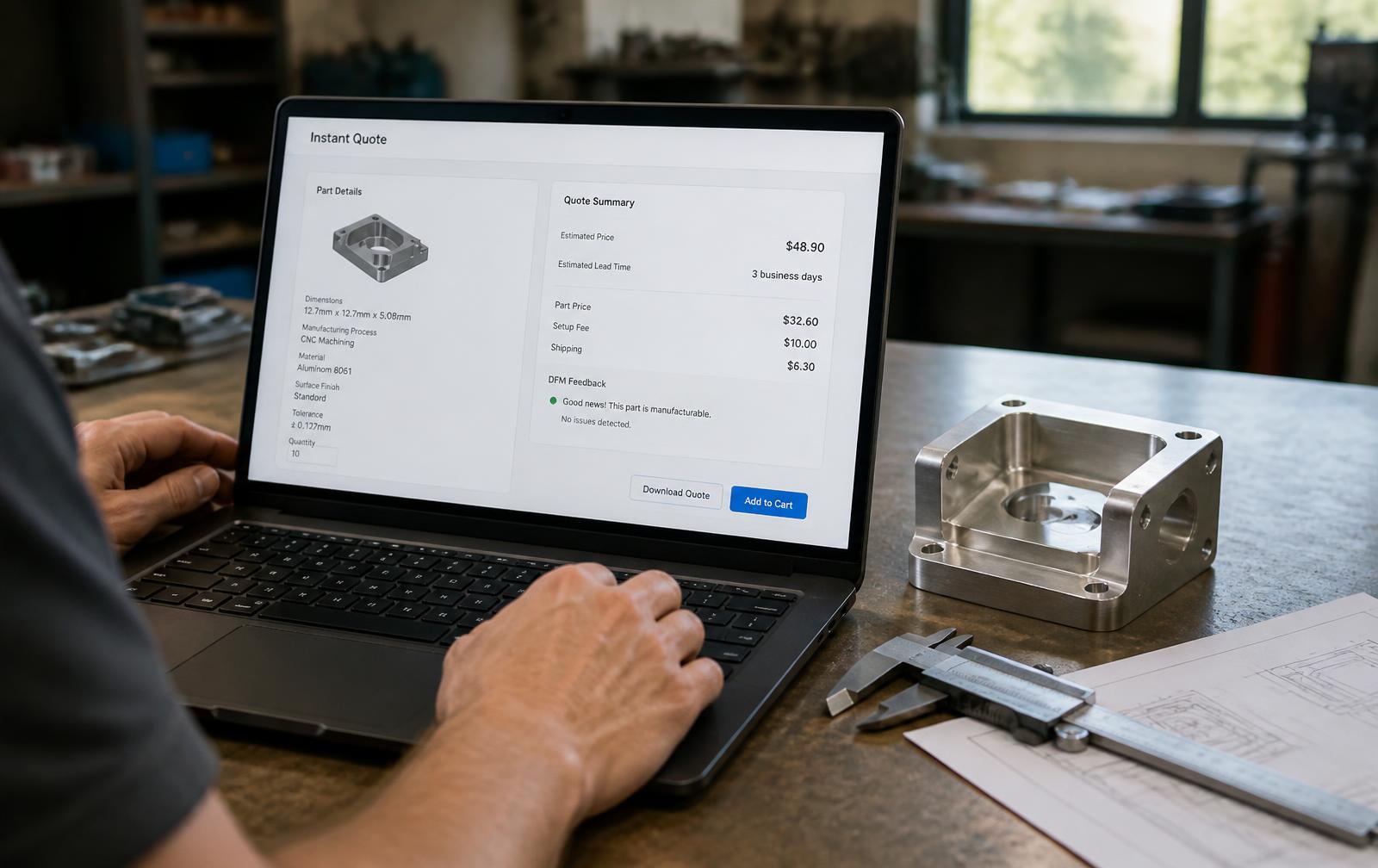
  • Low volume CNC machining: 3-axis and 5-axis in aluminum, steel, brass, and engineering plastics
  • Sheet metal, laser cutting, and press-brake forming for enclosures and brackets
  • Vacuum casting and RIM for cosmetic housings under 500 units
  • Silicone tooling, casting, and overmolding for gaskets and grips
  • PCB fabrication, SMT and mixed-tech assembly, functional test
  • Mechanical, electromechanical, and packaged final assembly

CNC machined and injection molded parts from a low volume production run

How a low volume production run actually runs

Same team, same drawings, same inspection plan from first article through repeat batches. Each phase closes with a decision gate before spend moves to the next one. Click any step to expand.

01 · Design and tooling review+

Confirm the geometry and materials will run cleanly at the target volume.

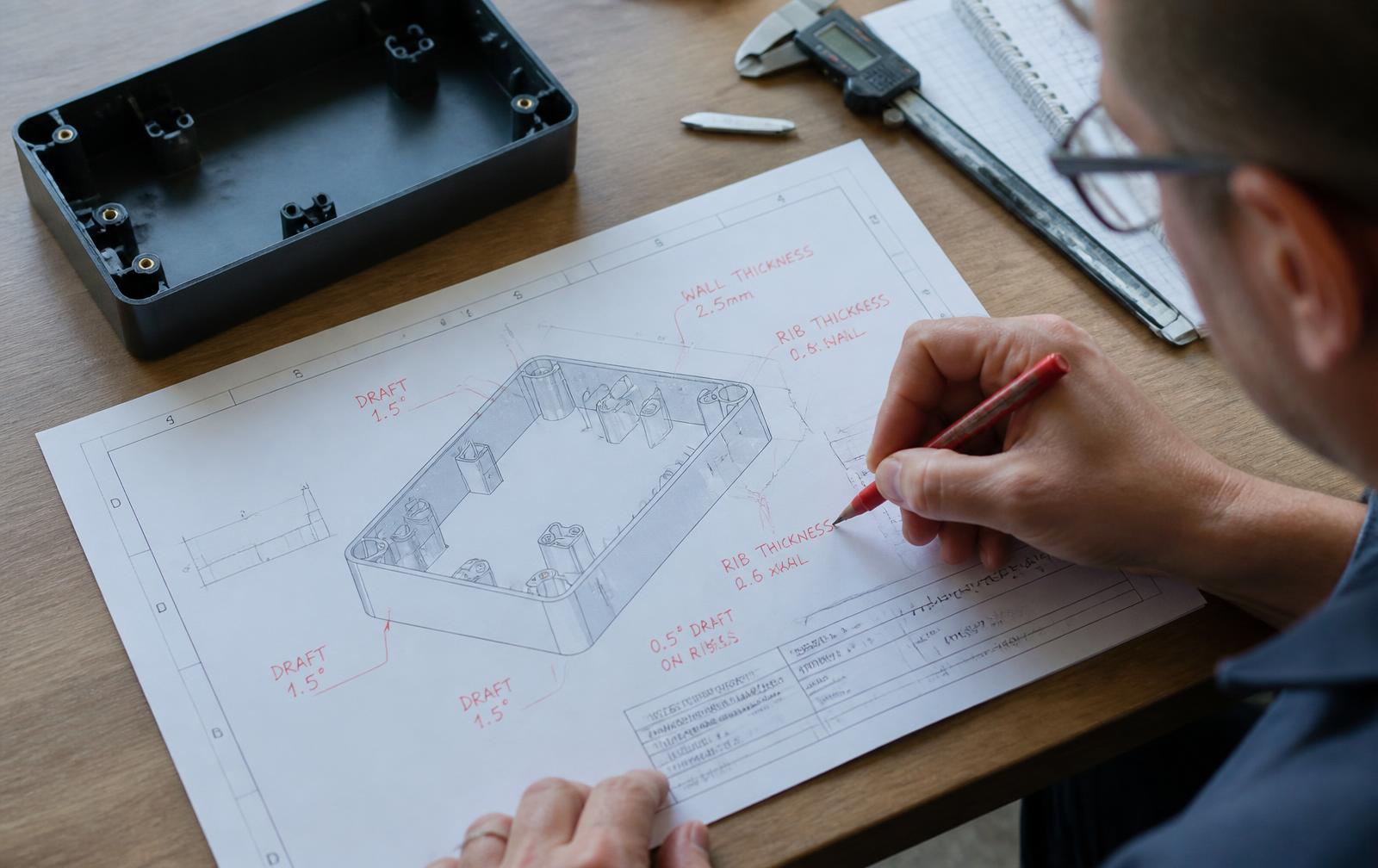
We audit every part for draft, wall thickness, tolerance stack, and material choice, and we recommend the process that hits your cost and volume targets without over-tooling.

Deliverable: DFM report and tooling recommendation.

02 · Bridge tooling and fixture build+

Cut aluminum molds, CNC fixtures, and inspection gauges.

Aluminum tooling for injection, soft jaws and fixtures for CNC, and go/no-go gauges for the critical dimensions. Everything sized for the ramp, not just the first batch.

Deliverable: Tooling package and first-article plan.

03 · First article and process qualification+

Run 5 to 25 units and prove the process holds.

We measure every dimension on the first article, tune shot profiles or feeds and speeds, and lock the process parameters before any production part is made.

Deliverable: First article inspection report and locked process.

04 · Supplier lock and BOM freeze+

Second-source the risky components, freeze the BOM.

For electronics and long-lead mechanical parts, we identify second sources and negotiate small-batch pricing that improves as volume climbs. No surprise obsolescence six months in.

Deliverable: Frozen BOM with dual sourcing.

05 · Low volume production batches+

Run the actual units with QC at every step.

Production runs in our LA shop or with vetted partners in the US, China, and Pakistan. Same drawings, same inspection plan, same engineer signing off. Yield and defect data feeds the next batch.

Deliverable: Inspected inventory and batch report.

06 · Assembly, packaging, and ramp planning+

Ship, then plan the next batch before you run out.

Final assembly, retail or direct-ship packaging, and a running forecast that keeps components on order so batch two is not a cold start.

Deliverable: Packed units and rolling production forecast.

The mold does not know it is a small batch. Design it like it will run for five years.
How we think about low volume manufacturing

Plan the second batch before you finish the first

The most expensive mistake in low volume production is treating each batch as an event. Every reorder becomes a renegotiation, every supplier goes cold between runs, and every quality question gets re-litigated from scratch.

We plan the ramp on day one. Component forecasts run six months ahead, tooling is specified for the year-two volume rather than the launch quantity, and inspection plans are written so a different operator can pick up the same job without a phone call. This is the practical difference between a short run manufacturing batch, which ends when the units ship, and a low volume program, which is designed to be reordered. When demand climbs, we add shifts, not rework.

Production planning session mapping the ramp for a low volume manufacturing program

The prototype and the production part come out of the same room

Because the same engineers own the prototype, the DFM pass, and the low volume production run, the design that gets validated is the design that gets tooled. No translation loss, no re-engineering, no factory calling to tell you the mold cannot make the part you approved.

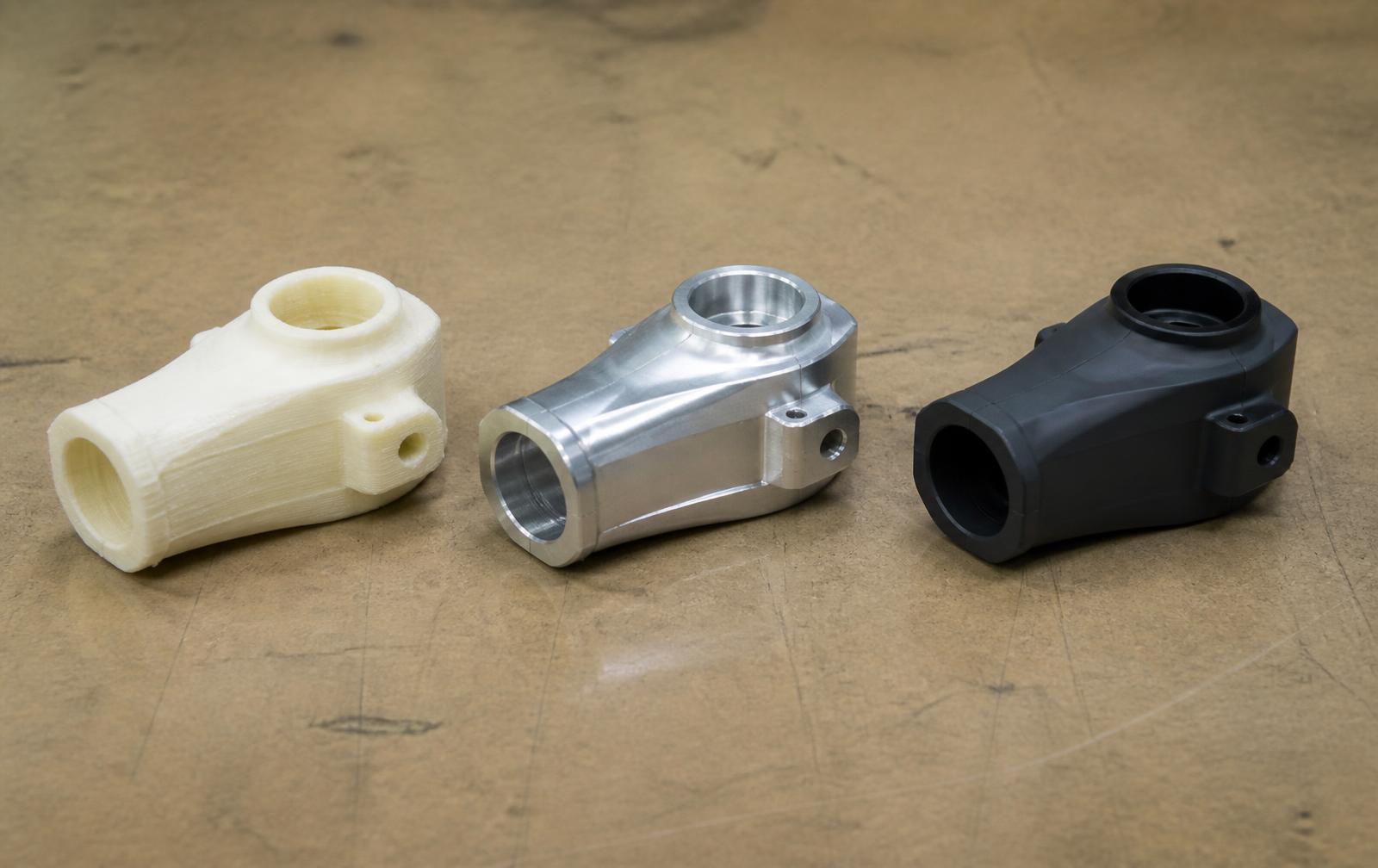
  • Functional prototypes on the same materials as production
  • Soft tooling for pre-launch validation batches
  • Aluminum bridge tools for the first commercial run
  • Clean transfer to steel tooling once volumes justify it
Prototype and low volume production parts from the same design revision

Ready to put real production parts in the field?

We will scope the tooling, the batch size, and the ramp curve together, sized to your funding stage and launch window.

Offshore high-MOQ factory vs LA NPDT low volume manufacturing

AreaOffshore high-MOQ factoryLA NPDT low volume manufacturing
Single accountable teamSales, engineering, and floor are separate companiesOne senior team owns design, tooling, and the ramp
No education taxYou re-explain the product to every new contactSame engineers from prototype through batch ten
Minimum order5,000 to 10,000+ units per SKU100 to a few thousand, sized to your ramp
Tooling strategyProduction steel from day one, or nothingAluminum bridge tooling, transfer to steel when justified
Design changes mid-rampNew tool, new quote, new lead timeInsert swaps and revs folded into the next batch
Process mixOne trade per factoryInjection, CNC, sheet metal, silicone, and PCBA together
Time zone and language12-hour gap, translator requiredLos Angeles engineering, global supply base
Path to scaleLocked to that one factoryPortable drawings and tooling, transferable to any high-volume shop

Swipe the table sideways to see every column.

Sitting on a design that keeps quoting at 10,000-unit MOQs?

Send us the CAD. We will tell you what the same product looks like at 500 units on real tooling.

One team. One tooling package. One number that gets better every batch.
LA NPDT low volume production model

Production data that unlocks the next round

A clean low volume manufacturing run gives you what a prototype never can: real yield, real unit cost, real supplier commitments, and real inspection data. That is the package investors and retail buyers actually want to see before they commit to the next stage. Pair it with our 3D animation and video production to show the production line, not just the render.

  • Documented unit economics with yield and scrap factored in
  • Signed supplier agreements with tiered pricing to scale
  • Retail-ready samples pulled from the actual production batch
  • Field-trial inventory for grant and DoD milestone reviews

Show up to the Series A with parts, yield data, and a tooling plan. Not a render and a wish.

Production units from a low volume manufacturing batch staged with the unit-cost sheet
2015
Operating since
1,000+
Products developed
Bridge tooling
Aluminum molds, ramp-ready
3-country
US, China, Pakistan supply base

What a well-run low volume production program gets you

Low volume manufacturing done right is not a smaller factory, it is a smarter one. Real tooling, real processes, real data, sized to your business, with a clean on-ramp from short run manufacturing and a clean exit to mass production.

  • Cost that improves with volume

    Every batch feeds the next. Yield climbs, cycle time drops, and unit cost gets better without changing suppliers.

  • Ramp without a rebuild

    Same tooling, same drawings, same inspection plan from 500 units to 50,000. Nothing gets thrown away, only added to.

  • Portable to any high-volume shop

    When you outgrow us, your drawings, tooling, and process documentation transfer cleanly. No vendor lock-in.

Frequently asked questions about low volume manufacturing

How is low volume manufacturing different from a short run?+

The terms overlap in practice, but we use low volume manufacturing to describe runs that already have a defined ramp curve, usually 500 to 10,000 units per year across repeat batches. <a href="/short-run-manufacturing/">Short run manufacturing</a> is usually a single defined batch with a finish line, often a first sellable run or a pilot. Low volume production assumes the design is stable, the BOM is locked, and the same tooling and suppliers will keep producing as demand grows. Plenty of clients start with short run manufacturing and graduate into a low volume ramp on the same tooling.

When does low volume injection molding make sense?+

Low volume injection molding pays off once you need a few hundred to a few thousand plastic parts and the geometry is too complex or the cosmetic bar too high for 3D printing or vacuum casting. Aluminum tools cost a fraction of production steel, hold tolerance well, and often run 10,000+ shots before wearing, which covers most launch curves.

Do you offer low volume CNC machining for metal parts?+

Yes. Low volume CNC machining is our default path for aluminum, steel, brass, and engineered plastics when you need 10 to 2,000 parts with tight tolerances. Same programming and fixturing carries into higher volumes later, so cost per part drops as quantities rise without changing the vendor.

What batch sizes do you actually run?+

Anywhere from 25 units for a controlled pilot up to a few thousand for a soft launch. Above that we help you transition to a high-volume manufacturer, using the same drawings, tolerances, and supplier data we built during low volume production.

Can the tooling and process scale up later?+

That is the whole point. We spec bridge tooling and process parameters so the same molds, fixtures, and inspection plans work at 500 units and at 50,000. Nothing gets thrown away when you scale, only added to.

Where is production done?+

In-house in Los Angeles for prototypes, first articles, and most CNC and assembly work. Vetted partners in the US, China, and Pakistan handle tooled plastics, PCBs, and higher-volume metal work. One point of contact on our side manages all of it.

Build a low volume manufacturing program that scales with you

If your design is validated and the market signal is real, the next step is tooling and process, not another prototype. LA NPDT runs low volume injection molding, low volume CNC machining, and small batch manufacturing as one program, ramped to your demand.

What founders say after working with us

This company is awesome. I run a medical device company and we required a number of accessories to be designed and built for our medical device. They delivered a polished design and printed the accessories on time using high-quality materials. I continue to work with them for all of our material needs.
Matteo ZiffMatteo ZiffFounder, Virtual Vision
Partnering with LA NPDT to bring LEIA to life was a game-changer. Their blend of market analysis, design expertise, prototyping, and manufacturing streamlined my vision into a tangible solution. For medical professionals with a product idea, there's no team I'd recommend more.
Dr. Elena DolganDr. Elena DolganFounder, LEIA Cup
LA NPDT's technical expertise was instrumental in bringing the Evera Bottle to life. Their guidance on material selection and design optimization ensured a production-ready design that aligns perfectly with our sustainability goals.
Steffek RaineySteffek RaineyExecutive Director, Evera Bottle

Read all client and peer reviews

Three reasons why our clients love working with us:

  • 1

    We solve problems. Coming up with creative solutions focused on achieving your goals is our everyday routine.

  • 2

    Get it all done at one place. We are a "one-stop shop" for developing, prototyping, manufacturing, and marketing new products.

  • 3

    You always know what to expect. No hourly charges. We are paid for the results.

If you ever thought of developing a new product, don’t wait any longer. Talk with one of our experts today.

Related insights

Insights blog
  • Cost-Efficient Manufacturing: Comparing Low-Volume Production Methods

    Cost-Efficient Manufacturing: Comparing Low-Volume Production Methods

    Today’s manufacturing sector faces unprecedented pressure to deliver new, higher-quality products at an ever‐faster pace. Global competition, rapid technological change, and shortening product life cycles force companies to meet…

  • Exploring the Best 3D Printing Technologies for Manufacturing: Comparison and Insights

    Exploring the Best 3D Printing Technologies for Manufacturing: Comparison and Insights

    Innovation and new product development (NPD) are fundamental drivers of enduring business success. In today’s competitive market, continuous investment in NPD not only sustains a company’s competitive edge but also propels growth. However, successful product development alone is insufficient; it is equally imperative to shield your innovations through robust intellectual property (IP) protection.

  • The Role of Prototyping and Testing in Product Design

    The Role of Prototyping and Testing in Product Design

    In the world of product design, having a brilliant idea is just the beginning. To turn a concept into a successful product, a thorough process of refinement is required. This is where prototyping and testing play a crucial role. They serve as the bridge between ideation and production, enabling designers to evaluate, improve, and validate their designs before investing in full-scale manufacturing.In this in-depth article, we will explore the significance of prototyping and testing, the various methods involved, and how they contribute to creating high-quality, market-ready products.

Tell us about your product

Send us the idea, the drawing or the problem. We reply within one business day with the next practical step.

Get in touch

Tell us about your product idea

Send us a few details and one of our product development experts will get back to you within one business day.

Your information stays confidential and is never shared.

Prefer a scoped estimate? Request a quote