
How to Get a Prototype Made: Files, Costs and the 5-Step Path
Most inventors stall at the same place: they have an idea but no idea what a prototype shop actually needs from them. Here is the exact file package, realistic costs, and the five-step path to a working prototype.
February 15, 20236 min read

Written by Konstantin Dolgan, Ph.D., NPDP
Founder & CEO, Product Development Engineer
Published February 15, 2023Updated August 19, 2026
To get a prototype made you need three things: a defined question the prototype must answer, a 3D CAD model exported as STEP or STL with a dimensioned 2D drawing, and a shop or partner matched to the fidelity you need. Simple 3D-printed parts run $50 to $500 and ship in days. Functional engineering prototypes typically run $2,000 to $25,000 over two to eight weeks.
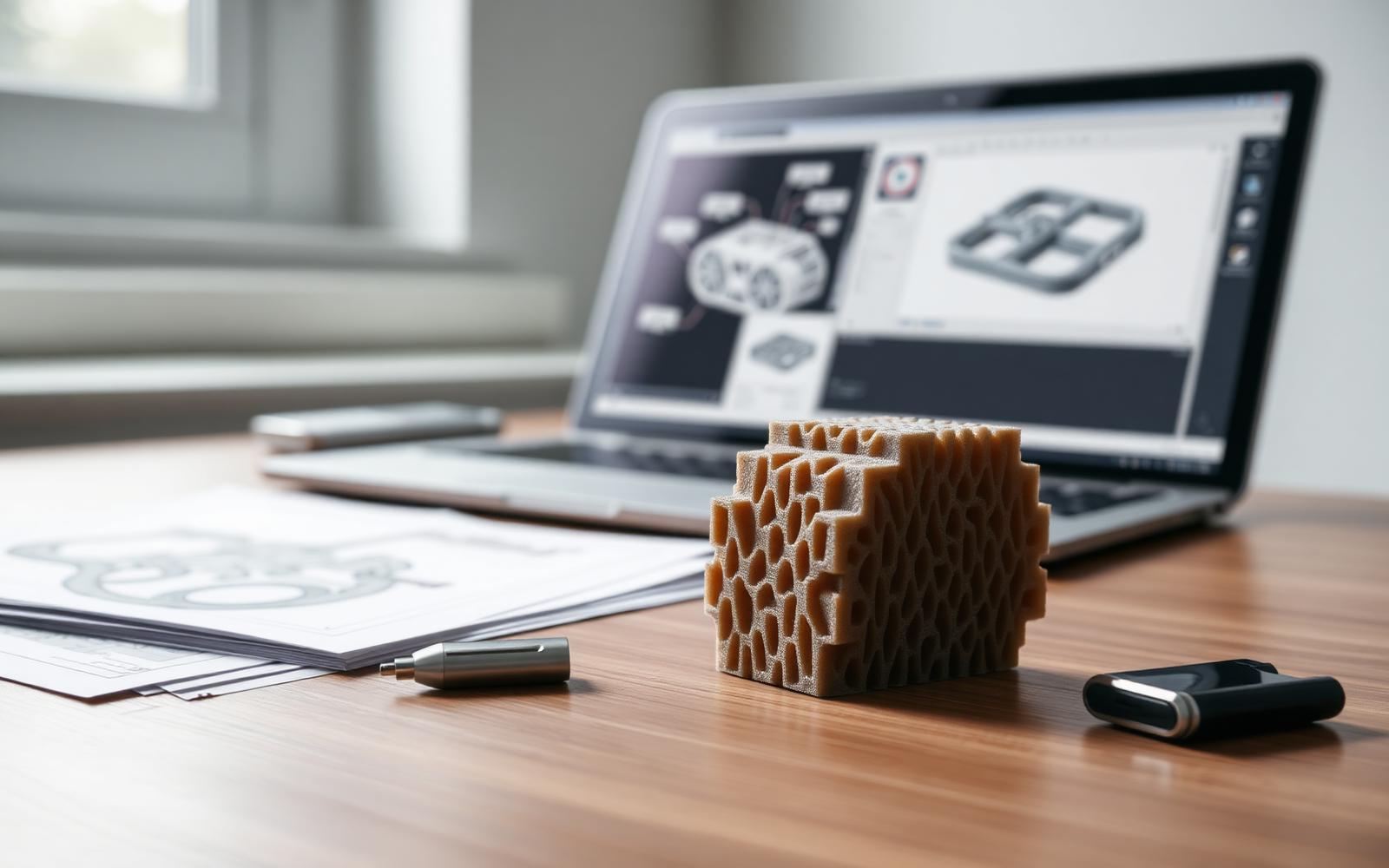
Nobody quotes a napkin sketch. The gap between "I have an invention idea" and "I have a prototype in my hand" is almost entirely a documentation gap, and it is a solvable one.
Step 1: Decide what the prototype has to prove
A prototype is an experiment, not a miniature product. Before spending anything, write down the single question it must answer. That answer determines fidelity, material, process and budget more than any other decision.
Question you need answered | Prototype type | Typical cost | Typical lead time |
|---|---|---|---|
Does the shape and size feel right? | Looks-like appearance model | $150 – $2,500 | 3 – 10 days |
Does the mechanism work? | Works-like functional rig | $1,000 – $10,000 | 2 – 5 weeks |
Does the electronics architecture hold up? | Breadboard or dev-board build | $500 – $5,000 | 2 – 6 weeks |
Will users understand it? | Usability model or clickable app prototype | $500 – $8,000 | 1 – 4 weeks |
Can it be manufactured at target cost? | Production-intent prototype | $5,000 – $40,000 | 6 – 16 weeks |
Trying to answer all five questions with one build is the most common and most expensive mistake. Separate looks-like from works-like until both are proven, then combine.
Step 2: Prepare the files a prototype shop actually needs
This is the step that separates a two-day quote turnaround from three weeks of email. Whatever route you take, the package below is the standard.
- 3D CAD model. Native format plus a neutral export — STEP for machining and molding, STL for 3D printing. Solid bodies, no gaps, correct units.
- 2D drawing. Overall dimensions, critical tolerances, threads, hole callouts and datum references. This is where you say what actually matters.
- Material and finish specification. The resin, alloy or plastic family, plus surface finish, texture and color targets.
- Bill of materials. Every purchased component with a manufacturer part number, including fasteners, bearings, motors and electronics.
- Quantity and intent. How many units, and whether this is a one-off test article or a step toward tooling. Shops quote differently for each.
- Reference imagery. Sketches, competitor photos and annotated screenshots that communicate intent the drawing cannot.
If you do not have CAD yet, that is the deliverable to buy first. A qualified product design partner converts sketches into a manufacturable model, and that model is reusable through every later stage — prototype, tooling and production.
Have an idea but no CAD files?
Talk to our teamStep 3: Choose where to get the prototype built
Route | Best for | Trade-off |
|---|---|---|
Online 3D printing service | Fast form and fit checks | Limited materials, no design help |
Local machine shop | Metal parts, one-off precision | Needs complete drawings from you |
Maker space or university lab | Learning and very low budgets | Your time, your skills, slow iterations |
Product development firm | Complex or multi-discipline products | Higher cost, far fewer dead ends |
Overseas prototype shop | Low-cost repeat builds | Time zones, IP risk, shipping delays |
For a first prototype, proximity beats price. Being able to hold a part, mark it up, and get a revision next week is worth more than saving 30 percent on a build that arrives in six weeks and is wrong.
Step 4: Quote it properly
- Send an identical package to at least three suppliers so the quotes are comparable.
- Ask each what they would change to lower cost — the answers reveal who actually reviewed your files.
- Confirm what is excluded: finishing, assembly, hardware installation, inspection and shipping are frequently quoted separately.
- Budget for two revisions. First prototypes are rarely the version you test with users.
- Get lead time in writing, and ask what happens if a part fails inspection.
Step 5: Build, test, and iterate deliberately
When the parts arrive, inspect them against your drawing before assembling anything. Then run the specific test you defined in step one, write down what failed, and change one thing at a time. Two or three tight iterations beat one heroic build every time — the same discipline that drives rapid prototyping programs.
Protect the idea before you send files out
- Document your work with dated sketches, CAD revisions and photos — the record matters if inventorship is ever questioned.
- Use an NDA with any shop or individual who sees the design. Reputable suppliers sign them routinely.
- Consider a provisional patent application before public disclosure if patentability matters to your plan.
- Split the work across suppliers for sensitive products so no single vendor holds the complete design.
What each prototyping process costs and delivers
Process | Typical part cost | Lead time | Tolerance | Best question it answers |
|---|---|---|---|---|
FDM 3D printing | $20-$150 | 1-3 days | ±0.5 mm | Does the geometry fit and feel right? |
SLA / resin printing | $50-$400 | 2-5 days | ±0.15 mm | Does the surface and detail read as a real product? |
SLS nylon printing | $100-$600 | 3-7 days | ±0.3 mm | Will functional snaps and living hinges survive handling? |
CNC machining | $200-$2,000 | 5-12 days | ±0.05 mm | Does it perform at production material properties? |
Urethane casting | $3,000-$8,000 per set | 2-4 weeks | ±0.3 mm | Can we make 25-100 units that look like production? |
Bridge tooling | $4,000-$15,000 | 3-6 weeks | Production | Will the real molded part hold dimension and cycle correctly? |
A file package that gets an accurate quote
- Native CAD plus a neutral export — the source file and a STEP AP214, so the shop can edit and verify.
- A dimensioned 2D drawing per part with critical dimensions called out and a default tolerance block.
- Material and finish specification — resin family, alloy, durometer, surface finish, and any paint or texture reference.
- Quantity and intent — how many units and whether this is a form study, a functional test or a customer demo.
- Assembly instructions or an exploded view if the shop is expected to assemble.
- Any purchased components listed with part numbers so the shop can design around them.
- Delivery date and destination, because expedite fees are quoted, not discovered.
Inspecting what arrives
- Verify overall envelope and mating features against the drawing with calipers or a gauge.
- Check fits dry before any adhesive or fastener goes in.
- Photograph every deviation with a scale reference in the frame.
- Assemble, then run the specific test the prototype was built to answer.
- Log results in a single revision sheet: dimension, expected, measured, decision.
- Batch all changes into one revision rather than sending the shop a trickle of edits.
Key takeaways
- Pick the process that answers the current question at the lowest cost — do not buy production accuracy for a form study.
- A complete file package is the fastest lever on both quote turnaround and part price.
- Measure and document first articles before assembling them.
- Batch design changes into deliberate revisions rather than continuous edits.
Ready to get your invention prototyped?
Request a quoteWhat to send a prototype shop with your files
Most quoting delays are not caused by missing CAD. They are caused by a model that arrives with no context: no tolerances, no material call-out, no note about which surface actually matters. A shop that has to guess will either quote high to cover the risk or send the job back with questions, and both cost you a week. Send the package below with the first email and you will usually have a firm number in one to three business days.
- Native CAD plus a neutral format. STEP for machining, STL or 3MF for printing, and the native file so revisions do not have to be remodeled.
- A 2D drawing for anything with a fit. Critical dimensions, tolerances, thread call-outs and datums - one page is enough.
- Material and finish. Name the material and an acceptable substitute, plus surface finish and whether cosmetic surfaces exist.
- Quantity and intended use. One appearance model is quoted very differently from five test units.
- Deadline and budget range. A stated ceiling lets the shop propose a cheaper process instead of declining.
- Reference photos or a sketch. Anything that shows how the part assembles into the rest of the product.
Frequently asked questions
How much does it cost to get a prototype made?
A simple 3D-printed appearance part costs $50 to $500. A functional engineering prototype with custom parts and electronics typically runs $2,000 to $25,000. Production-intent prototypes built with near-final materials and processes range from $5,000 to $40,000. Design work to create the CAD files is usually quoted separately.
What files do I need to get a prototype made?
A 3D CAD model exported as STEP or STL, a dimensioned 2D drawing with tolerances, a material and finish specification, a bill of materials with manufacturer part numbers for purchased components, and your target quantity. Reference sketches or images help communicate intent.
Can I get a prototype made without CAD files?
Yes, but you are paying someone to create them. Most prototype shops either require CAD or offer design services to produce it. Sketches, dimensions and reference photos are enough to start a design engagement, and the resulting model is reused for tooling and production later.
How long does it take to get a prototype made?
3D-printed parts commonly ship in three to ten days once files are ready. CNC-machined parts take one to three weeks. Functional prototypes with electronics and multiple custom parts usually take four to eight weeks including design revisions.
Should I patent my invention before making a prototype?
You do not need a patent to build a prototype, and building one often improves the application because you understand the invention better. If public disclosure is a risk, file a provisional application first and use NDAs with every supplier who sees the design.
Where can I get a prototype made for my invention?
Options include online 3D printing services for fast form checks, local machine shops for metal parts, maker spaces for low-budget learning builds, and product development firms for complex products that need design, engineering and build managed together. Work with LA NPDT: if you are moving from here to execution, start with our rapid prototyping services or talk to us about prototype design .
Filed under:EducationInspirationWords
Related articles
All articles
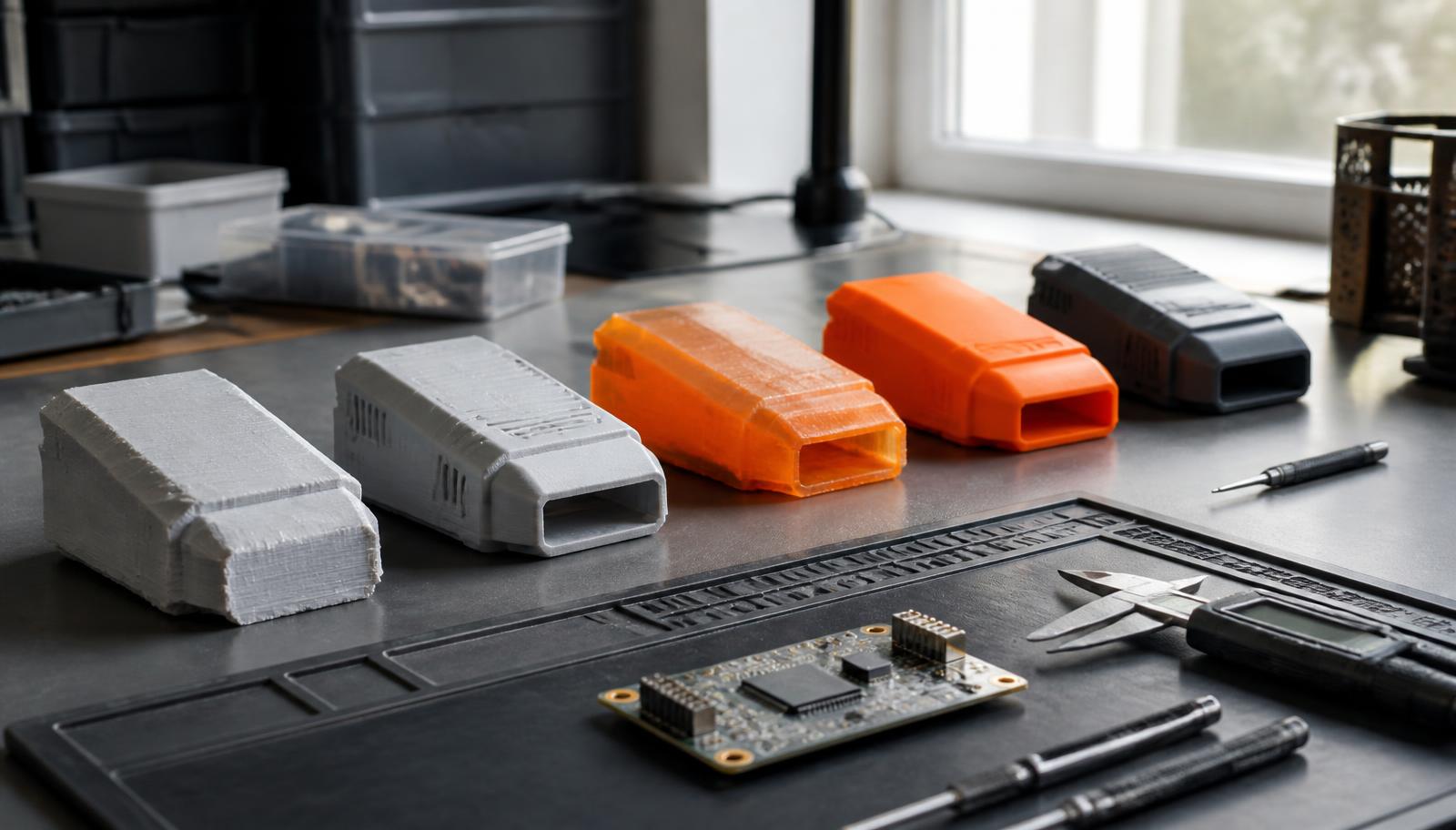
How to Make a Prototype: A Step-by-Step Guide
Learn how to make a prototype the way product teams actually do it: pick the question first, build the lowest fidelity that answers it, and escalate only when the answer requires it.
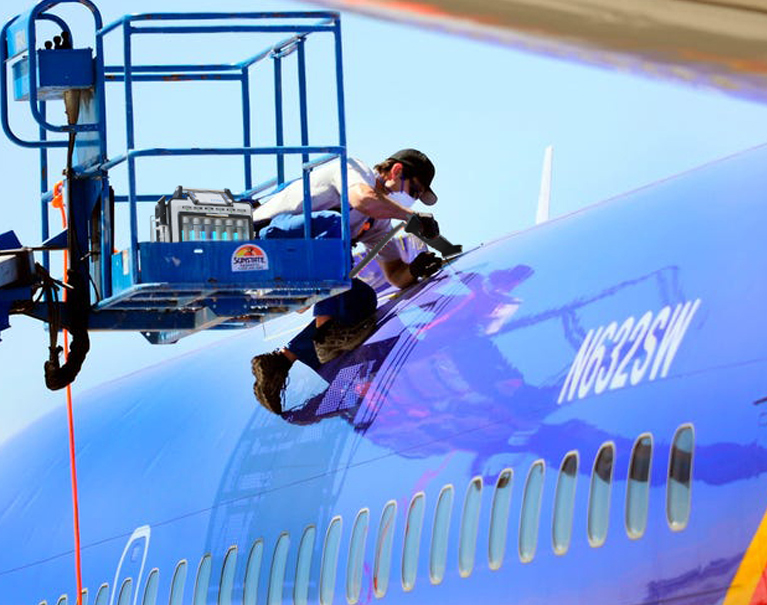
Direct to Phase II: What the Grapheno-1 Prototype Had to Prove
Skipping Phase I means the prototype carries the whole feasibility argument. Here is how a field-deployable electrochemical crack repair system was engineered under a Direct to Phase II award.
Services related to this guide
- Rapid prototypingWorking prototypes in days, from 3D printing to vacuum casting.
- Prototype designLooks-like, works-like or pre-production: what each proves and what it costs.
- 3D modeling servicesParametric CAD, renders and print-ready files built for manufacturing.
- Order a prototypeSend a part or an idea and get a build quote back.