Adaptive Prototyping: How to Iterate Without Wasting Resources
In a world where product lifespans shrink from years to months and customer expectations shift daily, innovation isn’t optional — it’s survival. Manufacturers, software houses, and systems engineers must launch new solutions…
July 25, 20257 min read

Written by Ralph Hill, Mechanical & electrical systems, 3D manufacturing
Prototyping Engineer
Published July 25, 2025Updated September 2, 2026
Iterative prototyping means building the smallest model to answer your biggest question. You learn and repeat instead of seeking one perfect build. Product lifespans now shrink from years to months. Teams must launch fast to save time, money, and skill. This needs more than creative bursts. It needs a firm loop where every step teaches you something.
1. The Innovation Imperative
- Shrinking life cycles • Hardware refreshes every 6–12 months (e.g., smartphones) • SaaS feature updates every 2–4 weeks
- Rising expectations • 87% of consumers expect continuous improvements in digital products • Enterprise clients demand configurable platforms on day one
- Efficiency metrics • Time-to-market reduction by up to 50% correlates with 25% higher profit margins • Every 10% cut in rework saves 5–7% of project budget
Old R&D models fail under this new pressure. Teams with rigid plans risk launching old features. Teams that just move fast create technical debt. Adaptive prototyping finds the right balance.
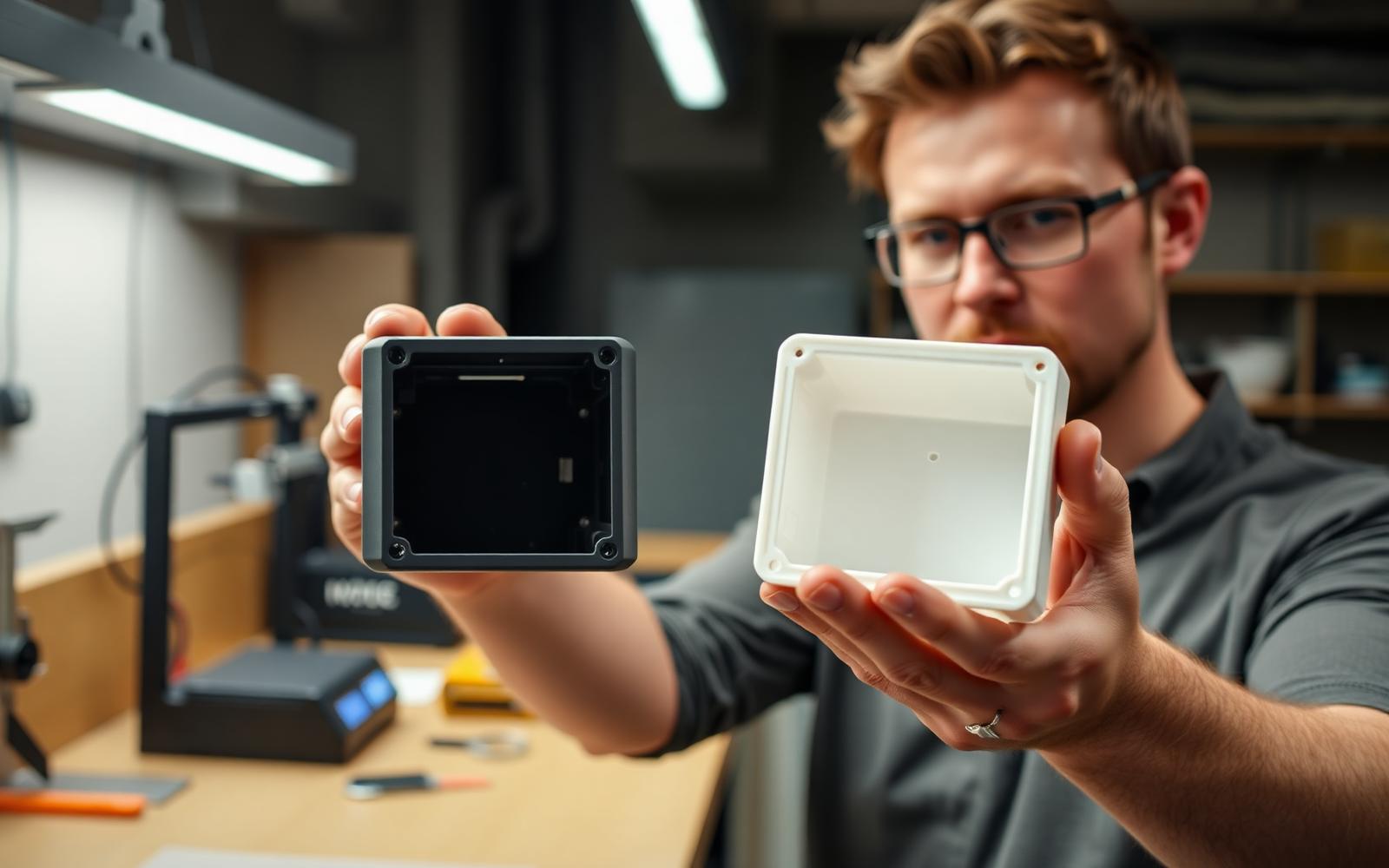
Figure 1: Entering adaptive prototyping.
2. Prototyping: The Innovation Accelerator
A prototype shows more than a final product. This includes a digital wireframe, 3D-printed shell, or service blueprint. Strategic prototyping:
- De-r risks feasibility: early tests reveal technical constraints (e.g., API throughput, material tolerances)
- Guides resource allocation: prototypes that succeed in user studies warrant further investment
- Fosters stakeholder alignment: tangible models replace ambiguous specs.
Prototype Type | Primary Use Case | Key Tool Examples |
|---|---|---|
Digital Mock-up | UI/UX validation | Figma, Adobe XD, Sketch |
Physical Model | Ergonomics, manufacturability | 3D printing, CNC prototypes |
Conceptual Blueprint | Process flows, system integration | Miro, Lucidchart, Visio |
3. The Case for Adaptive Strategies
Stiff Gantt-chart plans break. This happens when markets shift or rules change. Flexible methods welcome uncertainty through:
- We use iterative cycles. These cycles involve speculating, collaborating, and learning. We get rapid user feedback. We also hold co-creation workshops. We continuously analyze why features have gaps. This helps us understand root causes.
Core frameworks include:
- Human-Centered Design (HCD)
- Lean Startup’s Build-Measure-Learn loops
- Thinking and Working Politically (TWP) for navigating institutional dynamics
These methods work well outside of software. Nonprofits, aid agencies, and hardware firms use them. They help with complex, changing situations.
4. Adaptive Prototyping in Action: Asd Methodology
Adaptive Software Development (ASD) combines rapid prototyping with good engineering. This helps with software projects that are hard to plan. ASD comes from RAD and evolutionary lifecycles. It uses three phases that overlap:
4.1 Speculate
- Purpose: Swap exhaustive specs for a hypothesis-driven charter
- Activities:
- Define high-level goals (e.g., “Reduce onboarding time by 40%”)
- Prioritize features by business value, not by alphabetical order
- Time–box planning sessions (1–2 days) with cross-functional teams
4.2 Collaborate
- Purpose: Build and test in parallel
- Practices:
- Dual-track workflows: Development + Experimentation
- Daily stand-ups with stakeholders and end-users
- Pair-programming and live demos replace thick docs
4.3 Learn
- Purpose: Validate technical performance and user impact
- Activities:
- A/B tests and cohort analysis for feature acceptance
- Automated test coverage (unit, integration) combined with exploratory hands-on testing
- Production rollout via feature flags and container orchestration (Kubernetes, Docker Swarm)
5. Real-World Case Studies
- Spotify’s Squad Model • Squads own end-to-end features, prototype in “spikes,” and release on demand. • Result: 30% faster feature deployment, 20% higher developer satisfaction.
- Amazon’s “Working Backwards” • Prototype customer press releases and FAQs before writing code. • Ensures user value is baked into the product vision from day one.
- NASA’s Rapid Prototyping Lab • Builds avionics breadboards to test under flight-like stresses. • Cuts hardware iteration cycles from 12 months to 3 months.
Contact us today to learn how LA NPDT can assist in realizing your project.
6. Integrating Requirements Engineering
Adaptive prototyping does not ignore official requirements. Instead, it adds them to every work sprint.
- User stories with 3-part acceptance criteria
- Behaviour-Driven Development (BDD) scenarios as living documentation
- Continuous backlog grooming to adjust priorities based on prototype learnings
This lean approach to requirements helps. It brings agility and clarity. There are no more stale, old spec documents.
7. Prescriptive vs. Adaptive Models
Aspect | Prescriptive (Waterfall) | Adaptive (ASD / Agile) |
|---|---|---|
Planning Horizon | Months to years | Sprints (1–4 weeks) |
Change Embrace | Resistance | Encouraged through iterations |
Documentation | Heavy, upfront | Lightweight, living (wikis, user stories) |
Release Frequency | One big launch | Incremental, continuous delivery |
Risk Management | Spec reviews, phase gates | Frequent demos, metrics dashboards, retrospects |
Adaptive models keep a structure. This includes a definition of done, coding standards, and retrospectives. They use these rules in a flexible way. This helps to improve learning and delivery.
8. Best Practices for Adaptive Prototyping
- Value-First Mindset: Shift from “perfect code” to “highest-impact MVP.”
- RAD Techniques: Time-boxing, JAD workshops, customer co-creation labs.
- Emergent Leadership: Empower product-area champions to make real-time trade-off decisions.
- Toolchain Synergy:
- Issue Tracking: Jira, Azure DevOps
- CI/CD: Jenkins, GitLab CI, GitHub Actions
- Containerization: Docker, Kubernetes
- Monitoring: Grafana, Prometheus
9. Why Adaptive Prototyping Matters
As business conditions change, adaptive prototyping helps. New rules, new technology, and pandemic shifts affect businesses.
- A systemic view to unearth hidden dependencies
- A culture of experimentation that lowers innovation risk
- A resource-efficient cycle that maximizes ROI each sprint
You might be building new consumer apps. Perhaps you are making industrial control systems. Or, you could be creating health-tech platforms. Adaptive prototyping helps you learn faster. It makes things stronger. This leads to lasting results.
10. Roadmap to Adoption
- Assess Readiness: Conduct a “prototype maturity” audit — teams, tools, processes.
- Pilot Program: Run a small project using Speculate-Collaborate-Learn.
- Scale Up: Train squads on lean prototyping methods; embed KPIs.
- Optimize: Use analytics dashboards to track cycle time, test coverage, user satisfaction.
- Institutionalize: Make adaptive prototyping a core competence — update your playbooks and org structure.
CONCLUSION
Adaptive prototyping is more than a set of tools. It is a key skill. It blends firm plans with new finds. This helps firms beat change and please customers. It builds strong products that thrive in any market.
Budgeting an adaptive prototype program
Adaptive projects often fail because of bad budgeting, not because of bad engineering. Set money aside for each round, not for each part. For a $40,000 hardware prototype budget, a good split is: 15% for first-round mock-ups.
These mock-ups check if the idea is possible. 35% for second-round "works-like" builds. These include real electronics and software.
30% for third-round units. These units look and work like the final product. Use them for user testing and early checks.
Keep 20% in reserve. This covers unexpected problems. Teams that spend this reserve too soon usually run out of money before the design is final.
For each round, track three numbers. Note the cost for each unit built. Record the days from approval to having parts.
Count how many open risks are resolved. If the unit cost goes up, but resolved risks stay the same, the project has changed. It is no longer about learning; it's about making it perfect.
In this case, stop making changes to the design. Move to pilot production tools instead. Before the first round, write down a "stop rule."
The project finishes prototyping when all safety risks have passed tests. It also stops when the parts list cost is within 10% of the target price at full production. Finally, it stops when two builds in a row need no changes to parts that require tools.
Share this rule with the entire team, including the manufacturer. Then, no one has to debate if another round is worth the money.
Frequently asked questions
What is adaptive prototyping?
Adaptive prototyping blends firm plans with flex. It helps teams launch new tools fast. This method saves time, money, and staff. It stops old features and technical debt seen in old R&D. Adaptive prototyping supports constant work and learning from feedback. This works well for risky tasks and shifting worlds.
How does adaptive prototyping reduce risks and improve resource allocation?
Adaptive prototyping cuts risk by showing tech limits early. It helps guide where to spend money. You invest more in models that pass user tests. This process helps teams agree by using real models. These models replace vague plans. Early tests and steady feedback lead to better results and less waste.
What are the Core Phases of the Adaptive Software Development (Asd) Methodology?
The ASD method has three parts: Speculate, Collaborate, and Learn. Speculate sets high goals and picks features. Collaborate means you build and test with stakeholder input. Learn checks tech work and user impact. It uses A/B tests and auto tests. This loop supports good engineering.
What are the benefits of adaptive prototyping for businesses?
Adaptive prototyping helps firms react to fast-changing markets. It gives a clear view to find hidden links. It builds a culture of testing, which lowers the risk of new ideas. This method uses resources well to boost returns in every sprint. It speeds up learning and creates lasting results in many fields.
How does adaptive prototyping integrate requirements engineering?
Adaptive prototyping adds project needs to every sprint. It uses user stories with three-part rules for success. BDD scenarios act as living records for the team. Constant backlog work shifts goals based on what you learn. This lean method gives you speed and clear focus. It gets rid of old and stale spec papers.
Sources and standards
- ISO/ASTM 52900 defines additive manufacturing terms. It sets standard definitions for these processes.
- NIST researches additive manufacturing. This research supports 3D printing quality for materials and processes.
- USPTO offers patent basics. Find official guidance for provisional and non-provisional new product filings.
How many iterations do you actually need?
Most hardware programs we run converge in three to five prototype rounds. The number is not a target; it is the byproduct of writing down the riskiest open question before each build and stopping once that question is closed. Teams that skip the question end up with eight rounds of cosmetic revisions and no answers.
Round | Question it answers | Fidelity | Typical cost |
|---|---|---|---|
1 | Does the core mechanism work at all? | Looks-like or works-like mock-up | $500 - $2,500 |
2 | Does it fit the user, the hand, the bench? | 3D printed ergonomic study | $1,500 - $6,000 |
3 | Does it survive real use and real duty cycles? | Functional engineering prototype | $6,000 - $25,000 |
4 | Can it be made repeatably at target cost? | Pre-production or bridge tooling unit | $15,000 - $60,000 |
Frequently asked questions
How do I know when to stop iterating? Stop when the next build would not change a decision. If no one can name the decision it unlocks, the round is polish, not learning.
Can iterations run in parallel? Yes. Independent risks such as electronics, enclosure, and user interface can be prototyped simultaneously as long as the interfaces are frozen in a short control document.
Need a second set of eyes on your program? Talk with our team or explore our rapid prototyping services. We work with inventors and manufacturers from Ruston, Louisiana, Monday through Friday, 10am to 6pm Central Time.
Filed under:Uncategorized
Services related to this guide
- Best prototyping companiesDevelopment firms, instant-quote bureaus and local shops — who fits which job.
- Free prototype cost calculatorFive to eight questions, an instant cost range for a first prototype.
- Prototype development companiesWhich firms take a sketch to a working prototype — and which only fabricate parts.
- Rapid prototypingWorking prototypes in days, from 3D printing to vacuum casting.