Design for Manufacturability: Turning Designs into Products
Design for Manufacturability (DFM) constitutes a critical engineering methodology aimed at optimizing the design of components and systems to ensure their manufacturability at reduced cost and complexity without compromising…
July 6, 20258 min read

Written by Konstantin Dolgan, Ph.D., NPDP
Founder & CEO, Product Development Engineer
Published July 6, 2025Updated September 2, 2026
Design for Manufacturability (DFM) is a key engineering method. It helps you design parts that are easy and cheap to make. This method adds manufacturing needs to the product development process early. It helps lower costs and keep quality high.
Studies show that design sets 75% to 90% of a product's final cost. You must use DFM early to stop waste later. As Stoll (1990) noted, DFM uses policies and tools to improve cost and quality. It also helps with service needs and recycling.
Functional Objectives of DFM
The DFM framework pursues several core objectives:
- Find product setups that make manufacturing easier. These setups naturally support efficient processes.
- Focus on designing parts and systems. They should make assembly simple.
- Connect how products are designed with how they are made. This helps operations and finances work together smoothly.
Implementation Methodology
DFM has three main parts: first design, the shift to making it, and full production. This step-by-step method helps you find and fix risks. DFM tasks match each process. For example, mold flow tests help with plastic parts. Geometric limits guide sheet metal work.
Using DFM early cuts your time-to-market and stops rework. It also boosts product quality. Key tasks include checking designs and finding cost drivers. You can also spot production blocks early in the cycle.
Design Principles Supporting Manufacturability
Design Simplification
Try to cut down the number of separate parts. Make geometric features simpler. Reduce manufacturing steps. A simpler product design saves money. It also makes things more reliable and easier to fix.
Utilization of Standardized Materials and Components
Use materials and parts that are easy to find and buy. These standard choices lower your costs. They also cut lead times and tool costs. You will speed up your work by using common items.
Design Standardization Across Product Lines
Use the same materials, parts, and modular sections. Do this across many product types. Standard designs make processes better. They cut down on training needs. They also limit the number of tools and fixtures you need.
Appropriate Tolerance Specification
Do not use tight limits unless the part needs them to work. High precision needs better tools and more time. It also needs more skill and more checks. These factors raise costs and create more scrap.
Material Process Compatibility
Choose materials that process well and meet your design needs. The best materials might cost more per unit. However, they often lower your total production and lifecycle costs.
Collaborative Design with Manufacturing Personnel
Encourage early talks between designers and factory teams. Working together helps create good solutions. These solutions work well. They are also cost-effective from the start.
Minimization of Secondary Operations
Design your parts to remove steps that do not add value. Avoid extra deburring, heat treatment, or surface finishing. Use flat surfaces and clear datums to help make processing fast.
Volume-Appropriate Design Strategy
Match the product's design and how it's made. Do this with its planned production amount. Do not make low-volume products too complex. Also, do not make high-volume products too simple.
Exploitation of Specific Process Capabilities
Use the natural perks of each making method. You can use powder metallurgy's holes for self-oiling. You can also mold textures right onto a part to avoid extra steps later.
Minimized Manufacturing Method Prescriptiveness
Only list critical functional needs. Do not tell people how to make things unless you have a good reason. This lets manufacturing engineers choose the best processes. These processes will be cost-effective and capable for the work.
Organizational Accountability
DFM responsibilities span multiple functions:
- Design Engineers use DFM tools. They find and fix manufacturing problems early in new designs. They anticipate issues.
- Cost Engineers use DFM frameworks. They look for ways to cut costs. This applies to older systems and production methods.
Organizations can make DFM a standard practice. This helps them compete well for a long time. They do this through smart design, good operations, and planning for the future.
Design for Manufacturability (DFM) is not just for design engineers. It needs a team effort. Many experts share knowledge to make sure your product development stays high quality and stays on budget.
Key contributors to the DFM process include:
- Product Management: Product managers combine customer needs with business goals. They ensure design solutions match market demands and company objectives. This is crucial for success.
- Quality Assurance (QA) & Quality Control (QC): These teams set and enforce quality standards. They implement checks to find defects early in the design stage. This prevents bigger problems later.
- Supply Chain and Procurement Specialists: These teams find materials and parts. They make sure chosen suppliers can always provide items. These items must meet performance and cost needs.
- Cost Estimators: Cost estimators predict manufacturing costs. They give economic feedback during design changes. This helps make cost-aware decisions.
- Tooling and Equipment Engineers: These experts choose the right manufacturing tools. They also design fixtures. Their goal is to optimize efficiency, precision, and scalability.
- Cross-Functional Integration Teams: These groups encourage communication between departments. They ensure that DFM rules are used consistently. They also track their use across all areas.
- External Manufacturing Partners: Contract manufacturers and suppliers offer feedback. They comment on feasibility and compliance. This is especially true for outsourced parts and tasks.
- Testing and Verification Units: These teams create and use inspection methods. They confirm the product's durability and reliability. They also check for regulatory compliance.
- Regulatory Affairs Professionals: These specialists ensure the design follows industry rules and laws. They reduce risks related to certification. They also help with market entry.
- Continuous Improvement (CI) Engineers: CI teams use lean methods and data insights. They work to make production more efficient. They also reduce variations over time.
DFM and Its Relationship to Dfx
DFM is different from Design for Assembly (DFA). It is a larger part of the Design for X (DFX) method. DFX looks at quality, repairs, and the environment. These tools help you make smart choices for the whole life of a part.
Contact us today to learn how LA NPDT can assist in realizing your project.
Core Tenets of Modern DFM Practice
As DFM became a key part of product making, some basic rules came out.
- The manufacturing process affects the environment and cost. Advanced DFM systems help compare processes. They look at performance, delivery, and sustainability.
- Design choices like shape or material drive costs. Cost modeling platforms let engineers see the financial impact of design features.
- Using standard parts or modular designs makes manufacturing easier. This also shortens lead times. It improves how products can be maintained.
- Specifications should match function and cost. Very tight tolerances raise production costs. They often don't improve performance enough to justify this.
- How tools are designed impacts cost per unit. It also affects how flexible production can be. New methods like 3D printing can lower tooling costs.
- DFM includes testing and rules early in design. This prevents expensive changes later. It also helps avoid legal issues.
Structured DFM Deployment: A Three-Phase Approach
- Integrate DFM early. Assess how easy it is to make during concept and prototype stages. This helps designs change fast. It avoids problems later on.
- Work together across teams. Enable real-time cooperation. This includes engineering, buying, and production staff. Use digital tools and shared development areas.
- Combine DFM with cost models. Do cost modeling at the same time as DFM reviews. This helps you fully optimize how things are made. Consider materials, tools, labor, and shipping.
Conclusion
Design for Manufacturability is key for new products today. It links technical skill, low costs, and green goals. As parts get complex and markets move fast, DFM turns your ideas into goods ready for the factory.
DFM Design Principles
Principle | Benefit |
|---|---|
Design Simplification | Reduces components, streamlines features, lowers costs. |
Standardized Materials/Components | Lowers procurement costs, shortens lead times, reduces tooling. |
Design Standardization | Optimizes process efficiency, reduces training, limits tooling. |
Appropriate Tolerance Specification | Avoids advanced tooling, longer cycles, higher skill needs. |
Material Process Compatibility | Supports efficient processing, lowers total production cost. |
Sources and standards
- ISO 9001 quality management is a common quality system standard. Most contract manufacturers have this certification. It ensures high quality.
- NIST Manufacturing Extension Partnership is a federal support network. It helps U.S. manufacturing companies.
- USPTO — patent basics offers official guidance. It explains provisional and non-provisional patent filings. This is for new products.
Running a DFM review that actually changes the drawing
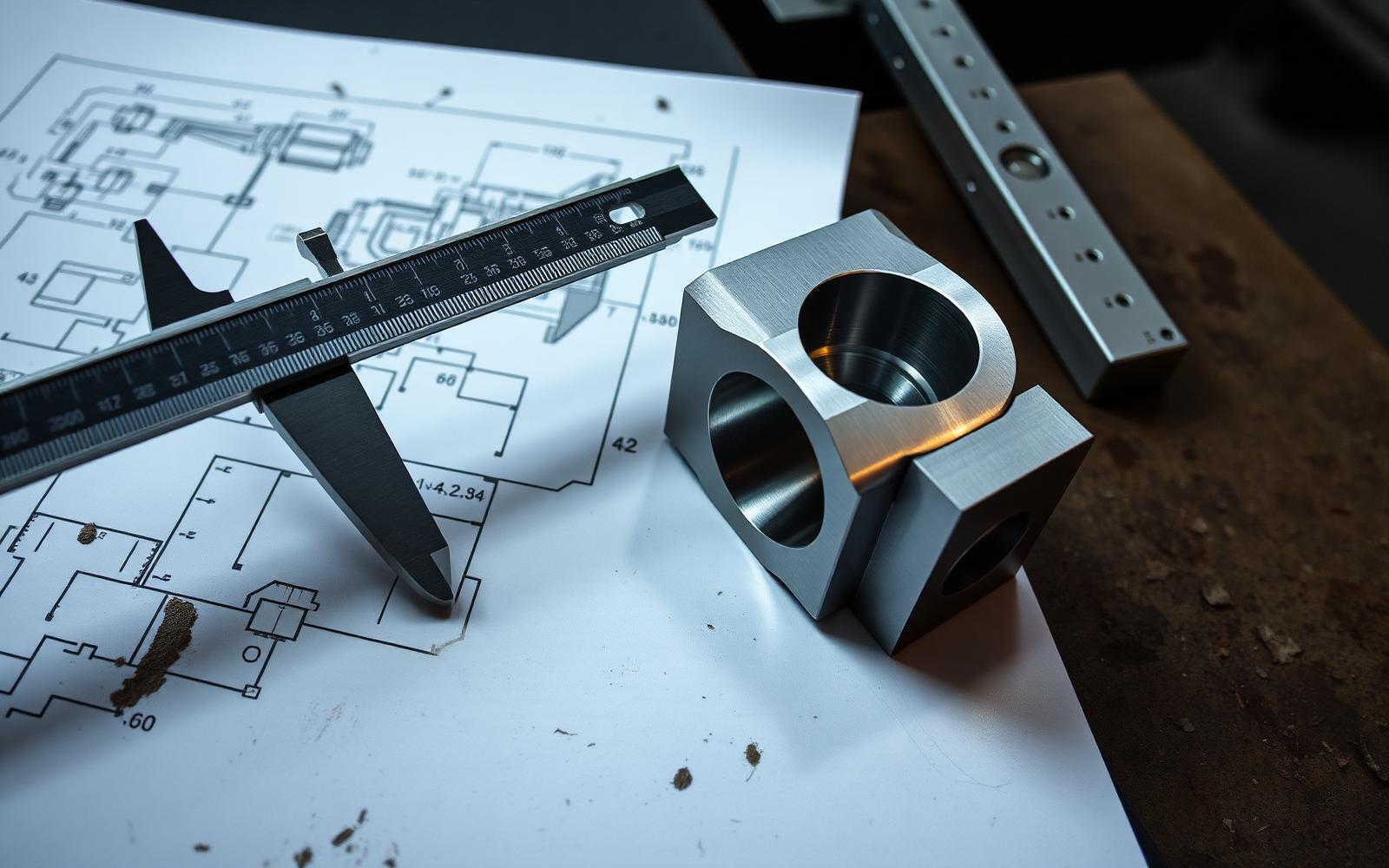
A DFM review fails when it is just a slide show. The supplier talks while the design team nods. Nothing on the drawing changes. A good review is tough. The maker must name three features that cause scrap. The designers must say which sizes are needed and which are just defaults. Most cost stays in those defaults.
For an aerospace supplier, this work must happen. Every tight tolerance adds time for checks, tools, and forms. The review must produce a marked drawing with three choice types. These are features to loosen, redesign, or keep and pay for. Any part not in a column was not truly reviewed.
Review item | Question to ask the supplier | Typical fix |
|---|---|---|
Tolerances | Which callouts drive your inspection plan? | Loosen non-functional dimensions to standard stock |
Datums | Can you fixture from these in one setup? | Re-scheme datums to reduce setups |
Wall sections | Where will you see sink, warp or thin-wall risk? | Even out sections; add ribs instead of mass |
Finishes | Which cosmetic spec costs the most yield? | Restrict the cosmetic zone to visible faces |
Assembly | Where can an operator install this backwards? | Add poka-yoke features and asymmetry |
Hold the review before spending money on tools. Then, hold it again after the first item is made. During this second review, actual process data replaces guesses. This step is usually the cheapest way to cut costs in the entire project.
Frequently asked questions
What is Design for Manufacturability (DFM)?
Design for Manufacturability (DFM) is a way to improve product design. It makes making things easier and cheaper. DFM puts shop needs into the first design steps. This helps cut costs and raise quality. It covers rules, tools, habits, and how teams think.
Why is DFM important for product development?
DFM is key because design sets most of a product's lifecycle cost. Studies show design fixes 75% to 90% of these costs. Using DFM early stops waste later. It helps cut down on rework and makes products better.
What are the main objectives of DFM?
The DFM method finds the best ways to build a product. It focuses on part design to make assembly simple. It also links product design with factory steps. This keeps costs and work in line.
How is DFM typically implemented?
DFM use has three steps. These are first design, the move to the factory, and full production. Tests fit the specific process used. Examples are mold flow for plastic or tolerances for sheet metal. Starting early gets products to market faster.
Who is responsible for DFM within an organization?
DFM is a task for many teams. Design Engineers use DFM tools to spot build issues. Cost Engineers look for ways to save money. Product Managers check if designs meet market goals. Quality teams set the standards.
Filed under:Uncategorized
Services related to this guide
- Product design servicesIndustrial design and CAD taken all the way to manufacturable files.
- Best industrial design firmsWhich studios take an idea from form to manufacturable hardware, and what they charge.
- Prototype designLooks-like, works-like or pre-production: what each proves and what it costs.
- Product development examplesReal projects we designed, prototyped and shipped.