50-unit first batch in 3 months
IoT Product Development Services: Sysdyne Delivery Sensor
- ELECTRONICS ENGINEERING
- ENCLOSURE & MECHANICAL DESIGN
- COMPONENT SELECTION
- RAPID PROTOTYPING
- TESTING & TROUBLESHOOTING
- SHORT-RUN PRODUCTION

Written by Ralph Hill, Mechanical & electrical systems, 3D manufacturing
Prototyping Engineer
Published August 30, 2026
IoT product development services turn a data requirement into a device that ships: enclosure design, component selection and electronics packaging, prototype rounds against real equipment, then the first production batch. That is the role LA NPDT played on the Sysdyne Technologies Delivery Sensor.
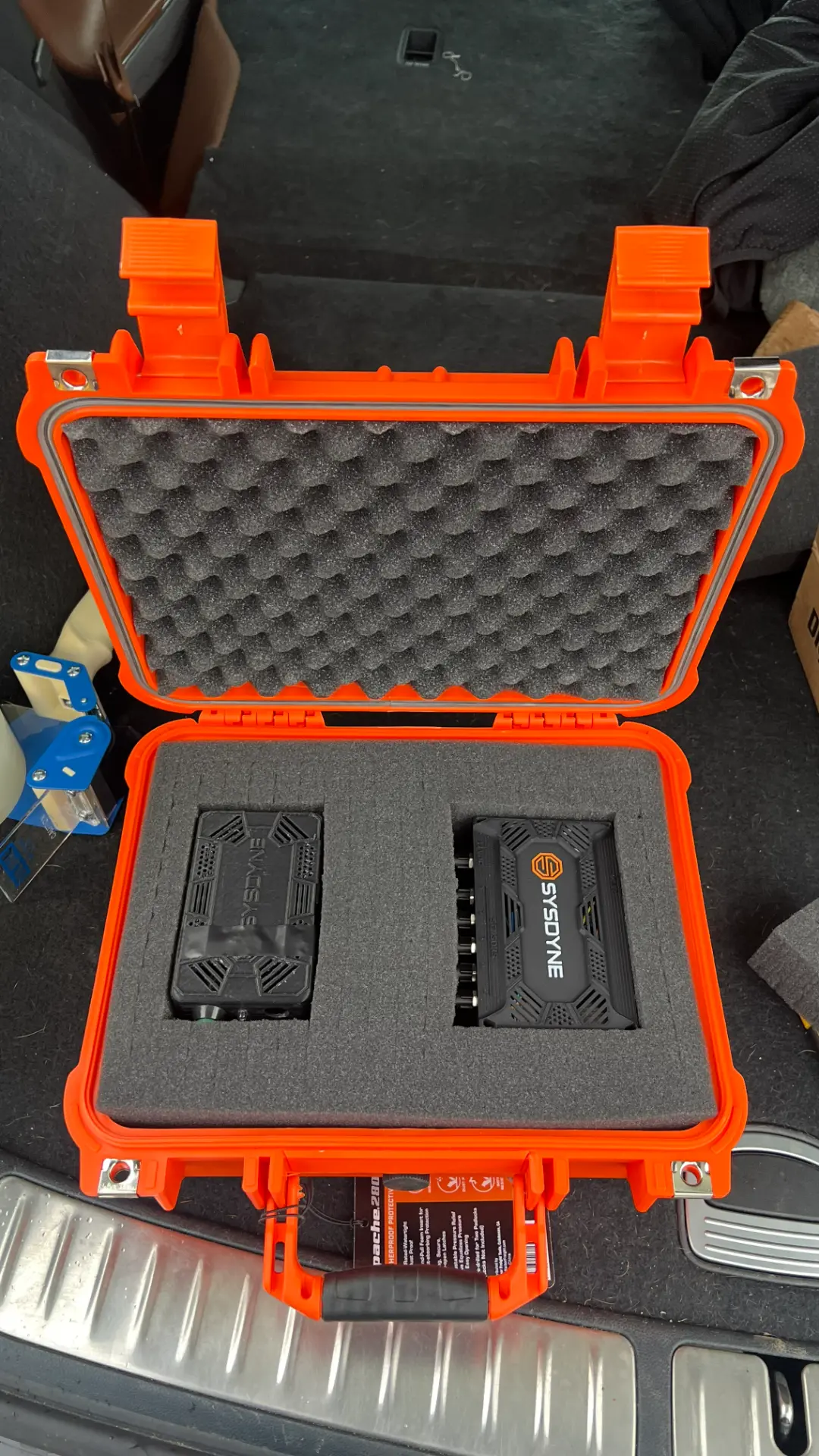
Sysdyne builds cloud-native software for the ready-mix concrete industry and needed truck-mounted hardware to feed its DeliveryGo product. We designed the sealed enclosure, packaged the electronics, shipped the first prototype in under two weeks, refined the design with their team, and made, assembled and shipped the first 50 units in under three months.
Project at a glance
- Client
- Sysdyne Technologies — cloud-native software for the ready-mix concrete industry
- Category
- Industrial IoT / vehicle telematics hardware
- Starting point
- A software product ready to consume truck data, with no hardware to produce it
- What we delivered
- Enclosure and mechanical design, electronics packaging, component selection, prototype rounds, testing and troubleshooting, on-site support, and the first 50-unit batch made and assembled
- What the device does
- Bluetooth pairing with the driver's tablet; automated truck status through the delivery cycle; water quantity recorded from the truck water meter; mixer drum speed, direction and RPM
- Timeline
- First design iteration in a week, first prototype shipped in under two weeks, beta units weeks later, 50 assembled units in under three months
- Outcome
- Sysdyne secured the key customer waiting on the technology and moved to full-scale production and deployment
The client
Sysdyne Technologies: cloud software for ready-mix concrete
Sysdyne builds the cloud-native platform that ready-mix producers run their plants and deliveries on. Their own launch video explains the business the Delivery Sensor plugs into — batching, dispatch, delivery tracking and the paperwork that surrounds every load.
Our part of that platform is physical: the truck-mounted unit that reports loading, pouring, washing, water added and drum RPM, so DeliveryGo gets its data without a driver typing anything.
- First design iteration
- 1 weekFirst design iteration
- First prototype shipped
- <2 weeksFirst prototype shipped
- First batch made and assembled
- 50 unitsFirst batch made and assembled
- Brief to shipped batch
- <3 monthsBrief to shipped batch
What the client said
★★★★★
“Konstantin is a remarkable individual to collaborate with. He consistently demonstrates an exceptional level of attentiveness and support, as does his entire staff.
Their unwavering availability and willingness to provide guidance have been instrumental in helping us improve our product.”
 Cintia PonceSysdyne TechnologiesGoogle review
The client
The challenge
- Week 1 — first design iteration. Enclosure concept, internal layout for the board and connectors, and the component decisions that follow from both.
- Under two weeks — first prototype shipped. A physical unit in Sysdyne's hands rather than a render to comment on.
- Next few weeks — beta prototypes. We worked with their team to refine the design and test different sensor and connector configurations, then shipped beta units.
- On site. One of our engineers travelled to their facility after the beta units shipped to help with installation, troubleshooting and testing on real equipment.
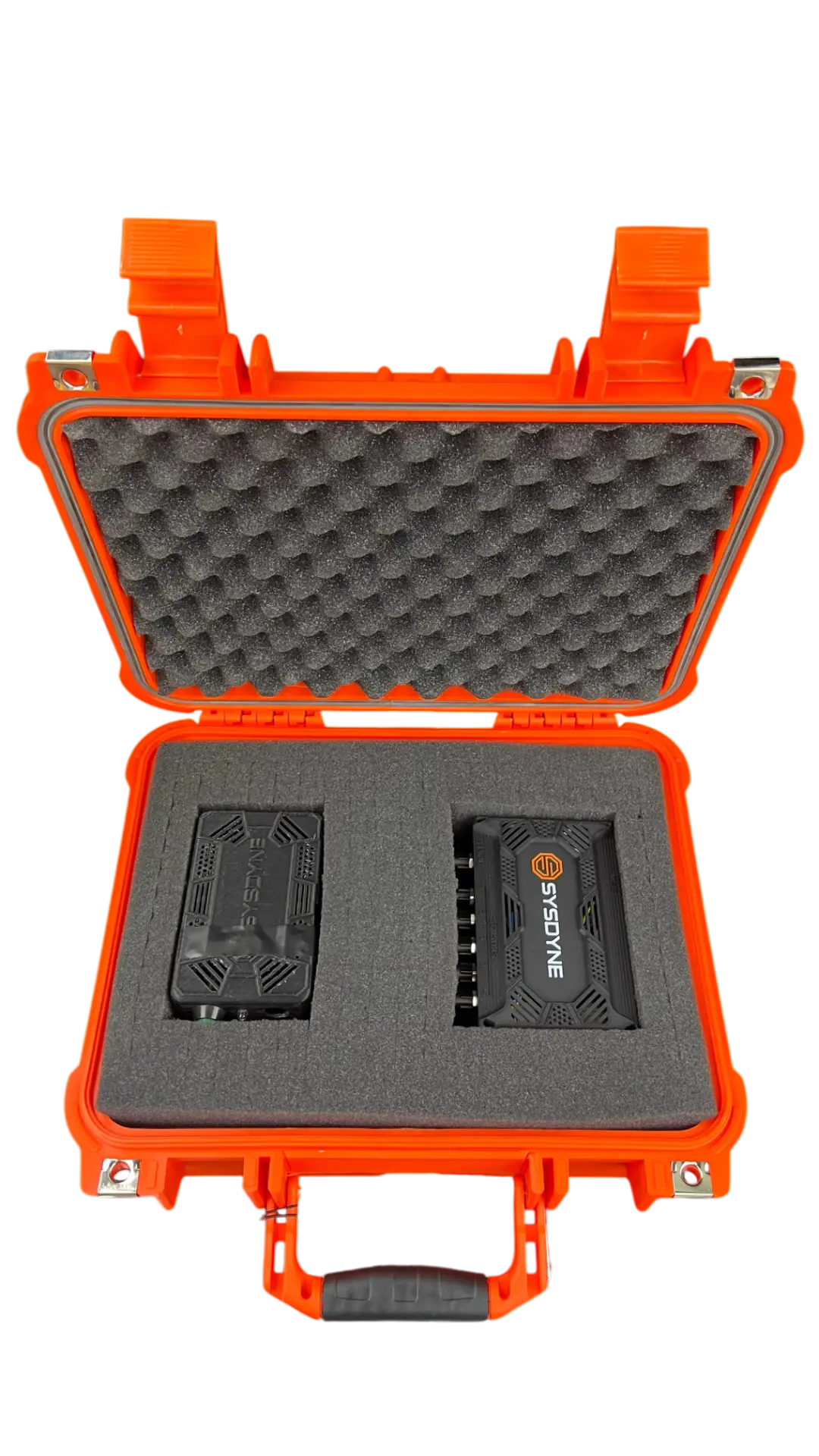
- Under three months — 50 units. Once the configuration was approved we made the parts, purchased and assembled the electronics, integrated and packaged every unit, and shipped the batch.
Our solution
Enclosure Design and Electronics Packaging
Prototype Rounds, Testing and On-Site Support
Making and Assembling the First 50 Units
The result
Capabilities used on this project
Rapid prototyping services
3D printing, CNC machining, urethane casting and functional prototype builds with published materials, tolerances and lead times.
Low-volume manufacturing
Bridge tooling, short-run production and supplier management for first commercial batches.
Electronic design and PCB engineering
Schematic capture, PCB layout, firmware and electromechanical integration for connected hardware.
How IoT hardware gets from requirement to first batch
The sequence that turns a software company's data requirement into installed devices, using the decisions this project actually made.
Start from the install, not the schematic
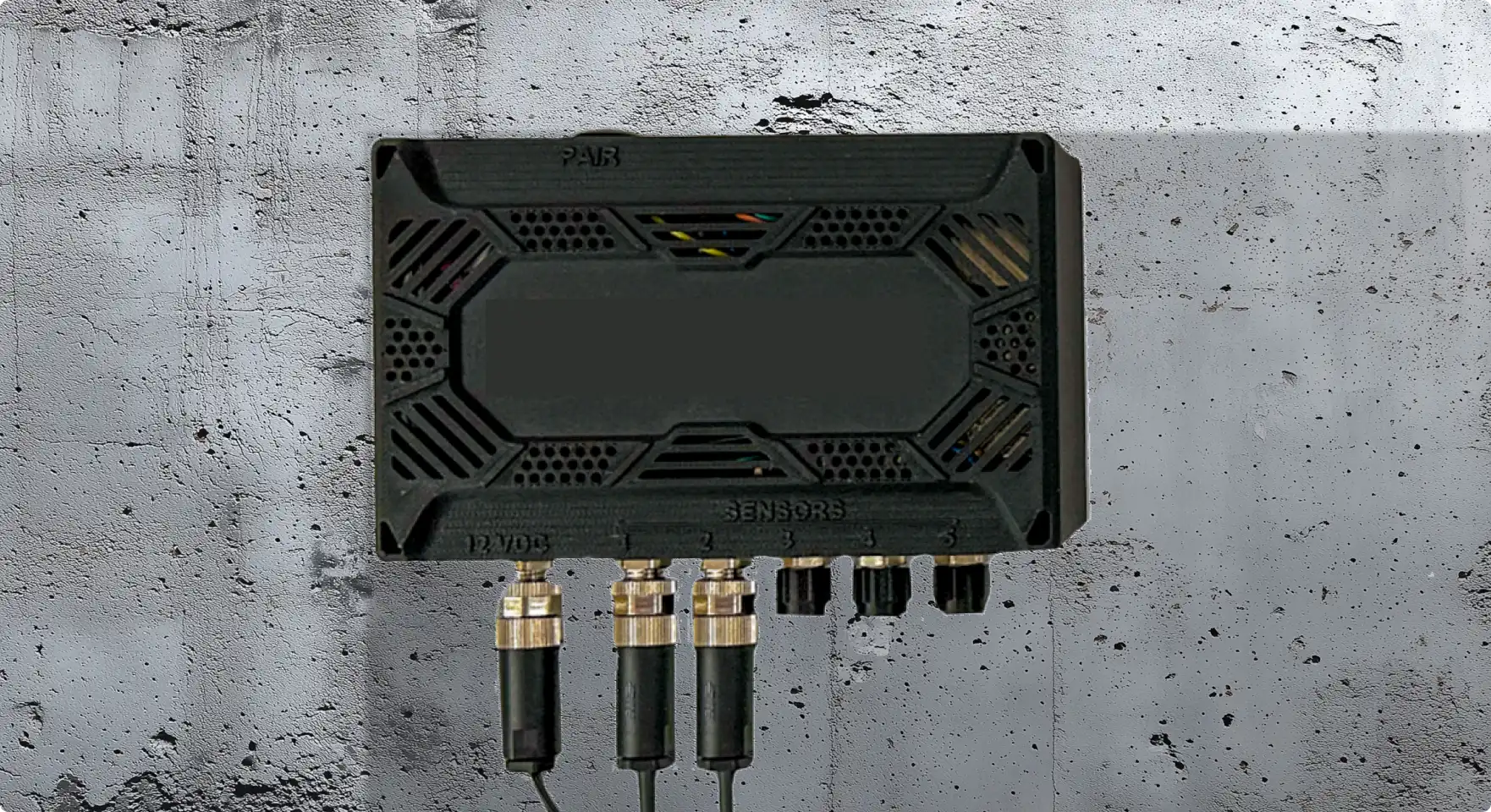
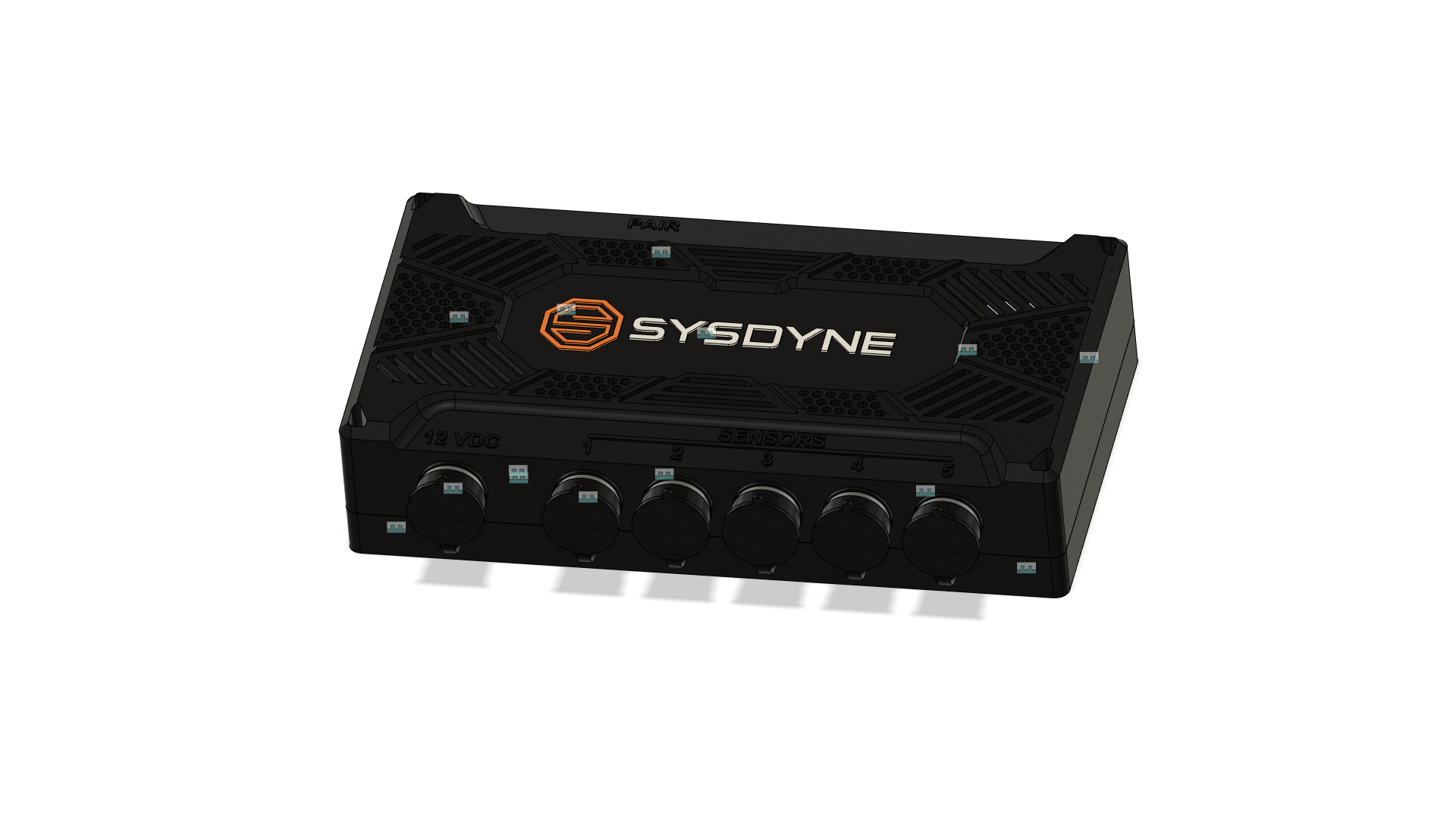
The Delivery Sensor lives on a mixer truck: vibration, wash-down water, concrete dust, temperature swings and cables that get pulled. Those loads set the enclosure architecture — sealed body, structural ribbing, corner mounting bosses that carry load into the vehicle instead of the electronics, and a single connector face so the harness can be strain-relieved as one bundle.
Select components against availability, not just spec
Connector series, sealing rating, glands and mounting hardware were chosen with the client for parts available in quantity that need no special assembly step. A part that is perfect on paper and eight weeks out stops a batch; that trade is made at design time, not at purchasing time.
Ship a physical prototype in weeks, not months
The first design iteration was ready in a week and the first prototype was in the client's hands in under two. A prototype that can be installed and run against the real software produces better feedback in days than a render review does in a month.
Test configurations side by side
Mounting position, cable exit, which sensor inputs matter and behaviour on power loss were resolved by building the options and testing them, then shipping beta units a couple of weeks later. One of our engineers travelled to the client's facility to support installation, troubleshooting and testing on real trucks.
Design the assembly, then build the batch
Board seats one way, harness routes one way, lid closes on a gasket with a fixed screw pattern. That is what makes fifty units feasible on a compressed schedule: we made the parts, purchased and assembled the electronics, integrated and packaged each unit, and shipped the batch as field-ready kits.
| Route | What it does |
|---|---|
| Contract manufacturer alone | Builds what you hand them. Works once the design is finished and proven — it does not produce the enclosure, the component decisions or the prototype rounds that get you there. |
| Offshore vendor | Quotes low per unit at volume, and pays for it in weeks of round-trip time on every change. Poor fit when the design is still moving and the launch date is fixed. |
| Design partner that also builds the first batch | Owns enclosure design, component selection, prototypes, testing and the first units under one roof, so a change lands in the next build instead of the next quarter — the route this project took. |
Questions about this project
Straight answers from the engineers who ran the build. Have a different question? Ask us directly.
Talk to an engineerHow fast can a sensor enclosure realistically go from brief to first prototype?
On this project the first design iteration was ready in a week and a physical prototype shipped in under two. That pace depends on the client answering questions in hours rather than days and on scoping the first unit to test the risky decisions — mounting, sealing, connector face, internal layout — rather than trying to be final.
Why not just use an off-the-shelf enclosure?
Off-the-shelf boxes are a fine starting point, but they force the connector face, the mounting and the internal layout to be whatever the box allows. Here the install had to be one-direction cabling with a labelled power input, five numbered sensor ports and a pairing control a driver can find — that interface is the product, so it was designed rather than adapted.
Do you make the first batch, or hand off to a manufacturer?
Both are available. On this project we made all of the parts, purchased the electronic components, assembled and integrated every unit, packaged them and shipped the batch of 50. When volume grows past that, the same design package transfers to a contract manufacturer without redesign because the part count and assembly sequence were kept simple.
Will an engineer travel to our facility?
Yes, when it saves time. After the beta units shipped, one of our engineers went to Sysdyne's facility to help install them, troubleshoot the integration and support testing on real trucks — the class of fault that is obvious in person and invisible over email.
We are a software company with no hardware team. Is that a problem?
It is the normal case for this kind of work. Sysdyne owned the data requirement and the software; we owned the electromechanical path to a device that survives the environment and can be built repeatably, and we made the component decisions jointly so nothing in the bill of materials was a surprise to their team.
Industries this project belongs to
See how we approach development in each of these categories, and the other products we have taken from sketch to production there.