Concept Design vs Detailed Design – Deciding the Right Time to Transition
The Right Moment to Shift from Concept Design to Detailed Design
December 10, 20257 min read

Written by Konstantin Dolgan, Ph.D., NPDP
Founder & CEO, Product Development Engineer
Published December 10, 2025Updated September 2, 2026
At its core, business is about managing costs. Revenues must surpass expenses by the end of the year. If not, the purpose of the business is lost. Success comes from controlling costs and growing income. A clear Budget Breakdown is the tool that makes this possible.
In business, product development has two main parts. You start with an idea and then fix the small points. Knowing Concept Design vs Detailed Design helps. The first part checks if an idea works. The second part gets everything ready for the factory.
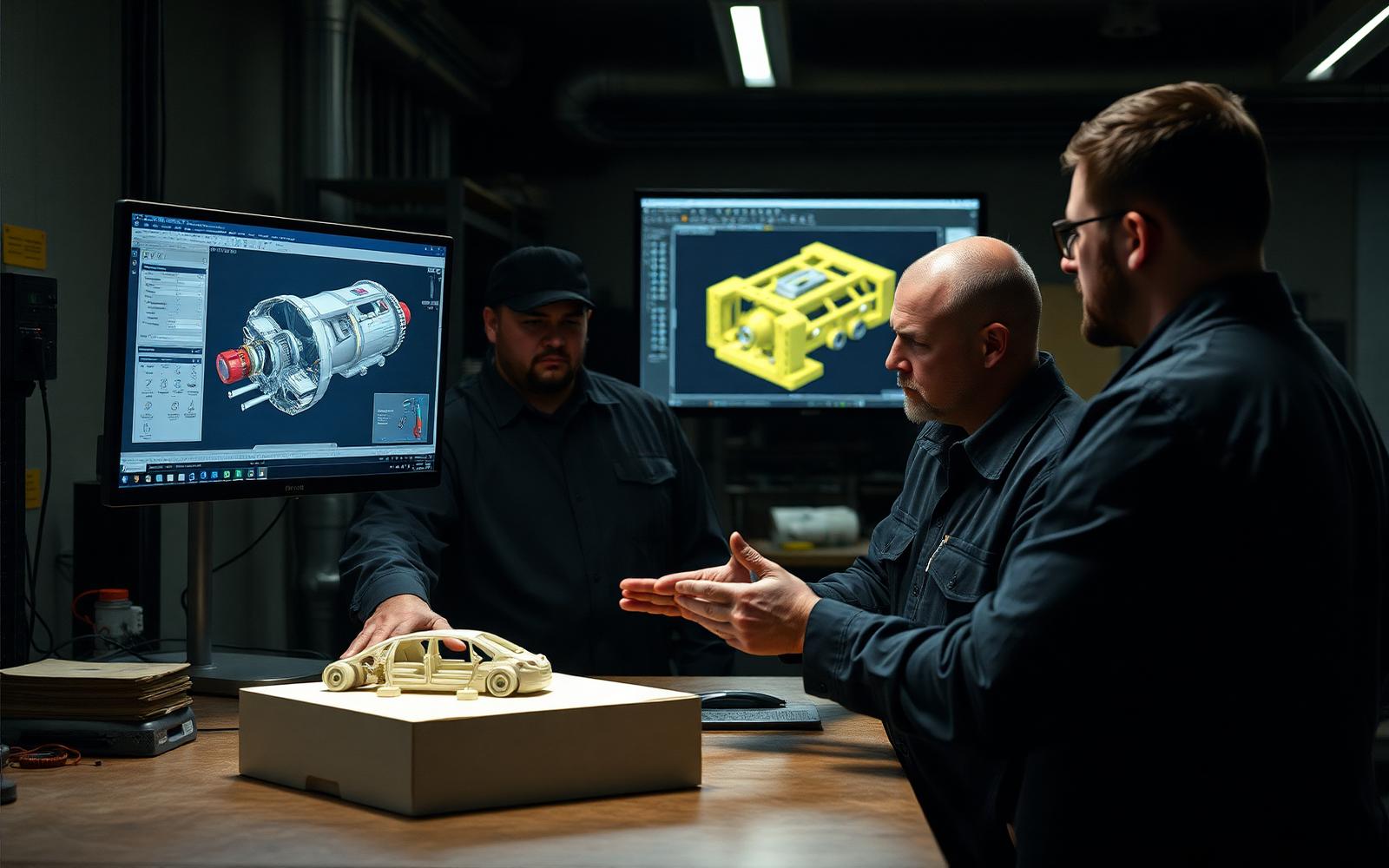
Figure 1. Traditional design process vs. design workflow in a small factory.
Conceptual Design (CD)
Conceptual design creates a working base for a new idea. This stage is for exploring. You must understand needs and look at design paths. In the talk of Concept Design vs Detailed Design, this stage is the creative start. It happens before technical work begins.
At the start of product development, the concept phase leads to fast ideas. Teams use brainstorming to build and improve these ideas. They look at many sketches, 2D layouts, and 3D models. Then, they pick a path. This shows the difference between Concept Design vs Detailed Design.
This phase brings top thinkers together to test and change ideas. The best results come from doing work over and over. Many points of view help shape the final plan.
You must find the product’s core needs. These rules act as a filter for every new idea. Each concept must meet your project goals. Teams must also check if they have the skills to build the product.
Conceptual design also matters because of the cost. ASME says about 75% of product costs are set by the end of this phase. Your early choices are vital for your design strategy.
This stage also involves capturing and organizing design rationale (DR) – the reasoning behind design decisions. Documenting this knowledge ensures it can be referenced throughout later phases.
Initial studies during conceptual design often define:
- Purpose of the project.
- Proposed location
- Total estimated cost (approximately ±30%)
Consequently, deliverables often include the design basis, major process parameters, block flow diagrams, initial space layouts, and early cost approximations.
Conceptual design provides the overarching idea. In practical terms, it may include preliminary sizing calculations and basic flowsheets, enabling rough cost estimates (±30–50%) and comparisons between different approaches.
Design means planning the structure and parts of a system. Leaders usually set the project scope. A key choice to continue, pause, or stop the project separates these two stages.
High-value projects may need more market research. First approval can lead to pilot studies. Final approval starts the engineering work. This clearly shows the move from concept to detailed design.
Detailed Design
Detailed design creates build-ready documents. It includes drawings, diagrams, and technical specs. You must use math, tests, and research to do this well. You must also follow industry standards. Many firms use CAD and FEM tools for this data. These files are often stored in different places.
When evaluating Concept Design vs Detailed Design, the detailed stage represents the highly technical, precision-driven phase that transforms an idea into a constructible or manufacturable reality.
Building a new line often starts by looking at an old one. Then you change devices, find new ideas, or build new gear. A firm shows its skill through its own standards and methods.
Example from the Architecture Field
Landscape design uses many steps. These include sketch design and detailed design. This shows why you must know the difference between these two phases.
Sketch or concept design is the first stage. You explore broad creative ideas using rough visuals. These drawings may have color but lack technical detail. Experienced contractors may read them if the project is simple.
Detailed design is the next step. You refine the chosen concept with exact technical data. This includes levels, materials, plant layouts, and drainage. It also covers lighting and construction details. Contractors use these facts for pricing and building.
Sketch Design
Concept Exploration:
Designers develop conceptual ideas through quick sketches and diagrams.
Spatial Organization:
Focuses on spatial arrangement, functional relationships, and overall aesthetics.
Client Participation:
Feedback from clients and stakeholders helps shape the design direction.
Flexibility:
Concept designs are adaptable and easy to revise.
Refinement:
The selected concept is expanded into a precise, technical layout.
Technical Documentation:
Detailed plans indicate measurements, materials, construction details, and installation requirements.
Cost Planning:
Cost estimates become far more accurate during this stage.
Compliance:
Regulatory and environmental requirements are analyzed and applied.
Taken together, sketch and detailed design illustrate a clear example of Concept Design vs Detailed Design within the architecture sector.
Contact us today to learn how LA NPDT can assist in realizing your project.
The Right Moment to Shift from Concept Design to Detailed Design
Move to the next stage when the concept and scope are firm. Make sure you confirm the layout, structure, and materials first. This stops costly changes later. You shift from abstract plans to technical work. This is a key step in Concept Design vs Detailed Design.
Signs You Are Ready to Transition
- Concept Sign-off: The client formally approves the chosen concept and layout.
- Feasibility Verified: Preliminary regulatory, site, and capability checks are complete.
- Stakeholder Agreement: All parties support the selected direction.
- Sufficient Iteration: Enough alternatives have been studied (typically 2–5).
- Clear Scope: The design intent is well-defined and ready for detailed engineering.
Conclusion
Knowing Concept Design vs Detailed Design is vital for new products. Partner with a design team skilled in both phases. Then firms can turn creative ideas into functional goods for the market.
Conceptual design sets the system foundation. Good work here prevents rework later. Poor work means you must repeat tasks. This adds cost and delays. Detailed design is the final, precise stage. Many small decisions here make sure manufacturing goes well.
Ultimately, recognizing the difference between Concept Design vs Detailed Design and transitioning at the right moment ensures an efficient, cost-effective product development journey.
Subscribe
Dive deep into the dynamic world of new product development with LA NPDT Insights Blog.
Concept Design vs. Detailed Design Overview
Feature | Conceptual Design (CD) | Detailed Design |
|---|---|---|
Primary Purpose | Establish workable system-level foundation, explore feasibility | Produce comprehensive, build-ready documentation |
Focus | High-level exploration, rapid ideation, understanding requirements | Technical precision, refining chosen concept for manufacturability |
Key Activities | Brainstorming, sketches, 2D/3D models, early cost estimates | Extensive calculations, simulations, component/assembly drawings, technical specifications |
Cost Impact | Determines ~75% of manufacturing cost | Refines and specifies components affecting final production costs |
Deliverables | Design basis, block flow diagrams, initial space layouts, rough cost (±30%) | Component drawings, assembly diagrams, technical specifications, construction details |
Frequently asked questions
What is the primary difference between concept design and detailed design?
Concept design tests if an idea can work. It creates high-level ideas in an early stage. Detailed design refines the concept. It produces build-ready files with technical specs and math for construction. The first stage focuses on ideas. The second stage focuses on precision for use.
Why is the conceptual design phase important for product cost?
The design phase is vital for product cost. About 75% of total costs are set by the end of this stage. Choices made now greatly affect the project budget. This phase lets you test ideas and find cheap solutions. You should do this before deep technical work starts.
What deliverables are typically produced during conceptual design?
Phase goals include the design basis, process details, and block flow diagrams. You also create space layouts and early cost guesses (about ±30%). This work includes sizing math to define project goals and location. These steps allow for rough price estimates and help you compare methods.
What documentation is created during the detailed design phase?
During detailed design, you make full plans for building the product. This includes drawings for parts, assembly views, and technical specs. It also involves math, tests, and research to meet industry rules. This data turns an idea into a real thing you can build or make.
When does a project transition from conceptual design to detailed design?
A project moves to detailed design after a big choice to keep going or stop. For big projects, market research or pilot studies may come first. Final approval starts the detailed work. It confirms the idea is good enough to begin technical tuning.
Sources and standards
- Industrial Designers Society of America — Professional body for industrial design practice in the US.
- Nielsen Norman Group usability research — Evidence-based usability findings applied to product interaction.
- USPTO — patent basics — Official guidance on provisional and non-provisional filings for new products.
Gate criteria: what must be true before detailed design starts
Moving to detailed design is a cash pledge, not a software switch. Once you start part drawings and tolerances, every change costs much more. Teams that move too soon waste their budget re-solving old questions. Teams that move too late waste time on sketches that makers will reject. Use a written gate to stay on track. This is a list of facts that must be true before you start.
Our gate has five items. First, the product needs list is frozen. Second, you must pick one architecture and a single concept. Third, you must test the riskiest tech guess with a physical model. Fourth, you must pick a making process for each big part. Fifth, a cost goal must exist and the concept cost must be within about 25% of it.
Gate item | Evidence required | Typical failure when skipped |
|---|---|---|
Requirements frozen | Signed PRD with measurable acceptance criteria | Scope creep discovered during tolerance analysis |
Single concept selected | Weighted decision matrix, not opinion | Two architectures carried into CAD, double the work |
Riskiest assumption tested | Physical breadboard or proof rig result | Detailed design invalidated by a late test failure |
Process named per part | Injection molded, sheet metal, machined, cast | Geometry that no supplier can quote |
Cost within +/-25% | Bottom-up estimate with quoted material | Redesign after the first real quote arrives |
What changes on the day you cross the gate
Concept design aims to learn as much as possible per dollar. Models are not finished and parts may just be simple blocks. Detailed design aims to make things the same every time. Every feature has a reason and every size has a tolerance. The team changes too. Designers and systems staff lead the start. Then, detailers and manufacturing engineers take over for the final work.
Review styles change as well. Concept reviews look for new paths and options. Detailed reviews fix errors and assign tasks. If your late reviews still create new layout ideas, you moved too fast. You should step back rather than hide the chaos.
Records change for the third time. Before the gate, a folder of sketches is enough. After it, you must use revision control. This means real drawings, change notes, and a part list for buyers. Teams that stay messy usually fail. A supplier might build a tool from an old file.
Filed under:EducationUncategorized
Tagged:2025
Services related to this guide
- Best product development companiesHow the leading US firms compare, and which one fits your stage and budget.
- Best product design companiesDesign studios compared by scope, industry and what they hand off.
- Product engineering companiesEngineering firms for physical products compared by discipline, rigor and budget.
- Consultant vs firm vs freelancerWhat each option costs, what it delivers and where to find them.