Ethical Circular Design: Reconciling Innovation with Accountability
Explore Ethical Circular Design — a sustainable approach uniting innovation, accountability, and circular economy principles to create regenerative systems.
October 8, 20257 min read

Written by Konstantin Dolgan, Ph.D., NPDP
Founder & CEO, Product Development Engineer
Published October 8, 2025Updated September 2, 2026
Over the past ten years, the Circular Economy (CE) has gained interest. Teams in business, government, and schools study it often. It serves as a framework to reduce the use of old 'linear' models.
These old models rely on traditional ways to make and use goods. The CE is a complex idea with many definitions. These views differ on goals, rules, and beliefs.
It works as a broad concept that many groups can use. These groups often have different goals or ideas. Many reviews call it a new economic model.
It replaces the 'end-of-life' idea with better steps. It uses reducing, reusing, recycling, and recovering materials. These steps happen during making, shipping, and using goods. Yet, some broad views show its flaws. It does not pay enough attention to social systems.
Figure 1. The circular economy
An Ethical Circular Design method stops the ‘take, make, use, and discard’ way of life. It places more value on our resources. This means using materials well and making products last longer. You can do this by using less and stopping waste at the design stage. Choose items you can fix, reuse, or recycle. At the end, parts must be reused at their highest value. CE also works for water and energy. The goal is to stop waste and help nature grow.
Figure 2. Circular design criteria
Global Outlook on Ethical Circular Design and Circularity
The circular economy has been a global topic for many years. Still, its part in the global economy is small. The 2024 Circularity Gap Report shows a low figure. Only 7.2% of global activity is circular today.
The circular economy is a model for using resources well. It stops the old path of taking, making, and throwing things away. Instead, CE seeks to use less and make products last longer. It aims to reuse goods and create value beyond physical items. At the same time, it helps nature heal and grow.
In Ethical Circular Design, work fits within the earth's limits. It helps all living systems stay healthy. This means solving problems like climate change and unfairness. It also means cutting pollution to protect the planet. Groups in this model have two main goals. They seek to minimize harm and maximize positive impact.
Principles of Ethical Circular Design
Design should make sure products fit into a circular system from the start. Designers need to know what users want. They must also define the product’s goal and how long it will last.
Ethical Circular Design blends CE rules with design methods. It gives tools to build a green future for every new product or firm. It is more than just a quick fix. It is a transformative philosophy for how firms shape the future. This shift in mindset and culture drives new ways to work. It helps businesses change for the better.
1. Eliminate waste and pollution
Reduce waste. Use materials wisely. Design items to last. Make them adaptable and safe. This helps minimize harm.
2. Keep products and materials in circulation
Choose reused or recycled parts. Re-use existing items. Include end-of-life plans when you design.
3. Regenerate natural systems
Shift from taking resources to restoring them. Buildings and infrastructure can then help ecosystems. For example, use green infrastructure.
Figure 3. Circular Business Model
Like all design choices, there are trade-offs. For example, you must balance reducing waste with safety, structural strength, and how long something lasts.
Contact us today to learn how LA NPDT can assist in realizing your project.
Evolution of Ethical Circular Design
Over the past 30 years, many ways to improve environmental work have come out.
- Green Design – addressing single issues (e.g., recyclability).Eco Design – considering the entire product life cycle.Sustainable Design – integrating ecological, economic, and social dimensions.
Ethical Circular Design builds on these ideas today. It adds systemic and ethical responsibility. This happens at all stages of design and use.
From Linear Models to Circular Thinking
Traditional design often focused on looks and selling. It did not consider long-term effects or what happens to products later. Methods like planned obsolescence pushed people to buy more and more.
However, Ethical Circular Design uses systems thinking. It supports closed-loop material cycles. It also helps with repair, reuse, remanufacture, and recycling.
Strategies for Ethical Circular Design in the Built Environment
- Design for durability Design for adaptability and flexibility Maximize circularity and enable disassembly Optimize material efficiency Implement best-practice waste management Reuse existing assets and resources Choose products with recycled content Use disassemblable components Select materials with clear end-of-life pathways Opt for low-impact resources Integrate green infrastructure Maintain a materials database Adopt product-as-a-service models.
- Design for durabilityDesign for adaptability and flexibilityMaximize circularity and enable disassemblyOptimize material efficiencyImplement best-practice waste managementReuse existing assets and resourcesChoose products with recycled contentUse disassemblable componentsSelect materials with clear end-of-life pathwaysOpt for low-impact resourcesIntegrate green infrastructureMaintain a materials databaseAdopt product-as-a-service models.
These strategies help embed circularity. They are used in planning, delivery, and operations. They also foster collaboration. They maximize value across project stages.
Business Transformation Through Circular Design
Ethical Circular Design changes business models. It replaces the old "take-make-dispose" method. Design choices set durability, costs, and end-of-life results. This shift needs new thinking:
- Explore our products.
- Learn about our production processes.
- Discover our services.
- Understand our business models.
This change combines creativity, system understanding, and good ethics. It also includes sustainability. This helps businesses stay strong for a long time. It also aids a renewing economy.
Updating Business Practices with Ethical Circular Design
Organizations must use ongoing learning. They need to be open. They should add Ethical Circular Design to their work. Key questions are:
- How well does your organization grasp circular economy principles?.
- Are these principles part of your culture, policies, and plans?.
- Has product creation moved from straight-line to circular methods?.
- Do services like repair, rental, or leasing make products last longer?.
- Does marketing highlight product strength, recyclability, and fair practices?.
Achieving Ethical Circular Products
Transformation requires changes across:
- The chain includes repair, reuse, refurbishment, and recycling. All parts are important.
- New revenue models are emerging. These shift from ownership to usage. Examples are leasing and product-as-a-service.
- Product design must support repair. It should also enable refurbishment and recycling.
Alignment of these ensures successful Ethical Circular Design transitions.
Ethical Trade-Offs and Potential Pitfalls
Challenges include:
- Overdesign: Products made extra durable may use more resources at first. This is a potential drawback.
- Labor transitions: Jobs in industries that take resources out of the ground might disappear. Workers will need new training and financial support.
- Rebound effect: Making things more efficient can cut costs. This might lead people to buy and use more goods.
- Global waste chains: Sending waste to poorer countries is a concern. It brings up questions about fairness and equality.
To balance new ideas and responsibility, we must think about unexpected problems.
Conclusion
Embedding ethical circular design helps the built environment. It creates new industries. It strengthens reuse economies. It reduces costs. It also supports sustainability goals.
The view is one of critical optimism. It shows the value of CE while focusing on fair duties. Designers do not just make objects. They are stewards of socio-material systems who own long-term effects.
Ethical Circular Design helps build a better future. It makes it more circular, regenerative, and fair. This happens by choosing sustainable materials. It also focuses on things that can be fixed. And it encourages working together.
Subscribe
Dive deep into the dynamic world of new product development with LA NPDT Insights Blog.
Evolution of Environmental Design Frameworks
Framework | Focus |
|---|---|
Green Design | Addressing single issues (e.g., recyclability) |
Eco Design | Considering the entire product life cycle |
Sustainable Design | Integrating ecological, economic, and social dimensions |
Ethical Circular Design | Embedding systemic and ethical responsibility across all design and use stages |
Frequently asked questions
What is Ethical Circular Design?
Ethical Circular Design moves away from the 'take, make, use, and discard' model. It aims to use less material and stop waste during design. This method values products that you can fix, reuse, and recycle. It also keeps parts at their top value at the end of their life.
How does Ethical Circular Design differ from the traditional linear model?
Old design styles often focused on looks and sales. They often ignored long-term effects and end-of-life issues. Ethical Circular Design uses a systems thinking method. It helps close material loops. This model also aids repair, reuse, and remaking to stop constant buying.
What are the core principles of Ethical Circular Design?
Three main rules guide Ethical Circular Design. First, stop waste and pollution by designing for strength and safety. Second, keep goods and tools in use by picking recycled parts. Third, help nature by building systems that restore our earth.
What are some strategies for Ethical Circular Design in the built environment?
Methods include designing for strength and ease of use. Other ways are boosting circularity and using materials well. You should also reuse old assets and pick products with recycled parts. Use materials with clear paths for disposal. Adding green systems and a material list helps too.
Sources and standards
- The USPTO offers patent basics. This includes official guidance. It covers provisional and non-provisional filings for new products. This is official guidance.
- The NIST Manufacturing Extension Partnership is a federal program. It supports US small and mid-size manufacturers.
- ISO 9001 quality management is a quality-system standard. Most contract manufacturers are audited against it.
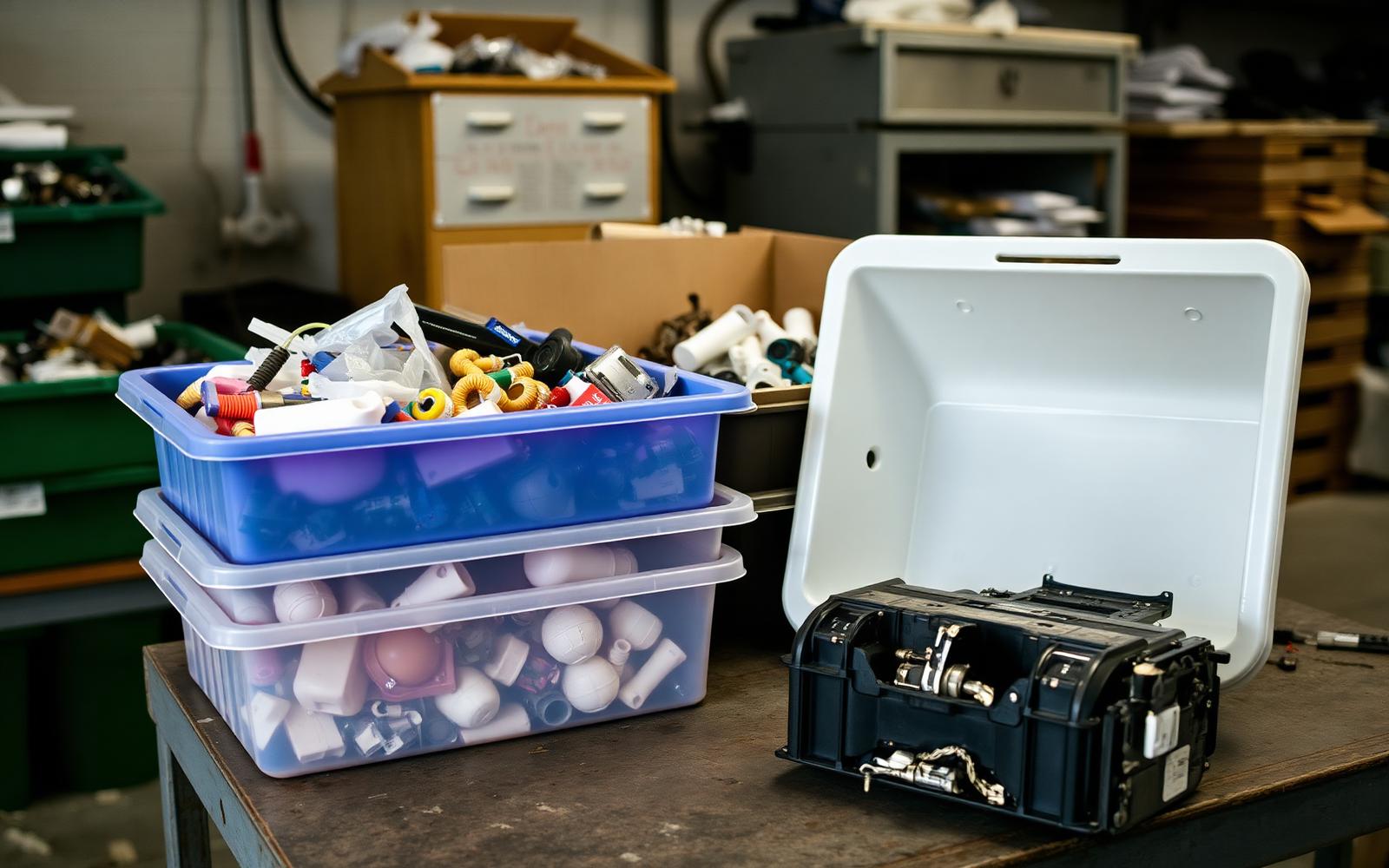
Where AI actually helps packaging and circular design decisions
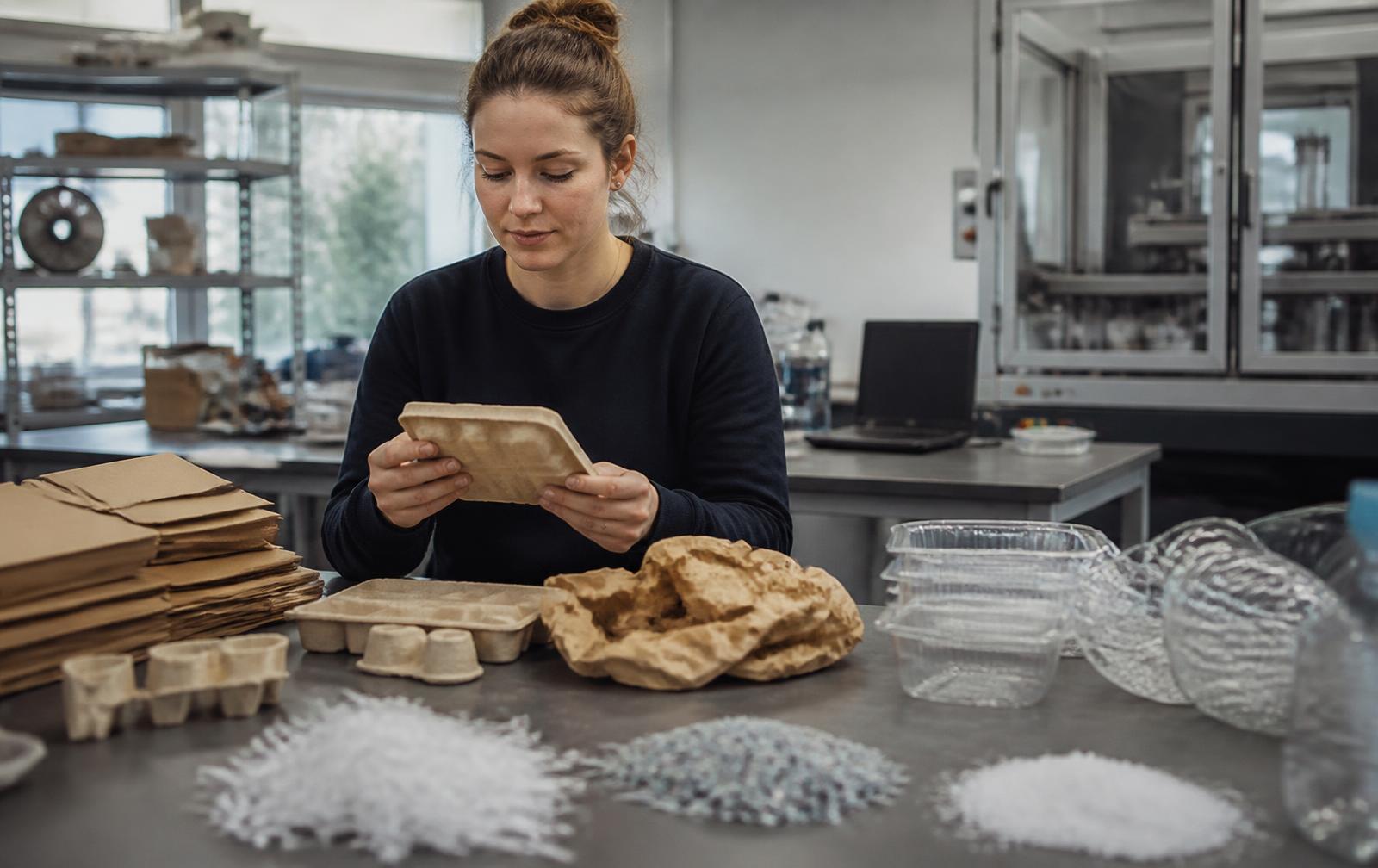
Most AI claims for packaging design boil down to two skills. These tools search options fast and gather data quickly. Geometry tools can test hundreds of tray layouts in minutes.
They check drop, stack, and pallet limits while a designer models just three. Vision models can scan photos of damaged returns. They tell you exactly which corner failed during shipping.
These tools do not pick the material. That choice is an ethical and business judgment about recycling systems.
You must write down all constraints before you run the tool. List the material type, recycled content, and pallet fill goals. Note the max weight and the recovery path for each market. Tuning is useful when these facts are clear. Without them, the tool just makes the lightest pack for a lab test. It then shifts the waste problem onto the buyer.
- First, define the recovery route for each market. Then, optimize the geometry.
- Only use one material. Document any exceptions where mixed materials are needed.
- Use generative iteration for dunnage and pallet fill. Do not use it for material selection.
- Grade photos of real transit damage. This helps target failing features. It avoids over-packing everything.
- Re-evaluate your trade-offs after any supplier change. Recycled content availability changes quickly.
Filed under:EducationUncategorized
Tagged:2025
Services related to this guide
- Product design servicesIndustrial design and CAD taken all the way to manufacturable files.
- Best industrial design firmsWhich studios take an idea from form to manufacturable hardware, and what they charge.
- Prototype designLooks-like, works-like or pre-production: what each proves and what it costs.
- Product development examplesReal projects we designed, prototyped and shipped.