Lsr Injection VS Compression Molding: Tooling Cost, Cycle Time and Crossover Quantity
Compare liquid silicone rubber injection, compression and transfer molding. Learn tooling cost, cycle time and the volume crossover where each process wins.
September 7, 20262 min read

Written by Konstantin Dolgan, Ph.D., NPDP
Founder & CEO, Product Development Engineer
Published September 7, 2026
Liquid silicone rubber (LSR) injection molding, compression molding and transfer molding are the three main production routes for silicone parts. The right choice depends on quantity, part complexity, tolerance and tooling budget. No single method wins on every axis.
Lsr Injection Molding
LSR is a two-part liquid that is mixed and injected into a heated closed mold. It cures in seconds and can be demolded automatically. LSR delivers the best repeatability, thin walls and tight tolerances, but the molds are more complex and expensive than compression tooling.
- Fast cycle times and high automation.
- Excellent for complex 3D geometry and thin walls.
- Cold-runner or hot-runner systems reduce waste.
- High upfront tooling cost, best amortized over large volumes.
Compression molding
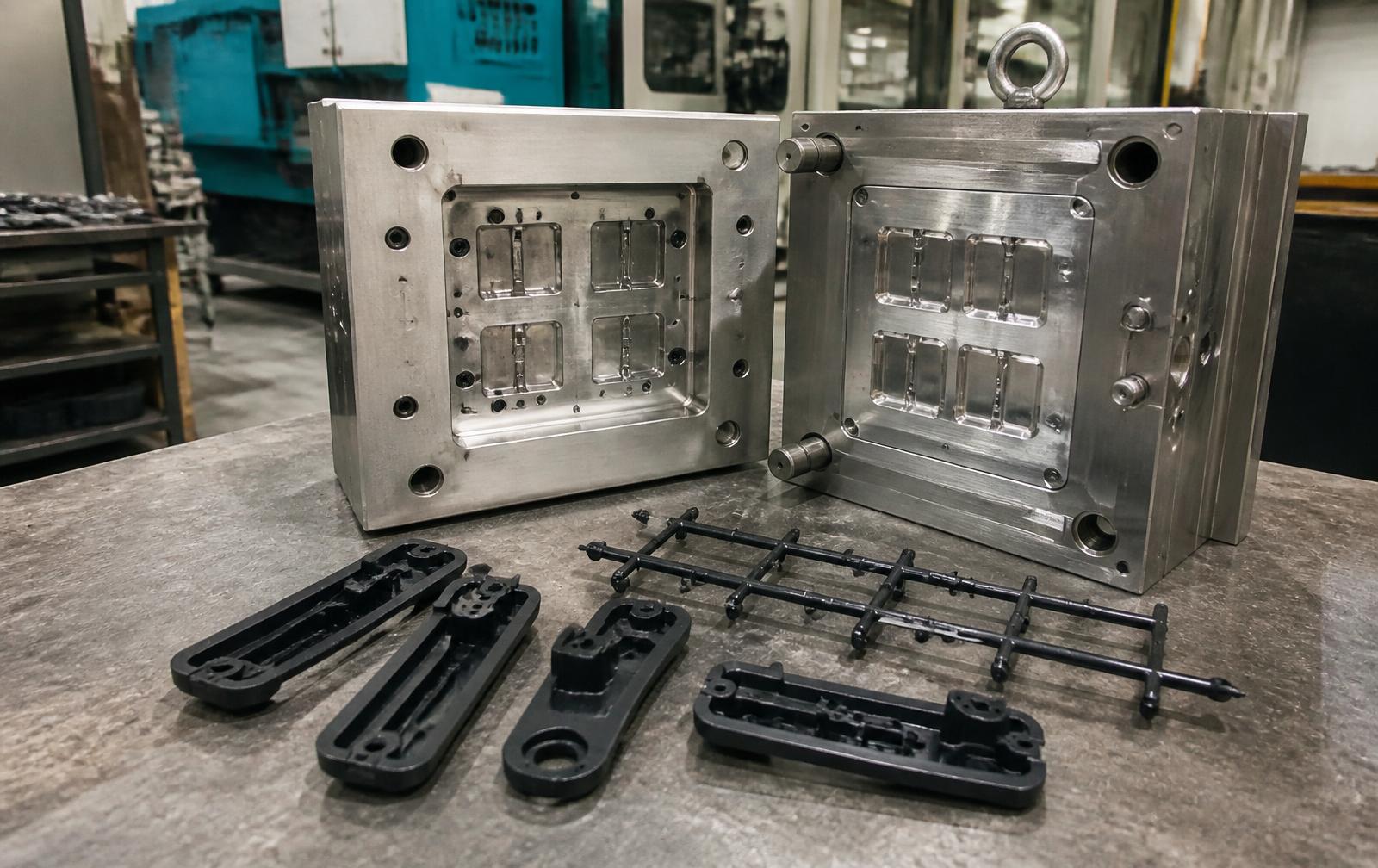
A pre-measured silicone slug is placed in an open mold cavity; the mold closes and heat and pressure shape and cure the part. Compression tooling is simpler and cheaper, but flash control, tolerance and consistency are harder than with LSR.
- Lower tooling cost and shorter lead time.
- Wider material choice, including high-consistency rubber (HCR).
- More manual handling and trimming, especially for flash.
- Best for thicker parts, gaskets and lower annual volumes.
Transfer molding
Transfer molding is a middle ground: silicone is loaded into a pot, then a plunger forces it through sprues into closed cavities. It offers better flash control than compression and lower tooling cost than full LSR injection.
Method comparison
Factor | Compression | Transfer | LSR injection |
|---|---|---|---|
Tooling cost | Low | Medium | High |
Cycle time | Longer | Medium | Fast |
Part complexity | Simple to moderate | Moderate | High |
Tolerance | Moderate | Good | Tightest |
Typical volume | Hundreds to thousands | Thousands to tens of thousands | Tens of thousands+ |
Flash and trimming | More manual | Less than compression | Least |
Crossover quantity
The exact crossover depends on part size and tooling life, but as a rule of thumb: compression molding is economical at low to medium volumes, transfer molding pays off in the low thousands, and LSR becomes the clear choice once annual demand justifies a hardened steel mold and fast cycle times.
Tooling implications
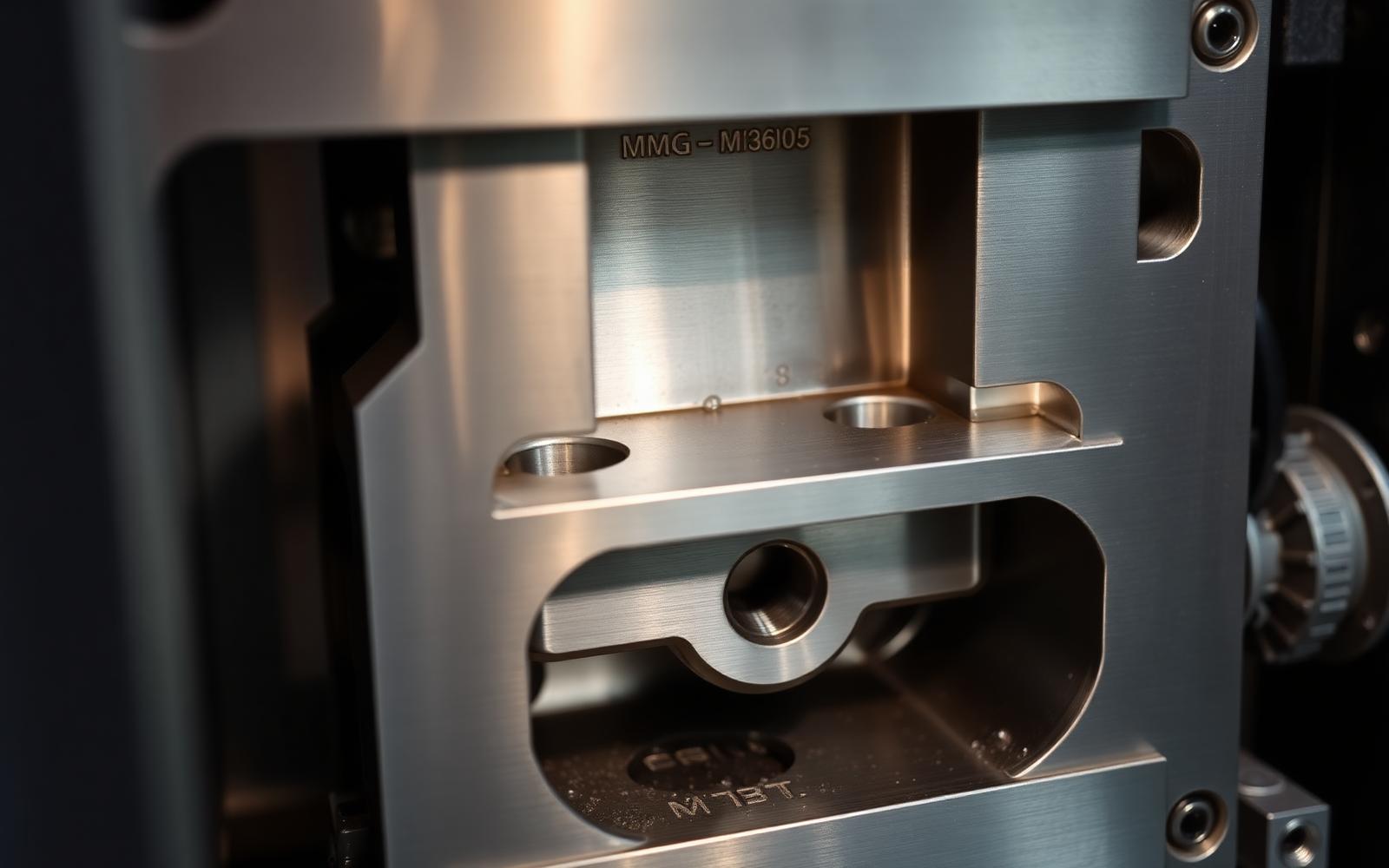
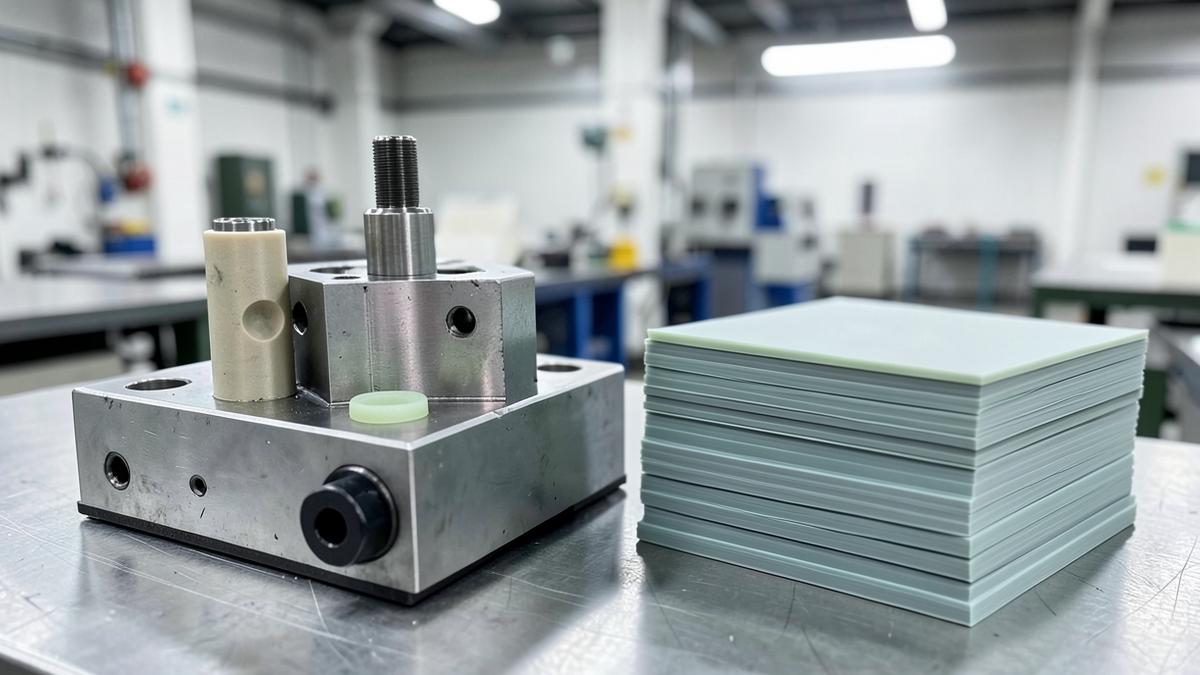
Compression molds can be cut from aluminum for quick turns. LSR molds usually need hardened steel, precision venting, temperature control and sometimes a cold-runner system to keep uncured material from curing in the channels. These features add cost but save pennies per part at volume.
Frequently asked questions
At What Volume Does Lsr Beat Compression Molding?
There is no universal number. For small parts with simple geometry, the crossover may be a few thousand units per year. For large or complex parts, it can be tens of thousands. The best way to decide is a tooling-and-part-cost model across several volumes.
Can Compression Molds Be Used for Lsr?
Usually no. LSR tooling requires tighter sealing, venting and temperature control. A compression mold may be adapted in rare cases, but it is generally more cost-effective to design the right tool for the process.
Which process is best for medical silicone parts?
LSR is often preferred for medical parts because of consistency, cleanliness and tight tolerance. Compression molding can still be used for lower-volume medical devices when validated and documented properly.
Related reading Compare the full process set on the silicone rubber prototyping and manufacturing page, review silicone prototyping methods before you cut tooling, and read the wider compression molding vs injection molding comparison, and see low-volume manufacturing for bridge production.
Services related to this guide
- Best product development companiesHow the leading US firms compare, and which one fits your stage and budget.
- Best product design companiesDesign studios compared by scope, industry and what they hand off.
- Product engineering companiesEngineering firms for physical products compared by discipline, rigor and budget.
- Consultant vs firm vs freelancerWhat each option costs, what it delivers and where to find them.