Silicone Prototyping Methods: Rtv Casting, 3D Printed Silicone and Machined Blanks
Compare RTV silicone casting, 3D printed silicone and machined silicone blanks. When each method wins, what geometry it handles, and how to pick a path for first parts.
September 7, 20263 min read

Written by Konstantin Dolgan, Ph.D., NPDP
Founder & CEO, Product Development Engineer
Published September 7, 2026
The three most common ways to prototype silicone parts are RTV silicone casting, 3D printed silicone and machined silicone blanks. Each path has a different sweet spot for speed, geometry, tolerance and cost. Picking the wrong one can mean weeks of delay or a part that does not behave like the production version.
Rtv Silicone Casting
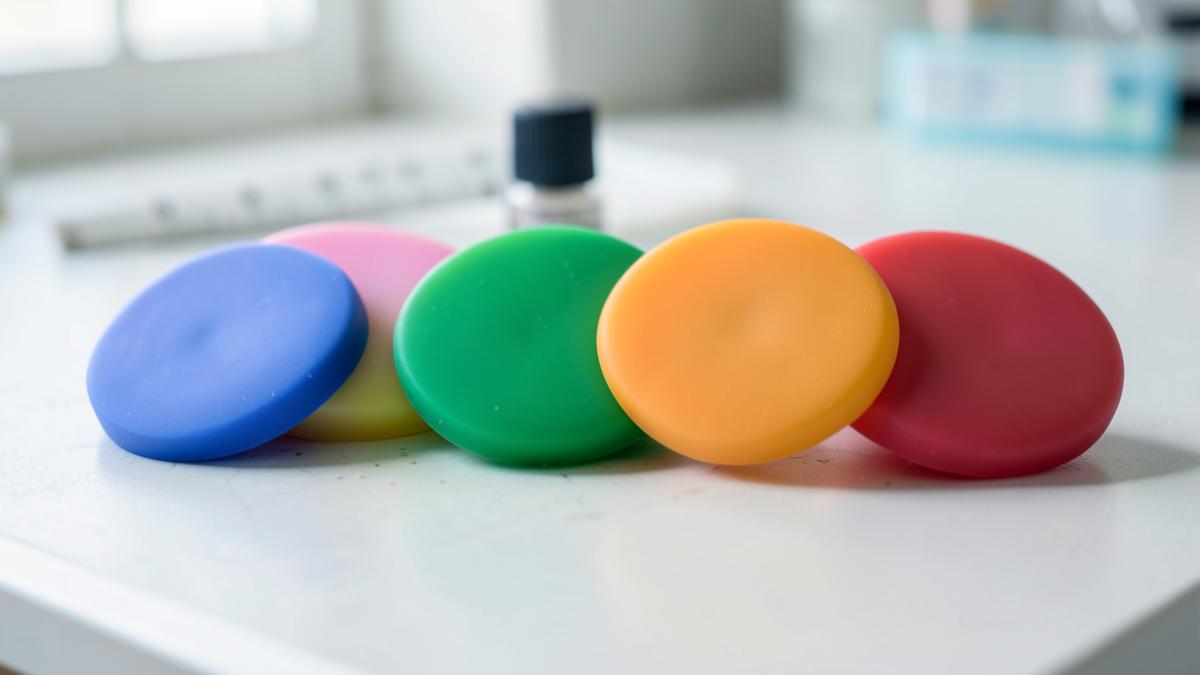
Room-temperature-vulcanizing silicone is poured over a master pattern and cured at ambient or slightly elevated temperature. The master can be 3D printed in resin, machined from plastic or metal, or sculpted by hand. After cure, the mold is opened and the part is removed.
- No hard tooling required, so first parts are fast and cheap.
- Excellent for undercuts, draft-free forms and soft-touch features.
- Surface finish comes directly from the master.
- Material properties are close to production platinum-cure silicones.
The trade-off is limited life: an RTV mold typically yields a few dozen to a few hundred parts before surface quality drops. It is ideal for concept validation, user testing and pre-production looks-like/works-like units.
3D printed silicone
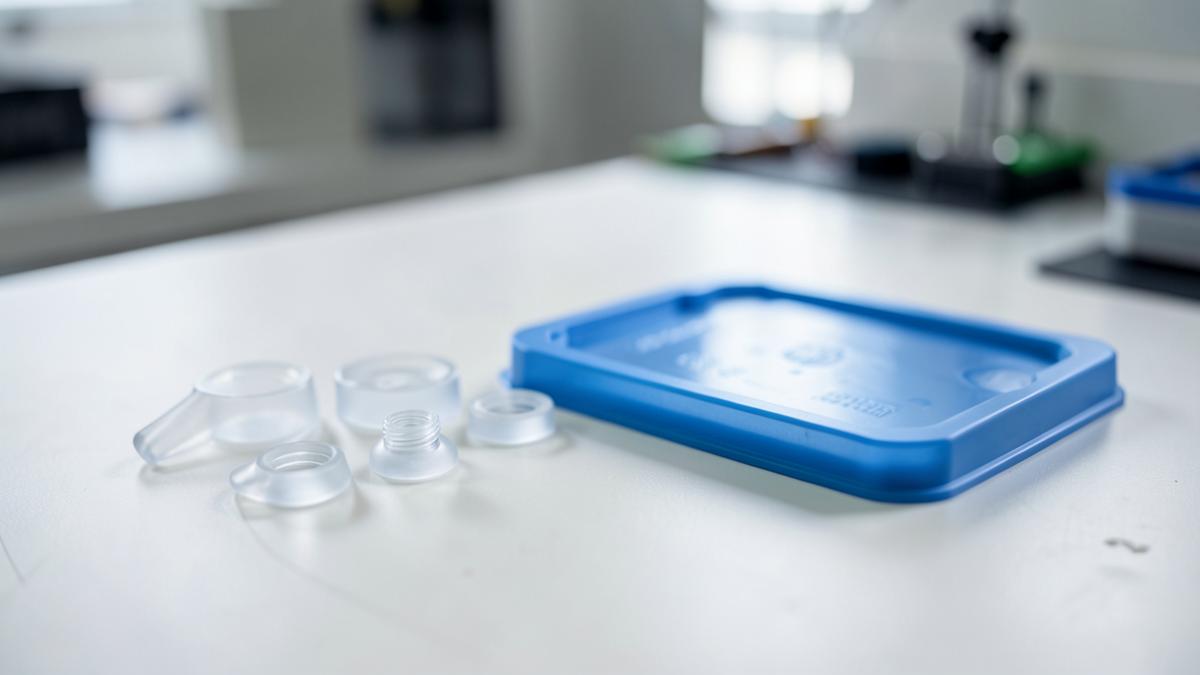
Direct silicone 3D printing builds parts layer by layer from a silicone-like photopolymer or paste. It is attractive because it needs no master and no mold, but the material set is narrower and the mechanical properties often differ from molded silicones.
- Best for quick visual models and fit checks.
- Layer lines and anisotropy can affect stretch and tear strength.
- Material may not match final durometer or biocompatibility.
- Use it to explore form, not to sign off on performance.
Machined silicone blanks
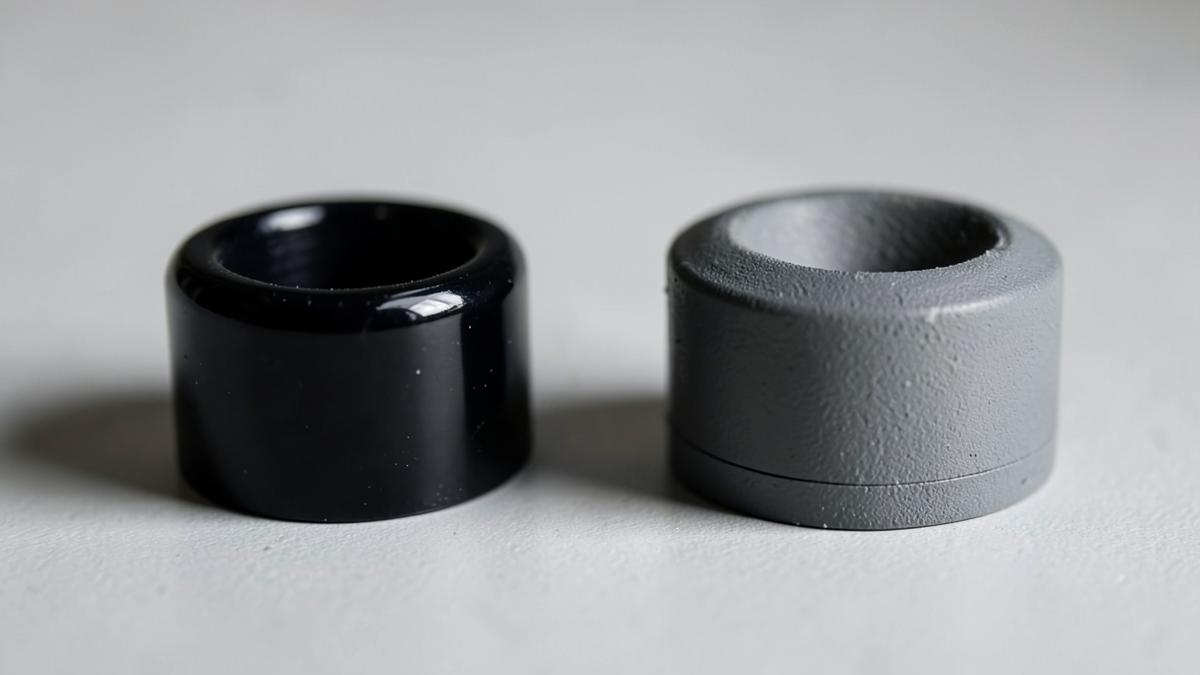
A solid silicone block or rod is CNC machined into the desired shape. This avoids tooling entirely and can deliver tight tolerances, but it is wasteful and limited to geometries that can be reached by a cutting tool.
- Good for flat gaskets, spacers, simple profiles and test coupons.
- Surface finish is determined by tool marks and post-machining.
- Not practical for complex 3D forms or hollow parts.
- Often used to make material test specimens before mold design.
How to choose a method
Method | Best geometry | Speed | Tooling cost | Tolerance |
|---|---|---|---|---|
RTV casting | Complex 3D, undercuts, soft-touch | Fast | Low (master only) | Moderate |
3D printed silicone | Visual models, iterative form | Very fast | None | Loose |
Machined blank | Flat gaskets, simple profiles | Fast for simple parts | None | Tight on reachable faces |
Common pitfalls
- Using a 3D-printed silicone part for functional testing when the final part will be molded.
- Designing undercuts that work in RTV but cannot be released from a steel production mold.
- Ignoring shrinkage and cure-inhibiting residues from printed masters.
- Assuming all silicones share the same tear strength, elongation or temperature range.
Frequently asked questions
Which silicone prototyping method is most accurate?
RTV casting from a high-quality master usually gives the closest representation of a molded production part. Machined blanks can be dimensionally tighter on simple shapes but do not replicate molded features.
Can a 3D-printed Master Be Used for Rtv Casting?
Yes, but the print must be fully cured, washed and sometimes sealed. Residues from certain resins can inhibit platinum-cure silicone, so we test a small pour before committing the full mold.
When should I skip prototyping and go straight to molding?
Only when the design is fully validated and the production volume justifies the tooling cost. Most silicone programs benefit from at least one RTV round to confirm fit, feel and function.
How do I know the prototype material matches production?
Ask for the data sheet of the casting silicone and compare Shore A, tensile strength, elongation and tear strength against the target production grade. If the properties differ significantly, the prototype is a look-and-feel model only.
Does LA NPDT cast silicone prototypes in house?
Yes. We run RTV casting, master preparation and first-article evaluation in our Ruston facility. For larger LSR or compression-molded runs we manage tooling and production with domestic and vetted offshore partners.
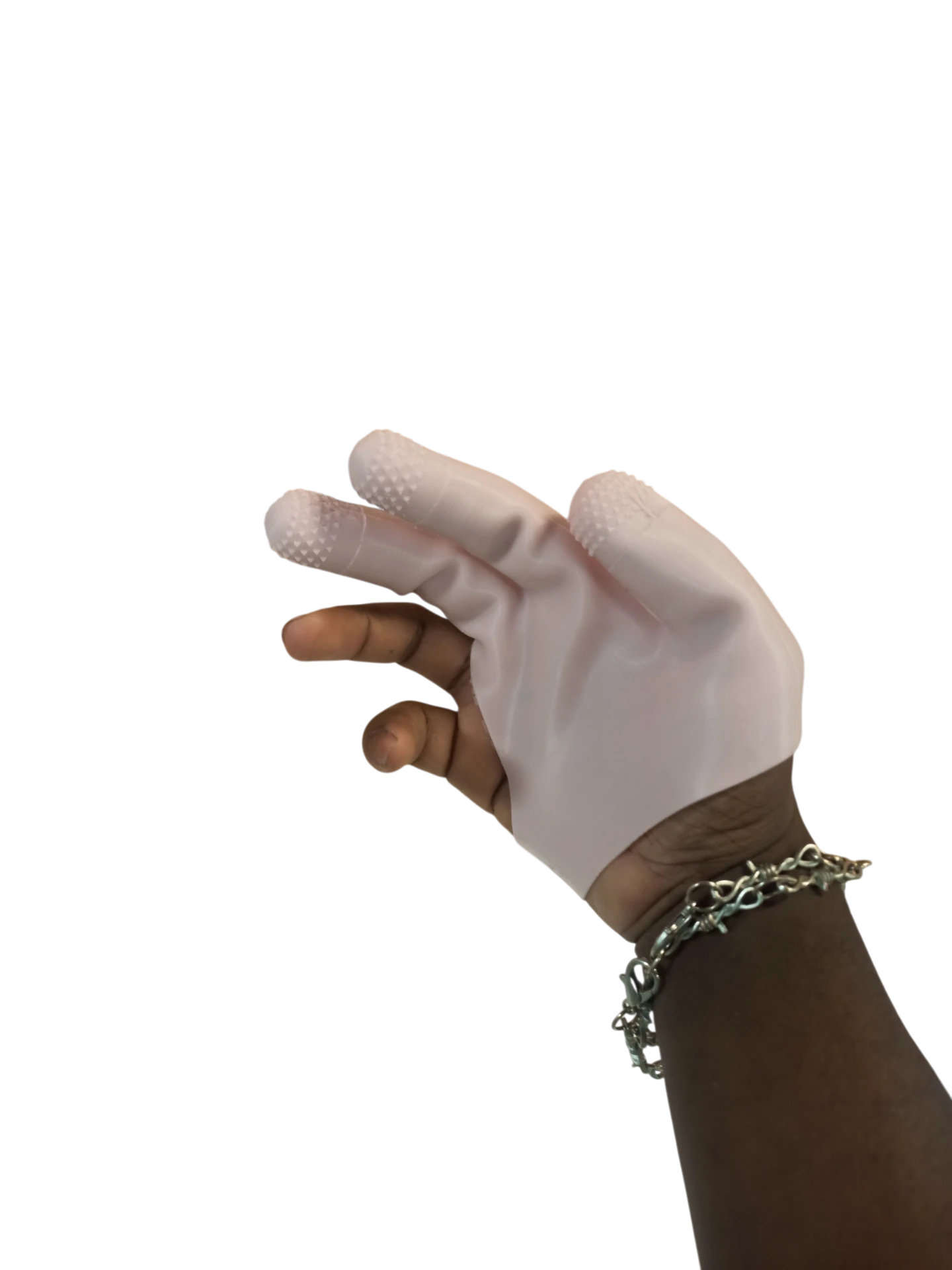
Related reading Start with the silicone rubber prototyping and manufacturing overview, then see a cast silicone part in use on the Clean Fingers shellfish-eating glove . For durometer and grade choices, read silicone durometer and grade selection .
Services related to this guide
- Best prototyping companiesDevelopment firms, instant-quote bureaus and local shops — who fits which job.
- Free prototype cost calculatorFive to eight questions, an instant cost range for a first prototype.
- Prototype development companiesWhich firms take a sketch to a working prototype — and which only fabricate parts.
- Rapid prototypingWorking prototypes in days, from 3D printing to vacuum casting.