Low volume injection molding cost: what 500 to 10,000 parts actually runs
Real cost bands for aluminum tooling, part price and the break-even against 3D printing and machining, with the variables that move the number most.
August 29, 20262 min read

Written by Konstantin Dolgan, Ph.D., NPDP
Founder & CEO, Product Development Engineer
Published August 29, 2026
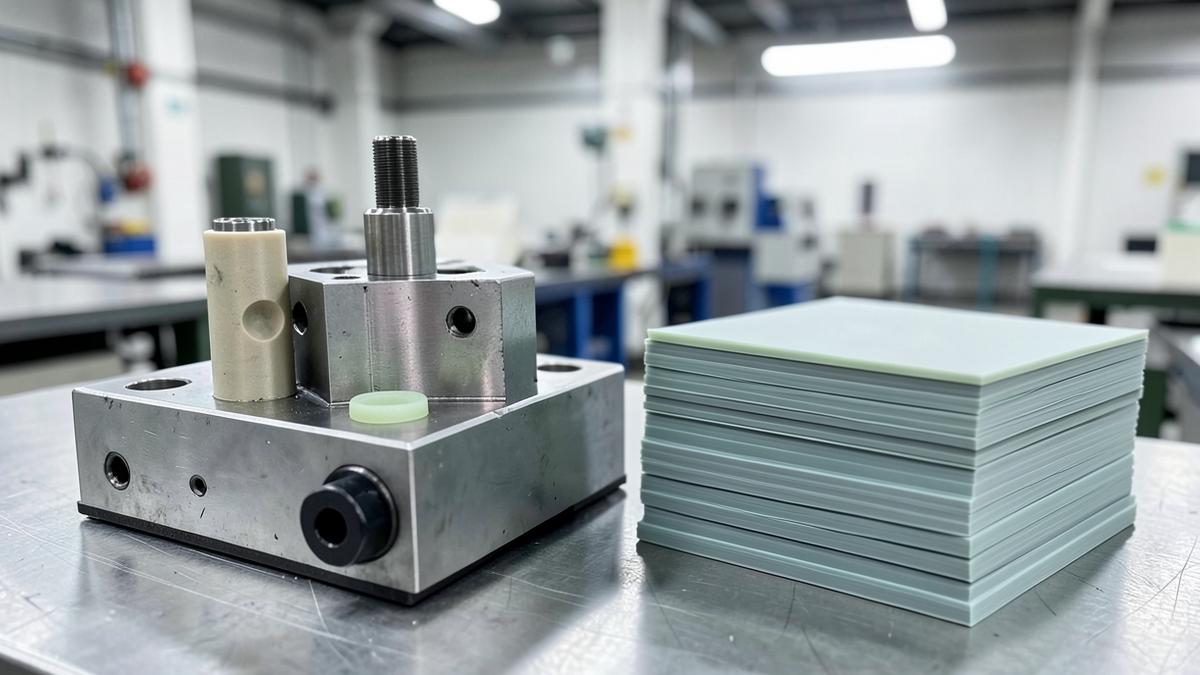
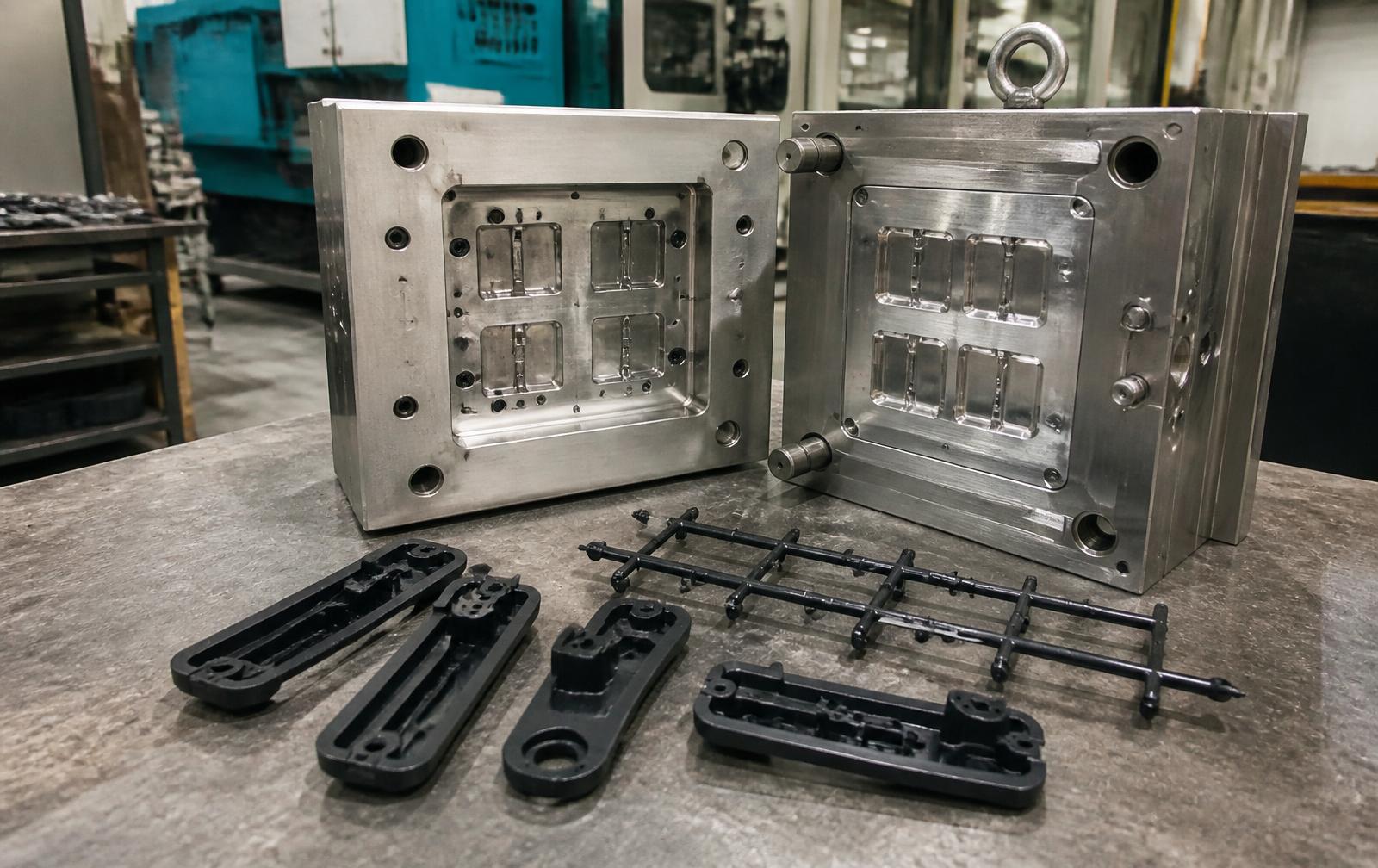
For most consumer-sized plastic parts, a low volume injection molding program runs $3,000 to $12,000 for an aluminum tool plus $0.60 to $4.00 per part. Tooling is the number that surprises people, and it is driven by part size, number of cavities, undercuts and surface finish far more than by quantity.
Frequently asked questions
What does low volume injection molding cost?
Those bands assume a US or vetted Asian tool shop, ABS or polypropylene, and a design that has already passed a manufacturability review. A part that has not been reviewed usually comes back with a quote 20 to 40 percent higher, because the shop is pricing the risk of side actions and thick sections you did not intend to have.
When is molding cheaper than 3D printing or machining?
The honest break-even for a typical handheld part is somewhere between 400 and 800 units. Below that, printing keeps you flexible. Above it, you are paying a large premium per part for the privilege of not committing to a design.
What drives the tooling quote up?
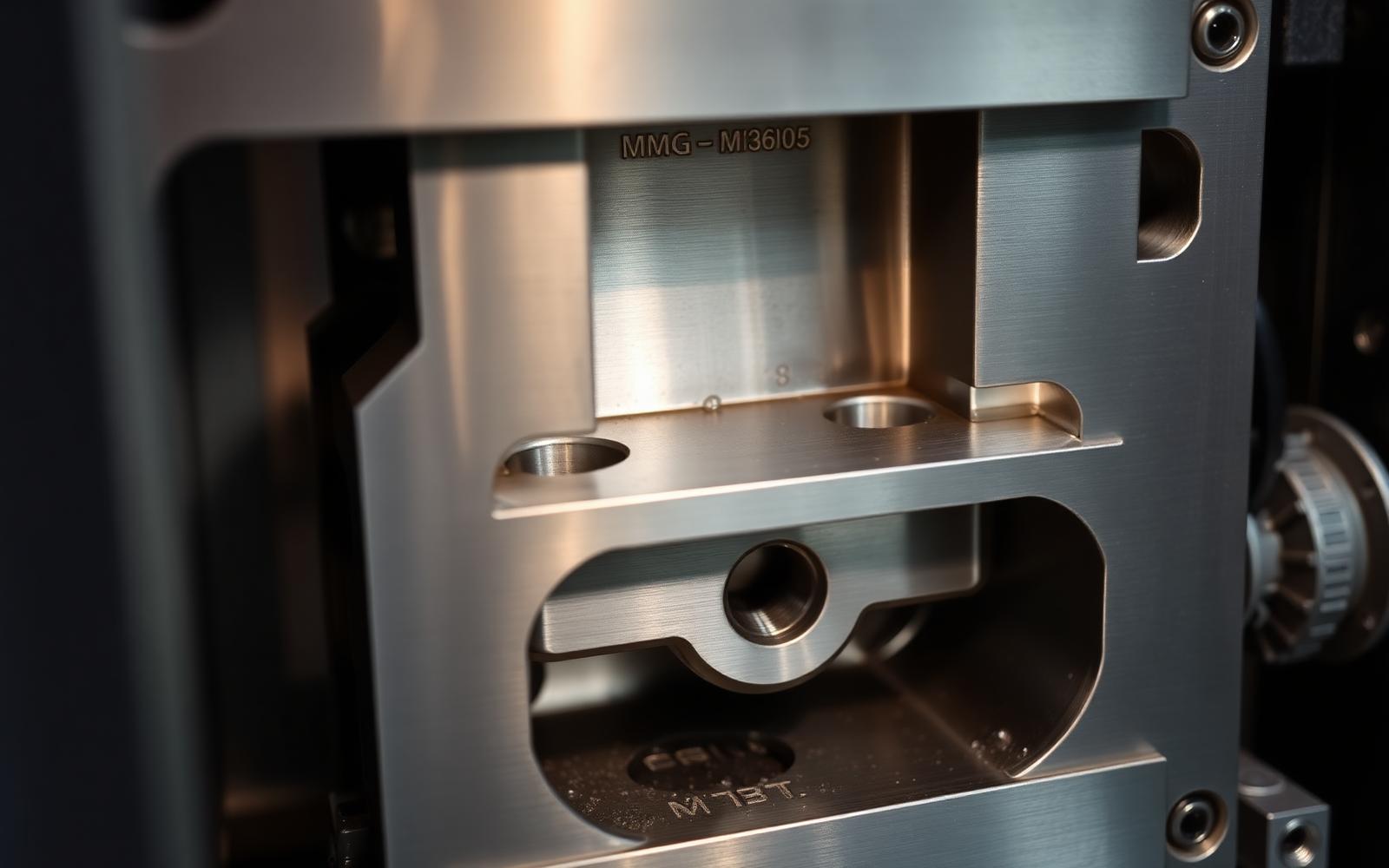
Undercuts that force side actions or lifters, each adding $800 to $2,500. Wall thickness that varies across the part, which causes sink and needs correction. Cosmetic finishes: a polished or textured A-surface costs more than a machined finish. Tight tolerances applied everywhere instead of only where they matter. Late changes. Cutting steel or aluminum away is cheap; adding it back is a weld and a re-cut.
How do you keep the cost down?
Run a manufacturability review before you request tooling quotes. Design the parting line yourself instead of letting the tool shop choose it. Use a family tool for two or three small parts that share a material and color. Choose a resin your molder already runs; exotic materials add setup and scrap. Order a single-cavity tool first, then add cavities when demand is proven.
Where LA NPDT fits?
We design the part, run the manufacturability review, source and manage the tool, and sign off on first article samples. If you already have a design and want a second set of eyes before you commit to tooling, our rapid prototyping and DFM review work is usually the cheapest money on the program. See how it plays out on a real product in the QMS2GO voice recorder case study .
Services related to this guide
- Free prototype cost calculatorFive to eight questions, an instant cost range for a first prototype.
- Prototype designLooks-like, works-like or pre-production: what each proves and what it costs.
- Rapid prototypingWorking prototypes in days, from 3D printing to vacuum casting.
- Best product development companiesHow the leading US firms compare, and which one fits your stage and budget.